
 EN
EN
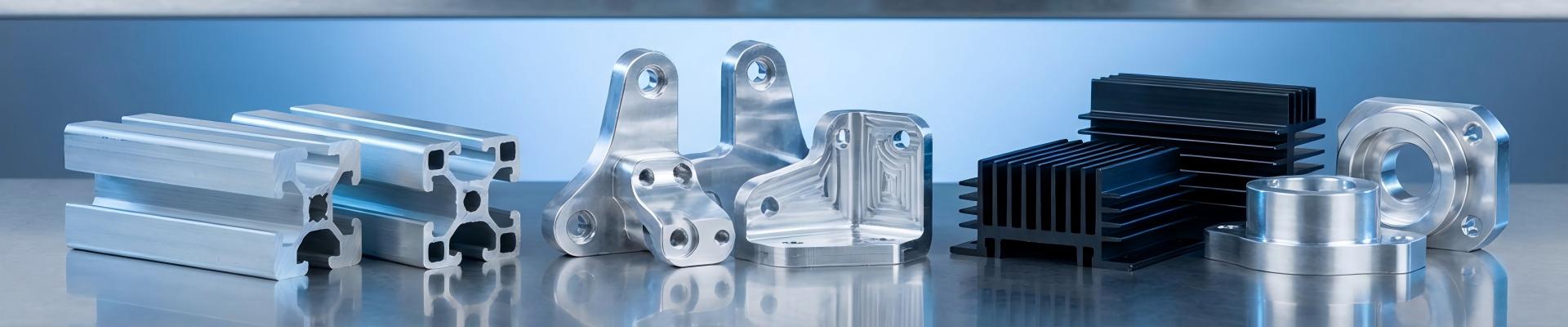
Custom Assembly Services for Metal and Plastic Components
Zhengna Technology reviews custom assembly inquiries from the released drawing, BOM, component responsibilities, quantities, critical interfaces, inspection needs and packaging requirements. The quotation should state which parts are supplied, which assembly operations are included, which evidence is required and which finished-product decisions remain with the buyer. A general request for “complete assembly” is not enough to define scope.

What a custom assembly quotation must define
An assembly quotation becomes useful when it separates confirmed requirements from supplier proposals. Send the released assembly drawing and BOM with their revisions. Identify buyer-supplied, supplier-supplied and purchased components. State which component sources or alternatives need approval, and show the interfaces that control fit, orientation, movement, sealing, electrical contact or packaging protection where those functions apply.
Zhengna Technology can review the requested assembly against the drawing package and the component scope described in the inquiry. The specific joining or installation method, fixtures, inspection stages, records, subcontracted operations and commercial terms must be confirmed for the project. This page does not promise that every possible assembly process or validation method is available.
Assembly inputs that reduce quotation risk
| RFQ input | Why it changes the assembly plan | What to make explicit |
|---|---|---|
| Assembly drawing and BOM | They define item identity, quantity per assembly and controlled interfaces. | Revision, precedence, approved alternatives and open questions. |
| Component responsibility | Buyer-supplied and supplier-supplied parts create different sourcing, incoming-check and schedule risks. | Who purchases, approves, replaces and owns excess or damaged items. |
| Critical interfaces | A visually correct build can still fail fit or function at a mating surface. | Datums, orientation, acceptance state, method and responsible validation owner. |
| Quantity and production stage | Prototype, pilot and repeat orders may need different fixtures, documentation and release evidence. | Current order quantity, forecast context and what is not yet a released order. |
| Inspection and packaging | Some features become hidden, while others can be damaged after final inspection. | When to check, what evidence to retain and how to protect the shipped assembly. |
Component and process scope is drawing-specific
Assembly inquiries may involve stamped metal parts, machined parts, molded plastic components, springs, fasteners, inserts, labels or buyer-provided items. Their presence in one inquiry does not prove that every component or operation will be made or performed by Zhengna Technology. The quotation should name the included supply scope, outside operations, approved sources and buyer responsibilities.
Fastening, fitting, insertion, positioning, inspection and packaging controls depend on the released design. Do not assume a universal torque, press force, adhesive, fixture, sampling level or test. Material, finish, handling, cleanliness and traceability requirements should come from the controlled drawing, specification or approved quality agreement.
If a component can be installed in the wrong orientation, omitted, mixed with a similar item or damaged during a later step, identify the prevention and detection point before production. Where a feature becomes hidden, place the relevant check before it is concealed. Where a method is open, label it as a proposal that needs approval rather than silently treating it as a requirement.
From components to an approved assembly sequence
- Document review: close drawing, BOM, revision, precedence and responsibility questions.
- Kit definition: identify the approved parts, quantities, sources, alternatives and traceability level required for the project.
- Sequence review: order the operations around access, orientation, damage risk and checks before irreversible steps.
- First-article plan: agree the assembly identity, characteristic list, methods, result format and disposition of open items.
- Production control: apply the approved work instruction and project-specific in-process or final checks.
- Release and packaging: close exceptions, verify identity and quantity, and protect the interfaces or surfaces named by the buyer.
For a detailed way to specify those outputs, use the custom assembly work instruction and lot release RFQ checklist. It separates document authority, supplier proposals, operator instructions and acceptance records so they do not overwrite one another.
Inspection evidence should answer a named decision
A list of measuring equipment is not an inspection plan. For each important acceptance decision, identify the characteristic, method, stage, unit or condition, acceptance limit, result format and person or function authorized to disposition a nonconformance. The level of sampling and record retention remains project-specific.
Component conformity also does not establish finished-product performance. Fit, dimensional or visual results for an assembly do not automatically prove safety, regulatory compliance, environmental durability, electrical performance, sealing, life or field reliability. Those outcomes remain with the party that controls the complete product definition, intended use and validation plan.
The public quality-control page provides general context. Any project-specific first article, control plan, report, test or certificate must be confirmed in the quotation and supporting records rather than inferred from website copy.
Change, nonconformance and rework boundaries
Define which changes require notice or approval before they occur. Drawing, BOM, source, component, process, fixture, software, inspection or production-location changes can affect an approved assembly result. A concession for one identified lot does not revise the drawing for future orders.
Rework should use an approved instruction and a new acceptance decision for the affected characteristics. Disassembly, repeated tightening, replaced labels, cleaning or component mixing can create new risks. The engineering change-control checklist provides a broader cross-process revision framework.
How to request an assembly review
Send the released assembly drawing, BOM and component files; identify buyer-supplied and supplier-supplied items; state prototype, pilot or production quantity; mark critical interfaces and acceptance needs; and include packaging, destination and timing context. If a method or component is open for recommendation, list it as an open decision.
Contact Zhengna Technology with the controlled files and project context. The review can then distinguish confirmed assembly scope, missing information, supplier proposals, evidence requirements and responsibilities that remain with the buyer or finished-product owner.
Custom Assembly FAQ
What should be included in a custom assembly RFQ?
Include the released assembly drawing, BOM, revisions, component responsibilities, quantities, critical interfaces, inspection and release requirements, packaging, destination and a list of open decisions.
Can Zhengna Technology source every component in an assembly?
Do not assume that. Identify buyer-supplied, supplier-supplied and purchased items. The quotation must confirm included sourcing, approved alternatives and responsibilities for shortages, damage and excess parts.
Are inspection methods and records the same for every assembly?
No. They depend on buyer risk, the controlled specification, component criticality and the decision each record must support. Confirm the characteristic, method, stage, limit and record requirement for the project.
Does an assembled part automatically meet finished-product compliance requirements?
No. Assembly and component evidence do not by themselves prove finished-product safety, regulatory, environmental, electrical, sealing or life performance. The responsible product owner defines and approves validation.
What happens when a drawing or BOM changes?
The buyer and supplier should identify affected components, instructions, fixtures, inspection and released lots; close approval and revalidation questions before using the change.
Evidence boundary
This page defines a drawing-based commercial review path. It does not claim a universal process, equipment list, certification, test capability, cleanroom, production volume, lead time, MOQ, sampling level, defect rate or finished-product approval.
