
 EN
EN
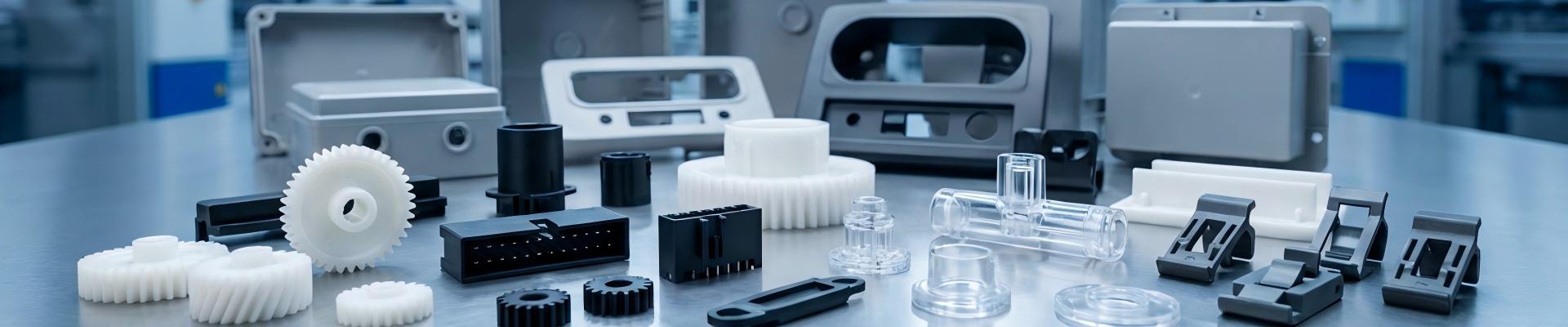
Custom Plastic Injection Molded Parts
Zhengna Technology manufactures made-to-drawing plastic injection molded parts for OEM projects. The review starts with the controlled drawing and material requirement, then connects tooling, sampling, molding, inspection, packaging and any assembly interfaces to the quotation.
This commercial page explains manufacturing fit and the evidence a buyer should request. Final feasibility depends on the released geometry, resin grade, tool concept, machine fit, tolerance, validation plan and volume.
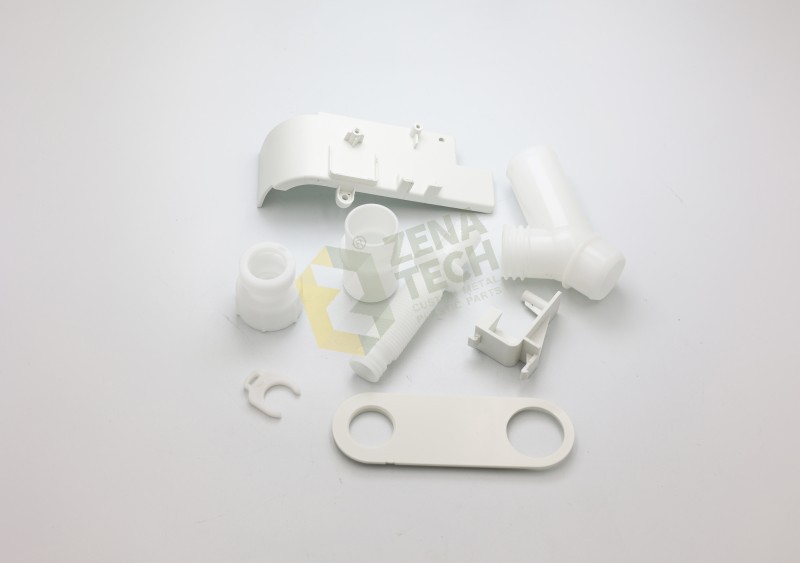
What Zhengna Technology reviews before quotation
| Input | Manufacturing review | Why it changes the quote |
|---|---|---|
| 2D drawing and 3D model | Revision, datums, wall transitions, ribs, bosses, draft, inserts and assembly interfaces | Defines mold complexity, risk and inspection scope |
| Material | Exact resin grade or approval route, color/additives, documentation and substitution rules | Changes flow, shrinkage, drying or conditioning, appearance and cost |
| Tooling | Cavity plan, gate, venting, cooling, ejection, maintenance and ownership | Controls investment, sampling sequence, repeatability and change responsibility |
| Acceptance | Critical dimensions, appearance zones, functional tests, measurement state, sampling and reports | Defines equipment, fixtures, labor and evidence |
| Volume and delivery | Prototype, pilot and production quantities, annual forecast, packaging and destination | Influences tool route, cycle assumptions, handling and logistics |
Injection molding scope
Zhengna Technology supports drawing review, material and tooling coordination, sample iterations, production molding, dimensional and visual inspection, packaging preparation and related assembly review when included in the project scope. Common buyer inputs include ABS, PC, PA, POM, PBT, PP, PE, LCP, PEEK, filled materials or another specified thermoplastic. The exact grade and processing route must be confirmed for the project.
Part families can include housings, covers, brackets, inserts, functional plastic components and molded parts that interface with metal or purchased components. This list describes forms for review; it is not a guarantee that every geometry, material, tolerance or application is feasible.
Control the molding risks that affect fit and appearance
- Warpage and dimensional movement: review wall thickness, flow direction, gate, packing, cooling, ejection, conditioning and measurement restraint.
- Sink and read-through: identify cosmetic faces and the ribs, bosses or thickness transitions behind them.
- Weld lines and flow marks: define restricted functional or visual zones and the evidence required during sampling.
- Flash and mismatch: mark parting-line and assembly features where limits matter.
- Material and color control: define the approved grade, source, additives, regrind policy, color reference and documentation.
- Insert and assembly interfaces: provide mating parts, stack-up requirements, pull/torque or other project-specific validation where applicable.
Sampling and inspection evidence
A useful sample package connects the drawing revision to the material, tool revision, cavity, measurement method and acceptance decision. Critical features should have a defined datum, instrument or gauge, condition, sampling frequency and reaction plan. The package may include dimensional results, approved appearance samples, material documents, assembly-fit evidence or other records required by the buyer.
Do not treat a certificate, machine list, polished sample or phrase such as “100% inspection” as project approval by itself. Ask which characteristics were checked, how they were measured, how the part was supported, and which party owns the functional or regulatory validation.
Buyer decision guides
- Polypropylene injection molding shrinkage, warpage and RFQ guide
- Injection-molding supplier technical audit
- Injection-molding cost and quality guide
- Zhengna Technology quality-control context
RFQ information
- Controlled 2D drawing, 3D model, revision and governing document.
- Exact material grade or approval route, color, additives and required declarations.
- Critical datums, tolerances, appearance areas and mating interfaces.
- Prototype, pilot, annual and peak quantities plus launch timing.
- Tool ownership, life, cavity, trial, maintenance and change requirements.
- Inspection, validation, traceability, packaging and delivery requirements.
Use the contact page to describe the project. Because the public form does not accept drawing attachments, arrange controlled file transfer through the agreed sales channel.
Frequently asked questions
What should buyers send for an injection molded parts quote?
Send the drawing and model, material requirement, tolerance and appearance notes, assembly interfaces, quantities, tooling expectations, inspection and validation needs, packaging and schedule.
Can Zhengna Technology review polypropylene molded parts?
Yes. Polypropylene is included in the material families reviewed for made-to-drawing injection molding. The exact grade, shrinkage assumptions, geometry, tooling, measurement state and project validation requirements must be assessed before quotation.
How is warpage addressed?
Warpage is reviewed through material, geometry, gate and flow, packing, cooling, ejection, handling and measurement conditions. The dominant cause and corrective action are project-specific and should be confirmed by structured trials.
Why is no fixed price or tolerance shown?
Custom molded-part price and feasibility depend on material, geometry, tool, cavity, volume, process risk, inspection, validation and delivery scope. A public universal price or tolerance would not describe a controlled quotation.
Capability boundary: this page does not claim a universal material, tolerance, press fit, tool life, process window, inspection frequency, certification, MOQ, lead time, capacity or finished-product approval.
