
 EN
EN

PCB Standoffs in Tape-and-Reel Packing: Workshop and Inspection Evidence
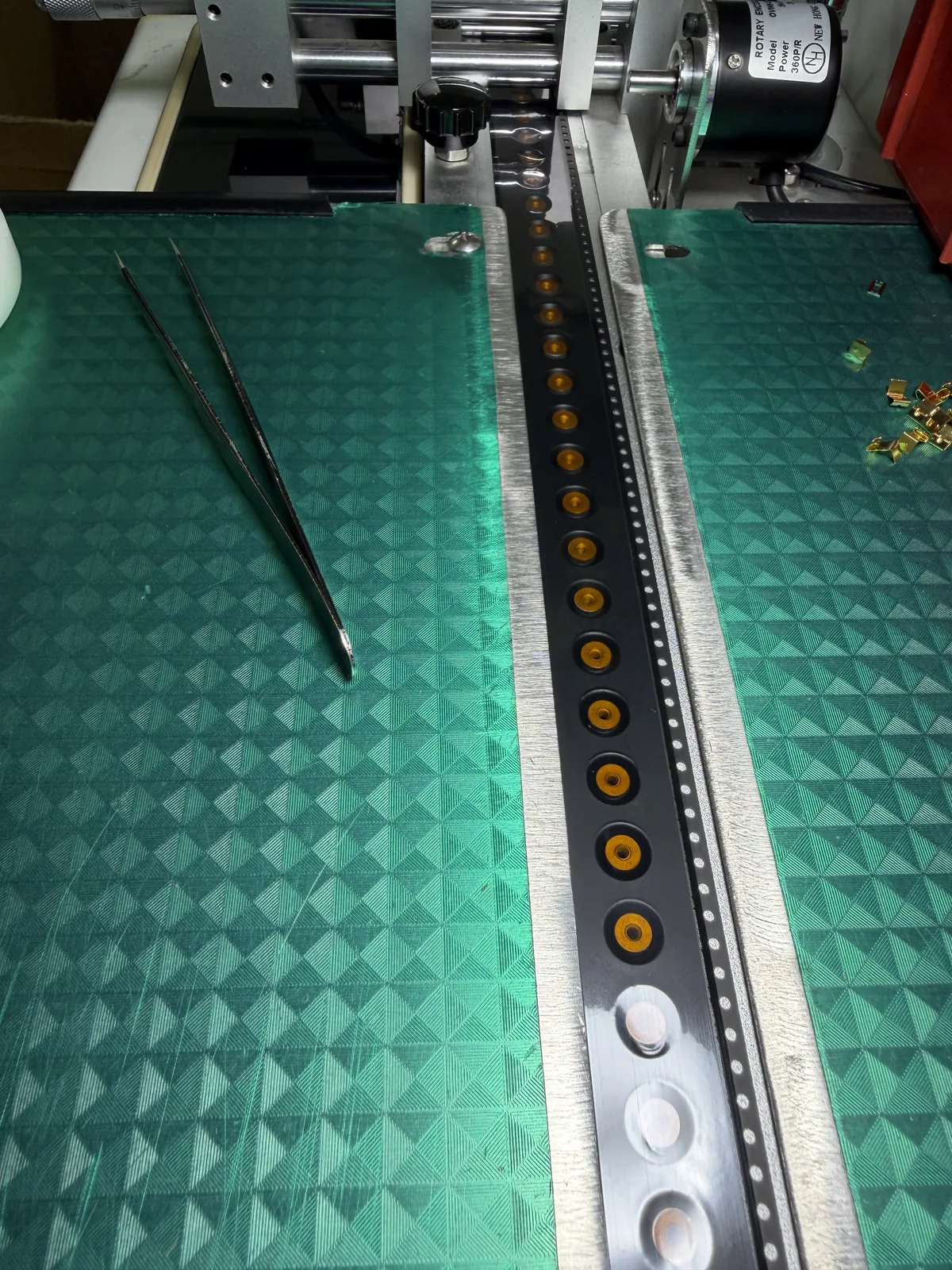
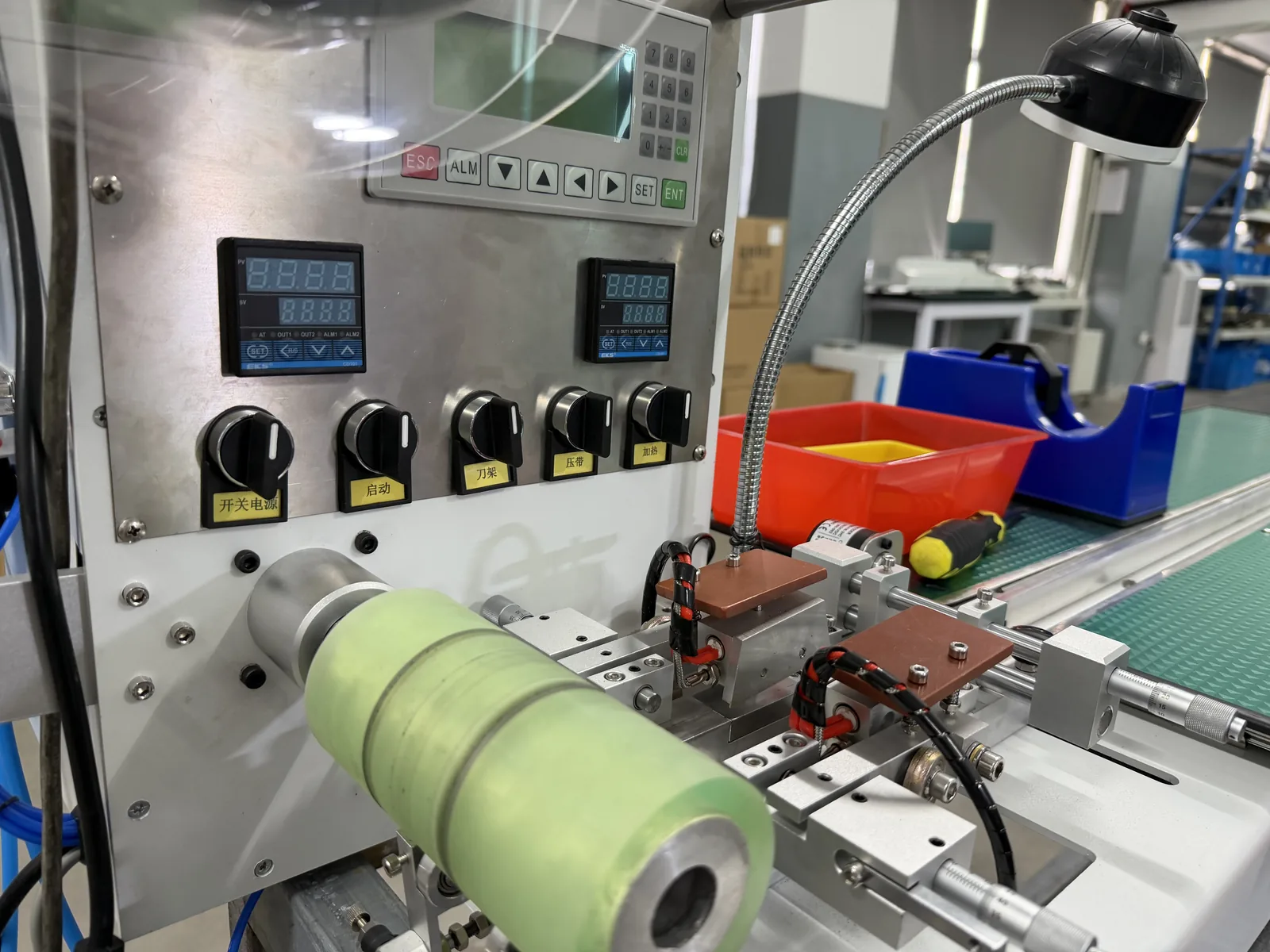
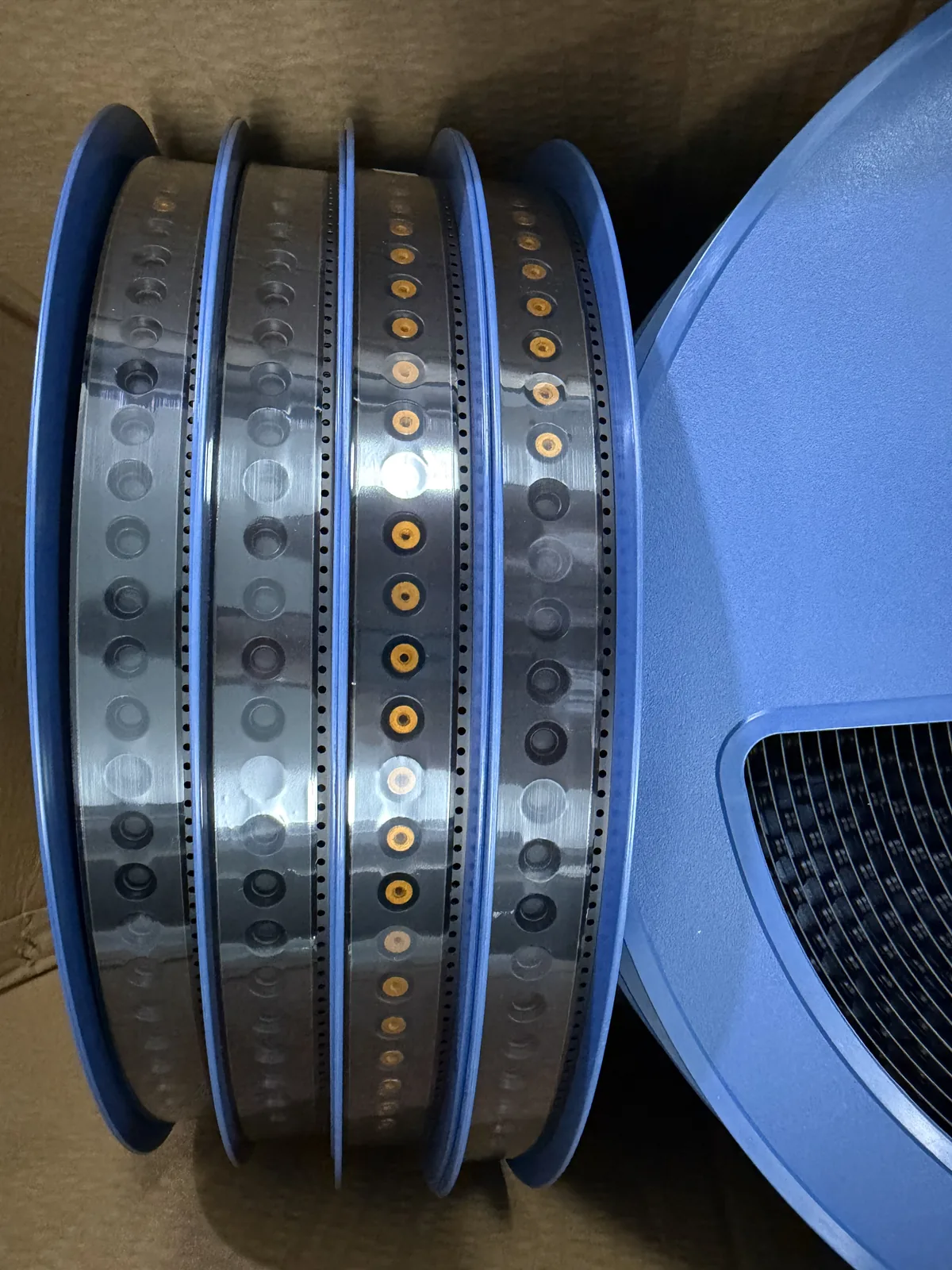
This 63-second video records female-threaded PCB standoffs in tape-and-reel packing inside a Zhengna Technology-owned workshop. It was captured on July 29, 2026, in the Building B, third-floor workshop at No. 575 East Xingfu Road, Hongqiao Town, Yueqing, Zhejiang, China. The visible sequence covers loose parts, workshop equipment, tape-and-reel presentation, manual inspection and finished reels.
The confirmed visual inspection checks are whether a part is missing, placed incorrectly within the carrier pocket, visibly deformed or visibly damaged. These checks are useful buyer evidence, but they are not a universal inspection plan. The video does not prove 100% inspection, automatic defect detection, hidden defects, dimensional or thread conformity, a defect-rate result, lot acceptance or customer release.
Open the lightweight 720p MP4 directly if inline playback is unavailable. The visible page text below provides the same evidence scope and buyer context without requiring video playback.
Tape-and-reel is a packing format, not a complete product specification
A buyer may receive small threaded hardware loose in a bag, divided in trays, or presented in tape and reel. The packing choice affects handling, part separation, orientation, feeder planning, labeling and incoming inspection. It does not change the need for a controlled drawing and project-specific acceptance criteria.
| Buyer question | What tape-and-reel packing can address | What still requires project definition |
|---|---|---|
| How are parts presented? | Repeated carrier pockets can separate parts and control a visible presentation direction. | Pocket geometry, pitch, cover tape, reel size, leader and trailer requirements. |
| How will the assembly process receive the part? | The reel can support an agreed feeding or handling route when the equipment and part are compatible. | Feeder compatibility, pickup surface, orientation, rotation and line-trial acceptance. |
| What can incoming inspection see? | Missing parts, incorrect pocket placement, visible deformation and visible damage can be reviewed. | Sampling frequency, dimensional checks, thread gauging, finish evidence and disposition rules. |
| Does the format prove SMT or reflow suitability? | No. Packing format only describes supply presentation. | Pad or interface design, material, finish, thermal limits, assembly profile and validation ownership. |
| Is the packed lot released? | The footage can document a real workshop and visible review steps. | Lot identity, inspection record, acceptance criteria, deviation approval and release authorization. |

What the visual inspection checks
The inspection shown in the approved footage is a visible review of the part presentation. The operator follows the tape and checks the repeated pockets for four observable conditions:
- Missing parts. An expected carrier pocket is empty or the part is not present in the intended sequence.
- Incorrect placement. A part is not seated in the intended position within the carrier pocket. The buyer should still define any required presentation direction or rotation in the packing specification.
- Visible deformation. The part or its visible feature appears bent, distorted or otherwise different from the expected form. A visual observation does not replace dimensional verification.
- Visible damage. The inspector looks for observable damage to the part or packing presentation. Hidden, internal, functional or finish-performance defects require separate methods when relevant.
Evidence matrix: what the media proves and what it does not
| Visible evidence | Supported statement | Do not infer |
|---|---|---|
| Workshop overview | Zhengna Technology has an in-house tape-and-reel packing workshop at the confirmed Yueqing location. | Capacity, output rate, every-product applicability or a customer-specific route. |
| Loose female-threaded parts | The recorded product belongs to the female-threaded PCB hardware family. | Thread size, material, finish, tolerance or assembly performance. |
| Repeated carrier pockets | The PCB standoffs are visibly presented in tape-and-reel packing. | Pocket dimensions, feeder compatibility, solderability or reflow suitability. |
| Manual inspection footage | The four confirmed visible conditions are reviewed. | 100% frequency, automated detection, dimensional conformity or lot release. |
| Finished reels | Finished tape-and-reel presentation exists in the approved workshop media. | Customer acceptance, shipment approval, traceability level or validated protective performance. |
Define the packing and inspection requirements in the RFQ
A video can help a buyer confirm that a real route exists, but the quotation still needs controlled inputs. Send the following information so the part and packing route can be reviewed together:
- part drawing, 3D model where relevant, and governing revision;
- thread standard, size, class, depth and mating-part requirements;
- installed height, board or chassis interface, datum and critical dimensions;
- material, finish, appearance and environmental requirements;
- assembly route and any SMT, insertion, fastening or thermal-process constraints;
- prototype, pilot and production quantities plus expected order lot;
- required packing format, presentation direction, carrier-pocket concept, reel or labeling needs;
- inspection characteristics, method, sampling or frequency, records and acceptance authority;
- sample approval, line trial, deviation and change-control requirements.
For drawing-based project review, use the custom PCB standoffs commercial page. For mounting architecture, installed height, interface and packing decisions, use the PCB standoff selection and RFQ guide. When the controlled requirements are ready, contact Zhengna Technology with the project context.
How this evidence page differs from the selection guide
This page answers a narrow trust question: what can a buyer actually see in the Zhengna Technology workshop and inspection footage? It records the product family, packing format, location, capture date, visible equipment and four confirmed visual checks. It deliberately avoids turning the footage into an engineering specification or a universal capability statement.
The separate selection and RFQ guide answers a different decision question. It helps the buyer define mounting architecture, installed height, mating feature, thread, material, finish, assembly route, validation responsibilities and packing requirements. A useful sourcing path therefore moves from visible evidence here to project fit on the commercial page, then to the controlled RFQ inputs in the guide. The pages support each other without competing for the same buyer job.
Frequently asked questions
What does PCB standoffs in tape-and-reel packing mean?
It describes a packing and presentation format in which PCB standoffs are held in repeated carrier pockets and wound on reels. It is different from loose or bag packing. The phrase does not by itself define the material, thread, finish, solderability, reflow compatibility, pocket dimensions or acceptance result.
What inspection checks are shown in the workshop footage?
The confirmed visual checks are missing parts, incorrect placement within the carrier pocket, visible deformation and visible damage. Project drawings and RFQ documents must separately define any dimensional, thread, finish, sampling, traceability or acceptance requirements.
Does this footage prove 100% inspection or automatic defect detection?
No. The footage documents visible workshop and inspection steps. It does not establish inspection frequency, automatic detection, hidden or internal defect detection, a defect-rate result, lot acceptance or customer release.
Does tape-and-reel packing prove that a PCB standoff is suitable for reflow?
No. Tape-and-reel is a packing format. Reflow suitability depends on the controlled part design, material, finish, assembly process, thermal exposure and validation plan. Those requirements must be reviewed for the specific project.
What should a buyer send for a tape-and-reel PCB standoff RFQ?
Send the controlled drawing and revision, thread definition, installed-height and interface requirements, material and finish, assembly route, quantity, packing presentation and orientation, inspection and acceptance criteria, labeling or traceability needs, and any sample or validation requirements.
Evidence record: captured July 29, 2026; Zhengna Technology, Building B, third-floor workshop, No. 575 East Xingfu Road, Hongqiao Town, Yueqing, Zhejiang, China. Public-use permission applies to the exact reviewed source files and their derived website assets.