Precision Sheet Metal Parts: Custom Fabrication Solutions for Industrial Applications

All Categories

Get a Free Quote

Our representative will contact you soon.
Email
Mobile/WhatsApp
Name
Company Name
Message
0/1000

precision sheet metal parts

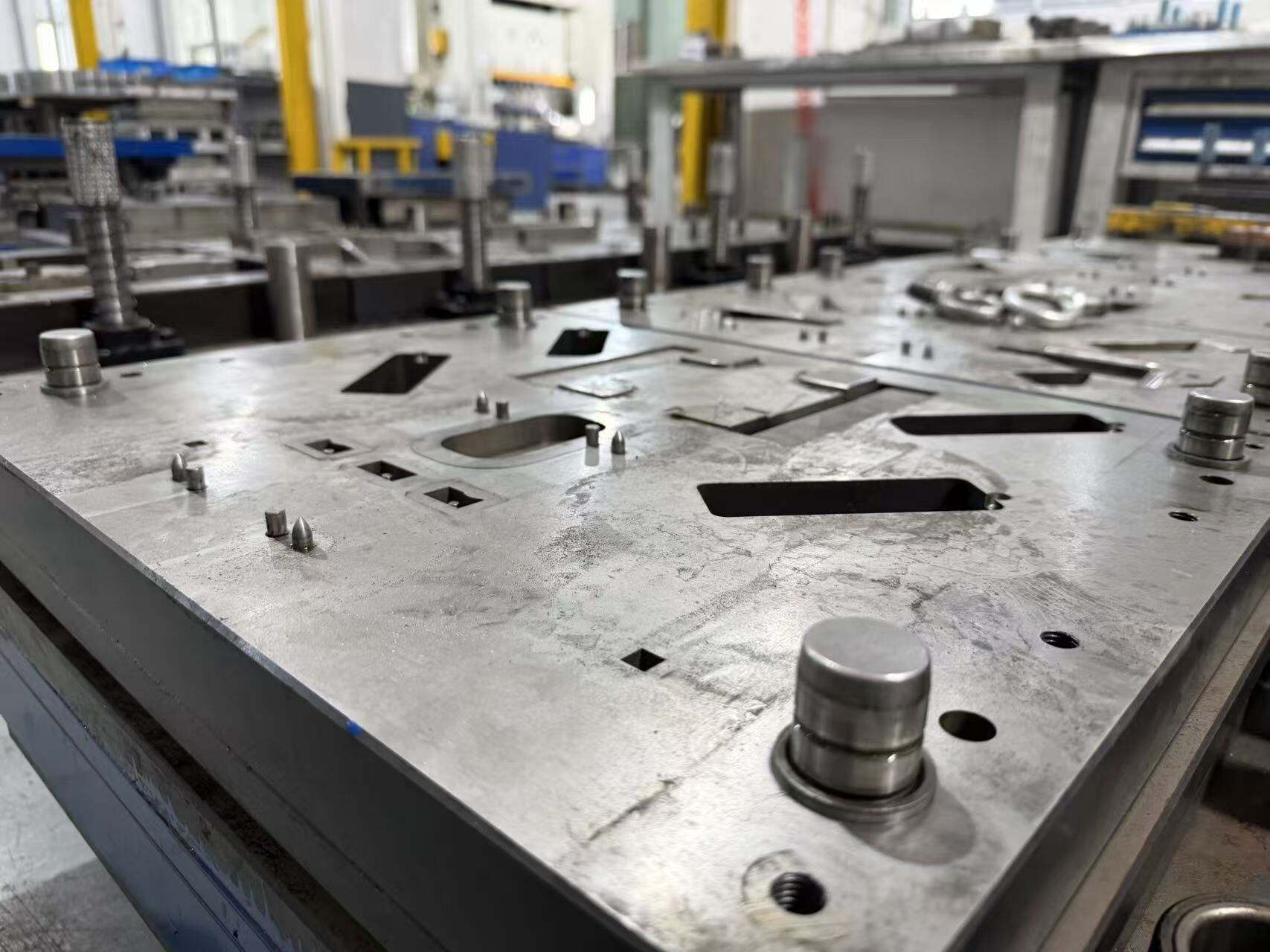
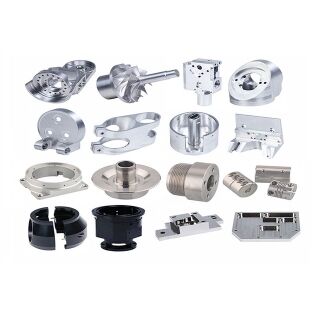
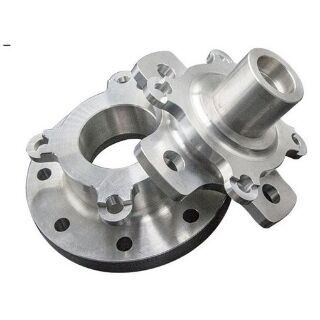
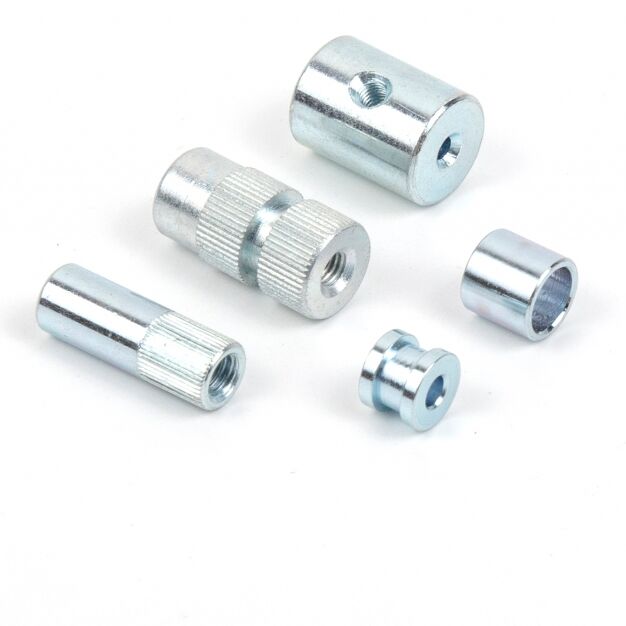
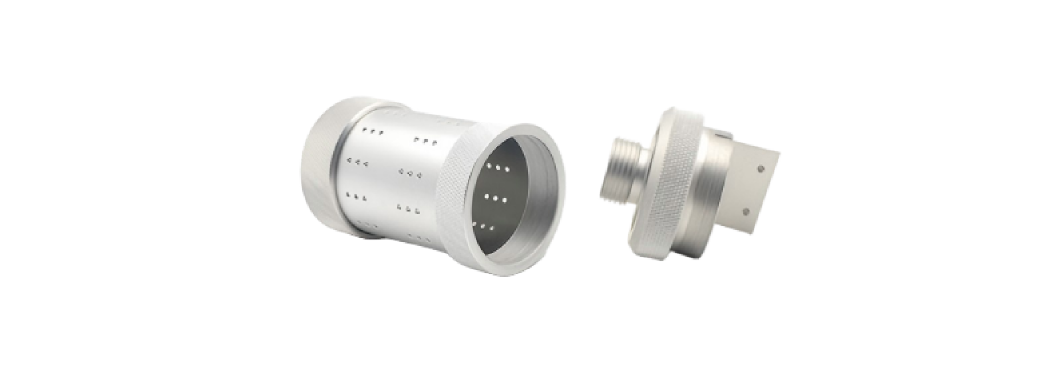
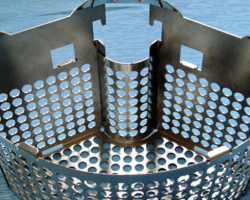
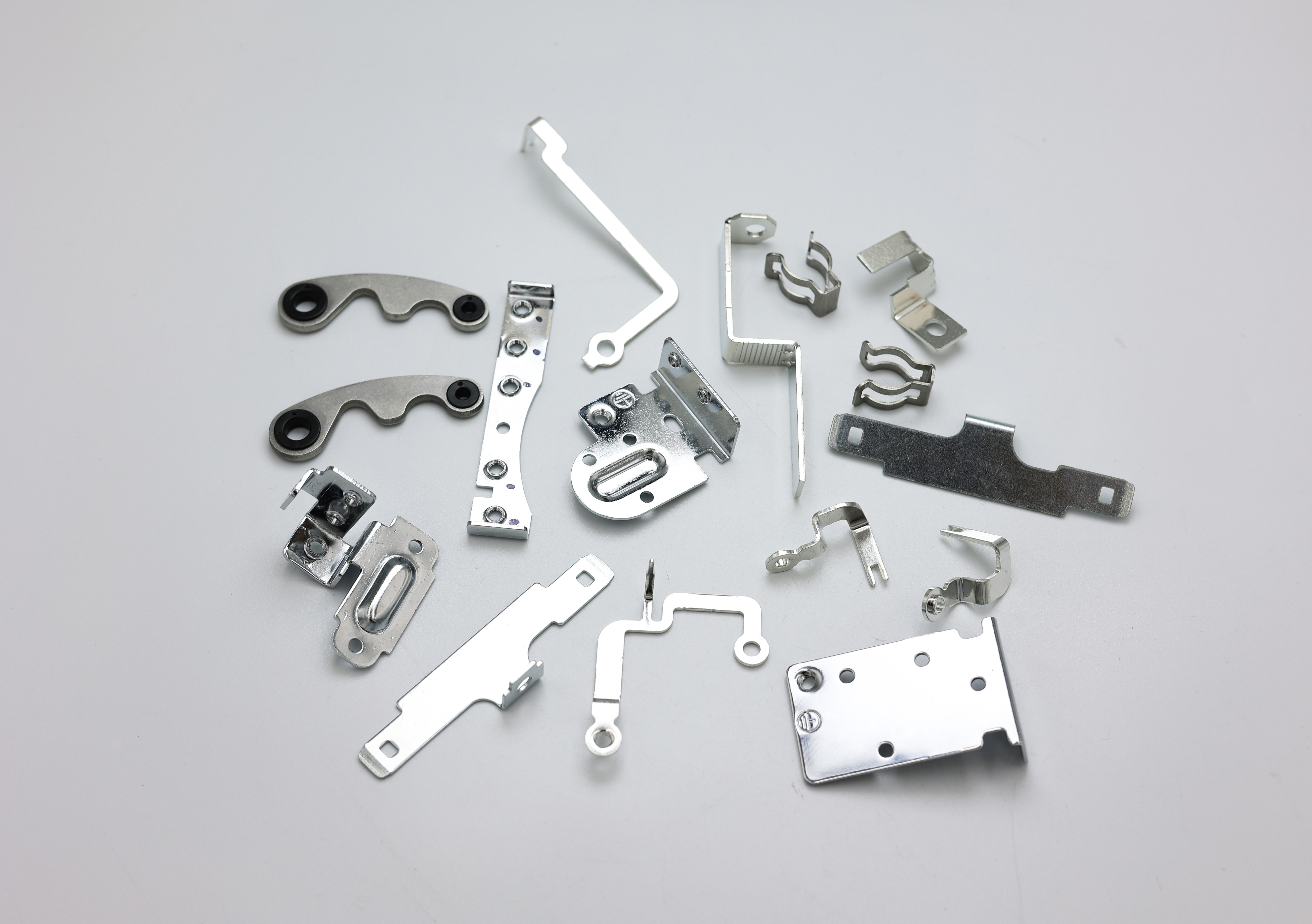
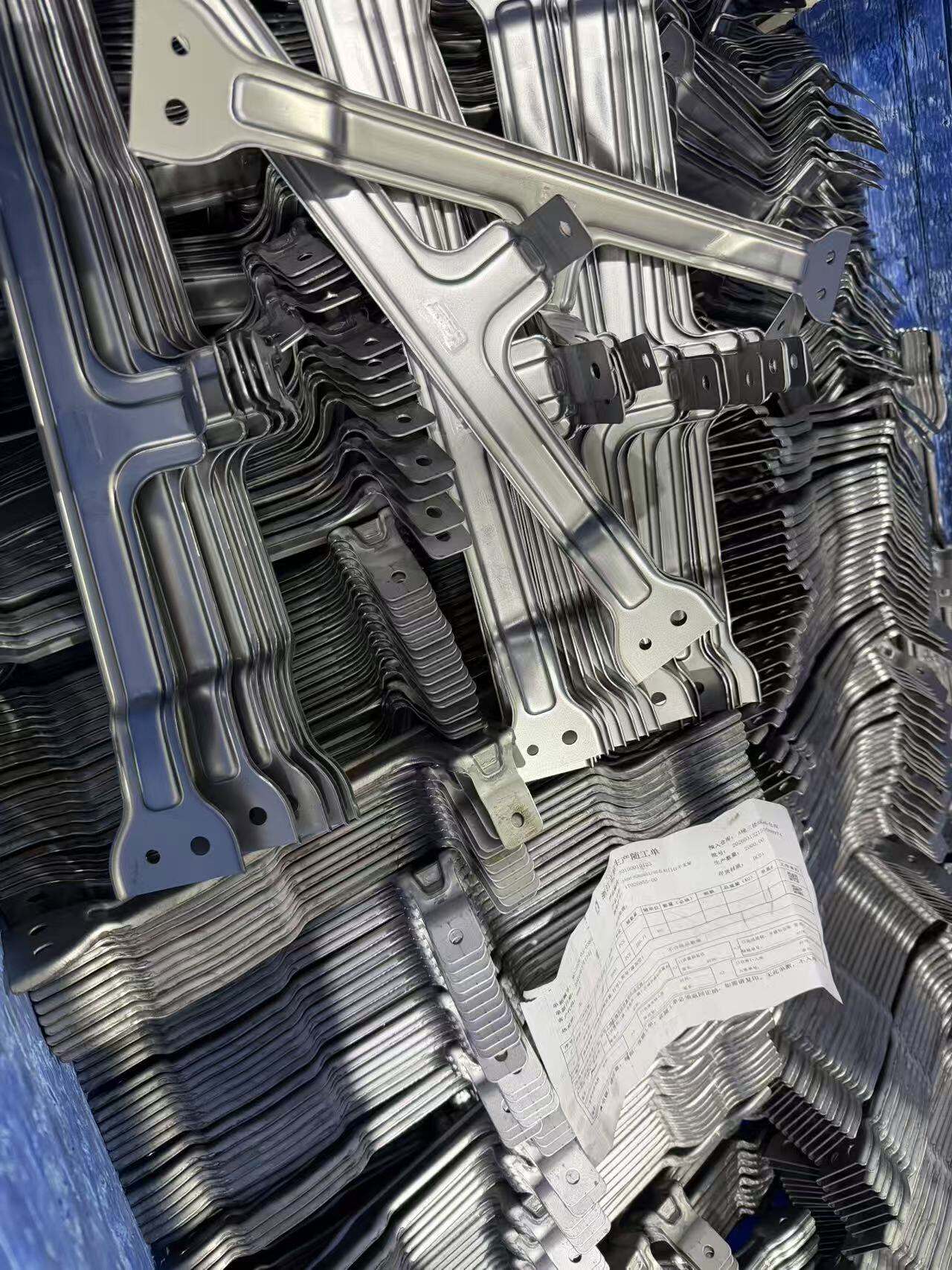
Precision sheet metal parts represent a cornerstone of modern manufacturing, delivering exceptional accuracy and reliability across diverse industrial applications. These components are manufactured through advanced fabrication techniques that transform flat metal sheets into complex three-dimensional shapes while maintaining strict dimensional tolerances. The manufacturing process employs cutting-edge technology including laser cutting, CNC punching, precision forming, and automated bending to achieve remarkable consistency and quality. Precision sheet metal parts are engineered to meet exacting specifications, typically maintaining tolerances within ±0.005 inches or better, making them essential for applications where exact fit and function are critical. The primary functions of these components encompass structural support, protective enclosures, electrical shielding, thermal management, and aesthetic finishing across various industries. Technological features include advanced material selection capabilities, supporting everything from standard steel and aluminum to specialized alloys like stainless steel, titanium, and copper variants. Surface treatment options extend functionality through powder coating, anodizing, plating, and specialized finishes that enhance corrosion resistance, electrical conductivity, or visual appeal. The manufacturing process integrates computer-aided design with automated production systems, ensuring consistent quality while enabling rapid prototyping and scalable production volumes. Applications span automotive components, aerospace assemblies, telecommunications equipment, medical devices, consumer electronics, industrial machinery, and architectural elements. These precision sheet metal parts serve critical roles in electronics enclosures, chassis assemblies, brackets, panels, heat sinks, and decorative trim pieces. The versatility of precision sheet metal fabrication allows for complex geometries including perforations, embossing, welding, and multi-bend configurations that would be impossible or cost-prohibitive with other manufacturing methods. Quality control measures throughout production ensure each component meets stringent requirements for dimensional accuracy, surface finish, and mechanical properties, making precision sheet metal parts indispensable for modern manufacturing excellence.
New Products

Precision sheet metal parts offer substantial cost-effectiveness compared to alternative manufacturing methods, particularly for medium to high-volume production runs. The streamlined fabrication process eliminates expensive tooling requirements associated with casting or forging, while automated equipment reduces labor costs and minimizes human error. This economic advantage extends to material utilization, as advanced nesting software optimizes sheet layouts to minimize waste, directly reducing raw material expenses. The speed of production represents another significant benefit, with modern laser cutting and CNC equipment capable of processing complex parts in minutes rather than hours required by traditional machining methods. This rapid turnaround enables shorter lead times, faster time-to-market, and improved responsiveness to customer demands. Quality consistency stands as a hallmark advantage, with computer-controlled processes ensuring every part meets identical specifications regardless of production volume. Unlike manual fabrication methods prone to variation, precision sheet metal manufacturing delivers repeatable results that eliminate costly rework and assembly issues. Design flexibility provides engineers with virtually unlimited creative possibilities, accommodating complex geometries, integrated features, and aesthetic requirements that enhance both function and appearance. The ability to incorporate bends, cuts, perforations, and forming operations in single setups reduces assembly requirements and associated costs. Material versatility allows selection from extensive options including carbon steel, stainless steel, aluminum, brass, and exotic alloys, each offering specific properties for particular applications. Thickness ranges from ultra-thin foils to heavy gauge plates accommodate diverse structural and functional requirements. Surface finishing capabilities transform basic metal into corrosion-resistant, electrically conductive, or visually appealing components through various coating and treatment processes. Environmental benefits emerge from material recyclability and efficient production processes that minimize waste generation. The durability of precision sheet metal parts ensures long service life, reducing replacement frequency and lifecycle costs. Scalability advantages allow seamless transition from prototype quantities to full production without significant process changes or additional investment. Quality traceability through digital documentation provides complete manufacturing records for regulatory compliance and process improvement initiatives.

Latest News

How To Determine The Chemical Stability Of Materials

10

Mar

How To Determine The Chemical Stability Of Materials

View More
Automotive Armrest Slide Rail Production Factory: The Cradle of Quality and Innovation

10

Mar

Automotive Armrest Slide Rail Production Factory: The Cradle of Quality and Innovation

View More
How To Choose Appropriate Automotive Parts According To Testing Standards

10

Mar

How To Choose Appropriate Automotive Parts According To Testing Standards

View More

Get a Free Quote

Our representative will contact you soon.
Email
Mobile/WhatsApp
Name
Company Name
Message
0/1000

precision sheet metal parts

Exceptional Dimensional Accuracy and Consistency

Exceptional Dimensional Accuracy and Consistency

The dimensional accuracy achieved through precision sheet metal fabrication sets industry standards for manufacturing excellence, delivering components with tolerances consistently within ±0.005 inches across all dimensions. This remarkable precision stems from advanced computer numerical control systems that eliminate human variables while maintaining absolute consistency throughout production runs. The importance of this accuracy cannot be overstated in today's competitive marketplace, where even minor dimensional variations can compromise assembly processes, create costly delays, and damage brand reputation. Modern laser cutting technology provides edge quality superior to traditional cutting methods, producing clean, burr-free cuts that eliminate secondary finishing operations and associated costs. CNC forming equipment ensures bend angles remain within tight specifications, critical for components requiring precise fit with mating parts or assembly into complex systems. This level of accuracy translates directly into reduced assembly time, as parts consistently fit together without adjustment or rework. Quality control systems integrated throughout the manufacturing process monitor dimensional characteristics in real-time, automatically adjusting parameters to maintain optimal results and preventing defective parts from reaching customers. The value proposition extends beyond mere compliance with specifications to encompass improved product performance, enhanced customer satisfaction, and reduced warranty claims. In industries such as aerospace, medical devices, and telecommunications where precision is paramount, this dimensional accuracy becomes a competitive differentiator that enables manufacturers to meet stringent regulatory requirements and customer expectations. The consistency of precision sheet metal parts eliminates the need for extensive inspection and sorting processes typical of less precise manufacturing methods. This reliability allows customers to implement lean manufacturing principles, reducing inventory requirements and improving cash flow. Furthermore, the predictable dimensional characteristics enable design optimization, as engineers can specify tighter tolerances knowing they will be consistently achieved. The cumulative effect of exceptional dimensional accuracy creates value throughout the supply chain, from reduced material handling costs to improved end-product reliability and customer loyalty.
Advanced Material Selection and Surface Treatment Capabilities

Advanced Material Selection and Surface Treatment Capabilities

The extensive material selection available for precision sheet metal parts empowers designers and engineers to optimize component performance for specific applications while maintaining cost-effectiveness and manufacturing efficiency. This comprehensive material portfolio includes standard options like cold-rolled steel and aluminum alloys, alongside specialized materials such as stainless steel grades, titanium, brass, copper, and exotic alloys designed for extreme environments. Each material brings unique properties including strength-to-weight ratios, corrosion resistance, electrical conductivity, thermal characteristics, and magnetic properties that can be matched precisely to application requirements. The significance of proper material selection extends far beyond basic functionality to encompass long-term performance, maintenance requirements, and total cost of ownership. Advanced surface treatment capabilities further enhance material properties, providing options including powder coating for corrosion protection and aesthetic appeal, anodizing for aluminum components requiring enhanced durability, electroplating for improved conductivity or wear resistance, and specialized coatings for extreme temperature or chemical exposure applications. These treatments transform basic metal substrates into high-performance components capable of withstanding harsh operating conditions while maintaining appearance and functionality over extended service periods. The value delivered through optimal material and surface treatment selection includes extended component life, reduced maintenance requirements, improved safety margins, and enhanced aesthetic appeal. In corrosive environments, proper material selection and surface treatment can multiply component lifespan by factors of ten or more compared to untreated alternatives. For electrical applications, specialized coatings can improve conductivity or provide insulation properties essential for safe operation. The expertise required to match materials and treatments to specific applications represents significant added value, as improper selection can lead to premature failure, safety issues, and costly replacements. Modern precision sheet metal fabricators maintain extensive material inventory and processing capabilities, enabling rapid response to diverse customer requirements without compromising quality or delivery schedules. This comprehensive approach to material selection and treatment ensures optimal component performance while maintaining manufacturing efficiency and cost-effectiveness.
Rapid Prototyping and Scalable Production Capabilities

Rapid Prototyping and Scalable Production Capabilities

The inherent flexibility of precision sheet metal fabrication enables seamless transition from concept to production, supporting rapid prototyping that accelerates product development while maintaining identical manufacturing processes for full-scale production. This capability eliminates the traditional barriers between prototype and production phases, where different manufacturing methods often require design modifications that compromise original intent or performance characteristics. Modern fabrication equipment can process single prototype parts with the same precision and quality as thousand-piece production runs, enabling true design verification and functional testing before committing to volume production. The importance of this capability in today's fast-paced marketplace cannot be overstated, as shortened development cycles and faster time-to-market often determine competitive success. Digital manufacturing processes allow design changes to be implemented immediately without tooling modifications or setup delays, enabling iterative development approaches that optimize performance and cost-effectiveness. The value proposition includes reduced development costs, shortened project timelines, improved design validation, and enhanced confidence in production readiness. Scalability advantages extend beyond simple volume increases to encompass manufacturing flexibility that accommodates demand fluctuations without capacity constraints or quality compromises. Advanced nesting software optimizes material utilization regardless of production quantities, maintaining cost-effectiveness across the entire volume spectrum. Automated equipment scheduling systems manage production workflows efficiently, ensuring consistent delivery performance whether processing prototype quantities or full production runs. This scalability provides customers with operational flexibility essential for managing market uncertainties and seasonal demand variations. The ability to ramp production quickly enables responsive supply chain management, reducing inventory carrying costs while maintaining service levels. Quality systems maintain identical standards across all production volumes, ensuring prototype performance translates directly to production components without variation or degradation. Documentation and traceability systems provide complete manufacturing records from prototype through production, supporting regulatory compliance and continuous improvement initiatives. The cumulative effect of rapid prototyping and scalable production capabilities creates competitive advantages including faster product launches, reduced development risks, improved market responsiveness, and enhanced customer satisfaction through reliable delivery performance and consistent quality standards.

Get a Free Quote

Our representative will contact you soon.
Email
Mobile/WhatsApp
Name
Company Name
Message
0/1000