Premium Aluminum Sheet Metal Parts - Lightweight, Durable Solutions for Industrial Applications

All Categories

Get a Free Quote

Our representative will contact you soon.
Email
Mobile/WhatsApp
Name
Company Name
Message
0/1000

aluminum sheet metal parts

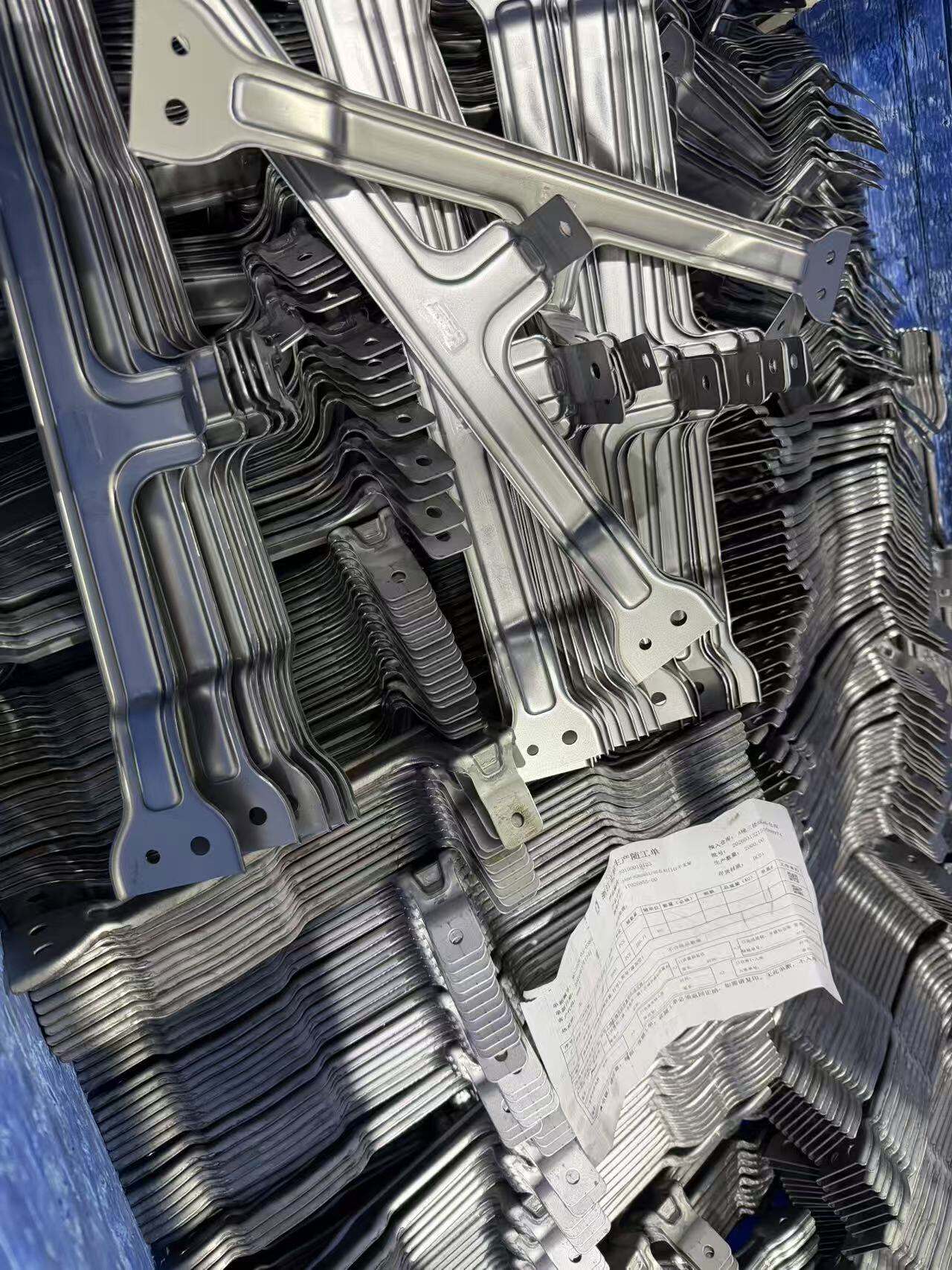
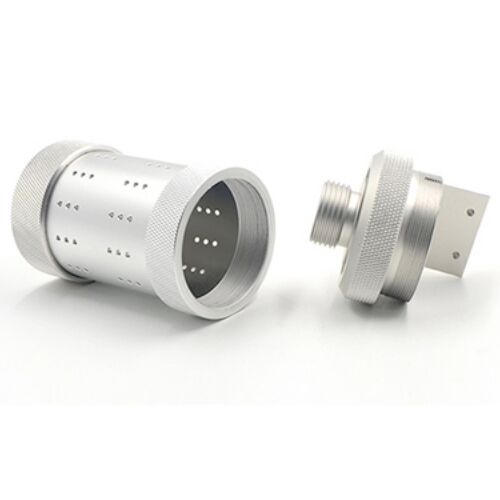
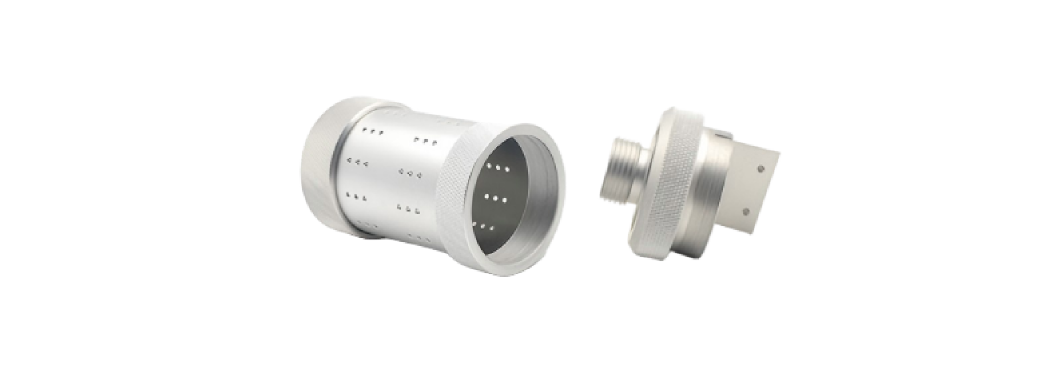
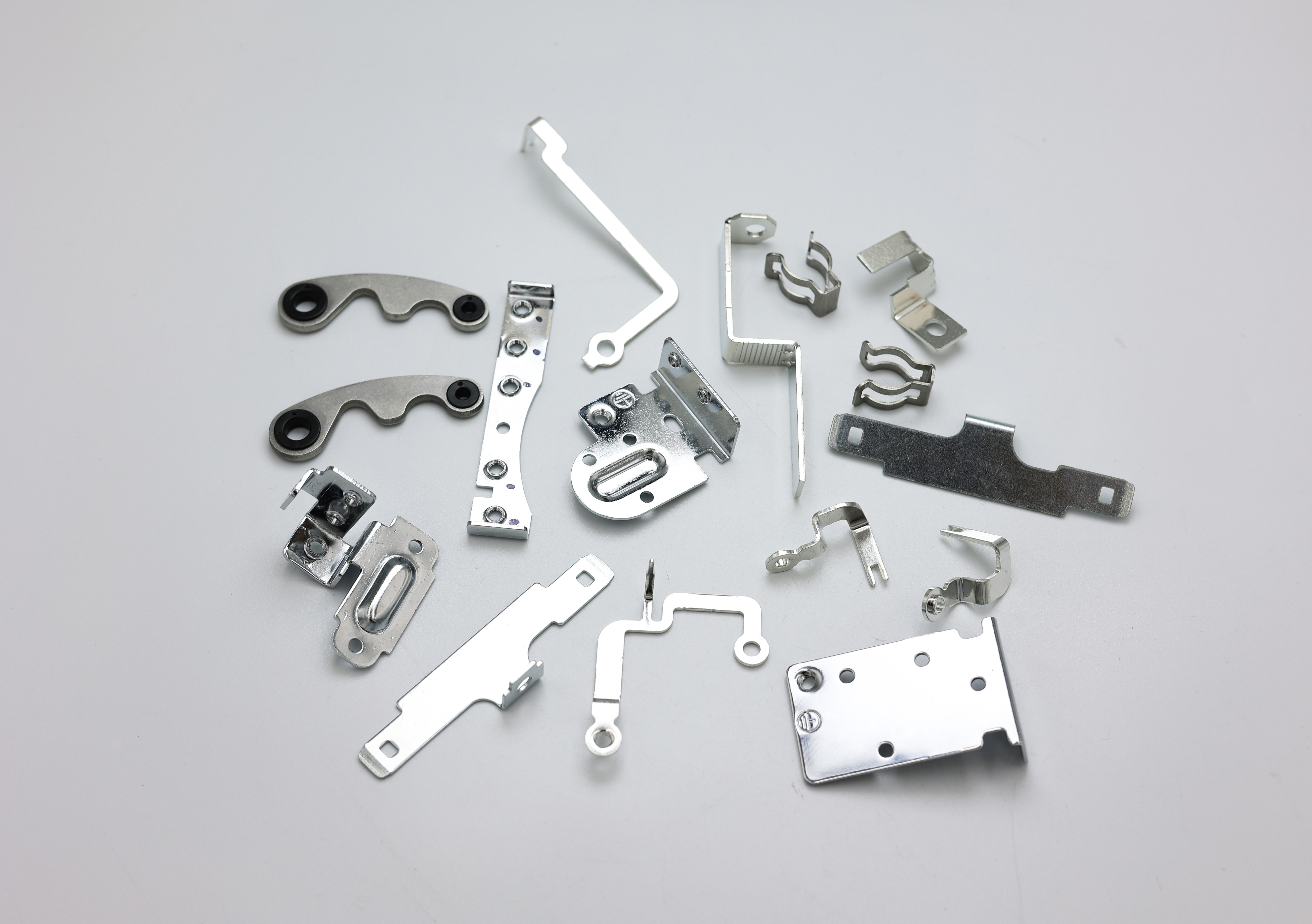
Aluminum sheet metal parts represent a fundamental component in modern manufacturing, offering exceptional versatility and performance across diverse industries. These precision-engineered components are created through sophisticated fabrication processes that transform raw aluminum sheets into functional parts designed for specific applications. The primary function of aluminum sheet metal parts lies in their ability to provide structural integrity, protective barriers, and aesthetic appeal while maintaining optimal weight-to-strength ratios. Their technological features encompass advanced forming capabilities, precise dimensional tolerances, and superior surface finishing options that meet stringent quality standards. Manufacturing processes such as laser cutting, punching, bending, and welding enable the production of complex geometries with remarkable accuracy. The inherent properties of aluminum, including corrosion resistance, electrical conductivity, and thermal management capabilities, make these parts indispensable in numerous sectors. Applications span automotive body panels, aerospace structural components, electronic enclosures, HVAC systems, architectural elements, and marine equipment. The aerospace industry particularly values aluminum sheet metal parts for their lightweight characteristics that contribute to fuel efficiency without compromising structural safety. Electronic manufacturers utilize these components for heat dissipation and electromagnetic shielding in sensitive equipment. Construction projects incorporate aluminum sheet metal parts in roofing systems, facades, and interior fixtures due to their weather resistance and low maintenance requirements. Food processing facilities rely on their hygienic properties and easy cleaning capabilities. The automotive sector benefits from their crash absorption characteristics and design flexibility for complex body shapes. Medical equipment manufacturers appreciate their biocompatibility and sterilization resistance. These parts undergo rigorous quality control measures including dimensional inspection, material certification, and performance testing to ensure compliance with industry specifications and customer requirements.

New Products

Aluminum sheet metal parts deliver outstanding benefits that make them the preferred choice for countless applications across multiple industries. The lightweight nature of these components significantly reduces overall product weight, leading to improved fuel efficiency in vehicles, lower shipping costs, and easier installation procedures. This weight advantage translates directly into cost savings throughout the product lifecycle. Corrosion resistance stands as another major benefit, as aluminum naturally forms a protective oxide layer that prevents rust and deterioration, even in harsh environmental conditions. This characteristic eliminates the need for frequent replacements and reduces maintenance expenses over time. The exceptional strength-to-weight ratio ensures reliable performance under demanding conditions while maintaining structural integrity. Manufacturers appreciate the excellent formability of aluminum sheet metal parts, which allows for complex designs and intricate shapes that would be difficult or impossible to achieve with other materials. The material responds well to various forming processes including deep drawing, stamping, and roll forming, enabling cost-effective production of sophisticated components. Thermal conductivity properties make these parts ideal for heat management applications, efficiently dissipating heat in electronic devices and automotive systems. Electrical conductivity offers additional functionality in applications requiring conductive pathways. The recyclability of aluminum sheet metal parts supports environmental sustainability initiatives, as the material can be recycled repeatedly without losing its essential properties. This eco-friendly characteristic appeals to environmentally conscious consumers and helps companies meet sustainability goals. Surface treatment options provide enhanced functionality and aesthetic appeal through anodizing, powder coating, or painting processes. These treatments improve wear resistance, provide color options, and extend service life. Cost-effectiveness emerges through reduced material usage, lower transportation costs, simplified assembly procedures, and extended operational lifespan. The compatibility with modern manufacturing technologies, including computer-controlled machining and automated assembly systems, streamlines production processes and improves consistency. Quality assurance benefits include predictable performance characteristics, consistent material properties, and reliable dimensional stability across production runs.

Practical Tips

How To Determine The Chemical Stability Of Materials

10

Mar

How To Determine The Chemical Stability Of Materials

View More
How To Choose Appropriate Automotive Parts According To Testing Standards

10

Mar

How To Choose Appropriate Automotive Parts According To Testing Standards

View More

Get a Free Quote

Our representative will contact you soon.
Email
Mobile/WhatsApp
Name
Company Name
Message
0/1000

aluminum sheet metal parts

Superior Corrosion Resistance and Durability

Superior Corrosion Resistance and Durability

The exceptional corrosion resistance of aluminum sheet metal parts represents one of their most valuable characteristics, providing long-term performance and reliability in challenging environments. This natural protection occurs through the formation of a thin, invisible aluminum oxide layer that develops immediately when the metal surface contacts oxygen. This protective barrier effectively prevents further oxidation and corrosion, making these parts suitable for outdoor applications, marine environments, and chemical processing facilities. Unlike steel components that require protective coatings or treatments to prevent rust, aluminum sheet metal parts maintain their integrity without additional surface protection in most applications. This inherent corrosion resistance translates into significant cost savings through reduced maintenance requirements, extended service intervals, and elimination of protective coating applications. The durability factor becomes particularly important in automotive applications where road salt, moisture, and temperature fluctuations create harsh operating conditions. Aluminum sheet metal parts in vehicle body panels, trim components, and structural elements resist corrosion damage that would compromise both appearance and structural integrity. Architectural applications benefit enormously from this characteristic, as building facades, roofing systems, and window frames maintain their appearance and functionality for decades without deterioration. Marine environments present extreme corrosion challenges due to saltwater exposure, yet aluminum sheet metal parts perform reliably in boat hulls, deck equipment, and offshore structures. The food processing industry values this corrosion resistance for equipment that undergoes frequent washing with harsh cleaning chemicals and sanitizers. Chemical processing facilities utilize aluminum sheet metal parts in tanks, piping, and equipment housings where exposure to corrosive substances is routine. The pharmaceutical industry relies on this property for equipment that must withstand aggressive cleaning and sterilization procedures. This durability advantage extends product lifecycles, reduces replacement frequencies, and minimizes unexpected failures that could result in costly downtime or safety hazards.
Exceptional Lightweight Performance Without Strength Compromise

Exceptional Lightweight Performance Without Strength Compromise

The remarkable lightweight characteristics of aluminum sheet metal parts deliver transformative benefits across industries where weight reduction directly impacts performance, efficiency, and operational costs. Aluminum possesses a density approximately one-third that of steel, yet engineered aluminum sheet metal parts maintain comparable or superior strength through advanced alloy compositions and manufacturing techniques. This weight advantage creates cascading benefits throughout product design and operation phases. In automotive applications, weight reduction from aluminum sheet metal parts improves fuel economy, reduces emissions, and enhances vehicle handling characteristics. Every pound of weight saved in vehicle construction translates to measurable fuel savings over the vehicle's operational lifetime. Aerospace applications leverage this weight benefit even more dramatically, as reduced aircraft weight directly correlates to improved fuel efficiency, increased payload capacity, and extended range capabilities. The transportation industry experiences significant cost reductions through lower shipping expenses when products incorporate lightweight aluminum sheet metal parts instead of heavier alternatives. Installation procedures become simpler and safer when workers handle lighter components, reducing labor costs and minimizing workplace injury risks. Portable equipment benefits tremendously from weight reduction, as handheld tools, mobile electronics, and recreational equipment become more user-friendly and less fatiguing during extended use. Structural applications in construction utilize aluminum sheet metal parts to reduce building loads, potentially allowing for smaller foundations and support structures, which decreases overall construction costs. Manufacturing processes benefit from reduced material handling requirements, lower energy consumption during forming operations, and decreased wear on production equipment. The strength characteristics of modern aluminum alloys ensure that weight reduction does not compromise structural integrity or safety margins. Advanced heat treatment processes and alloy development create aluminum sheet metal parts that exceed strength requirements while maintaining their lightweight advantages. Quality control procedures verify that these parts meet or exceed specified strength parameters through rigorous testing protocols including tensile testing, fatigue analysis, and impact resistance evaluation.
Versatile Manufacturing Capabilities and Design Flexibility

Versatile Manufacturing Capabilities and Design Flexibility

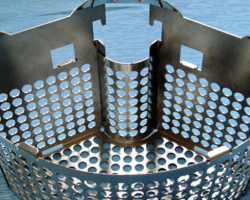
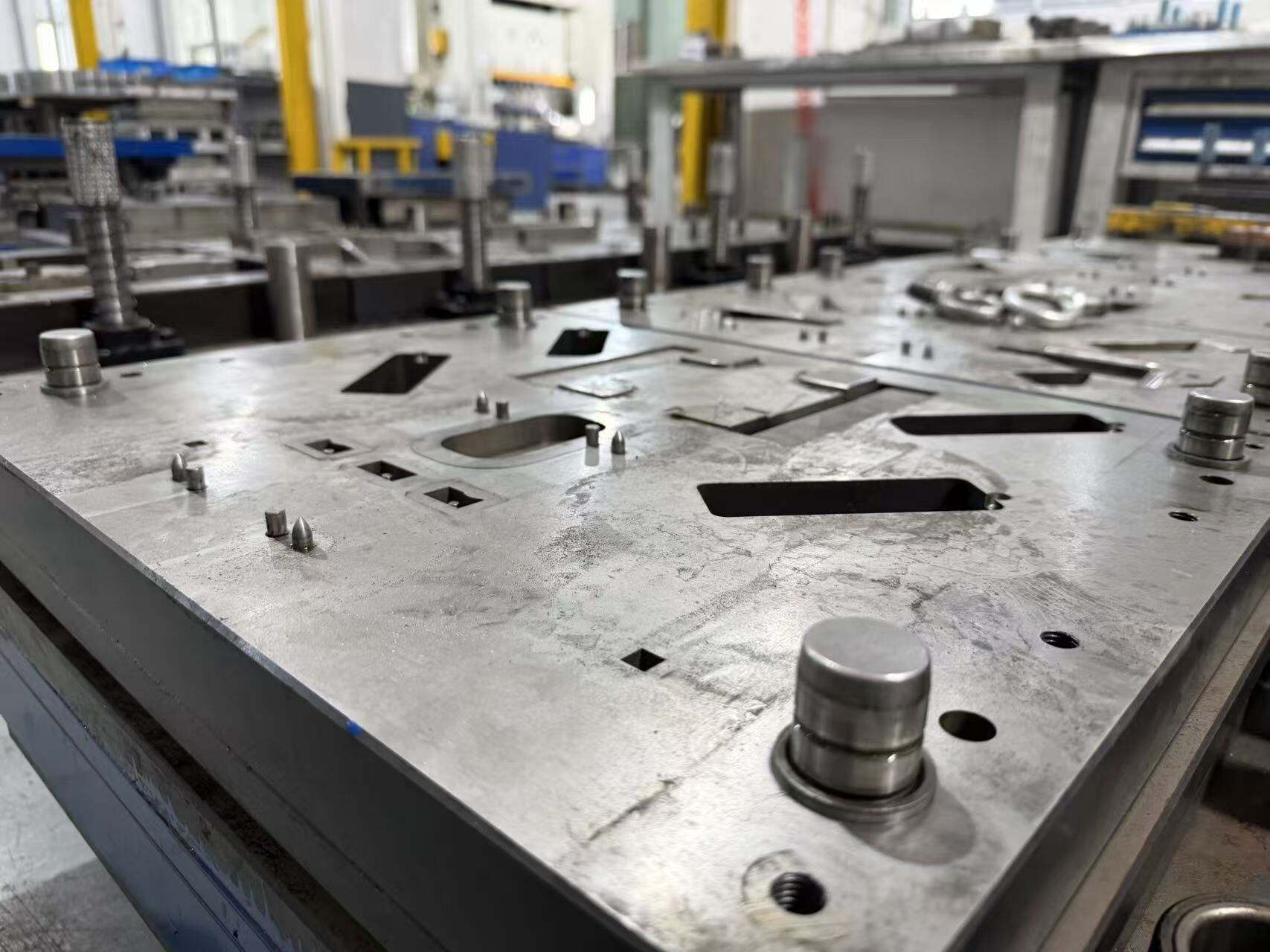
The exceptional manufacturing versatility of aluminum sheet metal parts enables designers and engineers to create complex, innovative solutions that meet precise specifications while maintaining cost-effectiveness and production efficiency. This versatility stems from aluminum's excellent formability characteristics, which allow the material to undergo various shaping processes without cracking, tearing, or losing structural integrity. Deep drawing operations can transform flat aluminum sheets into complex three-dimensional shapes with tight radii and intricate contours that would be impossible with less malleable materials. Stamping processes achieve precise dimensional tolerances while creating features such as holes, slots, embossed patterns, and formed edges in single operations, reducing assembly requirements and improving part consistency. Bending operations produce accurate angles and curves without material degradation, enabling the creation of brackets, housings, and structural components with multiple bends and complex geometries. Laser cutting technology provides exceptional precision when creating aluminum sheet metal parts, producing clean edges with minimal heat-affected zones and maintaining tight dimensional tolerances even in intricate patterns. Waterjet cutting offers another precision option for thicker aluminum sheets, creating parts with smooth edges and no thermal distortion. Welding capabilities allow for the assembly of complex structures from multiple aluminum sheet metal parts, with various welding techniques including TIG, MIG, and laser welding providing options for different application requirements. Surface finishing options expand design possibilities through anodizing processes that provide color choices, improved wear resistance, and enhanced corrosion protection. Powder coating and liquid painting systems offer additional aesthetic and protective options with virtually unlimited color selections. Machining operations can add precise features such as threads, counterbores, and tight-tolerance holes to stamped or formed parts, combining multiple manufacturing processes for optimal results. The compatibility of aluminum sheet metal parts with modern manufacturing technologies including computer-controlled equipment, robotic handling systems, and automated assembly processes streamlines production and improves quality consistency. Prototyping capabilities allow for rapid development and testing of new designs before committing to production tooling, reducing development costs and time-to-market intervals.
Get a Free Quote

Our representative will contact you soon.
Email
Mobile/WhatsApp
Name
Company Name
Message
0/1000