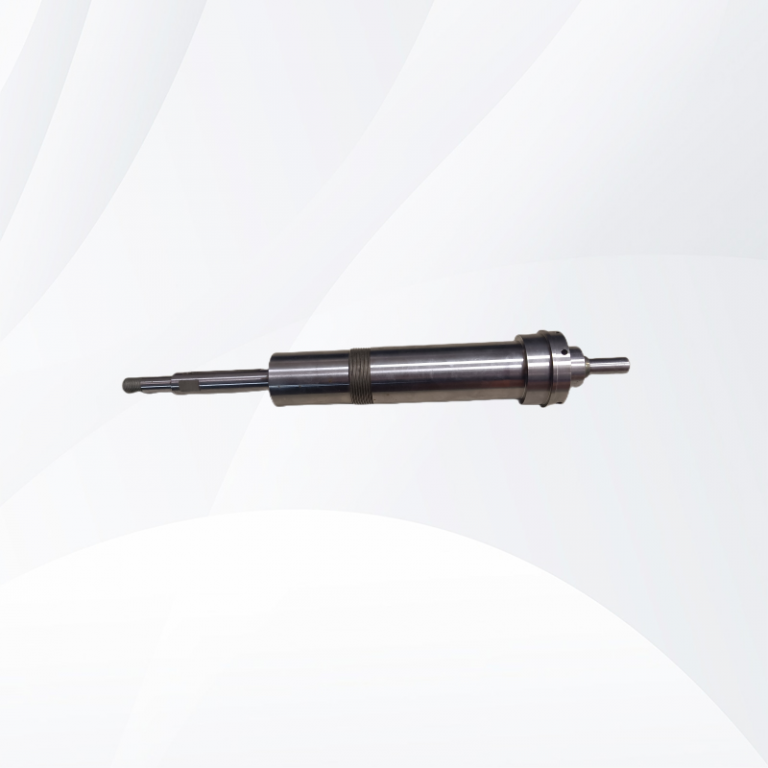
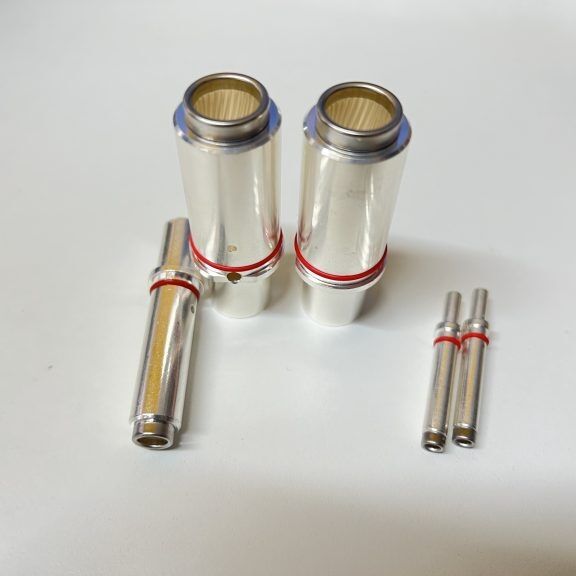
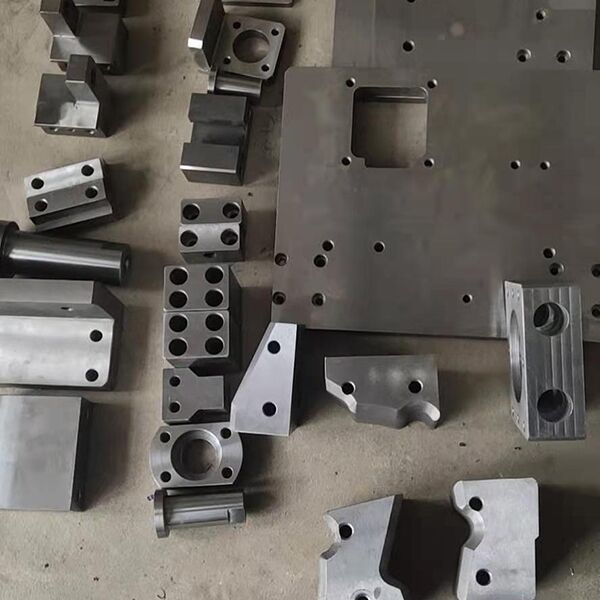
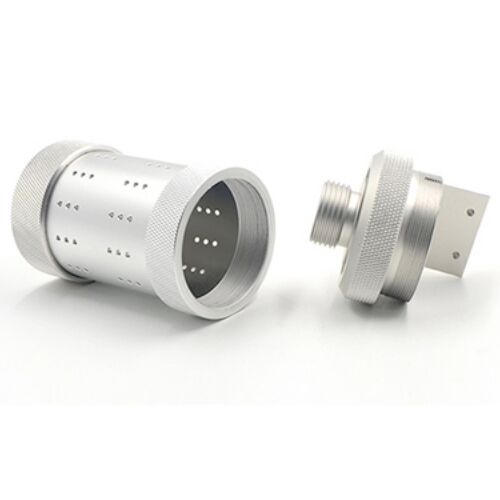
partes ex lamina aluminium
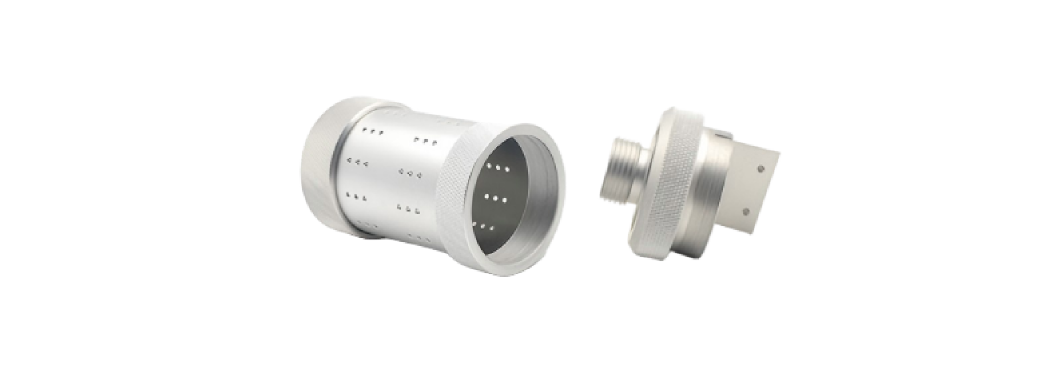
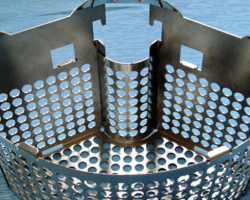
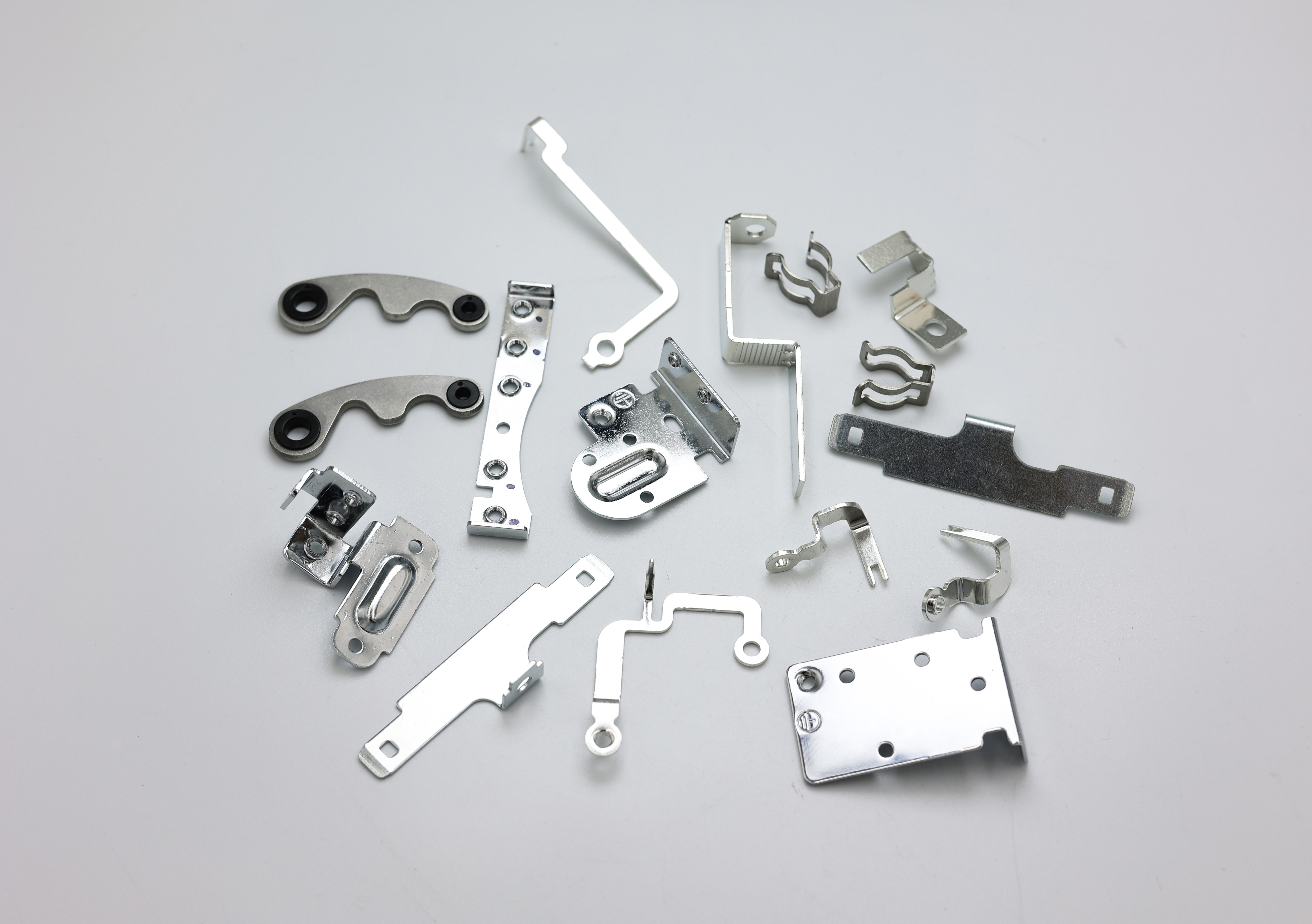
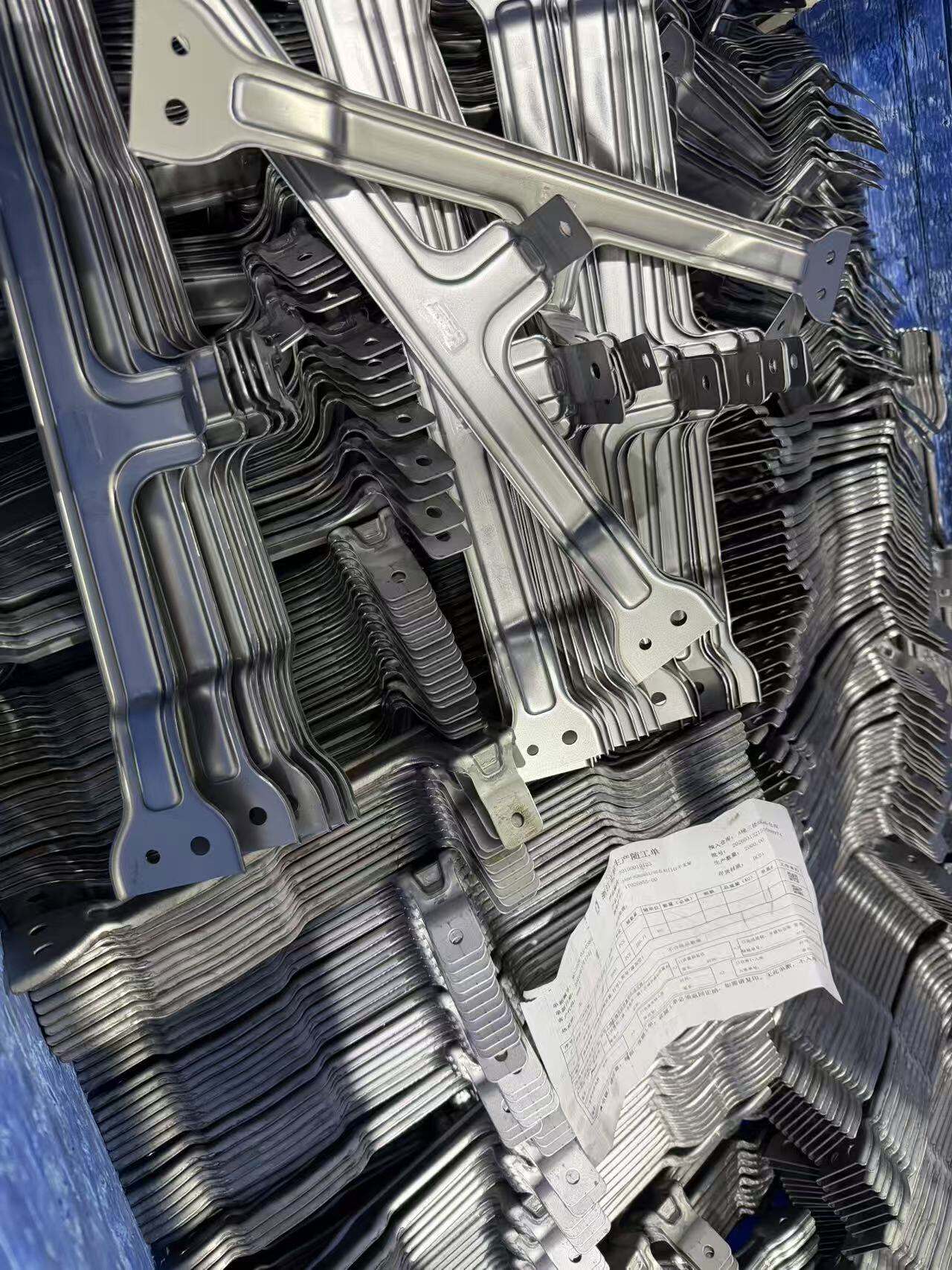
Partes ex lamina alluminii sunt elementum fundamentale in fabrica moderna, praebentes egregiam versatilitatem et praestantiam per varia artificia. Haec componentia exacte fabricata fiunt per processus sophistici quibus laminae alluminii ad partes functionales transformantur, quae ad usus certos destinatae sunt. Functio principalis partium ex lamina alluminii in eo consistit, ut integritatem structuralem, barrierae protectivas et speciem pulchram praebere possint, dum rationem optimam inter pondus et vim servent. Proprietates technologicae earum continent facultates formatrices provectas, tolerationes dimensionales exactas, et optima optiones finitionis superficiei, quae severissimis normis qualitatis satisfaciunt. Processus fabricandi, ut sectio per laserem, perforatio, flexio et soldatura, productionem geometriarum complexarum cum mirabili accurate permittunt. Proprietates naturales alluminii, inter quas resistentia ad corrosionem, conductibilitas electrica et facultas gestionis thermicae, has partes in multis sectoribus indispensabiles reddunt. Usus eorum patent a pannellis corporis automobilium, ad componentia structurales aerospacia, ad clausuras electronicas, ad systemata HVAC, ad elementa architectonica, ad instrumenta maritima. Industria aerospacia praesertim partes ex lamina alluminii probat pro levi gravitate earum, quae ad efficientiam combustibilis confert sine detrimento salutis structurales. Fabricatores electronicorum has partes ad dispersionem caloris et ad scutum electromagneticum in instrumentis sensibilibus utuntur. In operibus aedificandi partes ex lamina alluminii in systematibus tectorum, in faciadibus et in fixationibus interioribus adhibentur propter resistentiam ad tempestatem et exiguum opus custodiae. In fabricis ciborum hae partes propter proprietates hygienicas et facilitatem mundandi fiduciam habent. Sector automobilis ab earum facultatibus absorbendi impetus et a flexibilitate formae pro corporibus complexis proficit. Fabricatores instrumentorum medicorum earum biocompatibilitatem et resistentiam ad sterilizationem laudant. Haec autem partes per rigorosas inspectiones qualitatis, ut inspexio dimensionum, certificatio materiae et experimenta praestantiae, transeunt, ut ad normas industriales et ad postulationes clientium satisfaciant.

 EN
EN