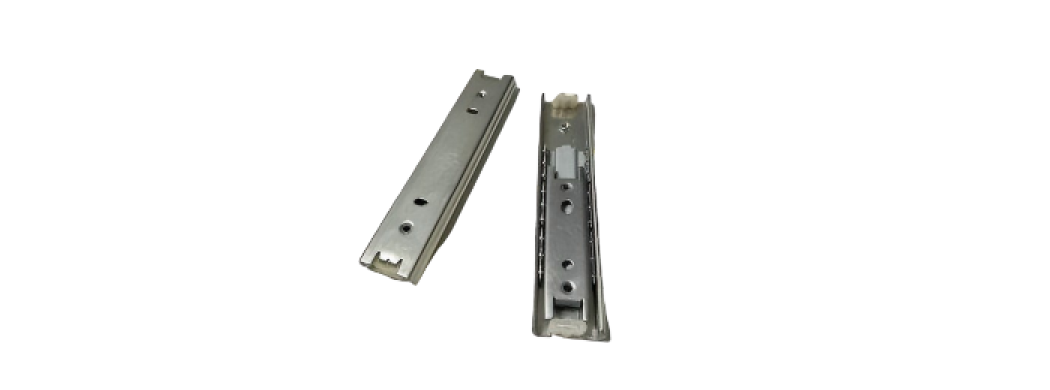
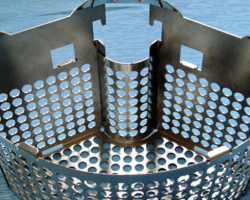
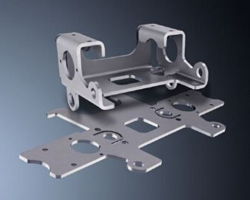
metal fabricated parts
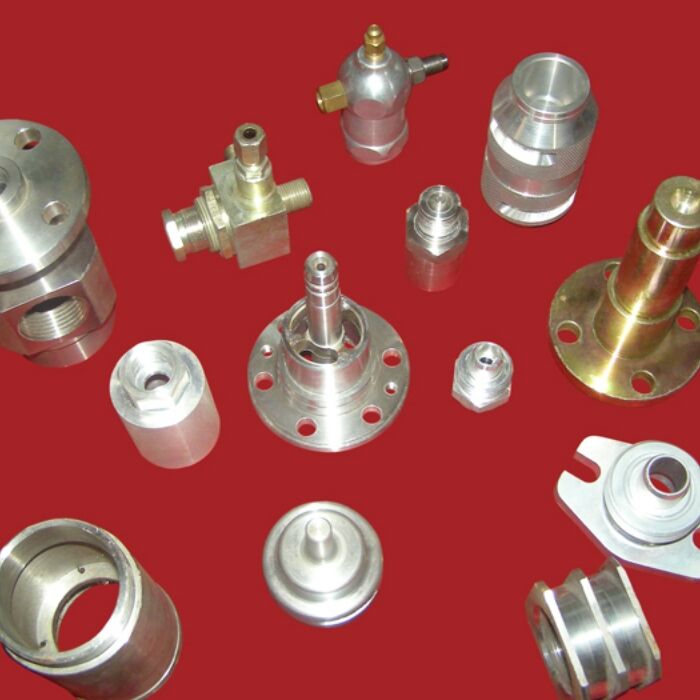
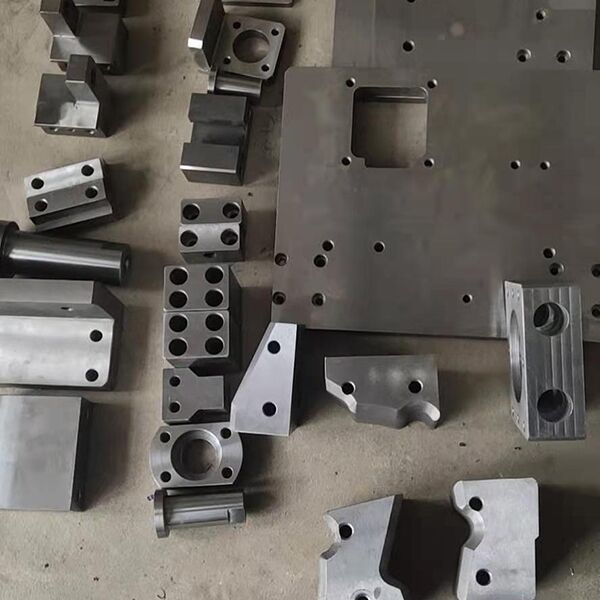
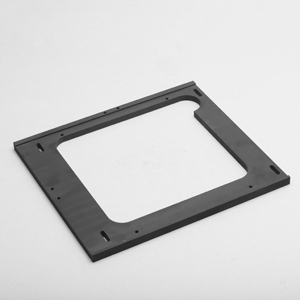
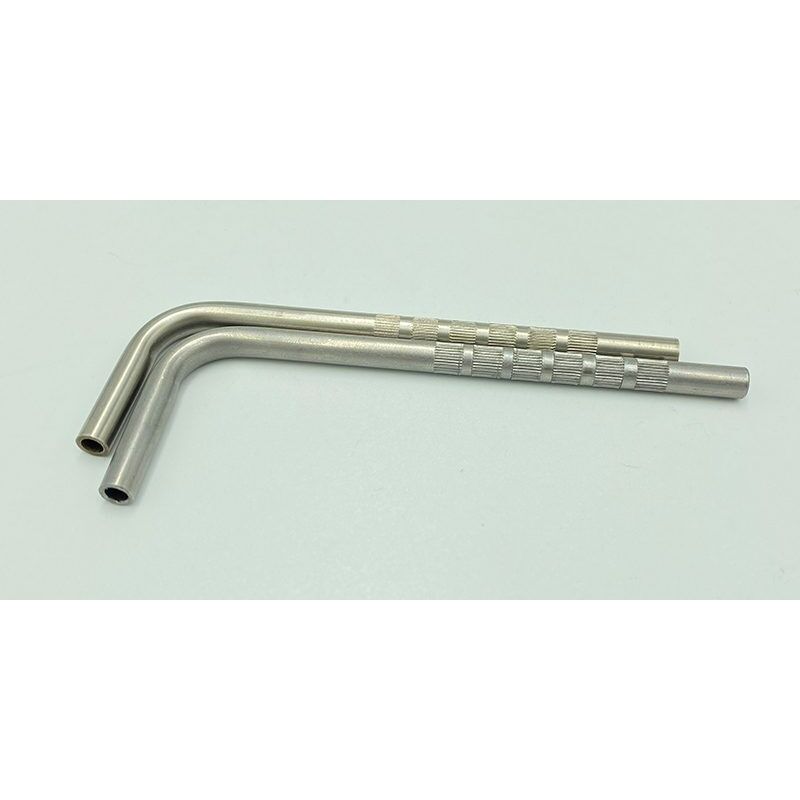
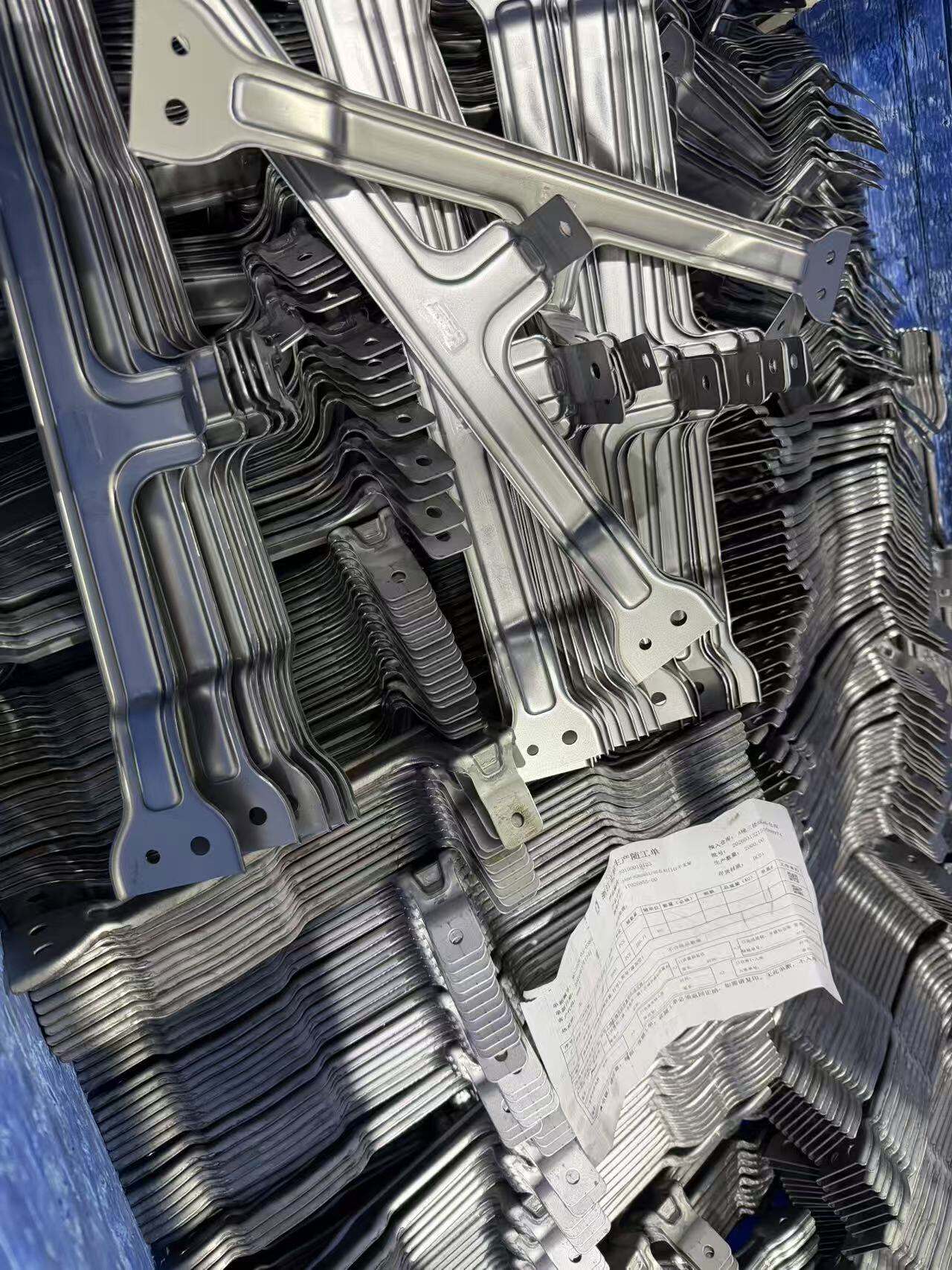
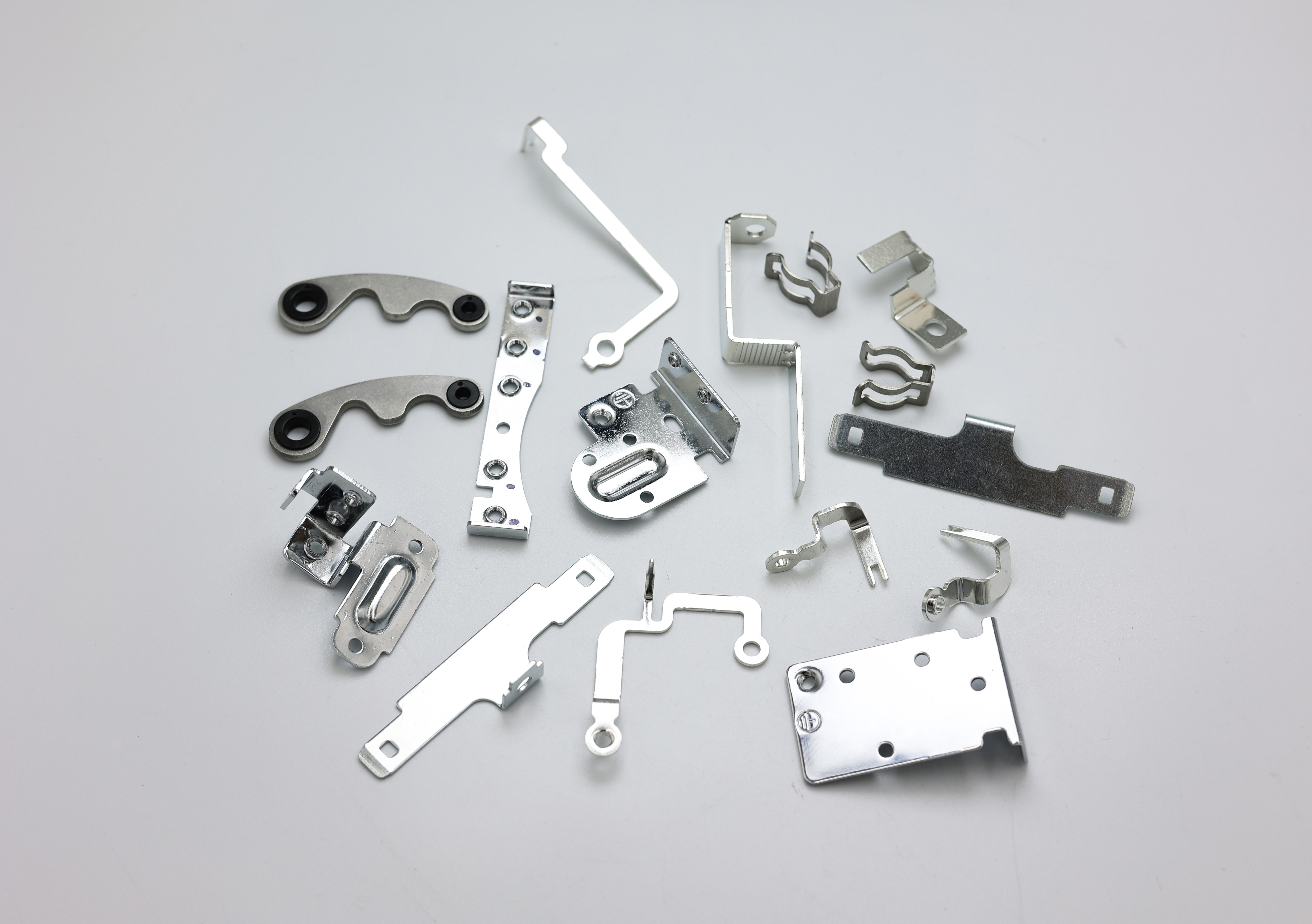
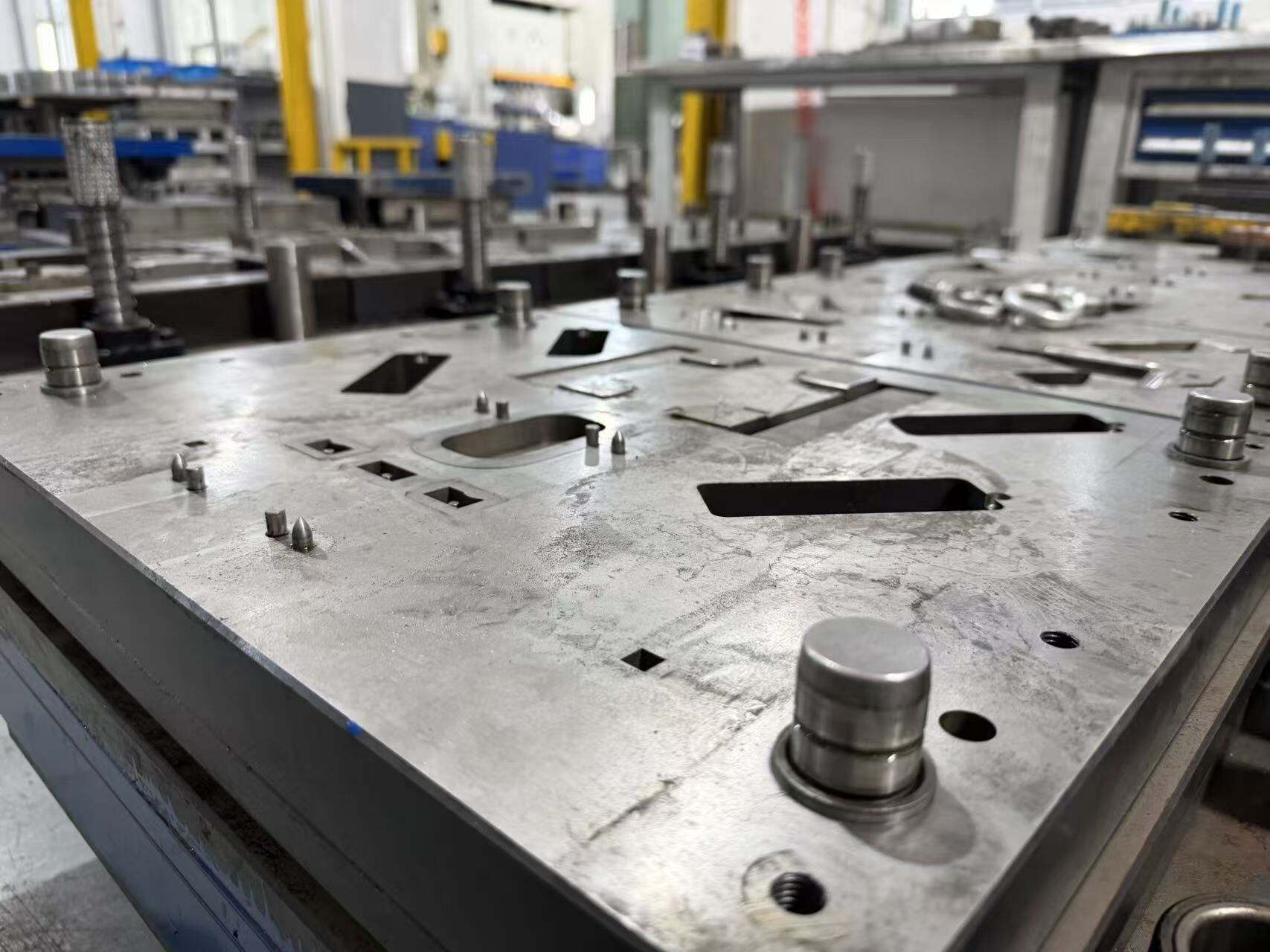
Metal fabricated parts represent precision-engineered components created through advanced manufacturing processes that transform raw metal materials into functional, high-performance products. These sophisticated components serve as the backbone of countless industries, from aerospace and automotive to construction and electronics. The fabrication process involves cutting, bending, welding, machining, and assembling various metals including steel, aluminum, stainless steel, copper, and specialized alloys to create custom solutions that meet exact specifications. Modern metal fabricated parts utilize state-of-the-art technologies such as computer numerical control (CNC) machining, laser cutting, plasma cutting, and robotic welding systems. These technological advancements ensure exceptional dimensional accuracy, consistent quality, and rapid production capabilities. The versatility of metal fabricated parts allows manufacturers to produce everything from simple brackets and housings to complex assemblies and intricate mechanical components. Quality control measures throughout the fabrication process guarantee that each part meets stringent industry standards and customer requirements. Surface treatments and finishing options further enhance the performance characteristics of metal fabricated parts, providing improved corrosion resistance, wear protection, and aesthetic appeal. The integration of computer-aided design (CAD) and computer-aided manufacturing (CAM) systems enables seamless transition from concept to production, reducing lead times and minimizing errors. Metal fabricated parts find extensive applications across diverse sectors including medical devices, renewable energy systems, telecommunications equipment, industrial machinery, and consumer products. The scalability of modern fabrication facilities allows for both prototype development and high-volume production runs, making metal fabricated parts suitable for startups and Fortune 500 companies alike. Environmental considerations have driven innovations in sustainable fabrication practices, including material recycling programs and energy-efficient manufacturing processes that reduce the carbon footprint of metal fabricated parts production.

 EN
EN