Premium Sheet Metal Fabrication Parts | Precision Engineering & Custom Solutions

All Categories

Get a Free Quote

Our representative will contact you soon.
Email
Mobile/WhatsApp
Name
Company Name
Message
0/1000

sheet metal fabrication parts

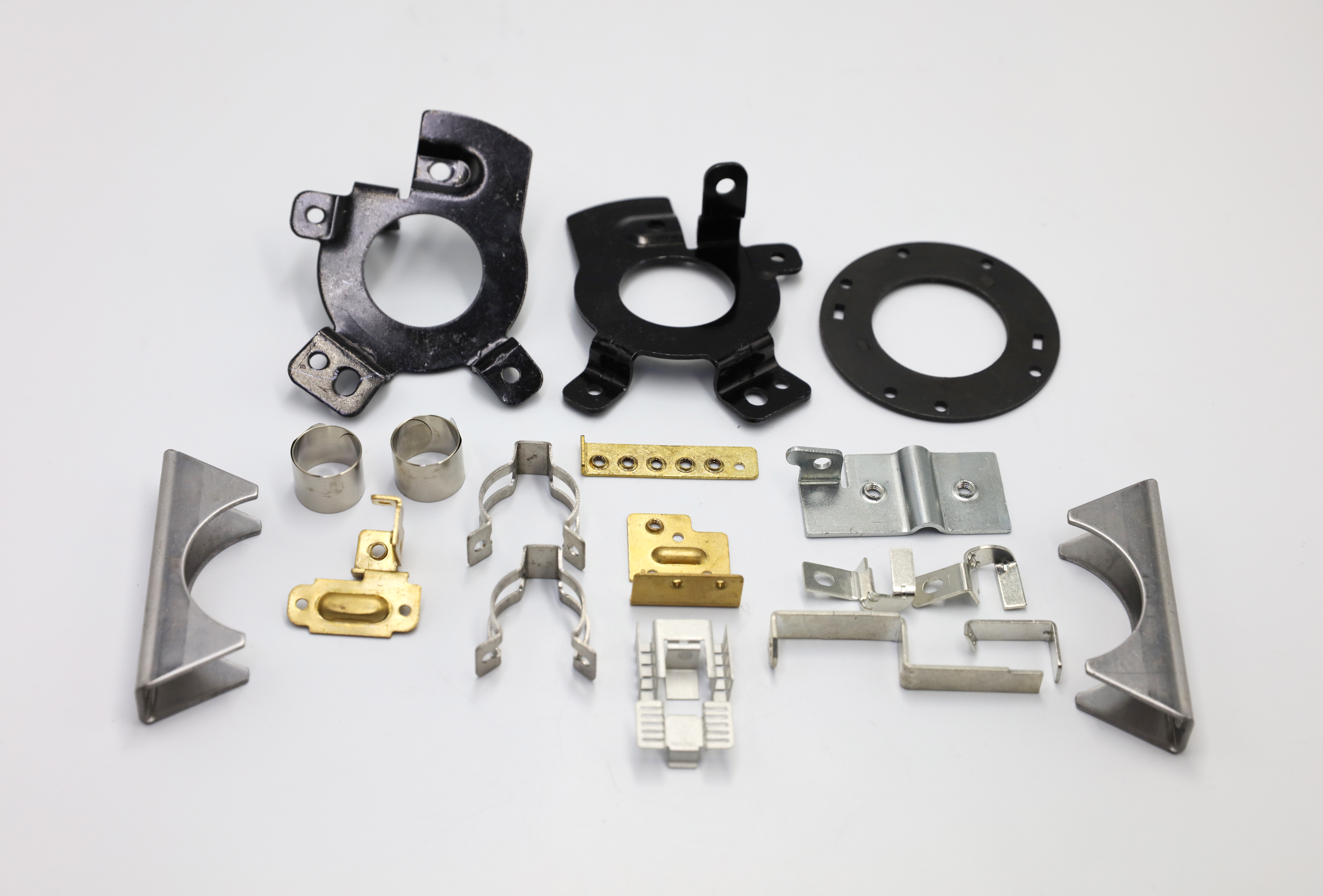
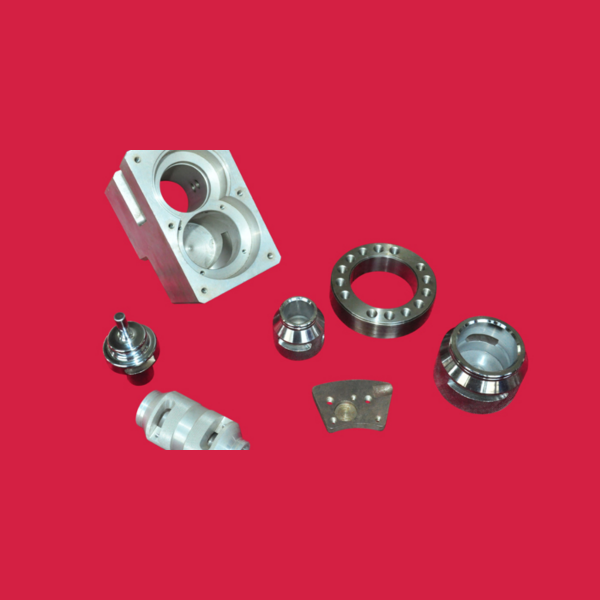
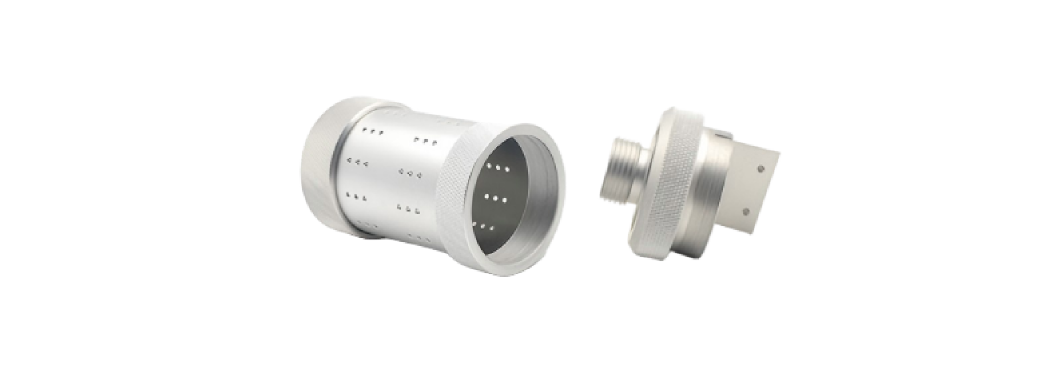
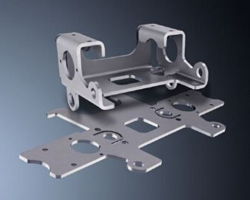
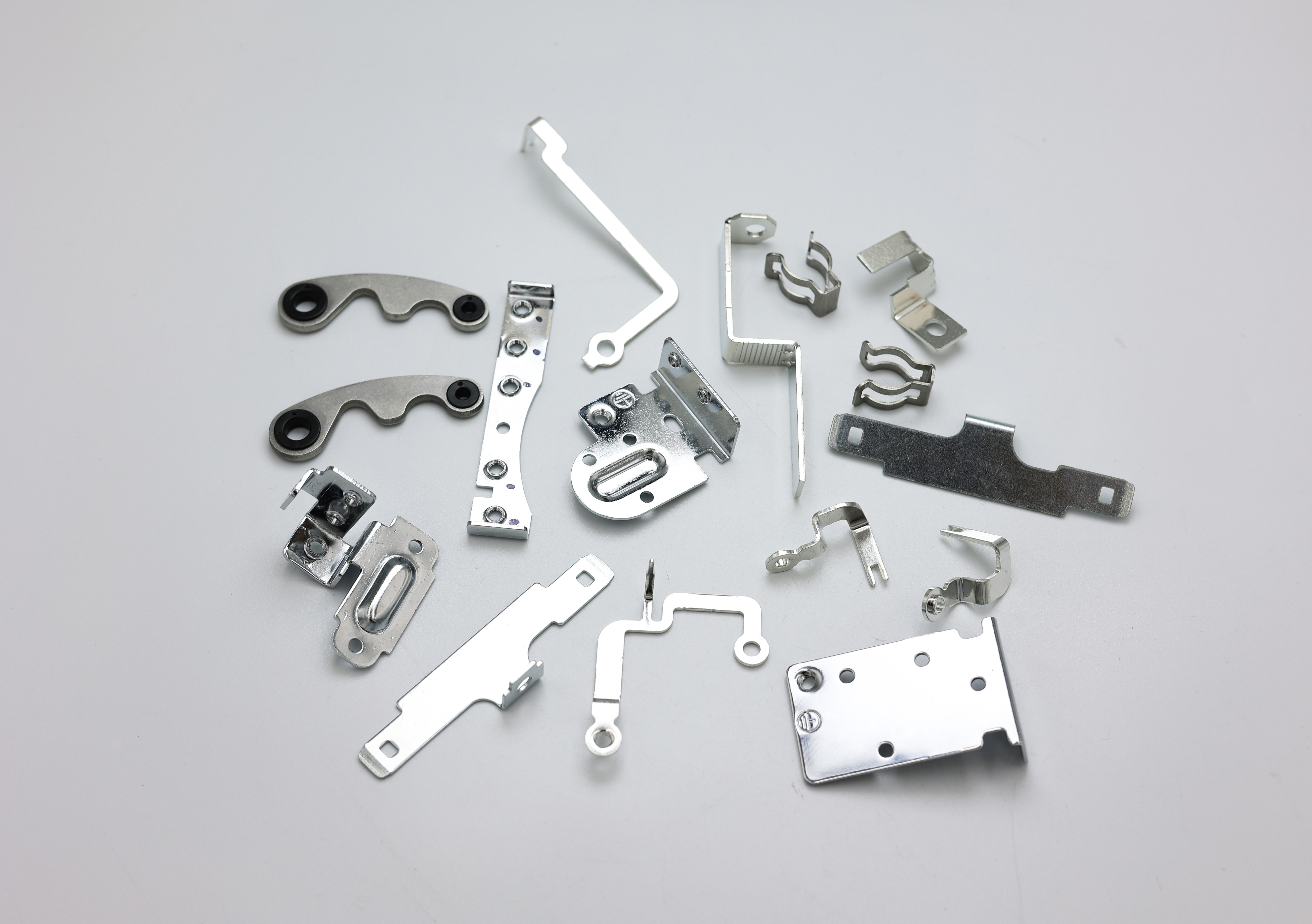
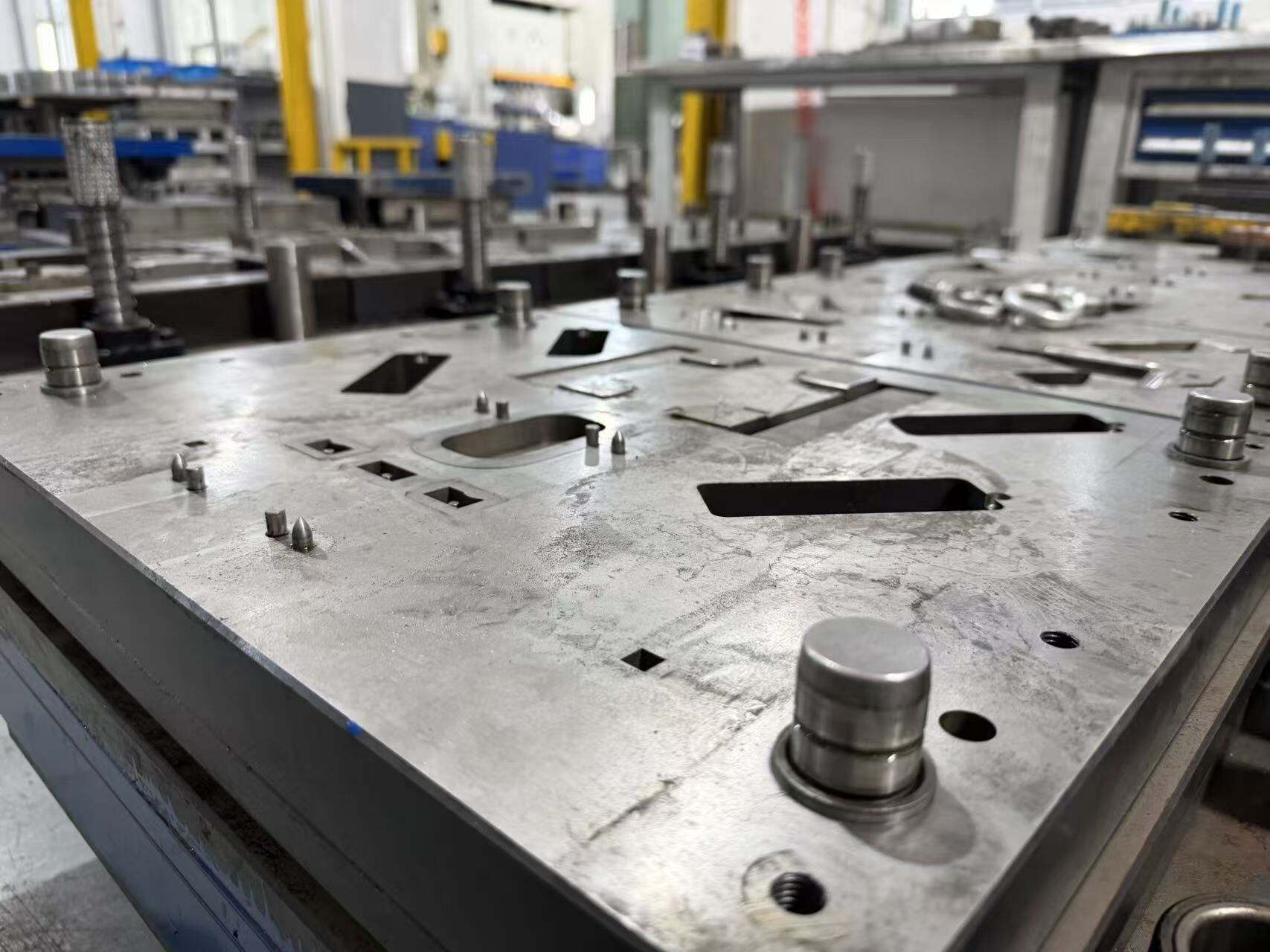
Sheet metal fabrication parts represent essential components created through sophisticated manufacturing processes that transform flat metal sheets into functional three-dimensional products. These versatile components serve as the backbone of countless industries, from automotive and aerospace to construction and electronics. The fabrication process involves multiple techniques including cutting, bending, punching, welding, and forming, each contributing to the creation of precise, durable parts that meet stringent specifications. Modern sheet metal fabrication parts utilize advanced materials such as stainless steel, aluminum, carbon steel, and specialized alloys, ensuring optimal performance across diverse applications. The technological features of sheet metal fabrication parts include exceptional dimensional accuracy, consistent wall thickness, and superior surface finishes that enhance both functionality and aesthetics. Computer-aided design software and CNC machinery enable manufacturers to produce complex geometries with tight tolerances, ensuring perfect fit and seamless integration into larger assemblies. These parts demonstrate remarkable strength-to-weight ratios, making them ideal for applications where structural integrity cannot be compromised while maintaining weight efficiency. Sheet metal fabrication parts find extensive applications in HVAC systems, where they form ductwork, vents, and housings that facilitate optimal airflow and climate control. The automotive industry relies heavily on these components for body panels, brackets, chassis elements, and interior fixtures that contribute to vehicle safety and performance. In electronics manufacturing, sheet metal fabrication parts create enclosures, heat sinks, and mounting brackets that protect sensitive components while ensuring proper thermal management. The construction sector utilizes these parts for roofing systems, structural supports, decorative elements, and building envelope components that provide weatherproofing and architectural appeal. Agricultural machinery incorporates sheet metal fabrication parts in equipment housings, conveyor systems, and protective guards that withstand harsh environmental conditions while maintaining operational reliability.
New Product Releases

Sheet metal fabrication parts offer exceptional cost-effectiveness compared to alternative manufacturing methods, delivering significant savings throughout the entire product lifecycle. Manufacturing these components requires minimal material waste, as advanced nesting software optimizes material usage and reduces scrap generation. The streamlined production process eliminates expensive tooling requirements associated with casting or forging, making sheet metal fabrication parts economically viable for both small-batch prototypes and large-scale production runs. These parts provide superior design flexibility, allowing engineers to create complex shapes, intricate features, and custom configurations that perfectly match specific application requirements. The fabrication process accommodates rapid design modifications without substantial retooling costs, enabling manufacturers to respond quickly to changing market demands and customer specifications. Sheet metal fabrication parts demonstrate outstanding durability and longevity, withstanding extreme temperatures, corrosive environments, and mechanical stress without compromising structural integrity. The inherent properties of sheet metal materials, combined with protective coatings and finishes, ensure these parts maintain their performance characteristics throughout extended service periods, reducing maintenance costs and replacement frequency. Quality control measures integrated throughout the fabrication process guarantee consistent dimensional accuracy and surface finish quality, eliminating variations that could affect assembly procedures or final product performance. Advanced inspection techniques, including coordinate measuring machines and laser scanning, verify that each sheet metal fabrication part meets exact specifications before delivery. The lightweight nature of sheet metal fabrication parts contributes to overall system efficiency, reducing energy consumption in mobile applications and simplifying installation procedures in stationary systems. These components integrate seamlessly with existing manufacturing processes, requiring minimal modifications to assembly lines or production workflows. The recyclability of sheet metal materials supports sustainable manufacturing practices, allowing companies to reduce their environmental footprint while maintaining operational efficiency. Sheet metal fabrication parts can be easily disassembled and recycled at the end of their service life, contributing to circular economy principles and environmental stewardship. The rapid turnaround times associated with sheet metal fabrication enable faster product development cycles and shorter time-to-market periods, providing competitive advantages in fast-moving industries.

Practical Tips

How To Determine The Chemical Stability Of Materials

10

Mar

How To Determine The Chemical Stability Of Materials

View More
Testing Standards For Corrosion Resistance Of Automotive Parts

10

Mar

Testing Standards For Corrosion Resistance Of Automotive Parts

View More

Get a Free Quote

Our representative will contact you soon.
Email
Mobile/WhatsApp
Name
Company Name
Message
0/1000

sheet metal fabrication parts

Precision Engineering Excellence

Precision Engineering Excellence

Sheet metal fabrication parts achieve unparalleled precision through state-of-the-art manufacturing technologies that ensure dimensional accuracy within micrometers. Modern CNC laser cutting systems, plasma cutters, and waterjet machines deliver clean, precise cuts with minimal heat-affected zones, preserving material properties and preventing warping or distortion. The computer-controlled forming processes utilize sophisticated press brakes and forming dies that create consistent bend angles and radii, ensuring every sheet metal fabrication part matches exact design specifications. Advanced quality control systems monitor critical dimensions throughout production, employing automated measurement systems that detect deviations before they impact final product quality. This precision engineering approach eliminates costly rework, reduces assembly time, and ensures perfect fit-up in complex assemblies where tolerance stack-up could otherwise cause interference issues. The precision achieved in sheet metal fabrication parts directly translates to improved product performance, enhanced reliability, and reduced warranty claims. Manufacturers benefit from consistent part dimensions that streamline assembly processes, eliminate manual adjustments, and reduce labor costs associated with fitting operations. The tight tolerances maintained throughout production ensure that sheet metal fabrication parts interface perfectly with mating components, gaskets, and sealing systems, preventing leaks and maintaining system integrity. This precision excellence extends to surface finish quality, where controlled forming processes minimize surface imperfections and create uniform textures that enhance paint adhesion and coating performance. The dimensional stability of sheet metal fabrication parts remains consistent across production runs, enabling manufacturers to maintain interchangeability and support field service operations with confidence that replacement parts will fit properly without modifications.
Versatile Material Solutions

Versatile Material Solutions

Sheet metal fabrication parts leverage an extensive range of materials to address diverse performance requirements across multiple industries and environmental conditions. Stainless steel sheet metal fabrication parts offer exceptional corrosion resistance, making them ideal for food processing equipment, marine applications, and chemical processing systems where contamination prevention is critical. Aluminum sheet metal fabrication parts provide outstanding strength-to-weight ratios and natural corrosion resistance, making them preferred choices for aerospace applications, automotive components, and architectural elements where weight reduction and durability are paramount. Carbon steel sheet metal fabrication parts deliver superior strength and cost-effectiveness for structural applications, industrial equipment, and heavy machinery where robust performance is essential. Specialized alloys expand the capabilities of sheet metal fabrication parts to include high-temperature applications, electromagnetic shielding requirements, and extreme environment conditions that would challenge conventional materials. The material versatility extends to thickness ranges, allowing sheet metal fabrication parts to be optimized for specific load requirements, from lightweight electronics enclosures using thin gauge materials to heavy-duty structural components utilizing thick plate materials. Advanced coatings and surface treatments further enhance material performance, with options including galvanizing, powder coating, anodizing, and specialty finishes that provide additional protection against wear, corrosion, and environmental degradation. The ability to combine different materials within the same assembly enables engineers to optimize performance characteristics while managing costs effectively. Sheet metal fabrication parts can incorporate dissimilar materials through welding, mechanical fastening, or adhesive bonding, creating hybrid solutions that leverage the best properties of each material. This material flexibility allows designers to specify the optimal material for each component function while maintaining manufacturing efficiency and cost control.
Scalable Production Capabilities

Scalable Production Capabilities

Sheet metal fabrication parts excel in production scalability, seamlessly transitioning from prototype development through high-volume manufacturing without compromising quality or increasing lead times disproportionately. The inherent flexibility of sheet metal fabrication processes allows manufacturers to adjust production volumes based on market demand, seasonal fluctuations, or project-specific requirements without significant capital investment in new equipment or tooling. Small-batch production of sheet metal fabrication parts supports rapid prototyping, design validation, and market testing activities that enable companies to refine their products before committing to larger production runs. The same manufacturing processes and equipment used for prototypes can be scaled up for full production, ensuring consistency between development samples and production parts. Medium-volume production capabilities accommodate growing businesses and seasonal demand patterns, with the ability to increase or decrease output based on real-time market conditions without disrupting supply chain operations. High-volume production of sheet metal fabrication parts benefits from optimized material utilization, streamlined workflows, and automated handling systems that reduce per-unit costs while maintaining quality standards. The scalable nature of sheet metal fabrication enables manufacturers to implement lean production principles, minimizing inventory levels while ensuring adequate stock to meet customer delivery requirements. Just-in-time manufacturing becomes feasible with sheet metal fabrication parts due to relatively short production cycles and flexible scheduling capabilities that respond to changing priorities. The production scalability extends to customization options, where sheet metal fabrication parts can be modified for specific customer requirements without disrupting standard production flows. This capability supports mass customization strategies that deliver personalized products while maintaining manufacturing efficiency. Geographic scalability allows sheet metal fabrication parts to be produced at multiple locations, supporting global supply chains and reducing transportation costs while maintaining consistent quality standards across all production facilities.

Get a Free Quote

Our representative will contact you soon.
Email
Mobile/WhatsApp
Name
Company Name
Message
0/1000