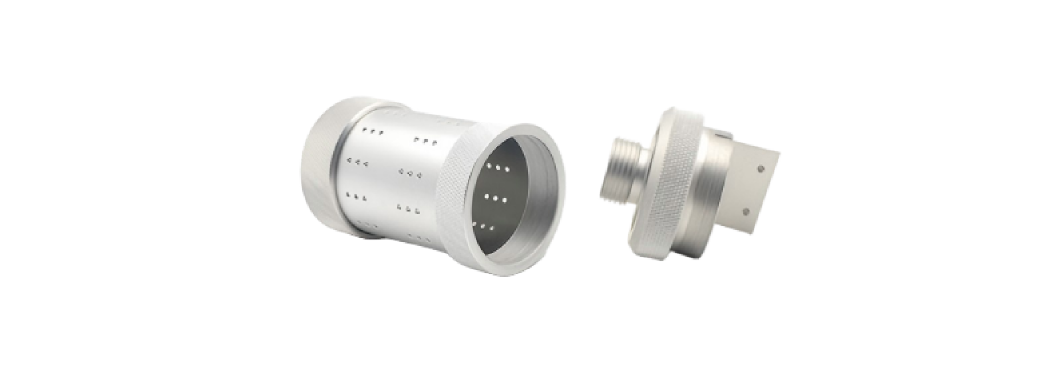
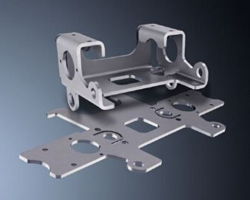
sheet metal parts
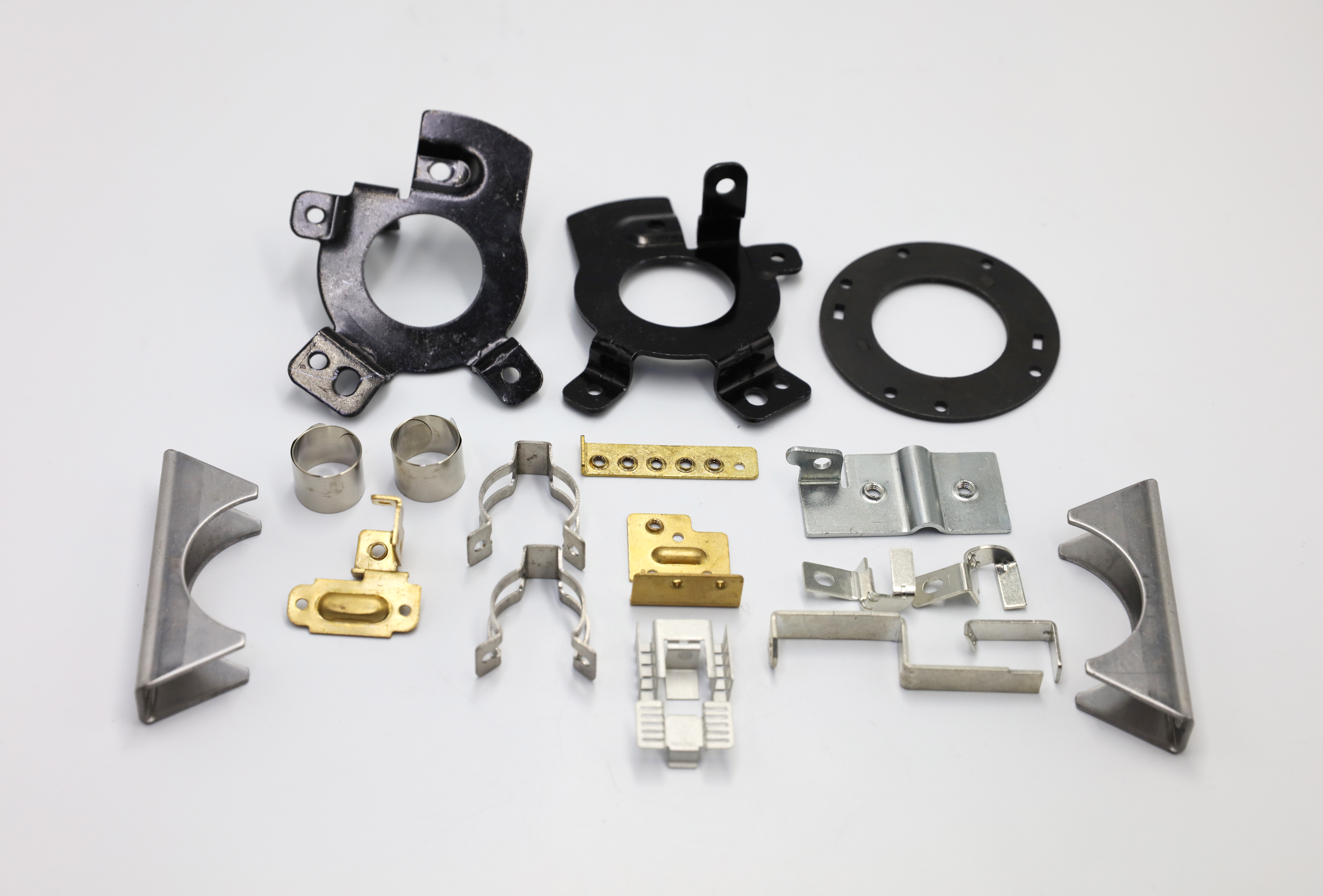
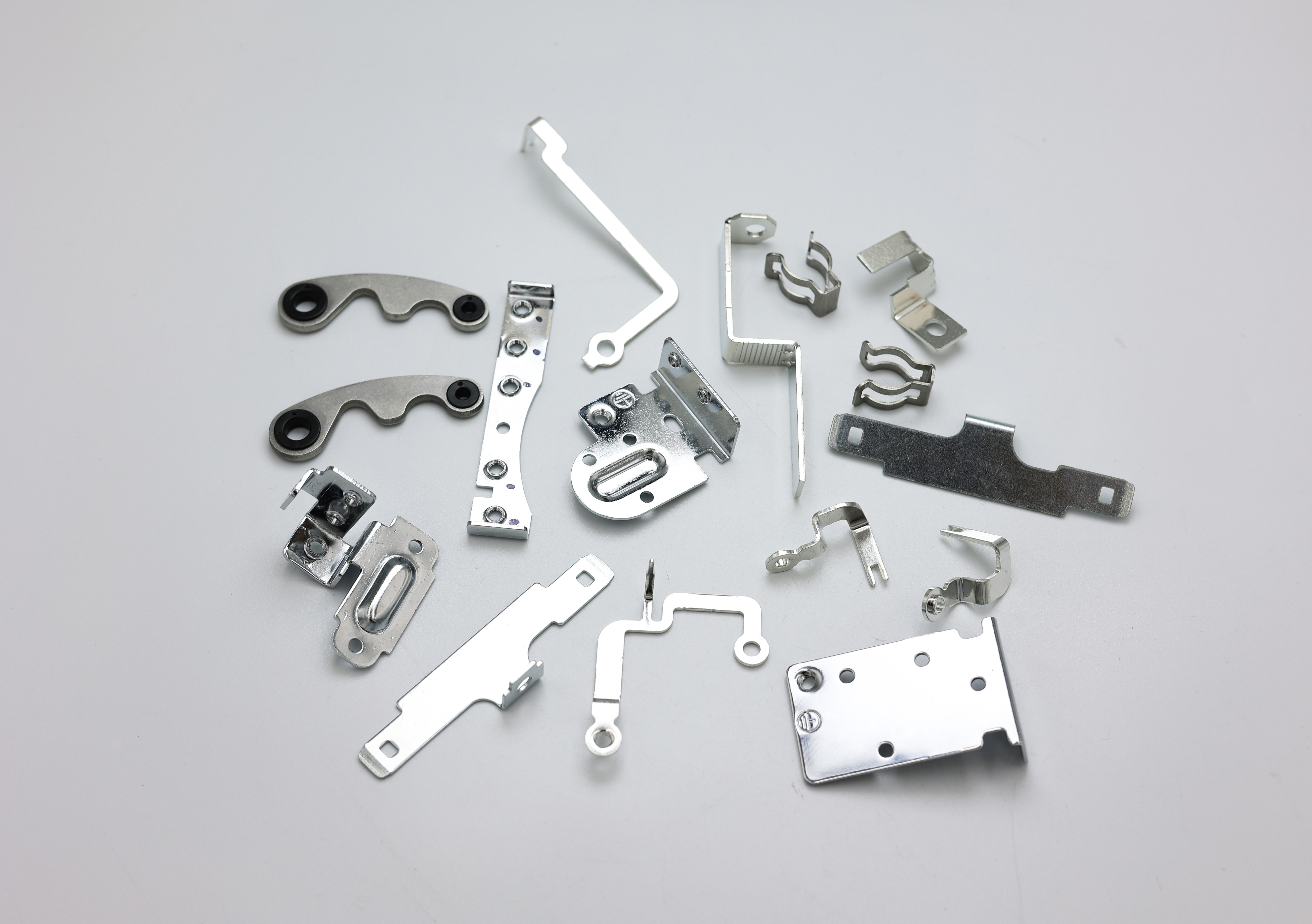
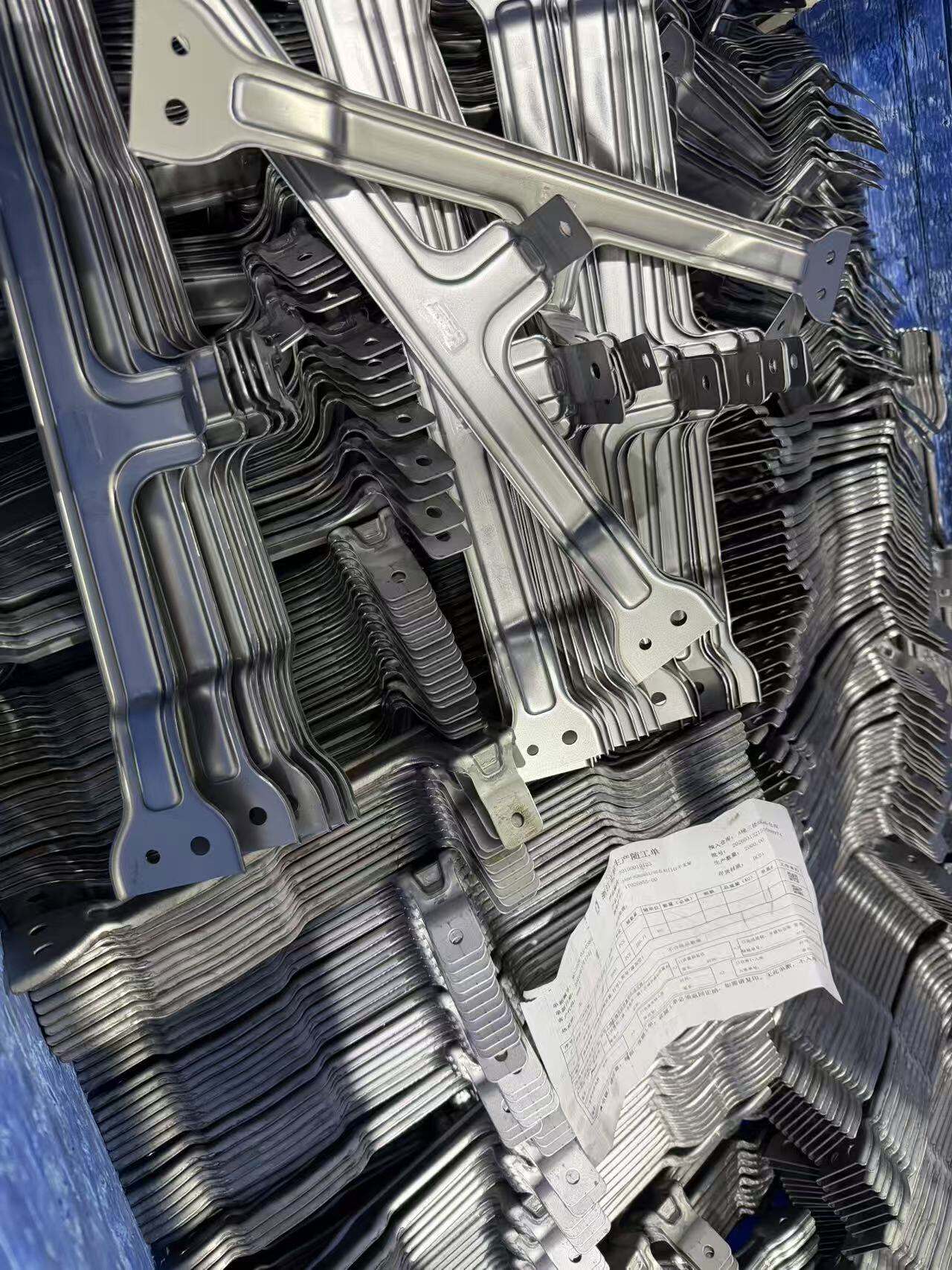
Sheet metal parts represent fundamental components manufactured through various forming, cutting, and shaping processes applied to thin metallic materials. These versatile components serve as building blocks across numerous industries, from automotive and aerospace to electronics and construction. The manufacturing process begins with flat sheet metal, typically ranging from 0.006 inches to 0.25 inches in thickness, which undergoes precise transformation through techniques such as stamping, bending, punching, and welding. Modern sheet metal parts incorporate advanced materials including stainless steel, aluminum, copper, and specialized alloys, each selected for specific performance characteristics and environmental requirements. The technological foundation of sheet metal parts relies on computer-aided design systems and precision machinery that ensure consistent quality and dimensional accuracy. These components excel in applications requiring lightweight yet durable solutions, offering exceptional strength-to-weight ratios that make them ideal for weight-sensitive applications. The fabrication process enables complex geometries and intricate designs while maintaining cost-effectiveness for both prototype and high-volume production runs. Sheet metal parts demonstrate remarkable adaptability, accommodating various surface treatments, coatings, and finishing options that enhance corrosion resistance, aesthetic appeal, and functional properties. Industries depend on these components for structural elements, enclosures, brackets, housings, and decorative features that require precise fit and finish. The inherent recyclability of metallic materials makes sheet metal parts an environmentally conscious choice, supporting sustainable manufacturing practices. Quality control measures ensure each component meets stringent specifications for dimensional tolerance, material properties, and surface finish. Modern manufacturing facilities utilize automated systems and robotics to enhance production efficiency while maintaining consistent quality standards across large production volumes.

 EN
EN