sheet metal prototyping
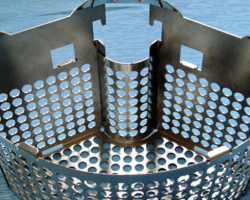
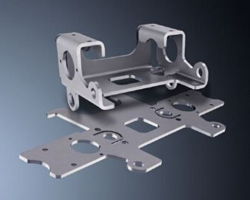
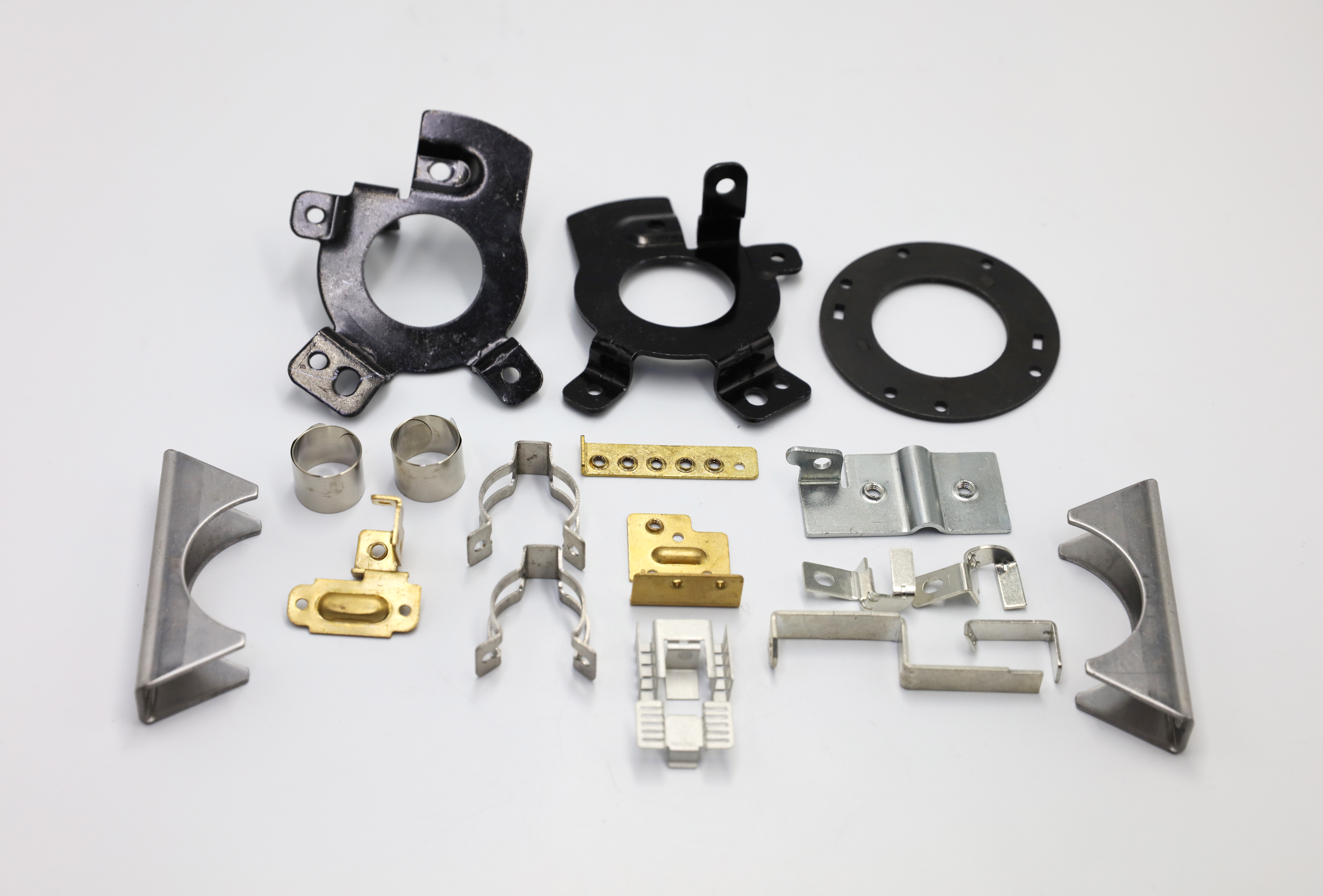
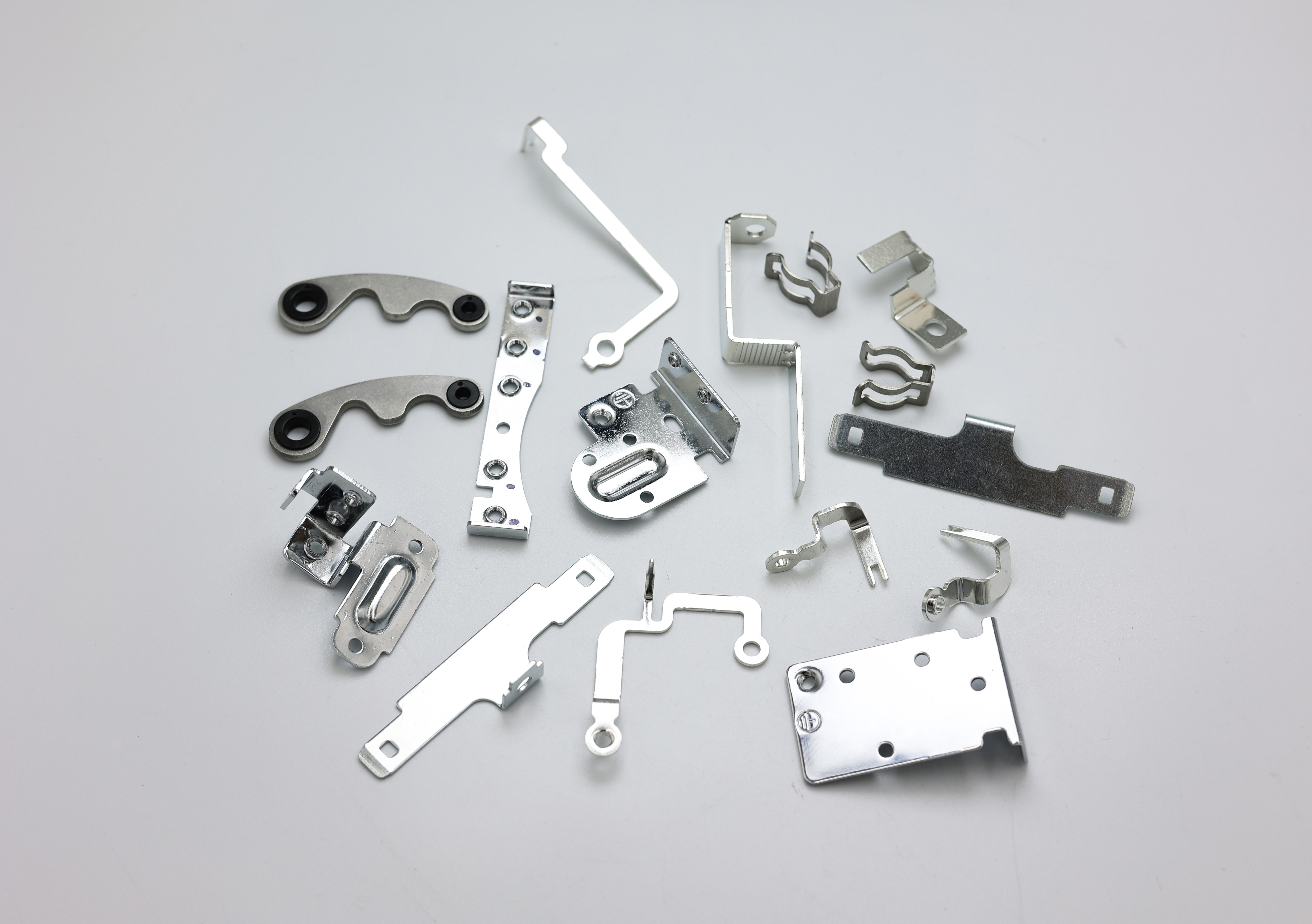
Sheet metal prototyping represents a crucial manufacturing process that transforms flat metal sheets into three-dimensional components through various forming, cutting, and joining techniques. This innovative approach serves as the foundation for developing and testing product designs before full-scale production begins. The process encompasses multiple sophisticated methods including laser cutting, waterjet cutting, punching, bending, welding, and assembly operations that work together to create precise prototypes. Modern sheet metal prototyping facilities utilize computer-controlled machinery and advanced CAD software to ensure exceptional accuracy and repeatability in prototype development. The technological features of sheet metal prototyping include precision cutting systems capable of achieving tolerances within 0.1mm, automated bending equipment that maintains consistent angles across multiple parts, and sophisticated welding stations that produce strong, reliable joints. These capabilities enable manufacturers to work with diverse materials including aluminum, stainless steel, carbon steel, copper, and specialized alloys. The process begins with digital design files that guide automated cutting equipment, followed by forming operations that shape the flat patterns into complex geometries. Quality control measures throughout the process ensure each prototype meets exact specifications. Applications for sheet metal prototyping span numerous industries including automotive, aerospace, electronics, medical devices, telecommunications, and consumer products. In automotive applications, prototypes validate component fit and function before expensive tooling investments. Aerospace companies rely on sheet metal prototyping to test critical components under various conditions. Electronics manufacturers use the process to develop enclosures and brackets that protect sensitive components. The versatility of sheet metal prototyping makes it indispensable for companies seeking to reduce development time, minimize costs, and improve product quality through iterative testing and refinement of designs before committing to full production runs.

 EN
EN