Professional Sheet Metal Assembly Services - Custom Metal Fabrication Solutions

All Categories

Get a Free Quote

Our representative will contact you soon.
Email
Mobile/WhatsApp
Name
Company Name
Message
0/1000

sheet metal assembly

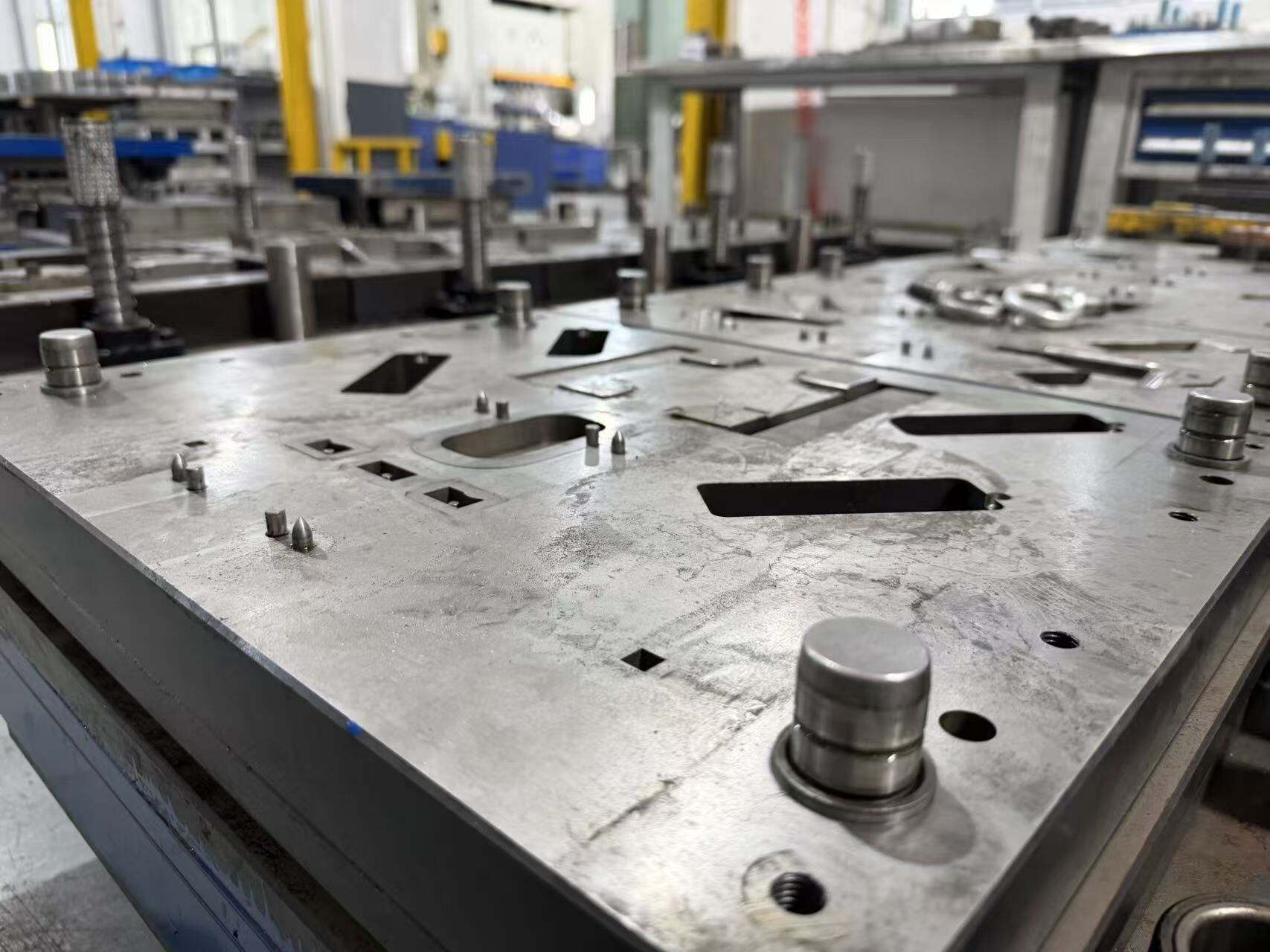
Sheet metal assembly represents a fundamental manufacturing process that transforms flat metal sheets into complex three-dimensional structures through various fabrication techniques. This sophisticated process combines cutting, bending, forming, welding, and joining operations to create durable metal components used across numerous industries. The sheet metal assembly process begins with precise design specifications and computer-aided manufacturing systems that ensure accuracy and consistency throughout production. Modern sheet metal assembly utilizes advanced technologies including laser cutting, CNC machining, robotic welding, and automated forming equipment to achieve superior quality results. The technological features of sheet metal assembly encompass multiple sophisticated processes that work together seamlessly. High-precision laser cutting systems provide clean, accurate cuts with minimal material waste, while computer-controlled press brakes ensure consistent bend angles and dimensions. Advanced welding techniques, including MIG, TIG, and spot welding, create strong, permanent joints between components. Quality control systems monitor every stage of the sheet metal assembly process, utilizing coordinate measuring machines and optical inspection systems to verify dimensional accuracy and surface finish quality. The applications for sheet metal assembly span virtually every industry imaginable. Automotive manufacturers rely on sheet metal assembly for body panels, chassis components, and engine parts. Aerospace companies utilize these assemblies for aircraft fuselages, wing structures, and interior components. Construction industries depend on sheet metal assembly for HVAC systems, roofing materials, and structural elements. Electronics manufacturers use sheet metal assembly for equipment enclosures, server racks, and component housings. Medical device companies incorporate sheet metal assembly in surgical instruments, diagnostic equipment, and hospital furniture. The versatility of sheet metal assembly makes it indispensable for creating custom solutions that meet specific performance requirements, dimensional tolerances, and aesthetic standards across diverse manufacturing sectors.
Popular Products

Sheet metal assembly offers numerous compelling advantages that make it the preferred choice for manufacturers seeking reliable, cost-effective production solutions. The primary benefit lies in its exceptional versatility, allowing manufacturers to create complex geometries and intricate designs that would be difficult or impossible to achieve through other manufacturing methods. This flexibility enables engineers to optimize product designs for specific performance requirements while maintaining structural integrity and aesthetic appeal. Cost efficiency represents another significant advantage of sheet metal assembly processes. The relatively low material costs combined with efficient manufacturing techniques result in competitive pricing for both small prototype runs and large-scale production volumes. Automated equipment reduces labor costs while maintaining consistent quality standards, making sheet metal assembly an economically attractive option for businesses operating under tight budget constraints. The speed of production achievable through modern sheet metal assembly techniques provides manufacturers with crucial competitive advantages in fast-paced markets. Computer-controlled machinery can rapidly process multiple components simultaneously, significantly reducing lead times compared to traditional manufacturing methods. This rapid turnaround capability enables companies to respond quickly to changing market demands and customer requirements. Durability and strength characteristics of sheet metal assembly products exceed those of many alternative materials and manufacturing processes. The inherent properties of metal, combined with proper assembly techniques, create products that withstand harsh environmental conditions, mechanical stress, and long-term wear. This reliability translates into reduced maintenance costs and extended product lifecycles for end users. Precision and accuracy achieved through modern sheet metal assembly processes ensure that components meet exact specifications consistently. Computer-controlled equipment eliminates human error while maintaining tight tolerances that are essential for proper fit and function in complex assemblies. This precision reduces the need for secondary operations and minimizes waste during production. Environmental sustainability represents an increasingly important advantage of sheet metal assembly. Metal materials are highly recyclable, and modern manufacturing processes minimize waste generation through optimized nesting algorithms and material utilization strategies. Energy-efficient equipment and processes reduce the environmental impact of production while maintaining high quality standards. Customization capabilities of sheet metal assembly allow manufacturers to create unique solutions tailored to specific customer requirements without significant tooling investments. This flexibility enables rapid prototyping and design iterations, accelerating product development cycles and reducing time-to-market for new products.

Latest News

How To Determine The Chemical Stability Of Materials

10

Mar

How To Determine The Chemical Stability Of Materials

View More
Automotive Armrest Slide Rail Production Factory: The Cradle of Quality and Innovation

10

Mar

Automotive Armrest Slide Rail Production Factory: The Cradle of Quality and Innovation

View More

Get a Free Quote

Our representative will contact you soon.
Email
Mobile/WhatsApp
Name
Company Name
Message
0/1000

sheet metal assembly

Advanced Precision Manufacturing Technology

Advanced Precision Manufacturing Technology

The sheet metal assembly process incorporates cutting-edge precision manufacturing technology that revolutionizes how metal components are fabricated and assembled. State-of-the-art laser cutting systems utilize high-powered fiber lasers that can cut through various metal thicknesses with exceptional accuracy, achieving tolerances as tight as ±0.001 inches. These advanced systems employ sophisticated beam delivery technology and real-time monitoring systems that automatically adjust cutting parameters to maintain consistent quality throughout the production run. Computer numerical control (CNC) equipment forms the backbone of modern sheet metal assembly operations, providing unprecedented levels of automation and repeatability. CNC press brakes equipped with multi-axis back gauges and angle measurement systems ensure that every bend meets exact specifications, eliminating variations that could compromise assembly fit and function. Robotic welding systems integrated into the sheet metal assembly process deliver superior joint quality while maintaining consistent penetration and appearance. These automated systems utilize advanced sensors and feedback controls that monitor welding parameters in real-time, making instantaneous adjustments to maintain optimal conditions throughout the welding cycle. Quality assurance systems employed in sheet metal assembly operations utilize coordinate measuring machines, optical comparators, and laser scanning technology to verify dimensional accuracy and surface finish quality. These sophisticated inspection systems can detect deviations as small as a few microns, ensuring that every component meets stringent quality standards before shipment. The integration of Industry 4.0 technologies into sheet metal assembly processes enables real-time monitoring and data collection that optimizes production efficiency and quality control. Smart sensors throughout the production line collect data on machine performance, material usage, and quality metrics, feeding this information into advanced analytics systems that identify optimization opportunities and predict maintenance requirements. This technological sophistication translates into significant benefits for customers, including reduced lead times, improved product quality, lower costs, and enhanced design flexibility that enables the creation of innovative solutions previously thought impossible.
Superior Material Properties and Durability

Superior Material Properties and Durability

Sheet metal assembly products demonstrate exceptional material properties and durability characteristics that make them ideal for demanding applications across diverse industries. The inherent strength-to-weight ratio of metal materials used in sheet metal assembly provides outstanding structural performance while minimizing overall component weight, a crucial consideration in automotive, aerospace, and portable equipment applications. Advanced metallurgy techniques employed during the sheet metal assembly process optimize material properties through controlled heating, cooling, and forming operations that enhance grain structure and mechanical characteristics. Heat treatment processes integrated into sheet metal assembly operations can significantly improve material properties such as tensile strength, yield strength, and fatigue resistance. These treatments include annealing, tempering, and stress relieving operations that are precisely controlled to achieve desired mechanical properties while maintaining dimensional stability. Corrosion resistance represents a critical advantage of properly executed sheet metal assembly, particularly when utilizing stainless steel, aluminum, or specially coated materials. Advanced surface treatment options including powder coating, galvanizing, and anodizing provide additional protection against environmental factors while enhancing aesthetic appeal. The structural integrity achieved through professional sheet metal assembly techniques ensures that joints and connections maintain their strength and reliability over extended service lives. Sophisticated welding procedures, including electron beam welding and friction stir welding, create joints that often exceed the strength of the base materials themselves. Fatigue resistance characteristics of sheet metal assembly products make them particularly suitable for applications involving cyclic loading or vibration exposure. Proper design techniques, including stress concentration reduction and optimal joint placement, maximize fatigue life and ensure reliable operation under challenging conditions. Temperature stability of sheet metal assembly products enables their use in extreme environmental conditions, from cryogenic applications to high-temperature industrial processes. Material selection and assembly techniques can be optimized for specific temperature ranges, ensuring dimensional stability and mechanical performance across wide temperature variations. The long-term reliability of sheet metal assembly products reduces maintenance requirements and replacement costs, providing exceptional value for customers who demand dependable performance in mission-critical applications where failure is not an option.
Comprehensive Customization and Design Flexibility

Comprehensive Customization and Design Flexibility

Sheet metal assembly offers unparalleled customization capabilities and design flexibility that enable manufacturers to create unique solutions tailored to specific customer requirements and application demands. The versatility of sheet metal assembly processes allows engineers to implement complex geometries, intricate features, and sophisticated assemblies that would be challenging or impossible to achieve through alternative manufacturing methods. Advanced computer-aided design (CAD) software integration enables rapid design iteration and optimization, allowing engineers to explore multiple design concepts and evaluate their feasibility before committing to production tooling. This design flexibility extends to material selection, where sheet metal assembly can accommodate various metal types including steel, aluminum, stainless steel, copper, and specialty alloys, each offering unique properties suitable for specific applications. Thickness variations within the same assembly enable designers to optimize material usage by placing thicker materials in high-stress areas while using lighter gauges in non-critical sections. Complex forming operations possible through sheet metal assembly include deep drawing, hydroforming, roll forming, and progressive die stamping, enabling the creation of sophisticated three-dimensional shapes with excellent surface finish and dimensional accuracy. Multi-stage assembly processes allow for the integration of various components, fasteners, and hardware during production, reducing secondary operations and assembly time for customers. Prototype development capabilities inherent in sheet metal assembly processes enable rapid proof-of-concept validation and design refinement without significant tooling investments, accelerating product development cycles and reducing time-to-market for new products. Modular design approaches facilitated by sheet metal assembly enable the creation of configurable products that can be easily modified or expanded to meet changing customer requirements or market demands. Surface treatment options available during sheet metal assembly include texturing, embossing, perforating, and decorative finishing that enhance both functional and aesthetic characteristics of the final product. Volume scalability of sheet metal assembly processes accommodates everything from single prototype units to high-volume production runs without significant process modifications, making it an ideal solution for companies with varying production requirements. Custom tooling and fixture development capabilities ensure that even the most complex assemblies can be manufactured efficiently and consistently, while maintaining the flexibility to accommodate design changes or product improvements throughout the product lifecycle, providing customers with a manufacturing partner capable of growing and adapting with their evolving needs.

Get a Free Quote

Our representative will contact you soon.
Email
Mobile/WhatsApp
Name
Company Name
Message
0/1000