Professional Prototype Sheet Metal Parts: Fast Design Validation and Cost-Effective Development Solutions

All Categories

Get a Free Quote

Our representative will contact you soon.
Email
Mobile/WhatsApp
Name
Company Name
Message
0/1000

prototype sheet metal parts

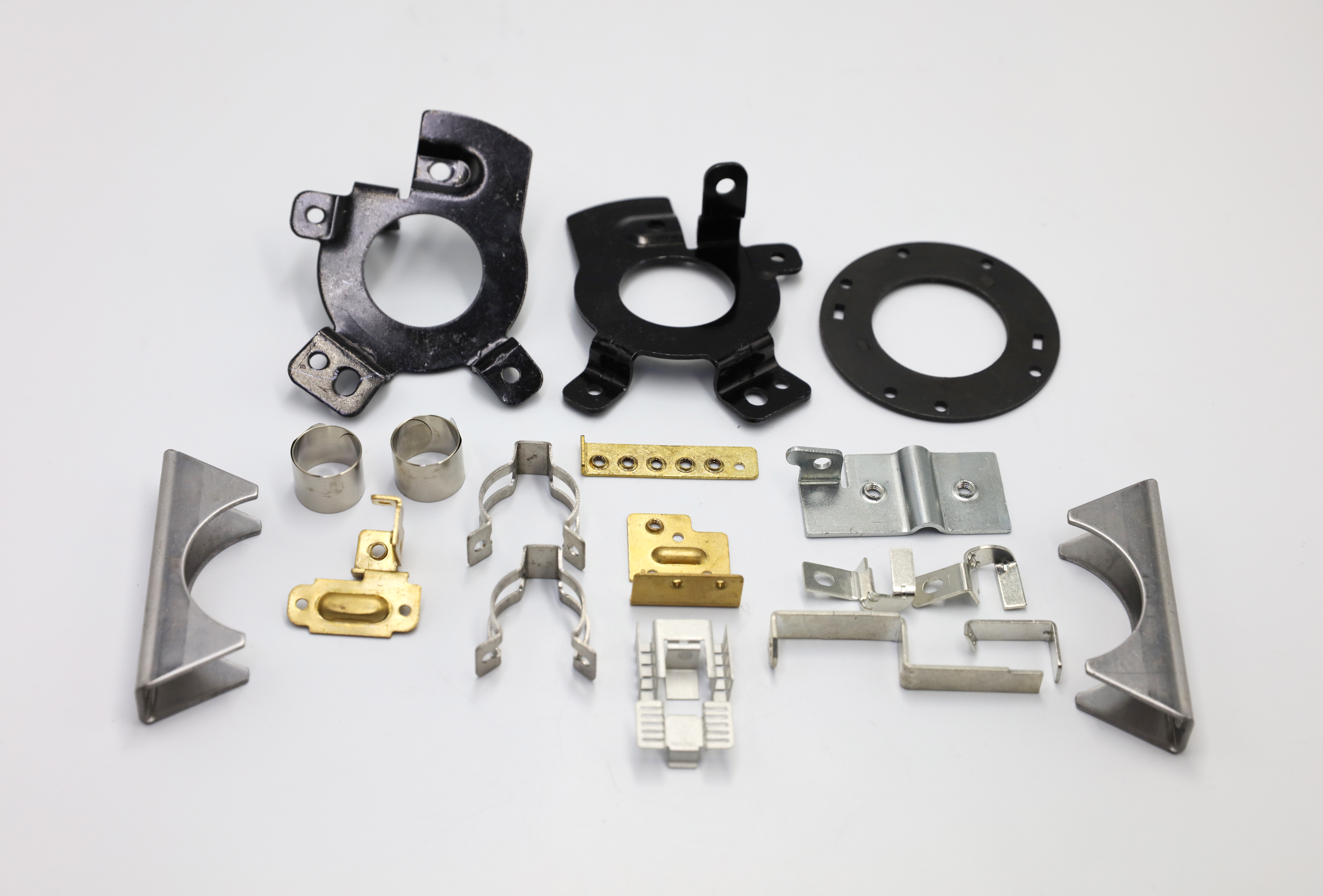
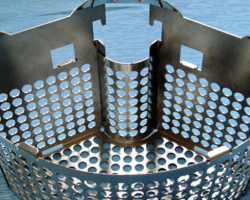
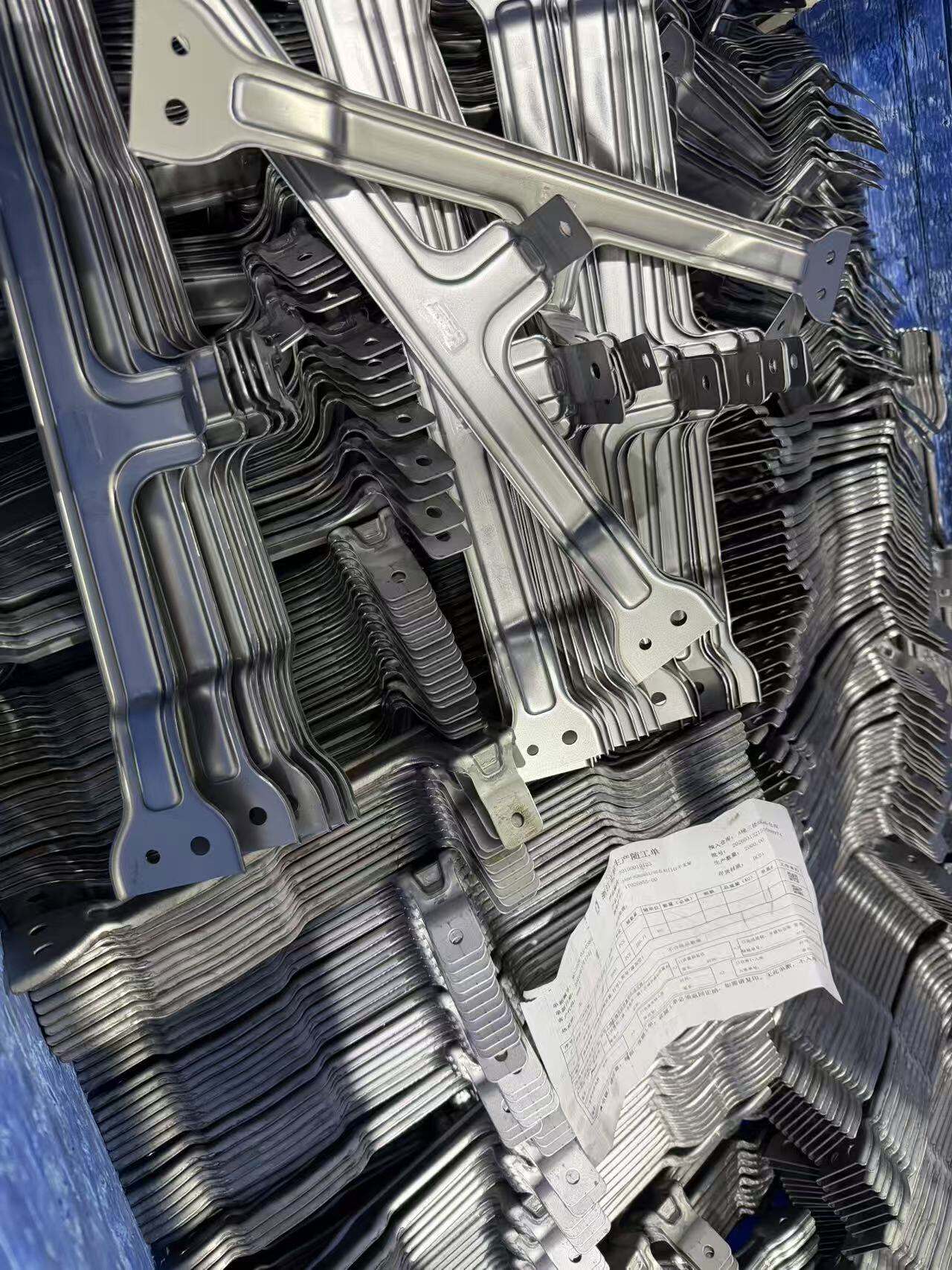
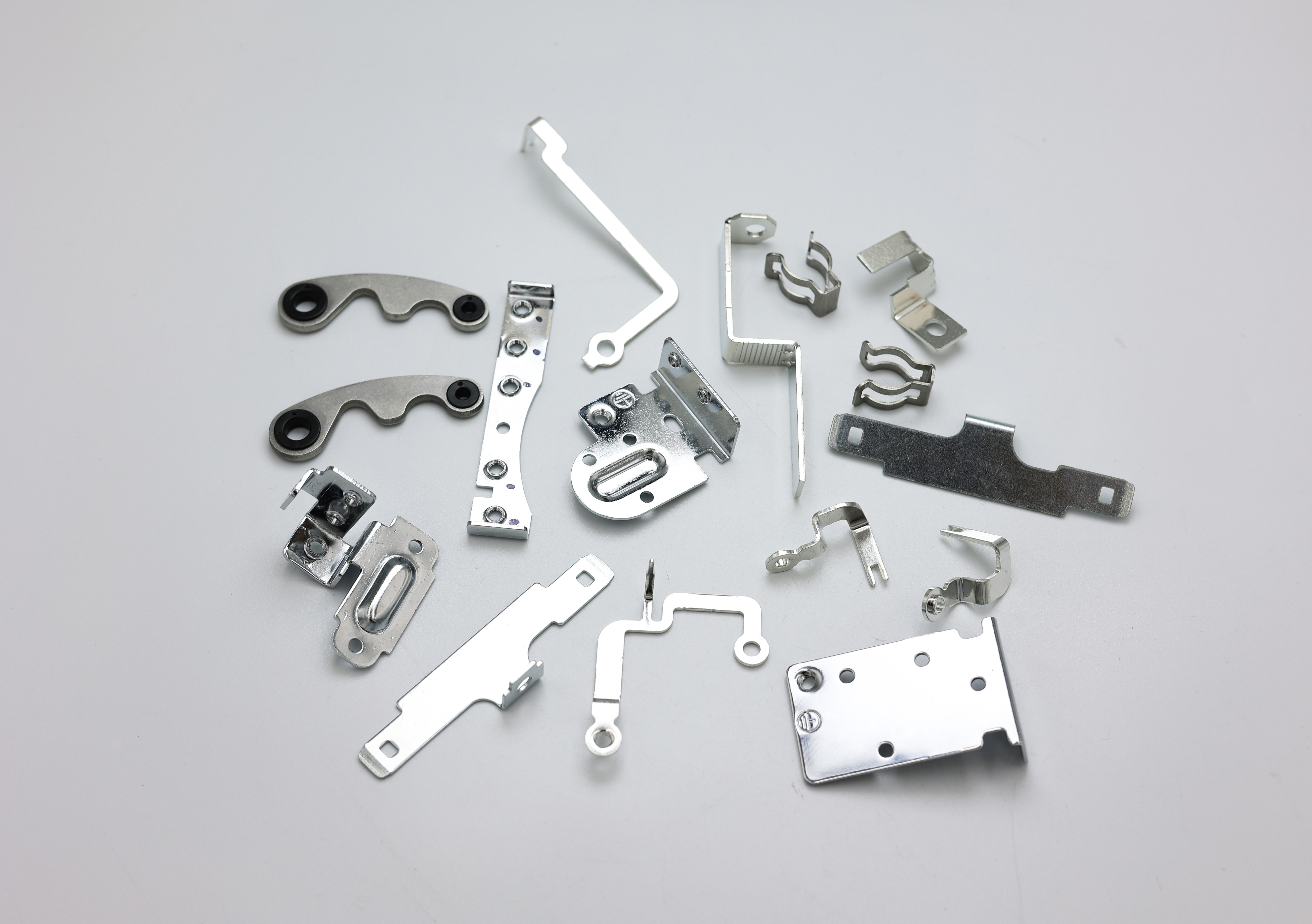
Prototype sheet metal parts represent a critical component in modern manufacturing processes, serving as essential testing platforms that bridge the gap between conceptual design and mass production. These specialized components are crafted through precision engineering techniques to validate design concepts, test functionality, and ensure optimal performance before committing to full-scale manufacturing runs. The primary function of prototype sheet metal parts involves providing manufacturers with tangible representations of their designs, enabling comprehensive evaluation of form, fit, and function in real-world applications. These prototypes allow engineers and designers to identify potential issues, make necessary adjustments, and optimize performance characteristics before investing in expensive tooling and production equipment. From a technological standpoint, prototype sheet metal parts incorporate advanced fabrication methods including laser cutting, CNC machining, precision bending, and specialized welding techniques. These processes ensure that prototypes maintain dimensional accuracy while exhibiting material properties that closely mirror final production components. The manufacturing approach emphasizes flexibility and rapid turnaround times, utilizing computer-aided design integration and automated machinery to produce high-quality prototypes efficiently. Applications for prototype sheet metal parts span diverse industries including automotive, aerospace, electronics, medical devices, and consumer appliances. In automotive sectors, these prototypes validate body panels, brackets, and structural components before mass production. Aerospace applications utilize prototype sheet metal parts for testing critical components that must meet stringent safety and performance standards. Electronics manufacturers rely on these prototypes for housing designs, heat sinks, and mounting brackets that require precise dimensional tolerances. Medical device applications demand prototype sheet metal parts that meet biocompatibility requirements while maintaining structural integrity. The versatility of prototype sheet metal parts makes them indispensable tools for innovation across multiple sectors, enabling companies to reduce development risks and accelerate time-to-market for new products.

New Products

The advantages of prototype sheet metal parts extend far beyond simple cost savings, delivering comprehensive benefits that transform product development processes for manufacturers across various industries. Speed represents one of the most significant advantages, as prototype sheet metal parts can be produced within days rather than weeks or months required for traditional tooling approaches. This rapid production capability allows companies to iterate designs quickly, test multiple concepts simultaneously, and respond promptly to market demands or customer feedback. The accelerated timeline enables businesses to maintain competitive advantages by bringing innovative products to market faster than competitors relying on conventional development methods. Cost-effectiveness emerges as another compelling advantage, particularly when considering the substantial investments required for production tooling and equipment. Prototype sheet metal parts eliminate the need for expensive dies, molds, and specialized fixtures during the development phase, allowing manufacturers to validate designs without significant financial commitments. This approach enables companies to explore multiple design variations without incurring prohibitive costs, fostering innovation and creative problem-solving throughout the development process. Risk mitigation represents a crucial advantage that prototype sheet metal parts provide by identifying potential design flaws, manufacturing challenges, and performance issues before committing to full production. This early detection capability prevents costly mistakes, reduces warranty claims, and ensures that final products meet quality standards and customer expectations. Engineers can test various material options, thicknesses, and forming techniques to optimize designs for both performance and manufacturability. Quality assurance benefits significantly from prototype sheet metal parts, as these components undergo the same fabrication processes and material treatments as production parts. This consistency ensures that prototype testing results accurately predict final product behavior, providing reliable data for design validation and performance optimization. The testing phase can reveal stress concentrations, fatigue characteristics, and environmental resistance properties that inform final design decisions. Flexibility in design modifications represents another key advantage, allowing engineers to implement changes quickly without expensive tooling modifications or lengthy lead times. This adaptability supports iterative design processes, customer-driven customizations, and compliance with evolving industry standards or regulatory requirements. Prototype sheet metal parts facilitate collaboration between design teams, manufacturing engineers, and customers by providing tangible representations that enable effective communication and decision-making throughout the development process.

Latest News

How To Determine The Chemical Stability Of Materials

10

Mar

How To Determine The Chemical Stability Of Materials

View More
Automotive Armrest Slide Rail Production Factory: The Cradle of Quality and Innovation

10

Mar

Automotive Armrest Slide Rail Production Factory: The Cradle of Quality and Innovation

View More
How To Choose Appropriate Automotive Parts According To Testing Standards

10

Mar

How To Choose Appropriate Automotive Parts According To Testing Standards

View More

Get a Free Quote

Our representative will contact you soon.
Email
Mobile/WhatsApp
Name
Company Name
Message
0/1000

prototype sheet metal parts

Rapid Design Validation and Testing Capabilities

Rapid Design Validation and Testing Capabilities

The rapid design validation capabilities of prototype sheet metal parts revolutionize how manufacturers approach product development by enabling comprehensive testing and evaluation within compressed timeframes. This advantage stems from advanced manufacturing technologies that can transform digital designs into physical prototypes within 24 to 72 hours, depending on complexity and specifications. The speed advantage allows engineering teams to conduct multiple iterations of testing and refinement without the traditional delays associated with tooling fabrication and setup processes. This rapid turnaround capability proves particularly valuable in competitive markets where time-to-market directly impacts business success and market share acquisition. The validation process encompasses dimensional verification, material property assessment, and functional testing that provides engineers with critical data for design optimization. Prototype sheet metal parts undergo rigorous testing protocols that simulate real-world operating conditions, including stress testing, fatigue analysis, and environmental exposure evaluations. These comprehensive assessments reveal potential failure modes, performance limitations, and optimization opportunities that might remain hidden in computer simulations alone. The physical nature of prototype sheet metal parts enables tactile evaluation, assembly verification, and interface testing with mating components, providing insights that virtual prototyping cannot deliver. Quality control measures during prototype fabrication mirror production standards, ensuring that test results accurately reflect final product performance characteristics. This consistency enables confident scaling from prototype to production without concerns about material behavior changes or manufacturing process variations. The rapid validation process also supports regulatory compliance testing, particularly in industries with strict safety and performance standards such as aerospace, automotive, and medical devices. Engineers can conduct required tests, obtain certifications, and address any compliance issues before committing to production tooling investments. Furthermore, the speed of prototype sheet metal parts fabrication enables responsive design modifications based on customer feedback, market research, or changing technical requirements, maintaining project momentum while ensuring optimal final product design.
Cost-Effective Development Without Production Tooling

Cost-Effective Development Without Production Tooling

The cost-effective nature of prototype sheet metal parts eliminates traditional barriers to product development by removing the substantial financial commitments typically associated with production tooling and manufacturing setup. This advantage becomes particularly significant when considering that conventional tooling costs can range from thousands to hundreds of thousands of dollars, depending on part complexity and production volume requirements. Prototype sheet metal parts utilize flexible manufacturing processes that require minimal setup costs, enabling companies to explore design concepts without major capital investments. This approach democratizes innovation by allowing smaller companies and startups to compete with larger organizations that have greater financial resources for tooling investments. The cost savings extend beyond initial tooling expenses to include reduced inventory carrying costs, lower minimum order quantities, and elimination of storage requirements for expensive dies and fixtures. Companies can produce prototype sheet metal parts in quantities ranging from single units to small batches, matching specific testing requirements without overproduction waste. This flexibility proves especially valuable during the design validation phase when requirements may change rapidly based on testing results or customer feedback. The economic benefits also include reduced risk exposure, as companies can validate market demand and product viability before making significant manufacturing investments. If design changes become necessary or market conditions shift, the financial impact remains minimal compared to situations involving dedicated production tooling. Additionally, prototype sheet metal parts enable cost-effective customization and variant testing, allowing manufacturers to explore different configuration options, material choices, and finishing treatments without multiplicative tooling costs. This capability supports market segmentation strategies and customer-specific requirements without proportional increases in development expenses. The cost-effectiveness of prototype sheet metal parts also facilitates educational and training applications, enabling companies to provide hands-on experience for engineering teams, manufacturing personnel, and quality control staff without consuming expensive production materials or disrupting manufacturing schedules. This practical training approach improves overall competency levels and reduces the likelihood of costly mistakes during actual production phases.
Superior Material Authenticity and Performance Prediction

Superior Material Authenticity and Performance Prediction

The superior material authenticity of prototype sheet metal parts provides unmatched accuracy in performance prediction by utilizing identical materials, processes, and treatments that will be employed in final production. This authenticity advantage distinguishes prototype sheet metal parts from alternative prototyping methods such as 3D printing or machined substitutes that may use different materials with varying properties. The use of actual production materials ensures that mechanical properties, thermal characteristics, corrosion resistance, and surface finish quality accurately represent final product behavior under real-world operating conditions. This material fidelity enables confident performance predictions and eliminates uncertainties associated with material property scaling or conversion factors that might be required with substitute materials. The manufacturing processes employed for prototype sheet metal parts mirror production techniques including forming, welding, heat treatment, and surface finishing operations. This process consistency ensures that material work hardening, residual stresses, grain structure changes, and other metallurgical effects match those present in production parts. Engineers can therefore rely on prototype test data to predict fatigue life, stress concentration factors, and failure modes with high confidence levels. The surface treatment options available for prototype sheet metal parts encompass the full range of production finishes including plating, coating, anodizing, and chemical treatments. This capability enables comprehensive evaluation of corrosion resistance, wear characteristics, electrical conductivity, and aesthetic properties that influence product performance and customer acceptance. The material authenticity advantage extends to specialized alloys and advanced materials that may be required for demanding applications in aerospace, medical, or high-performance automotive segments. Prototype sheet metal parts can be fabricated from exotic materials including titanium alloys, Inconel, medical-grade stainless steels, and aluminum aerospace alloys, providing authentic performance data for critical applications. Quality control procedures during prototype fabrication include material certification, dimensional inspection, and property verification that ensure consistency with specified requirements. This quality assurance approach provides confidence that prototype test results accurately predict production part performance, supporting reliable design decisions and performance claims. The material authenticity of prototype sheet metal parts also enables accelerated life testing, environmental exposure evaluation, and compatibility assessment with other system components using actual production materials and processes.
Get a Free Quote

Our representative will contact you soon.
Email
Mobile/WhatsApp
Name
Company Name
Message
0/1000