Premium Sheet Metal Components - Precision Fabrication Solutions for Industrial Applications

All Categories

Get a Free Quote

Our representative will contact you soon.
Email
Mobile/WhatsApp
Name
Company Name
Message
0/1000

sheet metal components

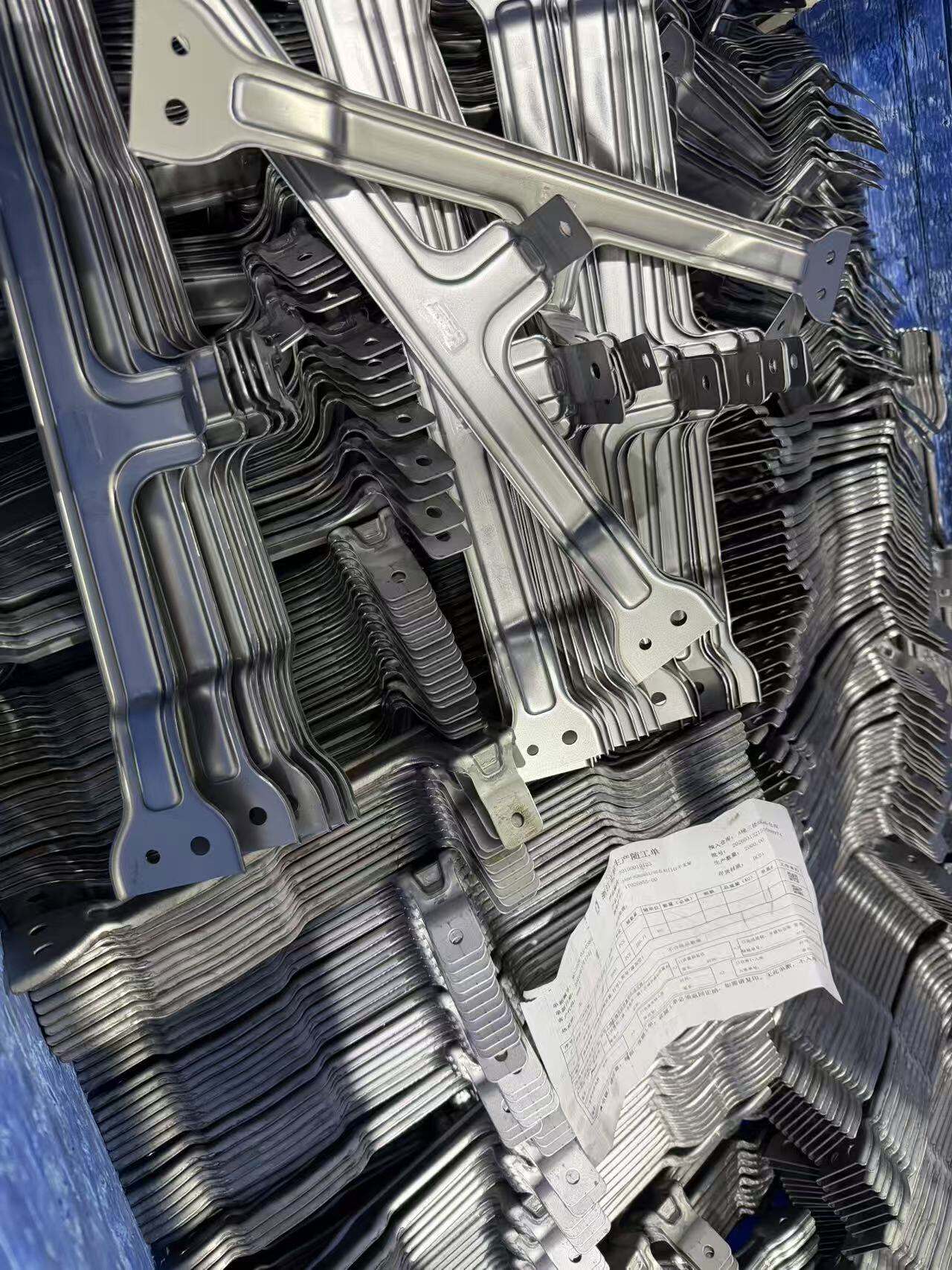
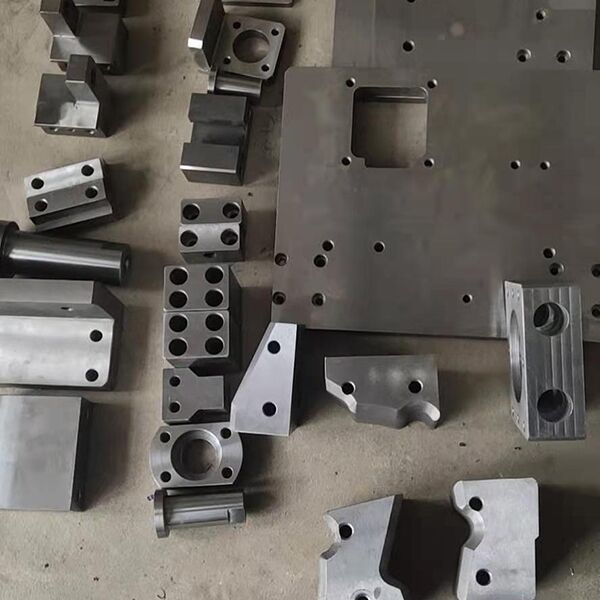
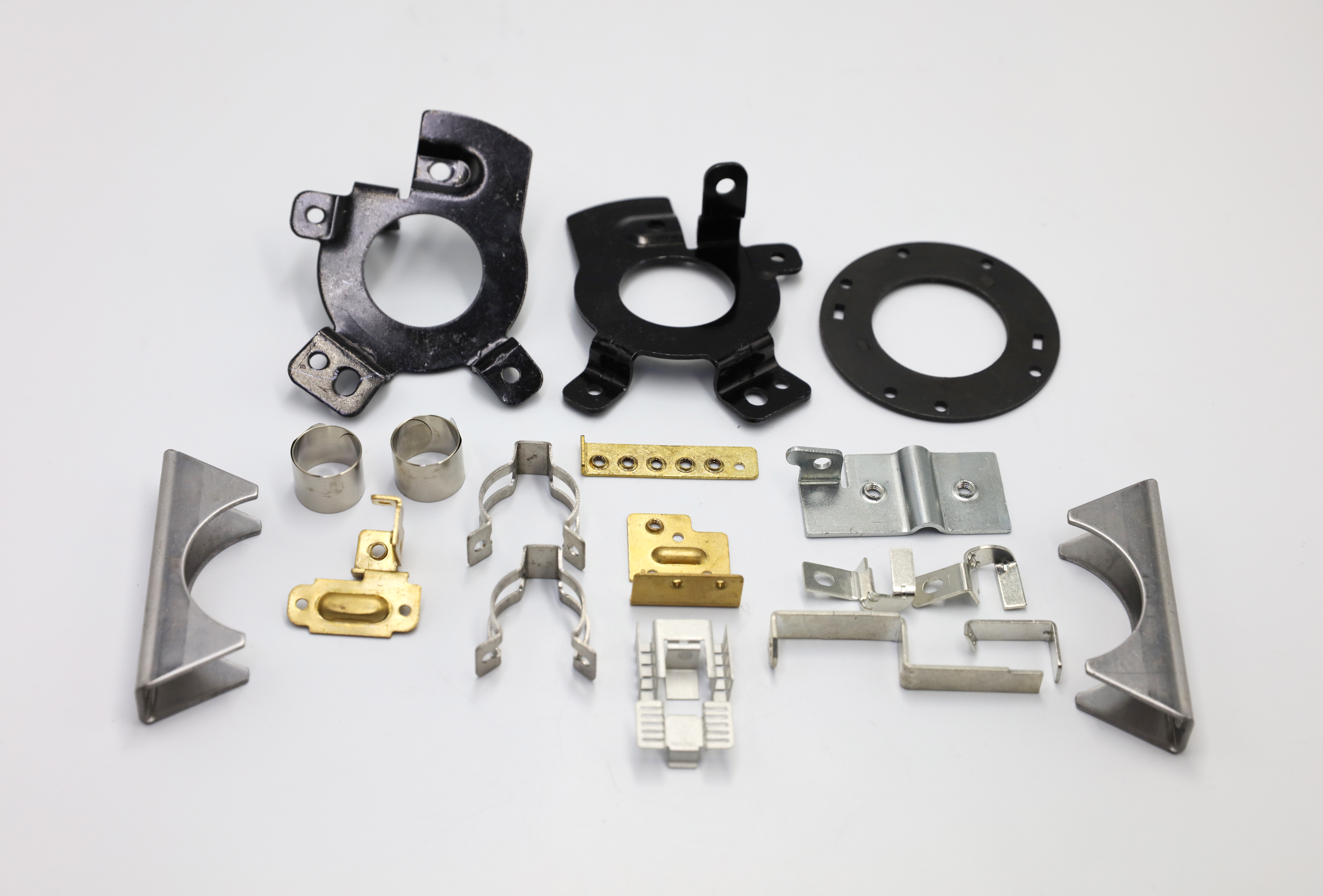
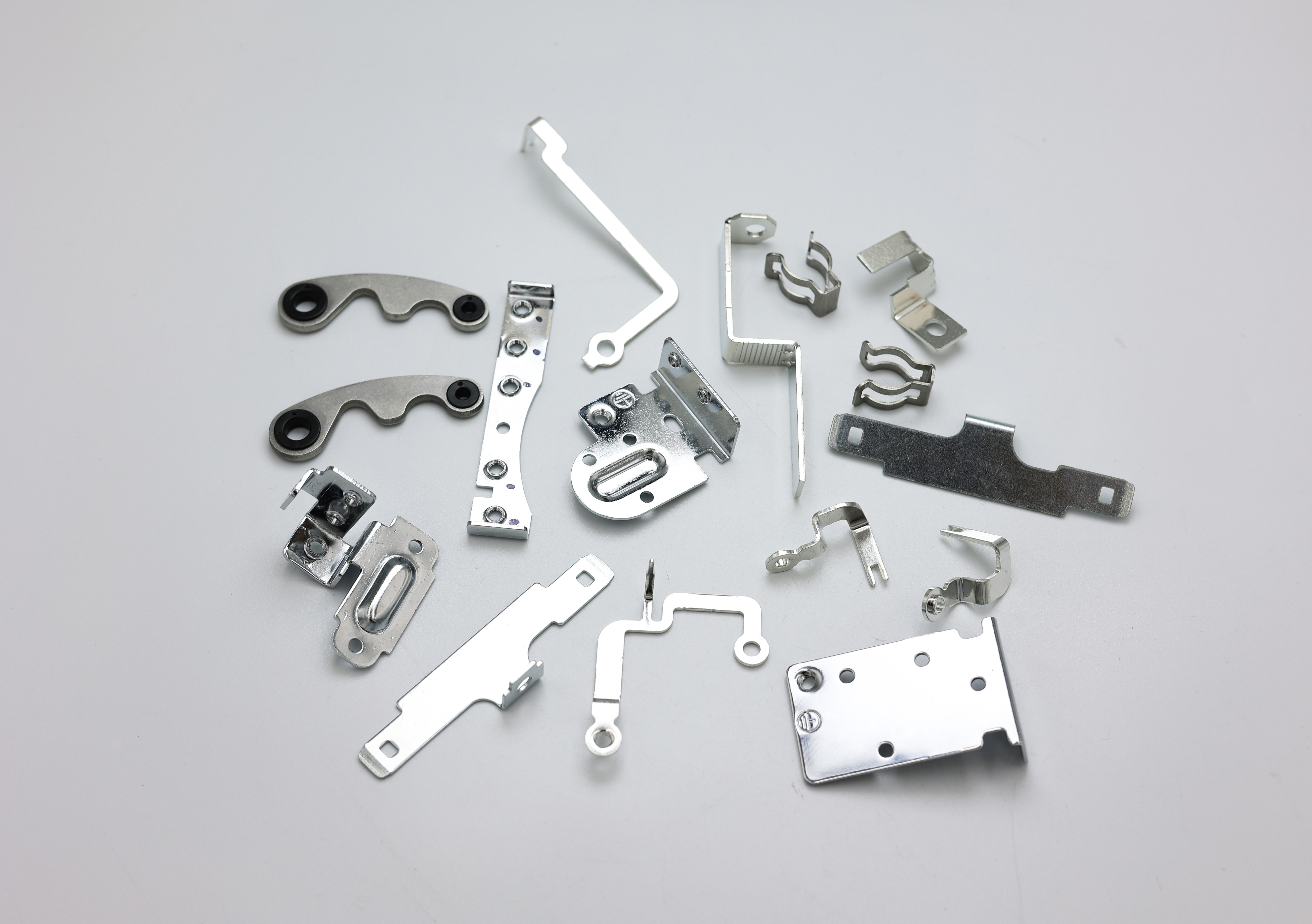
Sheet metal components represent a cornerstone of modern manufacturing, serving as essential building blocks across countless industries worldwide. These precision-engineered parts are created through specialized fabrication processes that transform flat metal sheets into three-dimensional functional components. The fundamental purpose of sheet metal components lies in their ability to provide structural integrity, protective housing, and aesthetic appeal to products ranging from consumer electronics to heavy industrial machinery. The manufacturing process begins with computer-aided design software that creates detailed blueprints, followed by cutting, bending, forming, and finishing operations that produce components with exceptional accuracy and consistency. Modern sheet metal components utilize advanced materials including stainless steel, aluminum, carbon steel, and specialized alloys, each selected for specific performance characteristics such as corrosion resistance, weight reduction, or enhanced durability. The technological features of these components include precise dimensional tolerances, smooth surface finishes, and complex geometries that would be difficult or impossible to achieve through other manufacturing methods. CNC machining centers and laser cutting systems enable manufacturers to produce intricate designs with minimal material waste and superior edge quality. Welding and joining techniques create seamless assemblies that maintain structural integrity under demanding operational conditions. Applications for sheet metal components span virtually every sector of the economy, from automotive body panels and chassis components to telecommunications enclosures and medical device housings. In the construction industry, these components form roofing systems, HVAC ductwork, and architectural facades that combine functionality with visual appeal. The aerospace sector relies on lightweight yet strong sheet metal components for aircraft fuselages, wing structures, and engine housings where safety and performance are paramount. Consumer appliances incorporate these components as outer shells, internal frameworks, and decorative elements that enhance both durability and aesthetics.
Popular Products

Sheet metal components deliver remarkable cost-effectiveness that makes them an ideal choice for both large-scale production and custom applications. Manufacturers can produce high volumes of identical parts with consistent quality while maintaining competitive pricing structures that benefit end customers. The material efficiency of sheet metal fabrication minimizes waste, as computer-controlled cutting systems optimize material usage and reduce scrap generation. This efficiency translates directly into lower production costs and more affordable final products. The exceptional durability of sheet metal components ensures long-lasting performance in challenging environments. These components resist wear, corrosion, and mechanical stress far better than plastic alternatives, reducing replacement frequency and maintenance costs over the product lifecycle. Weather resistance properties make sheet metal components suitable for outdoor applications where exposure to moisture, temperature fluctuations, and UV radiation would degrade other materials. The structural strength of sheet metal components enables them to support significant loads while maintaining dimensional stability. Engineers can design complex shapes and configurations that distribute stress effectively, creating lightweight solutions that do not compromise on performance. This strength-to-weight ratio proves particularly valuable in transportation applications where fuel efficiency and payload capacity are critical considerations. Customization capabilities of sheet metal components allow manufacturers to create tailored solutions that meet specific requirements without extensive tooling investments. Design modifications can be implemented quickly through programming changes rather than expensive die modifications, enabling rapid prototyping and design iterations. This flexibility supports innovation and allows companies to respond quickly to changing market demands or customer specifications. The manufacturing speed of sheet metal components supports tight production schedules and quick delivery times. Automated fabrication equipment can process parts continuously with minimal operator intervention, maintaining consistent output rates that meet demanding delivery requirements. Quality control systems integrated into the production process ensure that each component meets specifications before shipment. Environmental benefits of sheet metal components include their complete recyclability at the end of their service life. Used components can be melted down and reformed into new products without loss of material properties, supporting sustainable manufacturing practices and reducing environmental impact. The longevity of sheet metal components also reduces the frequency of replacement, minimizing resource consumption over time.

Latest News

How To Determine The Chemical Stability Of Materials

10

Mar

How To Determine The Chemical Stability Of Materials

View More
Testing Standards For Corrosion Resistance Of Automotive Parts

10

Mar

Testing Standards For Corrosion Resistance Of Automotive Parts

View More

Get a Free Quote

Our representative will contact you soon.
Email
Mobile/WhatsApp
Name
Company Name
Message
0/1000

sheet metal components

Superior Precision and Dimensional Accuracy

Superior Precision and Dimensional Accuracy

Sheet metal components achieve exceptional precision through advanced manufacturing technologies that deliver consistent results across large production runs. Computer numerical control machines equipped with high-resolution positioning systems can maintain tolerances within thousandths of an inch, ensuring that every component meets exact specifications regardless of batch size. This precision begins with sophisticated CAD software that creates detailed three-dimensional models, allowing engineers to visualize complex geometries and identify potential issues before production begins. Laser cutting systems provide clean, accurate edges without the heat-affected zones common in traditional cutting methods, preserving material properties and eliminating the need for secondary finishing operations. The precision extends beyond cutting to include bending and forming operations, where programmable press brakes create consistent angles and radii that maintain dimensional integrity throughout the manufacturing process. Quality control systems incorporating coordinate measuring machines verify dimensional accuracy at multiple stages of production, catching deviations before they affect final product performance. This level of precision proves crucial in applications where components must mate perfectly with other parts, such as electronic enclosures that require precise alignment for proper sealing and electromagnetic interference shielding. In automotive applications, dimensional accuracy ensures proper fit and finish of body panels, contributing to both aesthetic appeal and aerodynamic performance. The consistency achieved through precision manufacturing reduces assembly time and eliminates the need for manual adjustments during product assembly, lowering overall production costs while improving product reliability. Advanced sheet metal components can incorporate complex features such as embossed patterns, formed louvers, and integrated mounting tabs that eliminate the need for separate fasteners or additional components. This integration reduces part count, simplifies assembly procedures, and improves overall product reliability by eliminating potential failure points associated with mechanical joints.
Exceptional Material Versatility and Performance

Exceptional Material Versatility and Performance

Sheet metal components offer unparalleled material versatility, enabling manufacturers to select optimal materials for specific application requirements while maintaining cost-effective production methods. Stainless steel grades provide superior corrosion resistance for food processing equipment, marine applications, and chemical processing environments where exposure to aggressive substances would quickly degrade alternative materials. Aluminum alloys deliver exceptional strength-to-weight ratios that prove invaluable in aerospace and automotive applications where weight reduction directly impacts fuel efficiency and performance characteristics. Carbon steel options provide robust strength and durability for structural applications while maintaining cost advantages that support budget-conscious projects. Specialized alloys including titanium, Inconel, and Hastelloy enable sheet metal components to perform in extreme environments where temperature extremes, radiation exposure, or chemical compatibility requirements exceed the capabilities of standard materials. The forming characteristics of sheet metal materials allow complex three-dimensional shapes to be created through stamping, deep drawing, and hydroforming processes that would be impossible with cast or machined alternatives. Surface treatment options including galvanizing, powder coating, anodizing, and plating provide additional protection and aesthetic enhancement while extending service life in challenging environments. The thermal properties of sheet metal components enable effective heat dissipation in electronic applications, where proper thermal management prevents component overheating and ensures reliable operation. Electrical conductivity characteristics make certain sheet metal components ideal for grounding applications and electromagnetic shielding, protecting sensitive electronic circuits from interference while maintaining signal integrity. The magnetic properties of ferrous sheet metal components can be exploited in applications requiring magnetic shielding or magnetic circuit components, adding functional capabilities beyond simple structural support. Material selection flexibility allows designers to optimize component performance for specific operating conditions, whether prioritizing corrosion resistance, weight reduction, thermal conductivity, or cost considerations. This versatility enables sheet metal components to serve successfully in applications ranging from decorative architectural elements to critical safety components in nuclear power plants.
Rapid Prototyping and Manufacturing Scalability

Rapid Prototyping and Manufacturing Scalability

Sheet metal components excel in supporting rapid prototyping and seamless scalability from prototype to full production, enabling companies to bring products to market faster while minimizing development risks and costs. The digital nature of modern sheet metal fabrication allows design changes to be implemented immediately through software updates rather than expensive tooling modifications, dramatically reducing the time and cost associated with design iterations. Prototype components can be produced using the same equipment and processes that will be used for full production, ensuring that prototype testing accurately represents final product performance and eliminating surprises during production scale-up. Laser cutting and CNC forming equipment can switch between different part designs within minutes, allowing multiple prototype variations to be produced and tested simultaneously without significant setup costs or delays. This flexibility proves particularly valuable during the product development phase when design requirements may evolve based on testing results or changing market conditions. The absence of expensive dies or molds in many sheet metal processes means that low-volume production runs remain economically viable, supporting specialized applications or limited-edition products without prohibitive tooling investments. As production volumes increase, sheet metal fabrication can scale efficiently through the addition of equipment or production shifts rather than fundamental process changes, maintaining consistency while increasing output capacity. Progressive die stamping can be implemented for high-volume applications, providing rapid production rates while maintaining the precision and quality established during prototype development. The modular nature of sheet metal fabrication equipment allows manufacturers to configure production lines optimally for specific products, maximizing efficiency and minimizing waste. Just-in-time manufacturing principles can be applied effectively to sheet metal component production, reducing inventory carrying costs while maintaining responsive delivery schedules. The ability to produce components on demand supports lean manufacturing initiatives and reduces the working capital requirements associated with large inventory stockpiles. Digital integration throughout the sheet metal fabrication process enables real-time production monitoring and quality control, ensuring that scaling up production volumes does not compromise component quality or delivery reliability.

Get a Free Quote

Our representative will contact you soon.
Email
Mobile/WhatsApp
Name
Company Name
Message
0/1000