Premium Sheet Metal Panels - Durable, Energy-Efficient Building Solutions

All Categories

Get a Free Quote

Our representative will contact you soon.
Email
Mobile/WhatsApp
Name
Company Name
Message
0/1000

sheet metal panels

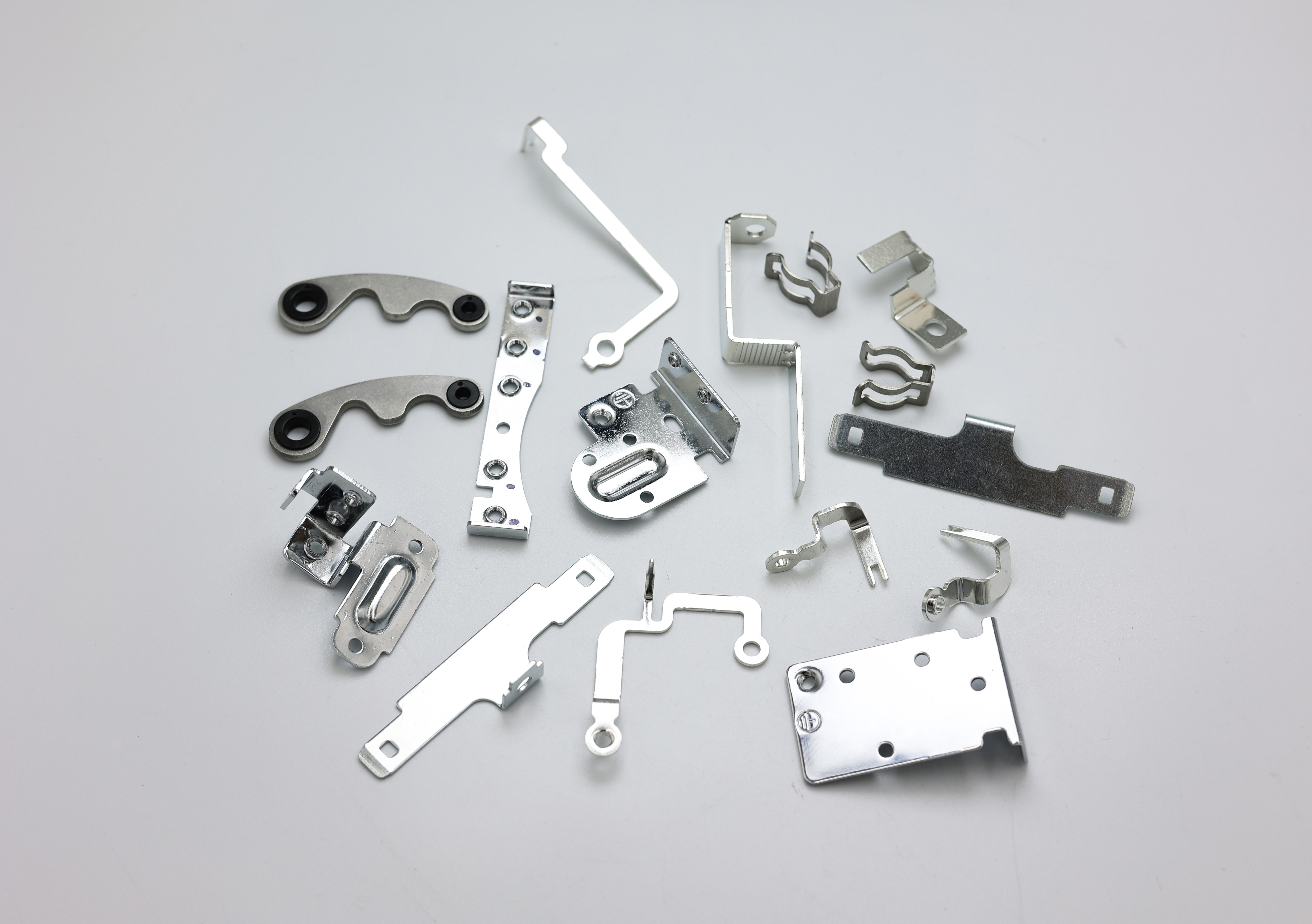
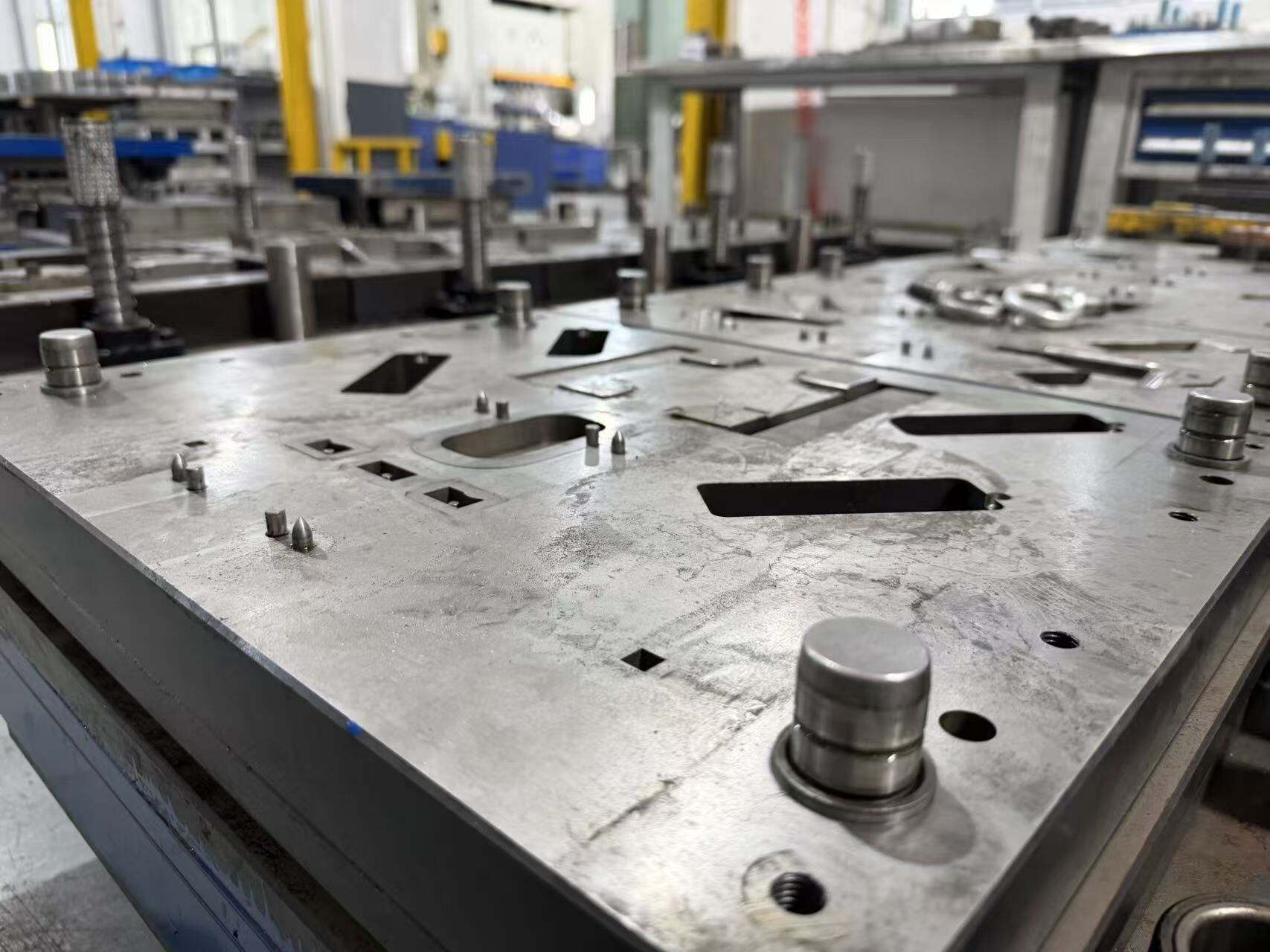
Sheet metal panels represent a fundamental component in modern construction and manufacturing industries, serving as versatile building materials that combine structural integrity with aesthetic appeal. These engineered panels are manufactured from various metal alloys, including steel, aluminum, stainless steel, and copper, through precision forming processes that create flat or corrugated surfaces suitable for numerous applications. The primary functions of sheet metal panels encompass structural support, weather protection, thermal insulation, and architectural enhancement across residential, commercial, and industrial projects. Their technological features include advanced coating systems that provide corrosion resistance, fire retardant properties, and enhanced durability against environmental elements. Modern sheet metal panels incorporate sophisticated manufacturing techniques such as roll forming, press braking, and laser cutting, which enable precise dimensional control and consistent quality standards. The panels feature interlocking systems and standardized connection methods that facilitate rapid installation while maintaining structural continuity. Applications span across roofing systems, wall cladding, interior partitions, equipment enclosures, and decorative facades. In roofing applications, sheet metal panels provide superior water drainage through designed profiles and integrated guttering systems. Wall cladding applications benefit from the panels' ability to create seamless exterior surfaces that resist moisture penetration while allowing thermal expansion. Industrial applications utilize sheet metal panels for equipment housing, ventilation systems, and protective barriers due to their electromagnetic shielding properties and chemical resistance. The panels accommodate various architectural styles through customizable profiles, colors, and surface finishes, enabling architects to achieve specific aesthetic objectives while maintaining functional performance requirements.
New Products

Sheet metal panels deliver exceptional value through their remarkable durability and longevity, typically lasting decades with minimal maintenance requirements. This extended lifespan translates directly into cost savings for property owners who avoid frequent replacement expenses associated with alternative materials. The panels resist corrosion, impact damage, and extreme weather conditions, maintaining their structural integrity and appearance throughout their service life. Installation efficiency represents another significant advantage, as sheet metal panels feature lightweight construction that reduces structural load requirements and enables faster assembly processes. Professional installation teams can cover large areas quickly using standard tools and equipment, minimizing labor costs and project timelines. The panels' standardized dimensions and connection systems eliminate complex fitting procedures, reducing installation errors and material waste. Cost effectiveness extends beyond initial purchase prices, encompassing reduced maintenance expenses, energy efficiency benefits, and insurance premium advantages. Many insurance providers offer reduced premiums for buildings equipped with fire-resistant sheet metal panels, recognizing their contribution to property protection. Energy efficiency benefits stem from reflective surface coatings that reduce cooling loads during summer months and thermal barrier properties that improve heating efficiency during winter periods. Environmental sustainability adds compelling value through recyclability and resource conservation. Sheet metal panels contain high percentages of recycled content and maintain their material properties through multiple recycling cycles, supporting circular economy principles. Manufacturing processes utilize energy-efficient techniques that minimize carbon footprint while producing consistent quality products. Versatility enables adaptation to diverse architectural requirements and functional specifications. Custom fabrication options accommodate unique design challenges, while standard profiles meet common construction needs efficiently. The panels integrate seamlessly with various building systems, including insulation, ventilation, and electrical installations. Fire resistance properties provide critical safety advantages, particularly in commercial and industrial applications where building codes mandate specific fire ratings. Sheet metal panels achieve superior fire ratings compared to combustible alternatives, contributing to occupant safety and property protection objectives.

Latest News

How To Determine The Chemical Stability Of Materials

10

Mar

How To Determine The Chemical Stability Of Materials

View More
Testing Standards For Corrosion Resistance Of Automotive Parts

10

Mar

Testing Standards For Corrosion Resistance Of Automotive Parts

View More

Get a Free Quote

Our representative will contact you soon.
Email
Mobile/WhatsApp
Name
Company Name
Message
0/1000

sheet metal panels

Superior Weather Protection and Structural Performance

Superior Weather Protection and Structural Performance

Sheet metal panels excel in providing comprehensive weather protection through their engineered design features and advanced material properties that safeguard buildings against diverse environmental challenges. The panels' interlocking profiles create continuous weather barriers that prevent water infiltration, wind damage, and thermal cycling effects that commonly affect alternative building materials. Advanced coating technologies enhance natural metal properties with specialized finishes that resist ultraviolet radiation, acid rain, salt spray, and industrial pollutants, ensuring long-term performance in harsh environments. The structural performance of sheet metal panels derives from their high strength-to-weight ratio, which enables spanning capabilities that reduce support structure requirements while maintaining load-bearing capacity. This characteristic proves particularly valuable in large commercial and industrial applications where maximizing clear spans reduces construction costs and improves functional flexibility. Thermal expansion accommodation through designed connection systems prevents stress concentration and panel distortion, maintaining weather seal integrity throughout seasonal temperature variations. The panels' resistance to freeze-thaw cycles eliminates common failure modes associated with porous materials, while their non-absorbent surfaces prevent moisture-related deterioration such as mold growth, rot, and pest infiltration. Wind resistance capabilities exceed industry standards through tested connection systems and aerodynamic profiles that minimize uplift forces and pressure differentials. Seismic performance benefits from the panels' flexibility and ductility, allowing controlled movement during ground motion events without catastrophic failure. Impact resistance protects against hail damage, debris strikes, and accidental contact, maintaining building envelope integrity and reducing repair requirements. The combination of these protective features creates building systems that require minimal maintenance while providing reliable performance throughout extended service lives, delivering exceptional value for property owners and occupants.
Energy Efficiency and Thermal Management Excellence

Energy Efficiency and Thermal Management Excellence

Sheet metal panels contribute significantly to building energy efficiency through innovative thermal management features that reduce heating and cooling costs while improving occupant comfort levels. Reflective surface coatings utilize advanced pigment technologies that reflect solar radiation, reducing heat gain during summer months and lowering air conditioning loads by up to thirty percent compared to darker surfaces. This solar reflectance capability proves especially valuable in commercial buildings where cooling costs represent major operational expenses. Thermal barrier systems integrate with sheet metal panels to create continuous insulation envelopes that eliminate thermal bridging and reduce heat transfer through building assemblies. The panels' low thermal mass characteristics enable rapid response to temperature control systems, improving HVAC efficiency and reducing energy consumption during startup periods. Ventilation integration capabilities allow sheet metal panels to incorporate natural ventilation systems that reduce mechanical cooling requirements while maintaining indoor air quality standards. Cool roof technology embedded in specialized panel coatings achieves high solar reflectance and thermal emittance values that qualify for energy efficiency tax credits and utility rebates in many jurisdictions. The panels' contribution to passive solar design strategies includes optimized profiles that control solar heat gain while maximizing beneficial daylight penetration, reducing artificial lighting requirements during daytime hours. Moisture management through designed drainage systems prevents condensation accumulation that can reduce insulation effectiveness and create indoor air quality problems. The panels' compatibility with renewable energy systems enables integration of photovoltaic arrays and solar thermal collectors without compromising structural integrity or weather protection performance. Building envelope optimization through continuous sheet metal panel systems eliminates air leakage paths that commonly occur at material transitions, improving overall energy performance ratings and qualifying buildings for green certification programs such as LEED and ENERGY STAR.
Versatile Design Flexibility and Customization Options

Versatile Design Flexibility and Customization Options

Sheet metal panels offer unprecedented design flexibility through extensive customization options that enable architects and designers to achieve specific aesthetic objectives while maintaining optimal functional performance characteristics. Profile variety encompasses standing seam systems, corrugated designs, flat lock configurations, and architectural reveals that accommodate diverse architectural styles from traditional to contemporary applications. Custom profile development capabilities allow manufacturers to create unique designs that meet specific project requirements, including complex curves, angles, and transitions that integrate seamlessly with building geometry. Color selection extends far beyond standard options through custom coating systems that match specific architectural palettes or corporate branding requirements. Advanced coating technologies enable metallic finishes, textured surfaces, and specialty effects that simulate natural materials while retaining the durability advantages of metal construction. Perforated panel options provide acoustic control and visual interest while maintaining structural performance, making them ideal for applications requiring sound absorption or decorative screening. Dimensional flexibility accommodates projects ranging from residential renovations to large-scale commercial developments through custom length capabilities and width variations that minimize waste and optimize installation efficiency. Integration compatibility enables sheet metal panels to work effectively with diverse building systems, including structural frameworks, insulation assemblies, and mechanical equipment installations. The panels adapt to challenging architectural features such as curved surfaces, sloped transitions, and complex intersections through field-forming capabilities and specialized accessories. Surface preparation options include mill finish, pre-painted systems, and post-installation coating applications that provide designers with maximum flexibility in achieving desired appearances. Sustainability considerations integrate into design flexibility through recycled content options, low-emission coatings, and end-of-life recyclability features that support green building objectives. Modular design principles enable phased construction approaches and future expansion capabilities while maintaining architectural continuity and weather protection integrity throughout building modifications.

Get a Free Quote

Our representative will contact you soon.
Email
Mobile/WhatsApp
Name
Company Name
Message
0/1000