Custom Sheet Metal Parts - Precision Fabricated Components for Industrial Applications

All Categories

Get a Free Quote

Our representative will contact you soon.
Email
Mobile/WhatsApp
Name
Company Name
Message
0/1000

custom sheet metal parts

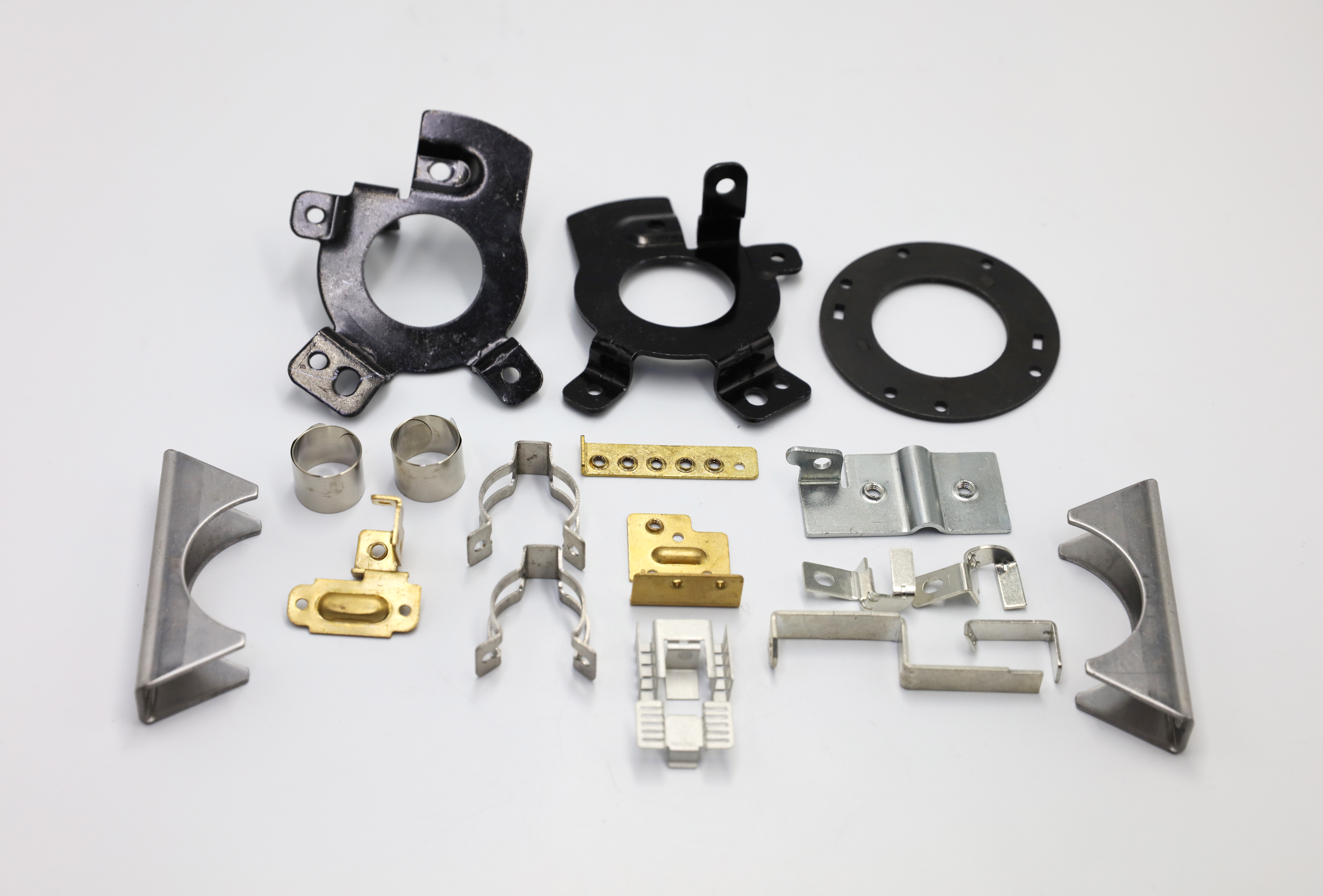
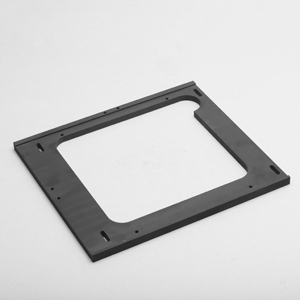
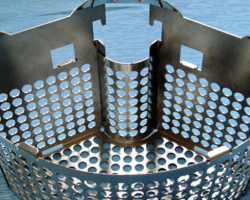
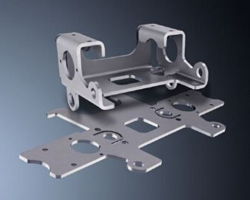
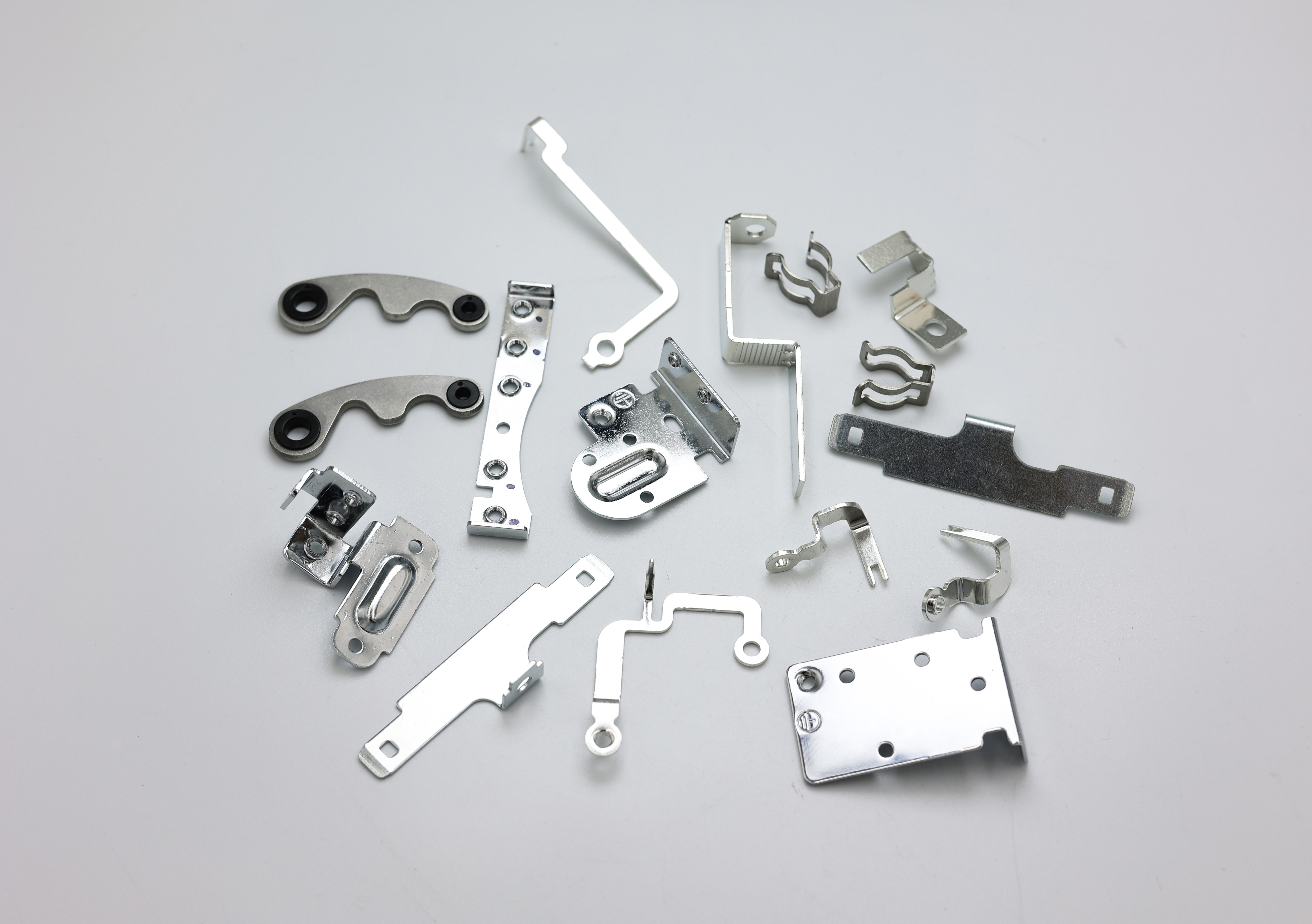
Custom sheet metal parts represent a cornerstone of modern manufacturing, offering tailored solutions that meet specific engineering requirements across diverse industries. These precision-engineered components are fabricated from various metal materials including steel, aluminum, stainless steel, copper, and specialized alloys, each selected based on the intended application's demands. The manufacturing process involves sophisticated techniques such as laser cutting, punching, bending, welding, and forming, which transform flat metal sheets into complex three-dimensional structures. Custom sheet metal parts serve multiple critical functions including structural support, protective enclosures, heat dissipation, electromagnetic shielding, and aesthetic enhancement. Their technological features encompass precise dimensional tolerances, consistent material properties, excellent surface finishes, and the ability to incorporate intricate geometries that would be impossible with traditional machining methods. The versatility of custom sheet metal parts makes them indispensable across numerous sectors including automotive, aerospace, electronics, telecommunications, medical devices, HVAC systems, and industrial equipment. In automotive applications, these components form body panels, brackets, and chassis elements that must withstand extreme conditions while maintaining structural integrity. The aerospace industry relies on custom sheet metal parts for aircraft fuselages, wing components, and engine housings where weight reduction and strength are paramount. Electronics manufacturers utilize these parts for enclosures, heat sinks, and mounting brackets that protect sensitive components while facilitating proper thermal management. The medical industry depends on custom sheet metal parts for surgical instruments, diagnostic equipment housings, and hospital furniture that requires biocompatible materials and sterile surfaces. HVAC systems incorporate these components as ductwork, fan housings, and control panels that must resist corrosion while maintaining optimal airflow characteristics.
Popular Products

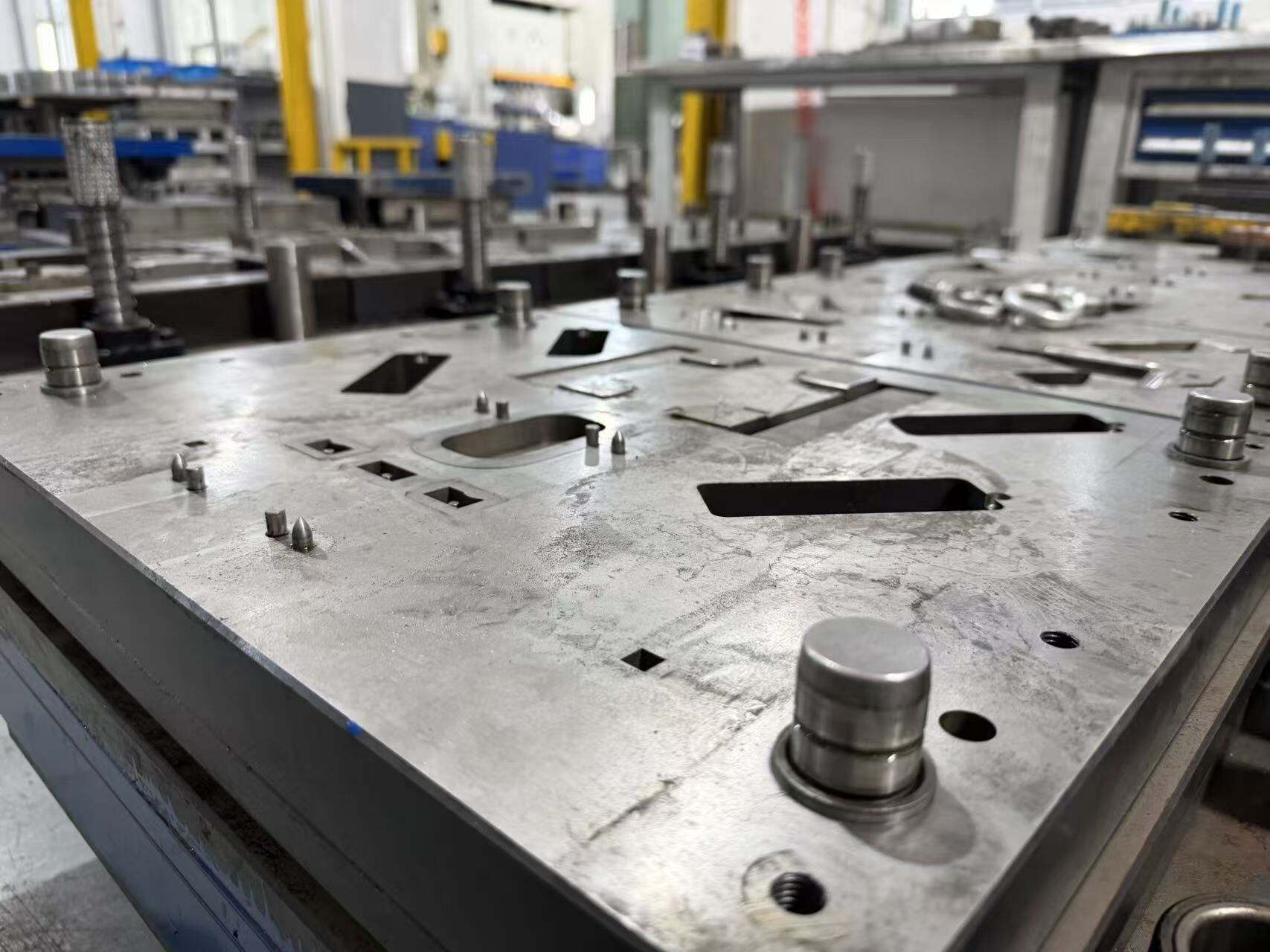
Custom sheet metal parts deliver exceptional value through their remarkable versatility and cost-effectiveness compared to alternative manufacturing methods. Manufacturers can produce these components in quantities ranging from single prototypes to high-volume production runs, making them suitable for startups and established corporations alike. The design flexibility inherent in sheet metal fabrication allows engineers to create complex geometries, incorporate multiple bends, add mounting features, and integrate functional elements without requiring expensive tooling modifications. This adaptability significantly reduces development time and enables rapid prototyping, allowing companies to test and refine designs before committing to full production. The material efficiency of sheet metal processes minimizes waste, as manufacturers can optimize nesting patterns to maximize material utilization and reduce raw material costs. Custom sheet metal parts offer superior strength-to-weight ratios, making them ideal for applications where structural integrity must be maintained while minimizing overall system weight. The durability of these components ensures long-term performance in demanding environments, reducing maintenance costs and extending service life. Surface treatment options such as powder coating, anodizing, plating, and painting provide enhanced corrosion resistance, improved aesthetics, and specialized functional properties like electrical conductivity or insulation. The precision achievable through modern fabrication techniques ensures consistent part quality, tight dimensional tolerances, and reliable fit and finish across production runs. Lead times for custom sheet metal parts are typically shorter than cast or machined alternatives, enabling faster product launches and improved time-to-market advantages. The scalability of sheet metal manufacturing allows companies to adjust production volumes based on market demand without significant capital investments in new equipment or tooling. Quality control measures including dimensional inspection, material testing, and surface finish verification ensure that every custom sheet metal part meets specified requirements and industry standards. Environmental benefits include the recyclability of metal materials and the energy efficiency of modern fabrication processes, supporting sustainability initiatives while reducing environmental impact.

Practical Tips

Automotive Armrest Slide Rail Production Factory: The Cradle of Quality and Innovation

10

Mar

Automotive Armrest Slide Rail Production Factory: The Cradle of Quality and Innovation

View More
How To Choose Appropriate Automotive Parts According To Testing Standards

10

Mar

How To Choose Appropriate Automotive Parts According To Testing Standards

View More
Testing Standards For Corrosion Resistance Of Automotive Parts

10

Mar

Testing Standards For Corrosion Resistance Of Automotive Parts

View More

Get a Free Quote

Our representative will contact you soon.
Email
Mobile/WhatsApp
Name
Company Name
Message
0/1000

custom sheet metal parts

Precision Engineering and Dimensional Accuracy

Precision Engineering and Dimensional Accuracy

Custom sheet metal parts achieve exceptional precision through advanced computer-controlled manufacturing processes that deliver consistent dimensional accuracy across all production volumes. Modern laser cutting systems utilize high-powered beams guided by sophisticated software to create intricate patterns, precise holes, and complex contours with tolerances as tight as ±0.001 inches. This level of precision eliminates the need for secondary machining operations in many applications, reducing production time and costs while ensuring perfect fit and function in assembly operations. CNC punching equipment employs programmable tooling systems that can create hundreds of different hole sizes, shapes, and patterns without manual intervention, maintaining consistent quality throughout production runs. Precision bending operations utilize computer-controlled press brakes equipped with advanced back-gauge systems and angle measurement technology to achieve exact bend angles and dimensions repeatedly. The integration of CAD/CAM software enables manufacturers to translate complex engineering drawings into precise machine instructions, eliminating human error and ensuring that every custom sheet metal part matches design specifications exactly. Quality assurance protocols include coordinate measuring machine inspections, laser scanning verification, and statistical process control monitoring to maintain dimensional accuracy throughout production. This precision engineering capability enables custom sheet metal parts to meet the stringent requirements of industries such as aerospace, medical devices, and precision electronics where even minor dimensional variations can compromise performance or safety. The ability to maintain tight tolerances across large production quantities ensures interchangeability of parts, simplifies assembly processes, and reduces field service issues. Advanced nesting software optimizes material utilization while maintaining precision, allowing manufacturers to minimize waste without compromising accuracy. The precision achievable with custom sheet metal parts often eliminates the need for adjustment mechanisms or compensation features in final assemblies, simplifying design requirements and reducing overall system complexity while improving reliability and performance.
Material Versatility and Performance Optimization

Material Versatility and Performance Optimization

Custom sheet metal parts offer unparalleled material versatility, enabling manufacturers to select optimal materials based on specific performance requirements, environmental conditions, and cost considerations. The extensive range of available materials includes carbon steel for high-strength structural applications, stainless steel for corrosion resistance and hygiene requirements, aluminum for lightweight and heat dissipation needs, copper for electrical conductivity and thermal management, and specialized alloys for extreme temperature or chemical resistance applications. Each material brings unique properties that can be leveraged to optimize component performance while meeting budget constraints and manufacturing requirements. Stainless steel grades such as 304, 316, and 430 provide varying levels of corrosion resistance, making custom sheet metal parts suitable for food processing equipment, marine environments, and chemical processing applications. Aluminum alloys offer excellent strength-to-weight ratios and natural corrosion resistance, making them ideal for aerospace components, automotive panels, and electronic enclosures where weight reduction is critical. Carbon steel provides exceptional strength and formability at economical costs, suitable for structural components, machinery frames, and industrial equipment housings. Copper and brass materials deliver superior electrical and thermal conductivity for applications requiring heat dissipation or electrical grounding. The selection process considers factors such as mechanical properties, environmental resistance, fabrication characteristics, and lifecycle costs to ensure optimal material choice for each application. Surface treatments and coatings can further enhance material performance, adding properties such as enhanced corrosion resistance, improved wear characteristics, electrical insulation, or specialized functional coatings. The ability to combine different materials in multi-part assemblies allows designers to optimize each component for its specific function while maintaining overall system performance. Material certifications and traceability ensure compliance with industry standards and regulatory requirements, particularly important in aerospace, medical, and food processing applications where material properties must be documented and verified.
Rapid Prototyping and Scalable Production

Rapid Prototyping and Scalable Production

Custom sheet metal parts excel in providing seamless transitions from initial concept development through high-volume production, offering manufacturers unprecedented flexibility in product development and market responsiveness. The rapid prototyping capabilities inherent in sheet metal fabrication enable companies to create functional prototypes within days of design completion, dramatically accelerating product development cycles and reducing time-to-market pressures. Unlike injection molding or casting processes that require expensive tooling investments, sheet metal fabrication utilizes flexible manufacturing equipment that can produce prototype quantities economically without dedicated tooling costs. This capability allows design teams to test form, fit, and function early in the development process, identify potential issues, and implement design improvements before committing to production tooling or processes. The iterative design process becomes cost-effective as multiple design variations can be evaluated quickly and affordably, leading to optimized final designs that meet performance requirements while minimizing manufacturing costs. Scalability represents another critical advantage as production volumes can increase seamlessly from prototype quantities to thousands or millions of parts without requiring fundamental changes to manufacturing processes or significant capital investments. The same equipment and processes used for prototyping can handle production volumes efficiently, ensuring consistency between prototype and production parts while minimizing validation requirements. Advanced planning software enables manufacturers to optimize production schedules, manage material requirements, and coordinate multiple projects simultaneously while maintaining quality standards and delivery commitments. The flexibility to adjust production volumes based on market demand provides manufacturers with competitive advantages in dynamic markets where demand fluctuations are common. Just-in-time manufacturing capabilities reduce inventory carrying costs while ensuring product availability when needed. The combination of rapid prototyping and scalable production enables custom sheet metal parts to support agile manufacturing strategies that respond quickly to market opportunities while minimizing financial risks associated with traditional manufacturing approaches that require significant upfront investments in tooling and equipment.

Get a Free Quote

Our representative will contact you soon.
Email
Mobile/WhatsApp
Name
Company Name
Message
0/1000