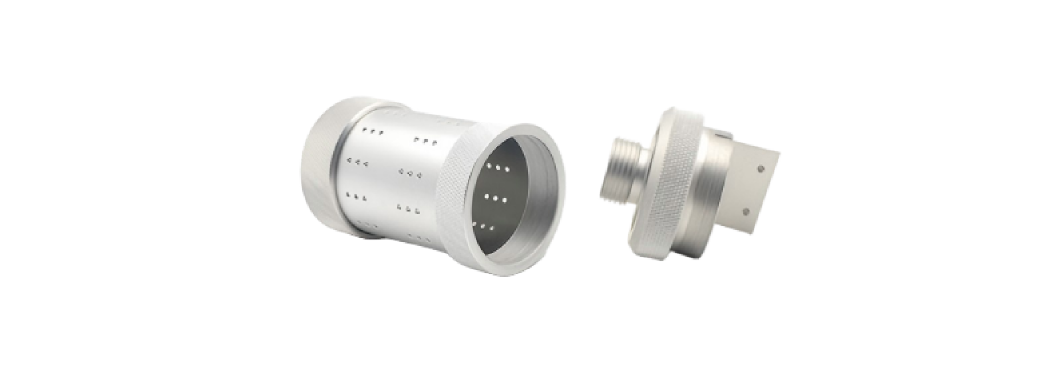
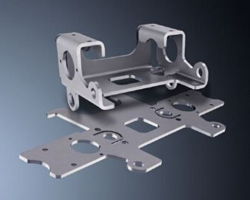
custom cnc machining
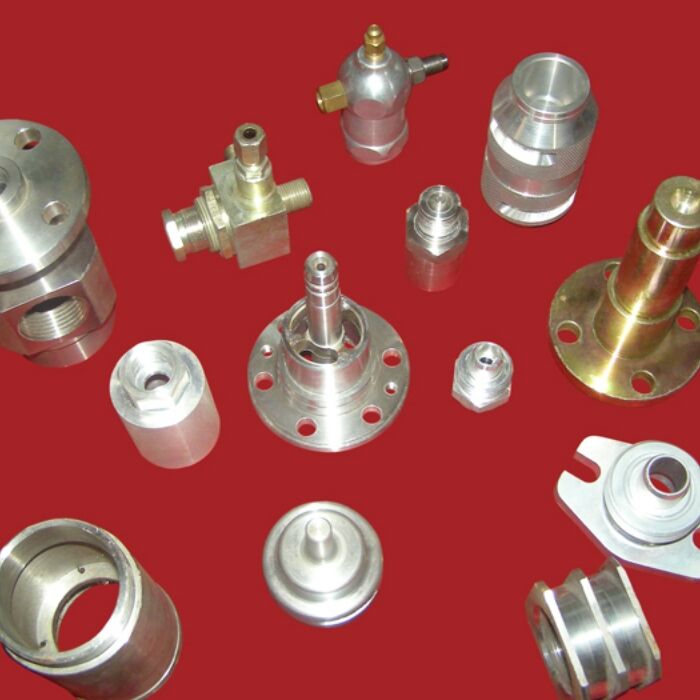
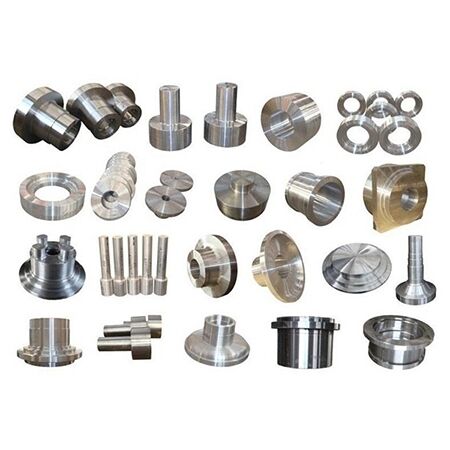
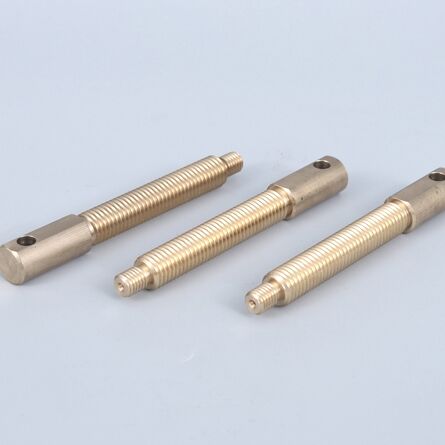
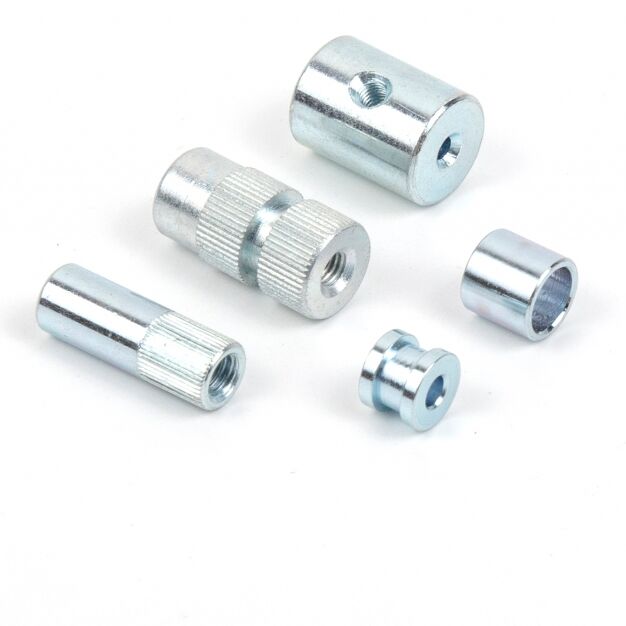
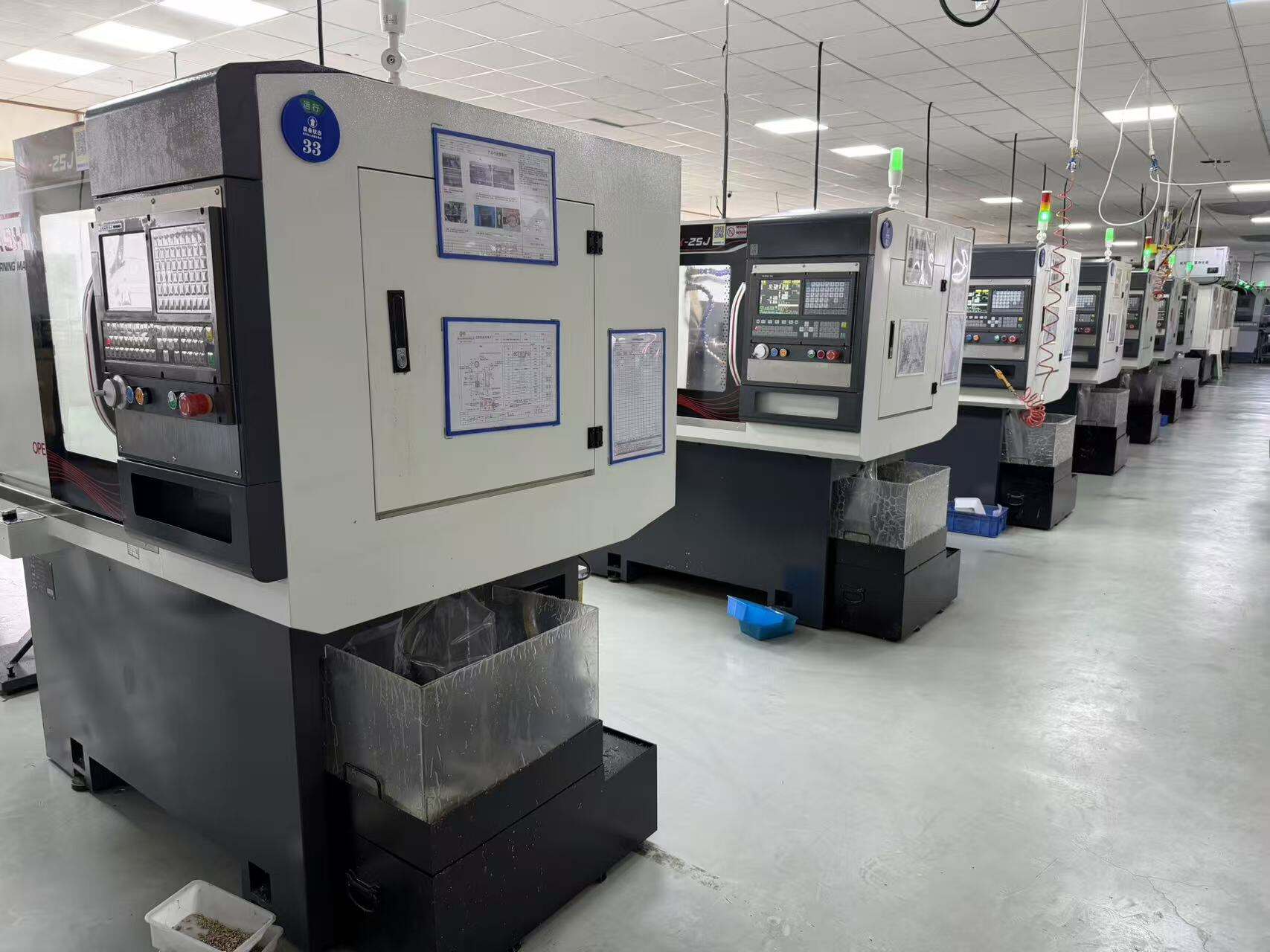
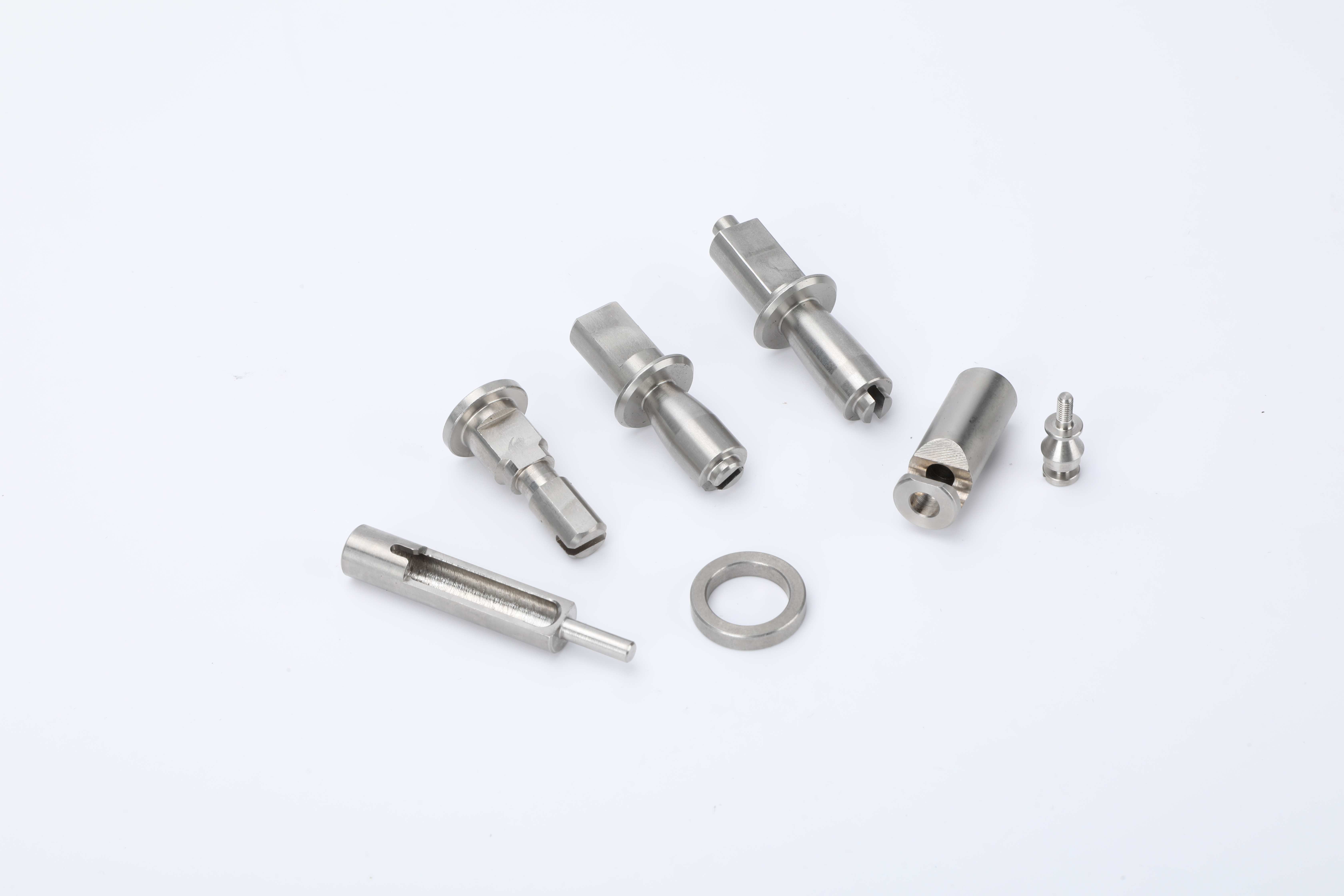
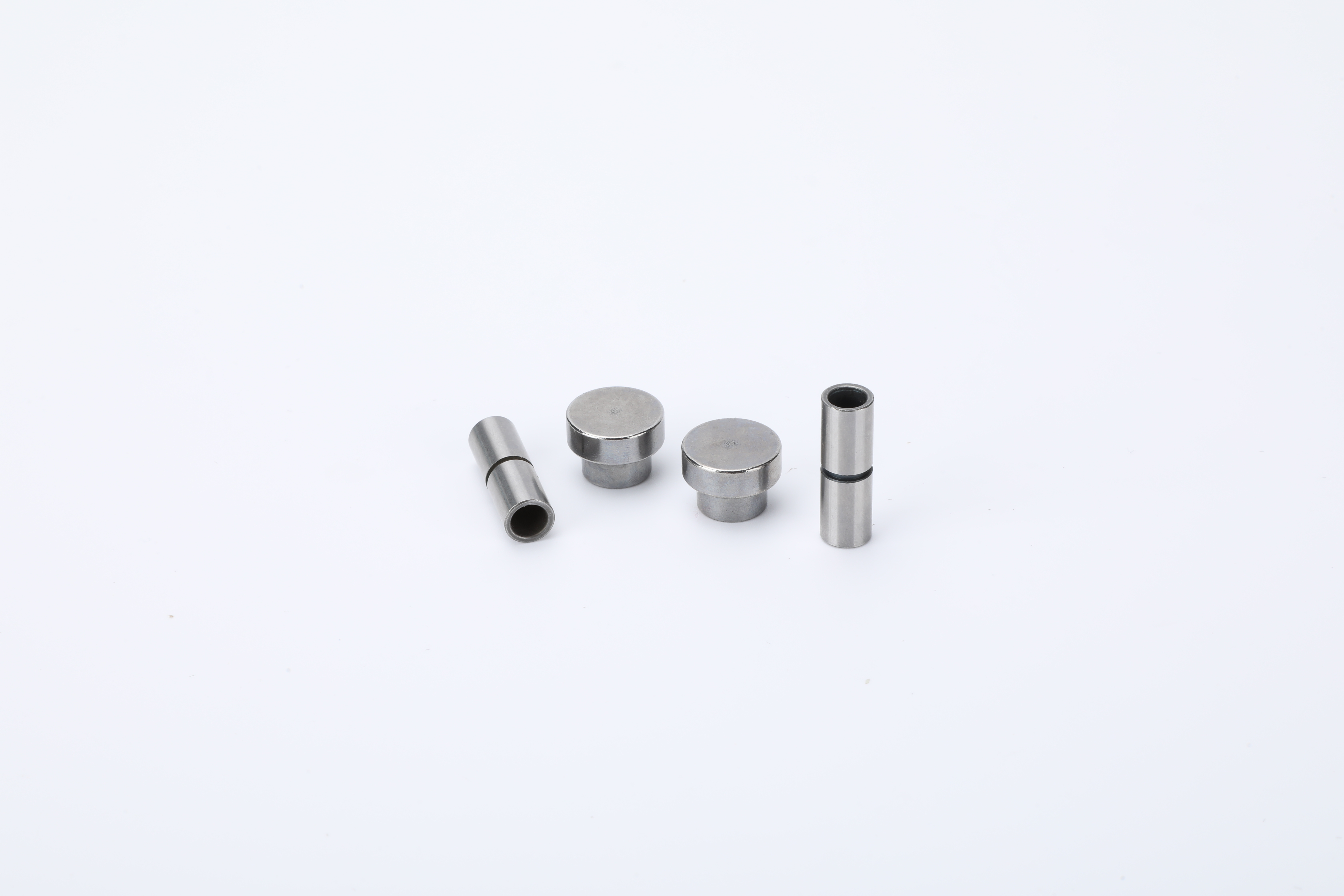
Custom CNC machining represents a revolutionary approach to precision manufacturing that transforms raw materials into exact specifications through computer-controlled cutting tools. This advanced manufacturing process utilizes sophisticated software and automated machinery to produce components with exceptional accuracy and consistency. Custom CNC machining operates through precise programming that directs machine tools along predetermined paths, removing material from workpieces to create intricate geometries and complex shapes that would be impossible to achieve through traditional manufacturing methods. The technology encompasses various machining operations including milling, turning, drilling, grinding, and electrical discharge machining, all controlled by computer numerical control systems. Modern custom CNC machining centers feature multi-axis capabilities, allowing simultaneous movement across multiple planes to produce three-dimensional components with remarkable precision. The process begins with digital design files, typically CAD models, which are converted into machine-readable instructions through specialized CAM software. These programs calculate optimal tool paths, cutting speeds, and feed rates to maximize efficiency while maintaining quality standards. Custom CNC machining accommodates diverse materials ranging from metals like aluminum, steel, titanium, and brass to advanced plastics, composites, and exotic alloys. The technology finds extensive applications across aerospace, automotive, medical device manufacturing, electronics, defense, and consumer goods industries. In aerospace applications, custom CNC machining produces critical flight components requiring exceptional strength-to-weight ratios and dimensional accuracy. The automotive sector relies on this technology for engine components, transmission parts, and precision tooling. Medical device manufacturers utilize custom CNC machining to create surgical instruments, implants, and diagnostic equipment that meet stringent regulatory requirements. The electronics industry benefits from the ability to produce intricate housings, heat sinks, and connector components with tight tolerances. Custom CNC machining also supports rapid prototyping initiatives, enabling engineers to quickly iterate designs and validate concepts before full-scale production, significantly reducing development timelines and costs while improving final product quality.

 EN
EN