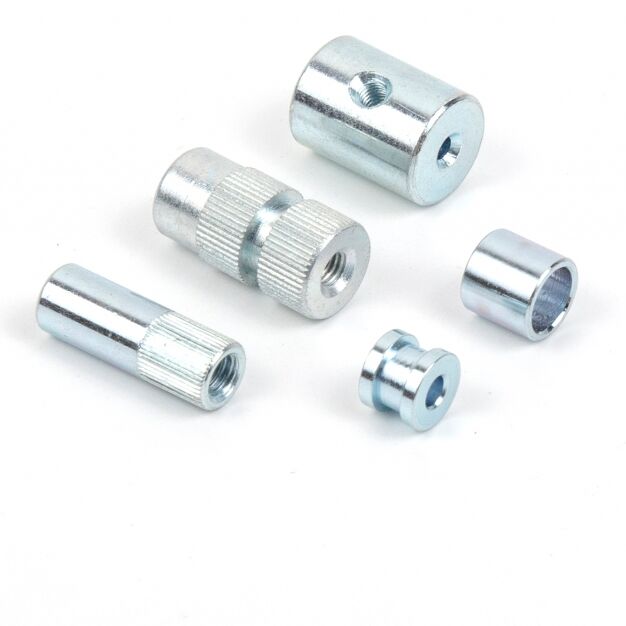
Custom CNC Machining Services - Precision Manufacturing Solutions for Complex Components

All Categories

Get a Free Quote

Our representative will contact you soon.
Email
Mobile/WhatsApp
Name
Company Name
Message
0/1000

custom cnc machining

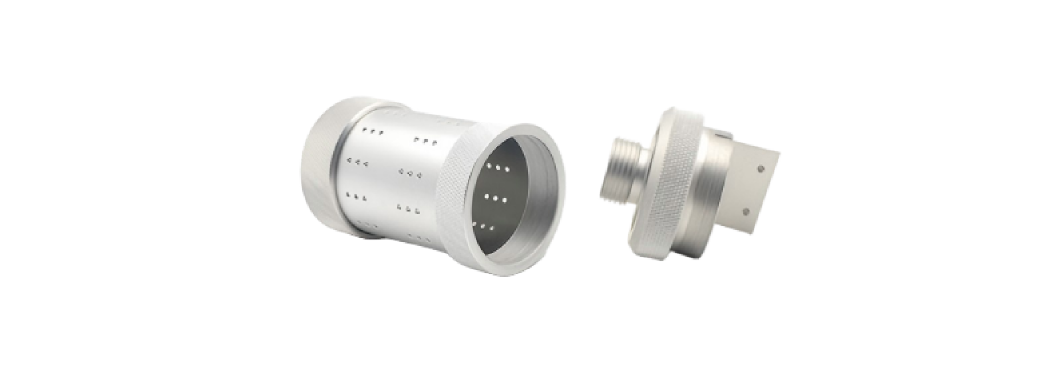
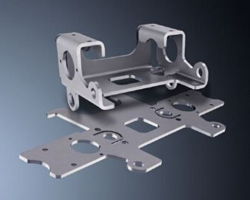
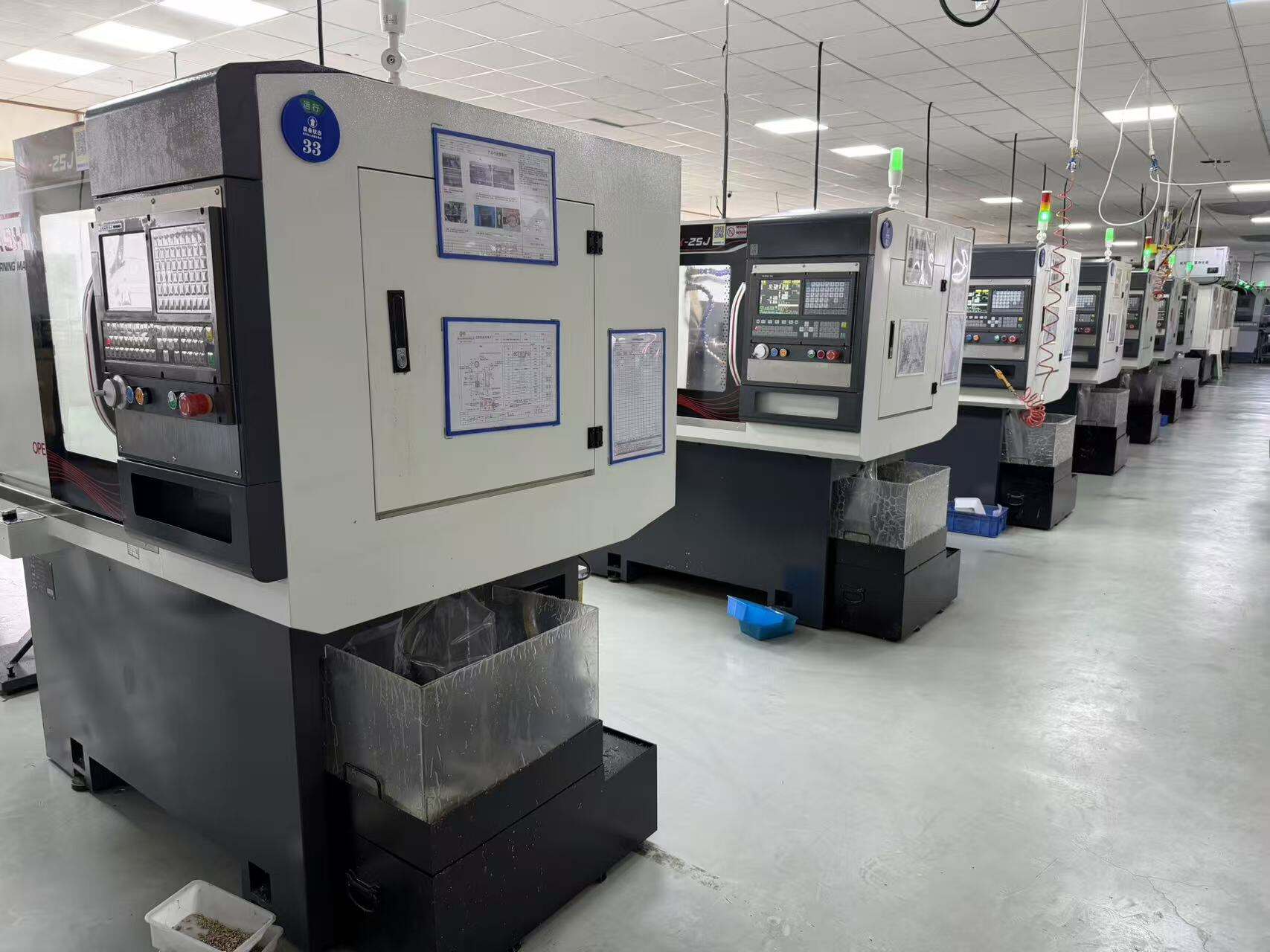
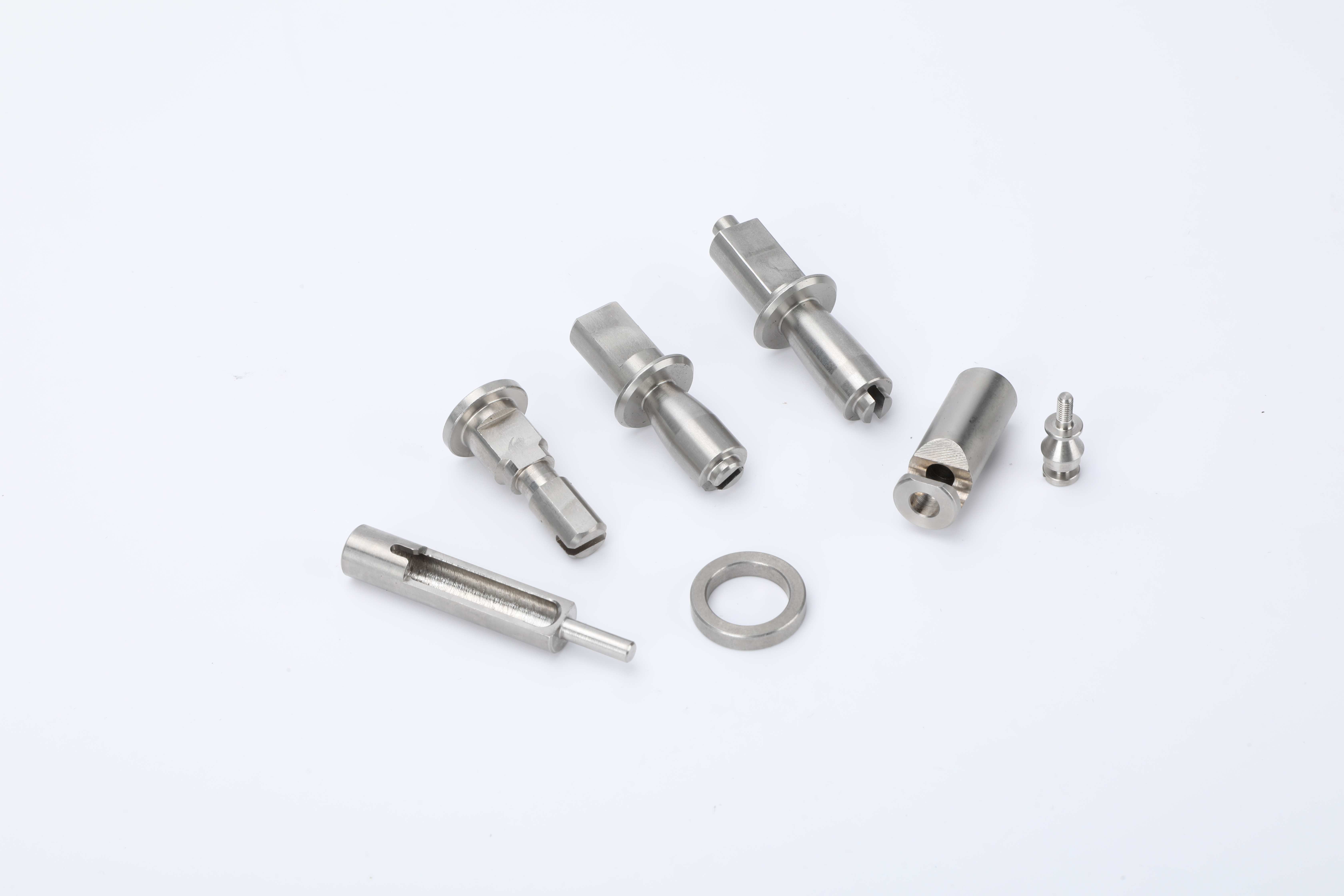
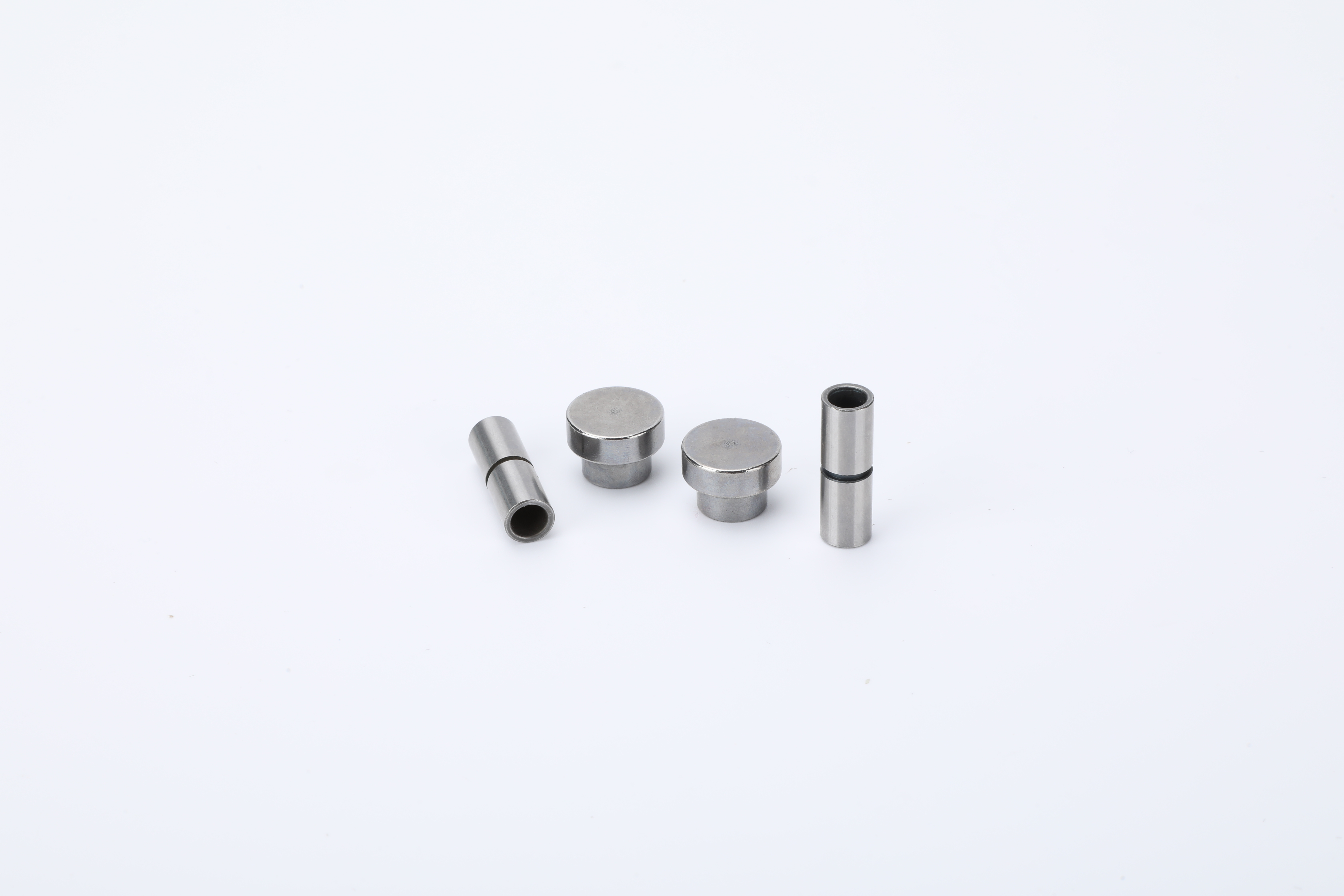
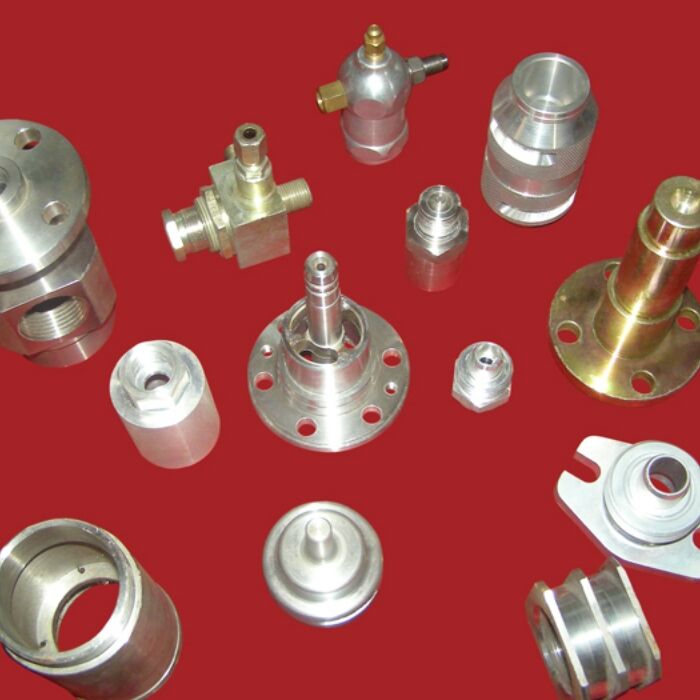
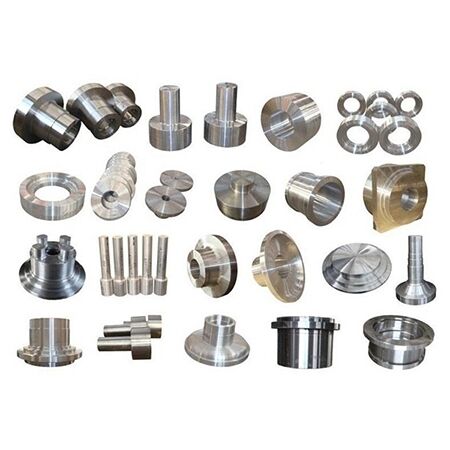
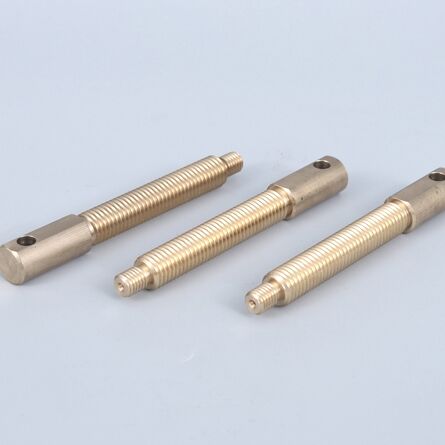
Custom CNC machining represents a revolutionary approach to precision manufacturing that transforms raw materials into exact specifications through computer-controlled cutting tools. This advanced manufacturing process utilizes sophisticated software and automated machinery to produce components with exceptional accuracy and consistency. Custom CNC machining operates through precise programming that directs machine tools along predetermined paths, removing material from workpieces to create intricate geometries and complex shapes that would be impossible to achieve through traditional manufacturing methods. The technology encompasses various machining operations including milling, turning, drilling, grinding, and electrical discharge machining, all controlled by computer numerical control systems. Modern custom CNC machining centers feature multi-axis capabilities, allowing simultaneous movement across multiple planes to produce three-dimensional components with remarkable precision. The process begins with digital design files, typically CAD models, which are converted into machine-readable instructions through specialized CAM software. These programs calculate optimal tool paths, cutting speeds, and feed rates to maximize efficiency while maintaining quality standards. Custom CNC machining accommodates diverse materials ranging from metals like aluminum, steel, titanium, and brass to advanced plastics, composites, and exotic alloys. The technology finds extensive applications across aerospace, automotive, medical device manufacturing, electronics, defense, and consumer goods industries. In aerospace applications, custom CNC machining produces critical flight components requiring exceptional strength-to-weight ratios and dimensional accuracy. The automotive sector relies on this technology for engine components, transmission parts, and precision tooling. Medical device manufacturers utilize custom CNC machining to create surgical instruments, implants, and diagnostic equipment that meet stringent regulatory requirements. The electronics industry benefits from the ability to produce intricate housings, heat sinks, and connector components with tight tolerances. Custom CNC machining also supports rapid prototyping initiatives, enabling engineers to quickly iterate designs and validate concepts before full-scale production, significantly reducing development timelines and costs while improving final product quality.

New Product Releases

Custom CNC machining delivers unparalleled precision that consistently achieves tolerances within micrometers, ensuring every component meets exact specifications without deviation. This precision eliminates the variability associated with manual machining processes, providing manufacturers with confidence that each part will perform exactly as designed. The technology offers exceptional versatility, capable of producing simple brackets to complex aerospace components from a single setup, reducing handling time and potential errors. Custom CNC machining significantly reduces production lead times compared to traditional manufacturing methods, as programs can be quickly modified and executed without extensive retooling or setup changes. This speed advantage becomes particularly valuable for urgent projects or rapid prototyping requirements where time-to-market considerations are critical. The process generates minimal waste through optimized cutting paths and precise material removal, contributing to cost savings and environmental sustainability. Quality control benefits tremendously from custom CNC machining, as automated processes eliminate human error and maintain consistent results across entire production runs. The technology supports complex geometries that would be impossible or prohibitively expensive using conventional machining methods, opening new design possibilities for engineers and product developers. Custom CNC machining provides excellent scalability, efficiently handling both single prototypes and high-volume production runs without compromising quality or delivery schedules. Material flexibility represents another significant advantage, as the same equipment can process various materials by simply changing cutting tools and adjusting program parameters. This adaptability reduces equipment investment requirements while expanding manufacturing capabilities. The digital nature of custom CNC machining enables easy program storage and retrieval, allowing manufacturers to quickly reproduce previously machined components years later with identical specifications. Documentation and traceability improve substantially, as every machining operation is recorded and can be audited for quality assurance purposes. Custom CNC machining reduces labor costs by automating complex operations that would otherwise require skilled machinists, while simultaneously improving workplace safety by minimizing direct operator exposure to cutting tools and hazardous materials. The technology supports lights-out manufacturing, where machines operate unattended during off-hours, maximizing equipment utilization and increasing overall productivity. Integration capabilities allow custom CNC machining centers to connect with enterprise resource planning systems, enabling real-time production monitoring and inventory management that streamlines operations and improves decision-making processes.

Latest News

How To Determine The Chemical Stability Of Materials

10

Mar

How To Determine The Chemical Stability Of Materials

View More
Automotive Armrest Slide Rail Production Factory: The Cradle of Quality and Innovation

10

Mar

Automotive Armrest Slide Rail Production Factory: The Cradle of Quality and Innovation

View More
Testing Standards For Corrosion Resistance Of Automotive Parts

10

Mar

Testing Standards For Corrosion Resistance Of Automotive Parts

View More

Get a Free Quote

Our representative will contact you soon.
Email
Mobile/WhatsApp
Name
Company Name
Message
0/1000

custom cnc machining

Unmatched Precision and Repeatability

Unmatched Precision and Repeatability

Custom CNC machining sets the industry standard for dimensional accuracy and repeatability, consistently delivering components with tolerances measured in thousandths of inches or micrometers. This exceptional precision stems from the elimination of human variability through computer-controlled automation that executes identical operations with mechanical consistency. The technology utilizes advanced feedback systems and position encoders that continuously monitor tool position and workpiece alignment, making real-time adjustments to maintain accuracy throughout the entire machining process. This level of precision proves essential for industries where component failure could result in catastrophic consequences, such as aerospace, medical devices, and automotive safety systems. Custom CNC machining achieves remarkable repeatability by storing exact machining parameters digitally, ensuring that every subsequent part produced from the same program maintains identical specifications regardless of when it is manufactured. This consistency eliminates the need for extensive inspection and rework that typically accompanies manual machining processes, reducing overall production costs and delivery times. The precision capabilities of custom CNC machining enable the production of components with complex internal geometries, tight-fitting assemblies, and intricate surface finishes that would be impossible to achieve through conventional manufacturing methods. Advanced interpolation algorithms allow the machine to create smooth, continuous surfaces and precise angular relationships between features, resulting in components that perform exactly as designed. Quality control becomes more predictable and manageable when utilizing custom CNC machining, as the consistent results reduce statistical variation and enable more accurate process capability studies. This predictability allows manufacturers to implement lean manufacturing principles and reduce safety stock levels while maintaining high service levels. The precision of custom CNC machining also supports the growing trend toward miniaturization in electronics and medical devices, where components must fit within increasingly constrained spaces while maintaining full functionality. Furthermore, this accuracy enables the production of master gauges, precision tooling, and calibration standards that support quality control processes throughout manufacturing organizations.
Exceptional Material Versatility and Processing Capabilities

Exceptional Material Versatility and Processing Capabilities

Custom CNC machining demonstrates remarkable versatility in processing an extensive range of materials, from common aluminum and steel alloys to exotic superalloys, advanced composites, and specialized plastics used in demanding applications. This material flexibility eliminates the need for multiple specialized manufacturing processes, allowing companies to consolidate their supplier base and reduce procurement complexity. The technology accommodates materials with vastly different properties, including soft plastics that require delicate handling to prevent melting or deformation, and hardened steels that demand robust cutting tools and precise parameter control. Custom CNC machining successfully processes temperature-sensitive materials by implementing advanced cooling systems and optimized cutting strategies that minimize heat generation and preserve material properties. The process handles abrasive materials like ceramics and composites through specialized tooling and cutting techniques that maintain dimensional accuracy while extending tool life. Custom CNC machining excels at processing materials with challenging characteristics, such as titanium alloys that work-harden during cutting, or aluminum grades prone to built-up edge formation that can compromise surface finish. Advanced machine programming compensates for these material behaviors through adaptive feed rates, optimized tool paths, and strategic cooling applications. The technology supports multi-material assemblies where different materials are machined in sequence, maintaining precise relationships between components made from dissimilar materials. Custom CNC machining accommodates recycled and sustainable materials, supporting environmental initiatives while maintaining production quality standards. The process effectively handles pre-hardened materials that would be difficult or impossible to machine using conventional methods, eliminating the need for post-machining heat treatment that could introduce distortion or dimensional changes. Specialty materials used in emerging technologies, such as shape-memory alloys and advanced ceramics, can be successfully processed through custom CNC machining with appropriate tooling and parameter optimization. The material versatility extends to processing various material forms, including bar stock, plate, castings, and forgings, maximizing material utilization and minimizing waste. This comprehensive material capability enables custom CNC machining to serve diverse industries with unique material requirements while maintaining consistent quality and delivery performance.
Rapid Prototyping and Design Iteration Support

Rapid Prototyping and Design Iteration Support

Custom CNC machining revolutionizes product development through its exceptional ability to rapidly transform digital designs into physical prototypes, enabling engineers to validate concepts and iterate designs with unprecedented speed and efficiency. This capability dramatically accelerates the development process by eliminating traditional tooling requirements that can take weeks or months to produce, allowing prototype parts to be manufactured directly from CAD files within days or even hours. The rapid prototyping capabilities of custom CNC machining prove invaluable for testing form, fit, and function before committing to expensive production tooling or large-scale manufacturing investments. Engineers can quickly evaluate multiple design variations, compare performance characteristics, and optimize component geometry through iterative prototyping cycles that would be prohibitively expensive using traditional manufacturing methods. Custom CNC machining supports functional prototyping using production-grade materials, providing more accurate performance data than prototypes made from substitute materials or rapid prototyping processes like 3D printing. This material authenticity ensures that prototype testing results accurately predict production part performance, reducing the risk of discovering issues after tooling investment. The technology enables complex assembly prototyping where multiple components must work together, allowing engineers to verify interface compatibility and assembly sequences before finalizing designs. Custom CNC machining accommodates design changes quickly and cost-effectively, as modifications require only program updates rather than new tooling fabrication. This flexibility encourages innovative design exploration and enables engineers to pursue optimal solutions without excessive financial risk. The rapid prototyping capability extends to low-volume production runs, supporting market testing and pilot programs with production-quality components before scaling to high-volume manufacturing. Custom CNC machining bridges the gap between prototype and production by utilizing identical processes and materials, ensuring seamless transition from development to manufacturing. The technology supports concurrent engineering approaches where design, testing, and manufacturing teams collaborate simultaneously, reducing overall product development timelines. Documentation generated during prototype machining provides valuable insights for production planning, including cycle times, tooling requirements, and potential manufacturing challenges. Custom CNC machining enables rapid response to customer feedback during development phases, allowing design modifications based on user testing without significant delays or cost increases. This responsiveness proves particularly valuable in competitive markets where time-to-market advantages can determine product success or failure.

Get a Free Quote

Our representative will contact you soon.
Email
Mobile/WhatsApp
Name
Company Name
Message
0/1000