Premium Precision Machining Parts - Superior Accuracy & Quality Manufacturing

All Categories

Get a Free Quote

Our representative will contact you soon.
Email
Mobile/WhatsApp
Name
Company Name
Message
0/1000

precision machining parts

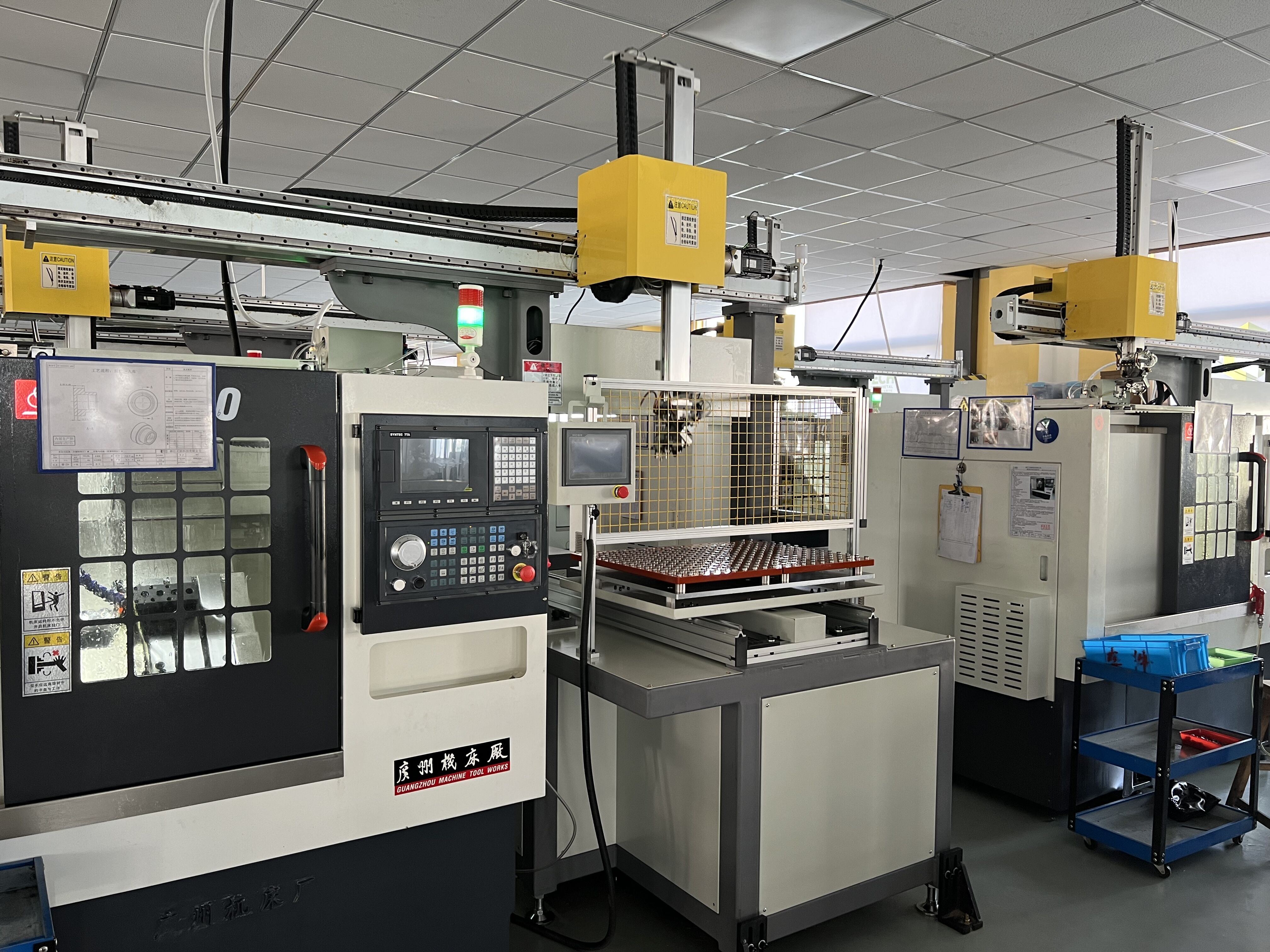
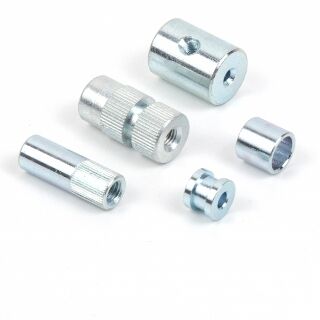
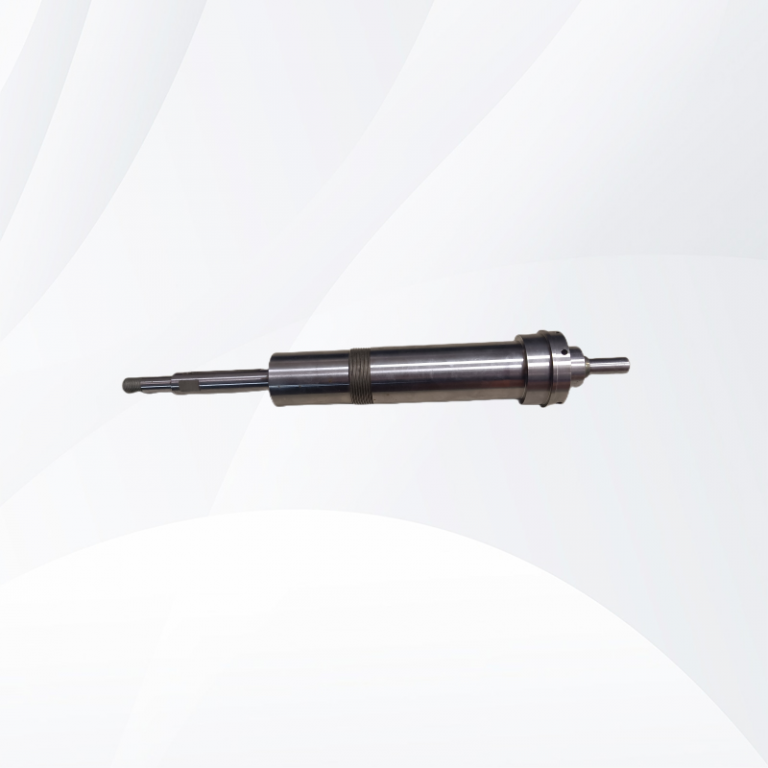
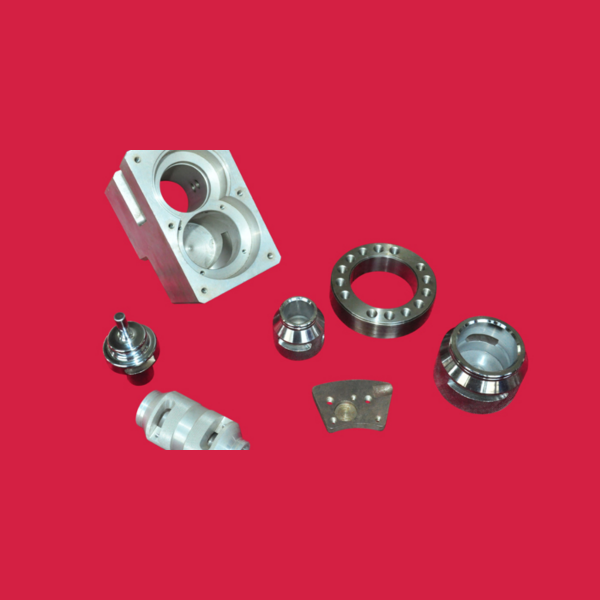
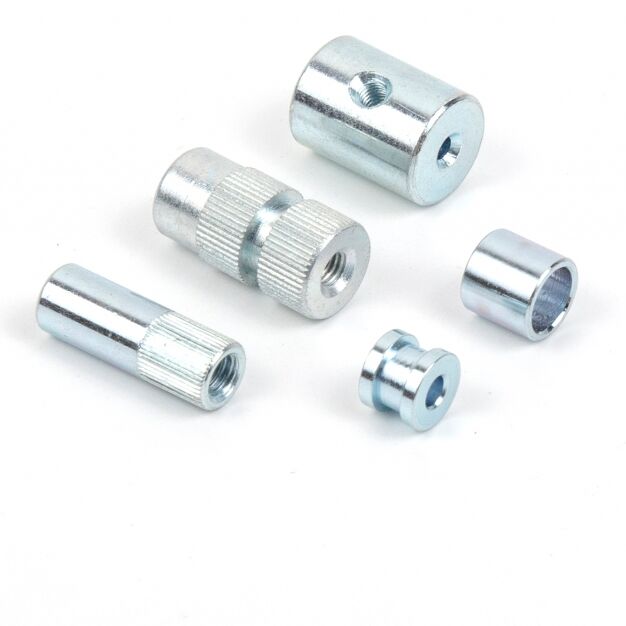
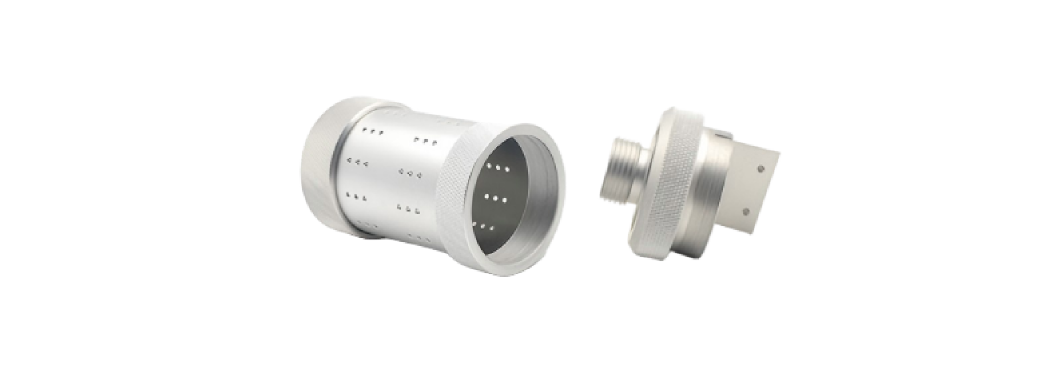
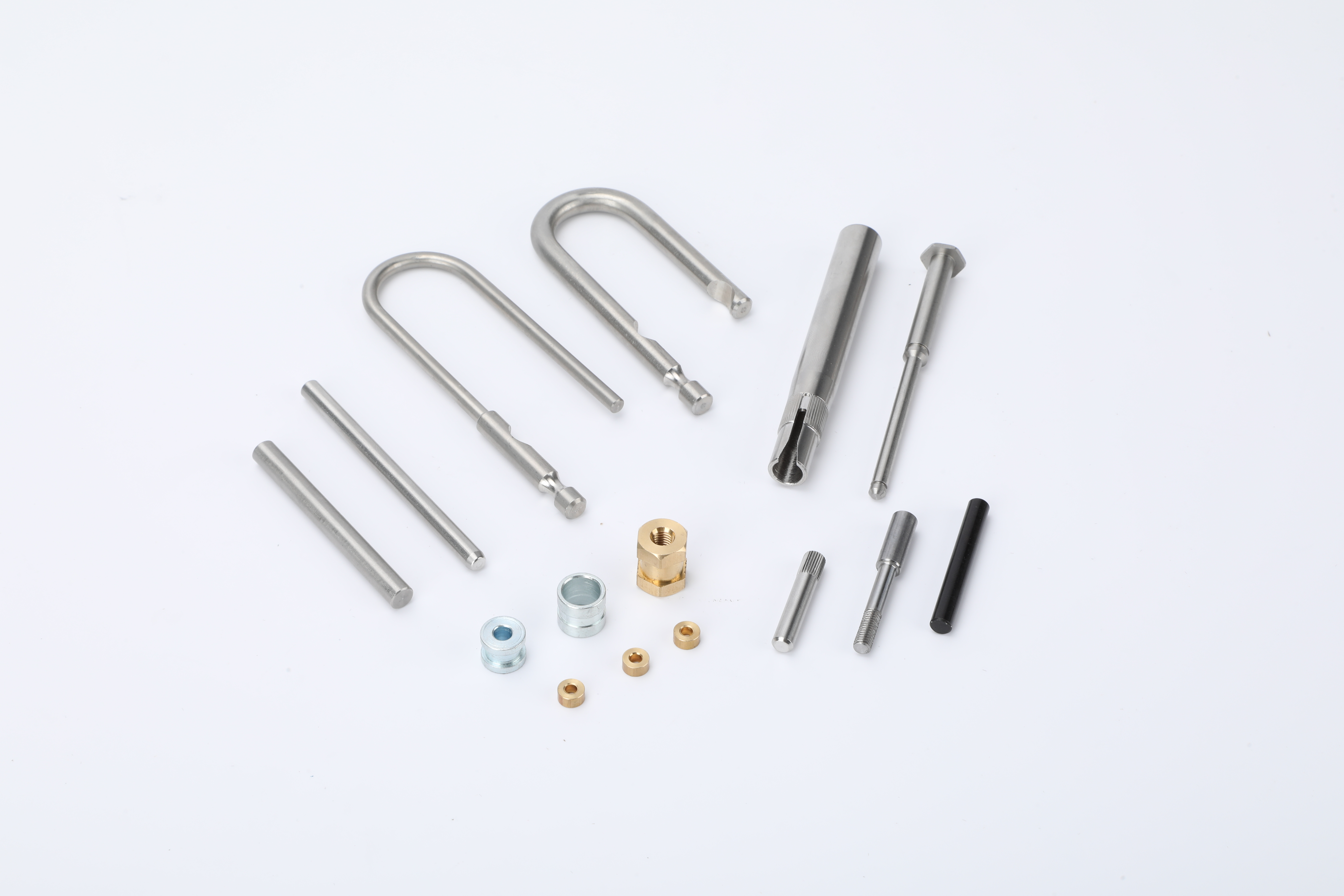
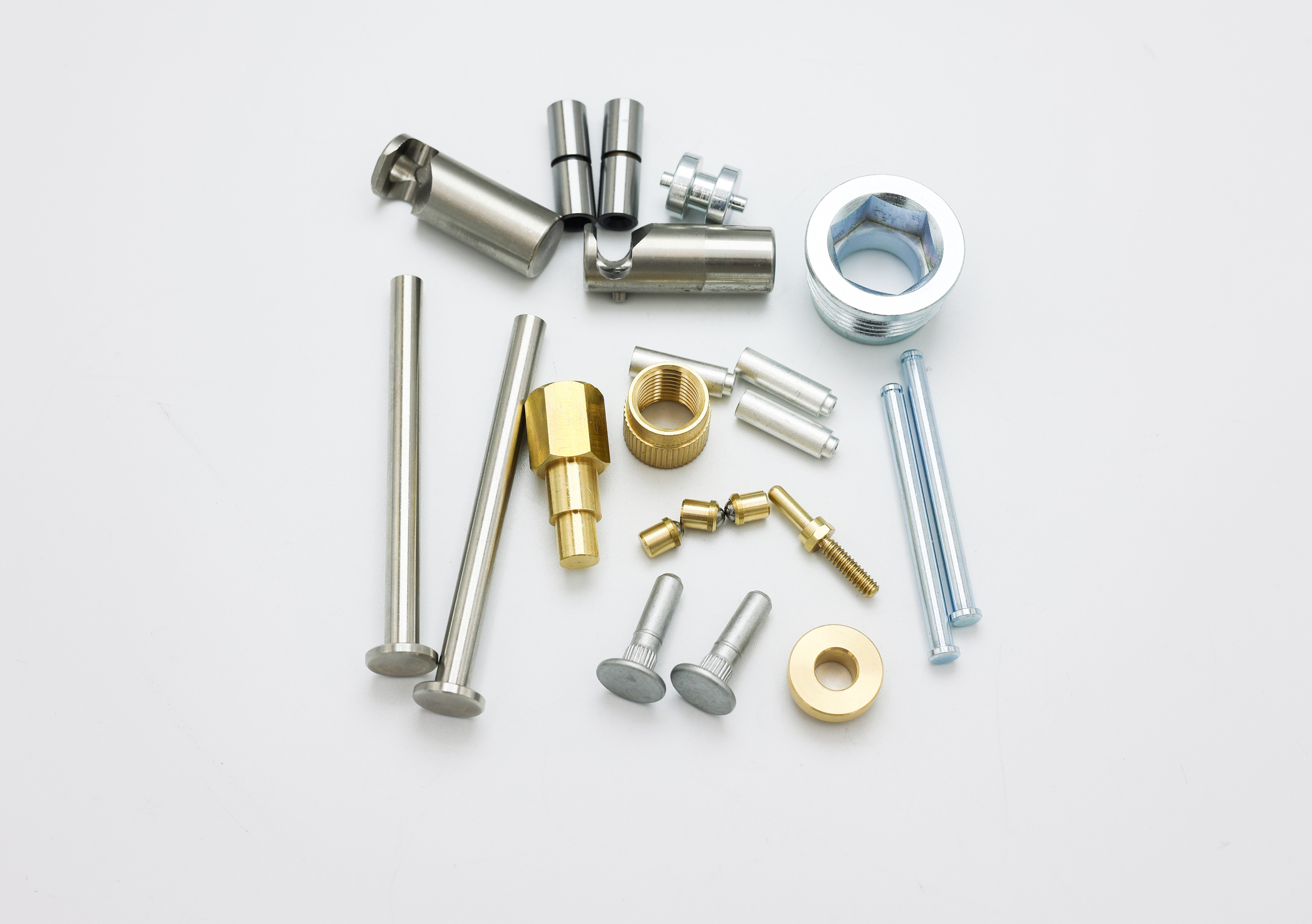
Precision machining parts represent the cornerstone of modern manufacturing excellence, delivering components with exceptional accuracy and reliability across countless industries. These specialized components are created through advanced manufacturing processes that achieve tolerances measured in microns, ensuring each part meets exact specifications without deviation. The primary function of precision machining parts involves converting raw materials into finished components with dimensional accuracy that exceeds standard manufacturing capabilities. Through computer-controlled machinery and sophisticated tooling systems, manufacturers create parts that maintain consistent quality while meeting the most demanding engineering requirements. The technological features of precision machining parts include superior surface finishes, tight dimensional tolerances, complex geometries, and exceptional material properties. Advanced CNC machines utilize multi-axis capabilities to produce intricate shapes and features that would be impossible through conventional manufacturing methods. These systems incorporate real-time monitoring and feedback mechanisms to ensure consistent quality throughout production runs. Material selection plays a crucial role in precision machining parts performance, with options ranging from aerospace-grade aluminum alloys to high-strength steel compounds. The manufacturing process involves careful consideration of cutting speeds, feed rates, and tooling selection to optimize both quality and efficiency. Quality control measures include coordinate measuring machines, optical inspection systems, and statistical process control methods that verify each component meets specified requirements. Applications for precision machining parts span numerous industries including aerospace, automotive, medical devices, electronics, defense systems, and industrial automation. In aerospace applications, these components contribute to engine performance, flight control systems, and structural integrity. The automotive industry relies on precision machining parts for engine components, transmission systems, and safety mechanisms. Medical device manufacturers depend on these parts for surgical instruments, implants, and diagnostic equipment where precision directly impacts patient safety and treatment outcomes.
New Product Releases

Precision machining parts deliver exceptional benefits that transform manufacturing capabilities and product performance across diverse applications. The primary advantage lies in unmatched dimensional accuracy that consistently achieves tolerances within thousandths of an inch, enabling manufacturers to create products with superior fit and function. This level of precision eliminates costly assembly issues and reduces the need for secondary operations, ultimately saving time and resources throughout the production process. Superior surface quality represents another significant advantage, with precision machining parts exhibiting smooth finishes that reduce friction, improve wear resistance, and enhance overall component longevity. These enhanced surface characteristics contribute to better sealing properties, reduced maintenance requirements, and improved operational efficiency in finished products. The consistency achieved through precision machining parts manufacturing ensures that every component meets identical specifications, eliminating variability that can compromise product performance or reliability. This consistency enables manufacturers to maintain quality standards while scaling production volumes to meet market demands. Material optimization becomes possible through precision machining parts production, allowing manufacturers to utilize high-performance alloys and specialized materials that enhance strength, durability, and resistance to environmental factors. The controlled machining environment preserves material integrity while achieving complex geometries that maximize performance characteristics. Cost effectiveness emerges through reduced waste, minimized rework, and improved production efficiency associated with precision machining parts manufacturing. The accuracy achieved during initial production eliminates the need for extensive finishing operations, reducing overall production costs and delivery timeframes. Versatility in design and application allows precision machining parts to accommodate unique requirements across different industries and applications. Complex features including internal channels, threaded connections, and intricate profiles can be incorporated into single components, reducing assembly complexity and improving reliability. The ability to work with various materials including metals, plastics, and composite materials expands design possibilities while maintaining precision standards. Quality assurance benefits include comprehensive inspection capabilities that verify dimensional accuracy, surface finish, and material properties throughout the manufacturing process. This thorough quality control approach minimizes defects and ensures consistent performance in critical applications where failure is not acceptable.

Latest News

How To Determine The Chemical Stability Of Materials

10

Mar

How To Determine The Chemical Stability Of Materials

View More
How To Choose Appropriate Automotive Parts According To Testing Standards

10

Mar

How To Choose Appropriate Automotive Parts According To Testing Standards

View More
Testing Standards For Corrosion Resistance Of Automotive Parts

10

Mar

Testing Standards For Corrosion Resistance Of Automotive Parts

View More

Get a Free Quote

Our representative will contact you soon.
Email
Mobile/WhatsApp
Name
Company Name
Message
0/1000

precision machining parts

Unparalleled Dimensional Accuracy for Critical Applications

Unparalleled Dimensional Accuracy for Critical Applications

The dimensional accuracy achieved through precision machining parts manufacturing represents a revolutionary advancement in component production, delivering tolerances that meet the most stringent engineering requirements across industries. This exceptional accuracy stems from advanced CNC machinery equipped with sophisticated control systems that monitor and adjust cutting parameters in real-time, ensuring each component maintains specified dimensions throughout the manufacturing process. The importance of dimensional accuracy cannot be overstated in applications where component fit and function directly impact system performance, safety, and reliability. In aerospace applications, precision machining parts with tight tolerances ensure proper assembly of engine components, flight control systems, and structural elements that must perform flawlessly under extreme conditions. The medical device industry particularly benefits from this accuracy, where surgical instruments and implants require precise dimensions to ensure patient safety and treatment effectiveness. Automotive manufacturers rely on dimensionally accurate precision machining parts for engine components, transmission systems, and safety mechanisms where even minor deviations can result in performance issues or safety concerns. The value proposition of dimensional accuracy extends beyond initial component performance to include reduced assembly time, elimination of fitting issues, and decreased warranty claims. Manufacturers experience significant cost savings through reduced rework, minimized scrap rates, and improved production efficiency when utilizing precision machining parts with guaranteed dimensional accuracy. Quality control systems incorporate advanced measurement technologies including coordinate measuring machines, optical inspection systems, and laser measurement devices that verify dimensional accuracy throughout production. This comprehensive approach ensures consistency across production runs while maintaining the tight tolerances required for critical applications. The competitive advantage gained through dimensional accuracy enables manufacturers to bid on high-value contracts requiring superior component quality while commanding premium pricing for their products.
Advanced Surface Finish Technology for Enhanced Performance

Advanced Surface Finish Technology for Enhanced Performance

Advanced surface finish technology in precision machining parts manufacturing delivers superior component performance through controlled surface characteristics that optimize functionality, durability, and aesthetic appeal. The surface finish achieved through precision machining processes directly impacts component performance in applications where friction reduction, sealing effectiveness, and wear resistance are critical factors. This technology utilizes specialized cutting tools, optimized machining parameters, and controlled environmental conditions to create surface finishes that meet or exceed industry standards for various applications. The importance of superior surface finishes becomes evident in hydraulic systems where precision machining parts must maintain effective sealing under high pressure conditions, preventing leakage and ensuring system reliability. In bearing applications, smooth surface finishes reduce friction and heat generation, extending component life while improving operational efficiency. The aerospace industry particularly values advanced surface finish technology for components exposed to extreme temperatures, pressures, and environmental conditions where surface integrity directly impacts performance and safety. Manufacturing processes incorporate various techniques including fine turning, grinding, and polishing operations that create specific surface textures optimized for intended applications. These controlled surface characteristics can be tailored to promote lubrication retention, enhance coating adhesion, or improve visual appearance based on specific requirements. The economic benefits of advanced surface finish technology include reduced maintenance costs, extended component life, and improved system efficiency that translates to lower operational expenses for end users. Quality assurance protocols utilize surface roughness measurement equipment, visual inspection systems, and comparative analysis techniques to verify surface finish specifications throughout production. This comprehensive approach ensures consistency while meeting the diverse surface finish requirements across different industries and applications. The competitive advantage provided by advanced surface finish technology enables manufacturers to differentiate their products while commanding premium pricing for superior quality components.
Comprehensive Quality Assurance Systems for Reliable Performance

Comprehensive Quality Assurance Systems for Reliable Performance

Comprehensive quality assurance systems integrated into precision machining parts manufacturing establish the foundation for reliable component performance through systematic inspection, testing, and validation processes that ensure consistent quality throughout production. These sophisticated quality systems incorporate multiple inspection stages, advanced measurement technologies, and statistical analysis methods that verify component specifications while identifying potential issues before they impact production or customer satisfaction. The importance of comprehensive quality assurance becomes paramount in industries where component failure can result in safety hazards, costly downtime, or regulatory compliance issues. Medical device manufacturers particularly depend on rigorous quality systems to ensure precision machining parts meet FDA requirements and international safety standards that protect patient welfare. Aerospace applications require extensive quality documentation and traceability that demonstrates compliance with industry regulations and safety standards throughout the component lifecycle. The automotive industry benefits from quality systems that reduce warranty claims, improve customer satisfaction, and maintain brand reputation through consistent component performance. Quality assurance protocols begin with incoming material inspection to verify chemical composition, mechanical properties, and dimensional characteristics before machining operations commence. In-process monitoring utilizes advanced sensors and measurement systems that continuously evaluate cutting forces, dimensional accuracy, and surface quality during production. Final inspection procedures incorporate coordinate measuring machines, optical inspection systems, and functional testing that validates component performance against specifications. Statistical process control methods analyze production data to identify trends, predict potential issues, and optimize manufacturing parameters for improved quality and efficiency. Documentation systems maintain comprehensive records of material certifications, inspection results, and manufacturing parameters that provide complete traceability and support customer requirements for quality verification. The economic value of comprehensive quality assurance includes reduced scrap rates, minimized rework costs, and improved customer relationships through consistent delivery of high-quality precision machining parts that meet or exceed expectations.

Get a Free Quote

Our representative will contact you soon.
Email
Mobile/WhatsApp
Name
Company Name
Message
0/1000