Precision Metal Parts - Advanced Manufacturing Solutions for Critical Applications

All Categories

Get a Free Quote

Our representative will contact you soon.
Email
Mobile/WhatsApp
Name
Company Name
Message
0/1000

precision metal parts

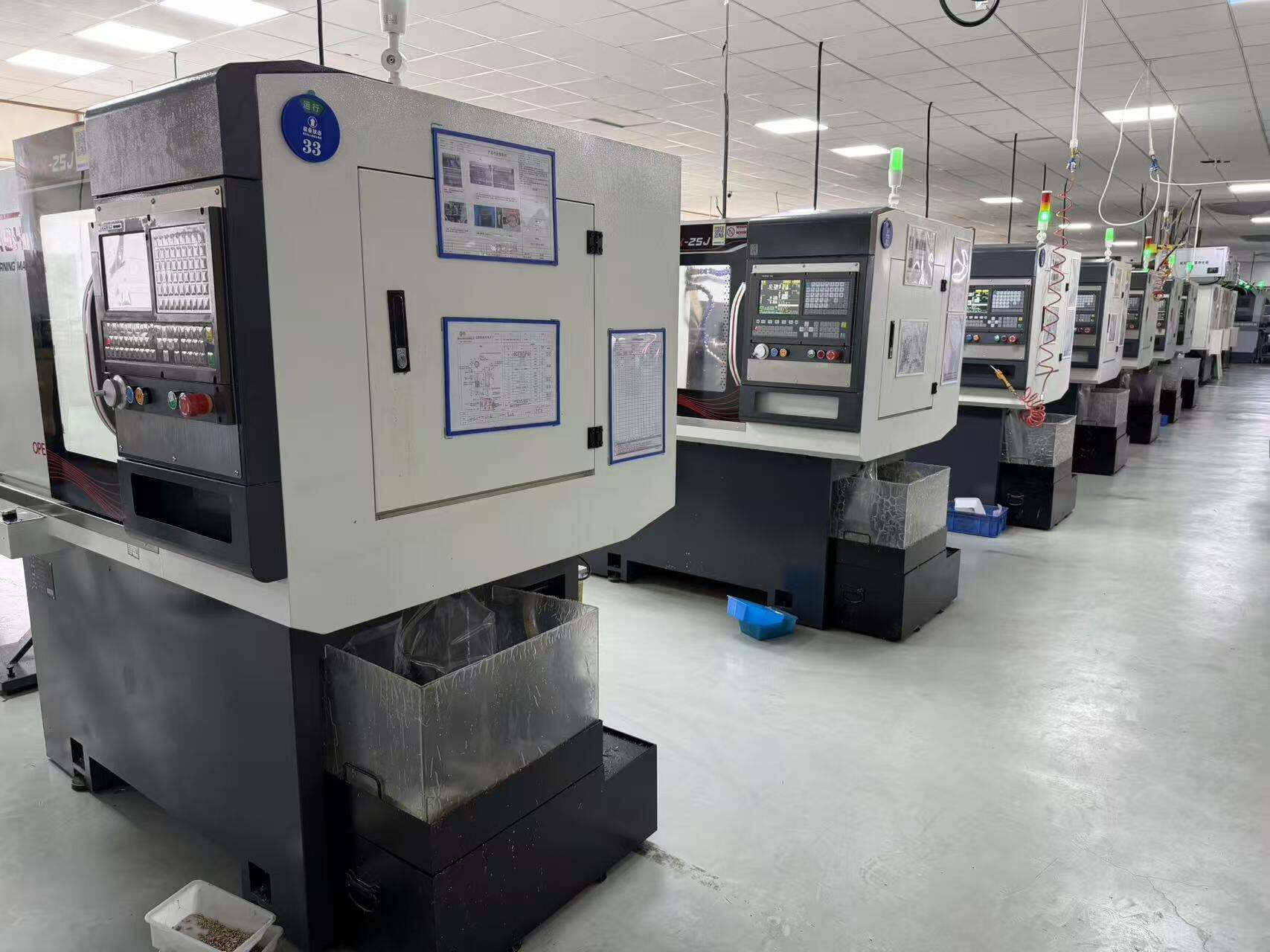
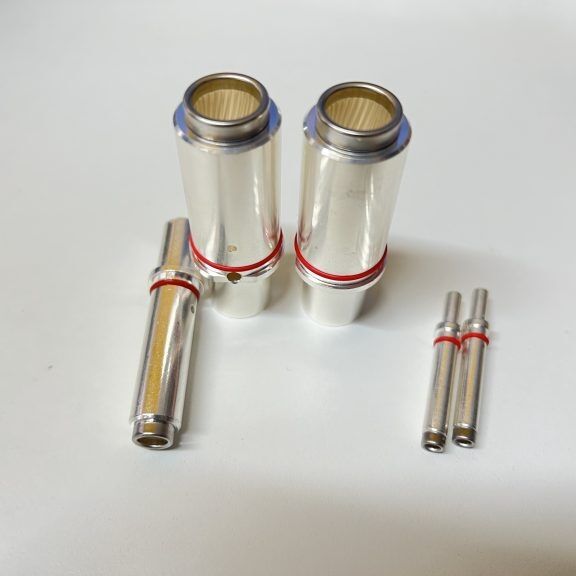
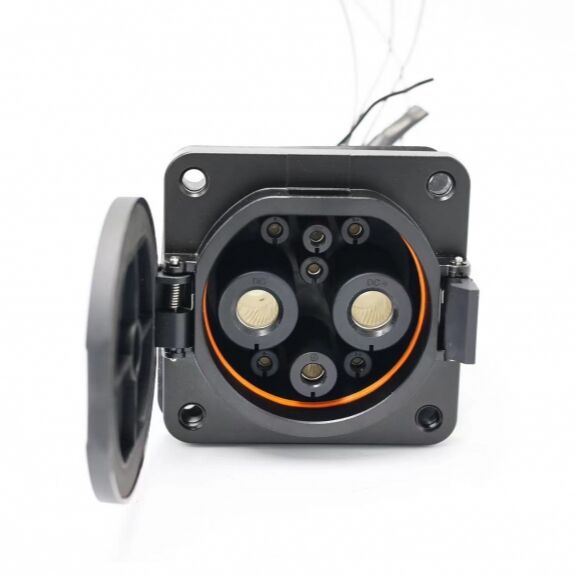
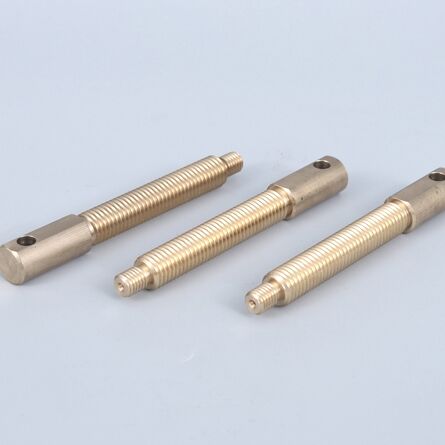
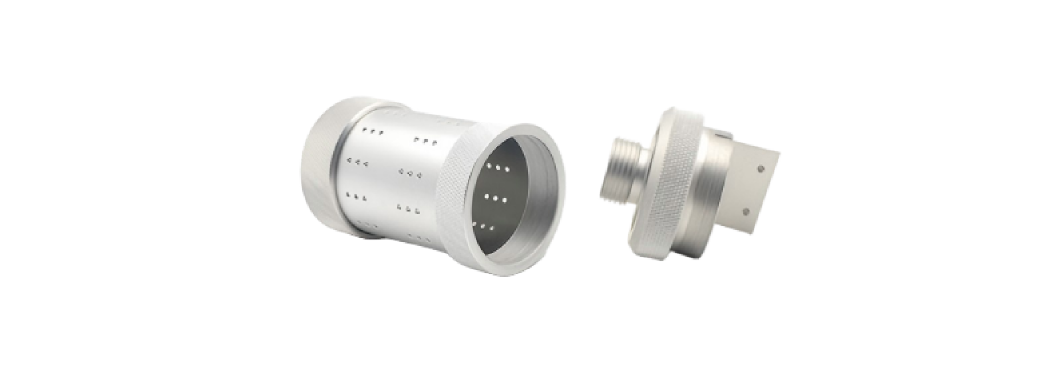
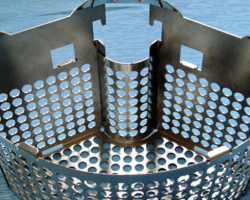
Precision metal parts represent the cornerstone of modern manufacturing excellence, delivering exceptional accuracy and reliability across diverse industrial applications. These meticulously crafted components undergo sophisticated manufacturing processes that ensure dimensional tolerances within micrometers, making them indispensable for critical operations where standard parts simply cannot meet performance requirements. The manufacturing of precision metal parts involves advanced techniques including computer numerical control machining, electrical discharge machining, and laser cutting technologies that guarantee consistent quality and repeatability. These components serve essential functions in aerospace systems, medical devices, automotive assemblies, electronics manufacturing, and semiconductor production facilities. The technological features of precision metal parts include superior surface finishes, tight geometric tolerances, enhanced material properties, and exceptional dimensional stability under varying environmental conditions. Advanced metallurgy and heat treatment processes further enhance their mechanical properties, ensuring optimal performance in demanding applications. Quality control measures throughout the production cycle include coordinate measuring machine inspections, statistical process control monitoring, and comprehensive testing protocols that verify compliance with stringent specifications. The applications for precision metal parts span across multiple industries, from miniature components in electronic devices to large-scale structural elements in aircraft engines. These parts enable critical functions such as precise mechanical movement, electrical conductivity, thermal management, and structural integrity in complex systems. Manufacturing facilities producing precision metal parts invest heavily in state-of-the-art equipment, skilled technicians, and rigorous quality management systems to maintain consistent output quality. The integration of computer-aided design software with manufacturing processes ensures that precision metal parts meet exact specifications while maintaining cost-effectiveness for large-scale production runs.
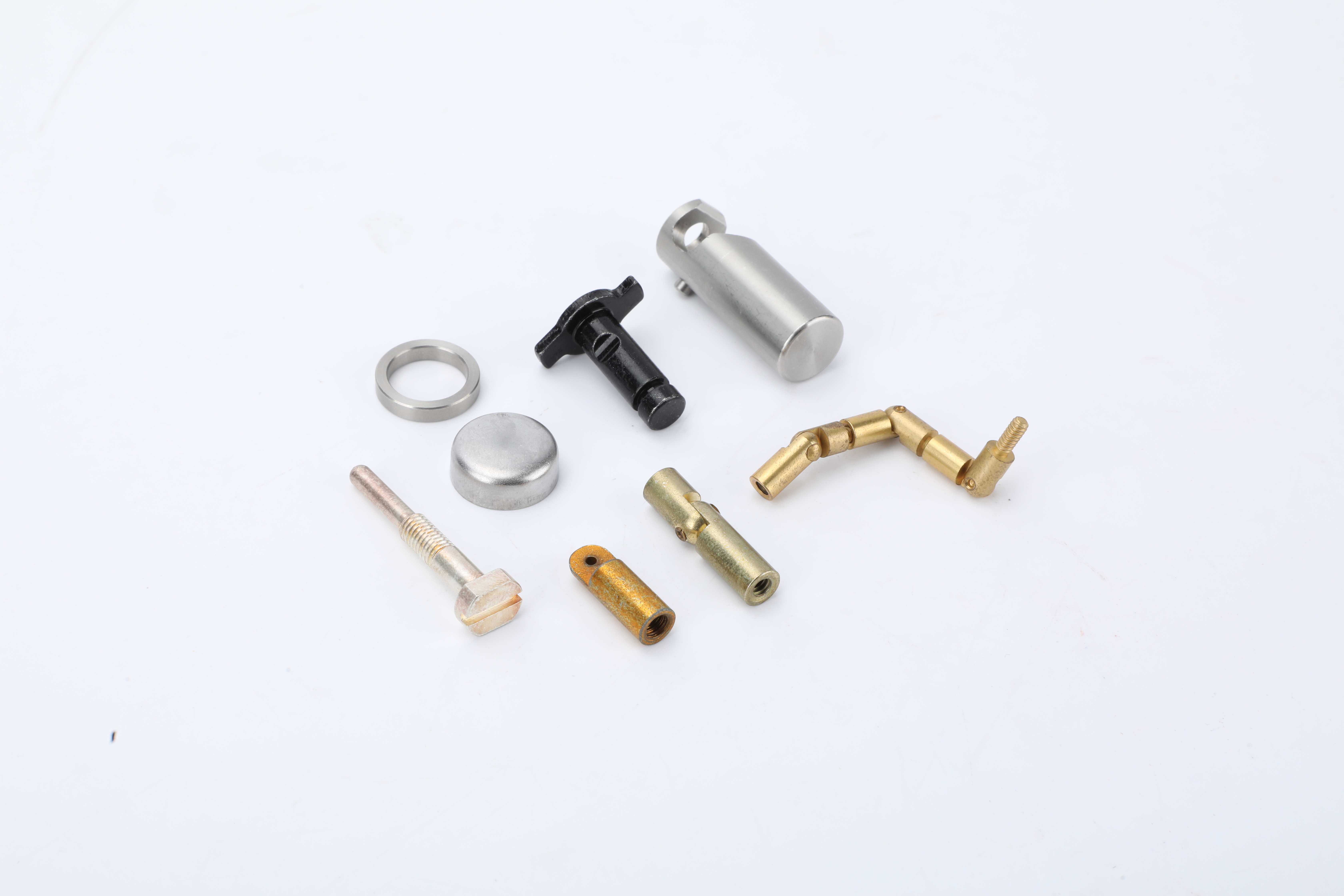
New Product Recommendations

Precision metal parts offer substantial advantages that directly translate into improved operational efficiency and reduced costs for manufacturing companies and end-users alike. The primary benefit lies in their exceptional dimensional accuracy, which eliminates the need for extensive post-manufacturing adjustments and reduces assembly time significantly. This accuracy ensures perfect fit and function in complex mechanical systems, preventing costly downtime and maintenance issues that commonly occur with standard components. The superior material properties of precision metal parts provide extended service life compared to conventional alternatives, reducing replacement frequency and associated labor costs. Companies utilizing these components experience fewer quality control rejections and warranty claims, resulting in improved customer satisfaction and brand reputation. The consistency achieved through advanced manufacturing processes means that precision metal parts deliver predictable performance characteristics, enabling engineers to design systems with greater confidence and reliability. This reliability translates into reduced safety risks and improved operational uptime for critical applications. Manufacturing efficiency improves dramatically when precision metal parts are implemented, as their exact specifications eliminate the guesswork and trial-and-error approaches often required with less precise components. The enhanced surface finishes and material properties reduce friction and wear in moving assemblies, leading to lower energy consumption and extended equipment life. Supply chain benefits include reduced inventory requirements, as the consistency of precision metal parts allows for more accurate demand forecasting and just-in-time delivery strategies. Quality assurance costs decrease significantly since precision metal parts undergo rigorous testing during manufacturing, reducing the need for incoming inspection procedures. The versatility of precision metal parts enables their use across multiple product lines, simplifying procurement processes and reducing vendor management complexity. Long-term cost savings accumulate through improved system reliability, reduced maintenance requirements, and enhanced product performance that exceeds customer expectations and creates competitive advantages in the marketplace.

Tips And Tricks

How To Determine The Chemical Stability Of Materials

10

Mar

How To Determine The Chemical Stability Of Materials

View More
How To Choose Appropriate Automotive Parts According To Testing Standards

10

Mar

How To Choose Appropriate Automotive Parts According To Testing Standards

View More

Get a Free Quote

Our representative will contact you soon.
Email
Mobile/WhatsApp
Name
Company Name
Message
0/1000

precision metal parts

Unmatched Dimensional Accuracy and Consistency

Unmatched Dimensional Accuracy and Consistency

The dimensional accuracy achieved in precision metal parts manufacturing represents a revolutionary advancement that transforms how industries approach component reliability and system performance. Through sophisticated computer-controlled machining processes and advanced measurement technologies, these components maintain tolerances as tight as plus or minus 0.0001 inches, ensuring perfect fit and function in the most demanding applications. This level of precision eliminates the costly trial-and-error adjustments that plague standard manufacturing processes, saving companies significant time and resources during assembly operations. The consistency between individual parts within a production run exceeds industry standards, enabling manufacturers to implement automated assembly processes with confidence. Statistical process control monitoring throughout production ensures that every precision metal part meets exact specifications, reducing quality variations that can compromise system performance. The geometric accuracy extends beyond simple dimensional control to include complex features such as concentricity, perpendicularity, and surface parallelism that are critical for optimal component interaction. Advanced coordinate measuring machines verify multiple dimensional characteristics simultaneously, providing comprehensive quality documentation that supports traceability requirements in regulated industries. This exceptional accuracy enables engineers to design tighter systems with improved functionality while reducing the safety margins traditionally required to accommodate component variations. The result is more efficient designs that maximize performance while minimizing material usage and overall system weight, contributing to improved energy efficiency and reduced environmental impact.
Superior Material Properties and Enhanced Durability

Superior Material Properties and Enhanced Durability

Precision metal parts utilize advanced metallurgical techniques and carefully selected materials that deliver exceptional mechanical properties far exceeding those of conventional components. The manufacturing process incorporates specialized heat treatment cycles that optimize grain structure and eliminate internal stresses, resulting in enhanced strength, hardness, and fatigue resistance that extends component life significantly. Surface treatments including various coating applications, nitriding processes, and specialized finishing techniques create protective barriers that resist corrosion, wear, and environmental degradation under harsh operating conditions. The material selection process considers specific application requirements including temperature extremes, chemical exposure, mechanical loading, and electrical conductivity needs to ensure optimal performance throughout the component lifecycle. Advanced alloy formulations provide superior strength-to-weight ratios that enable lightweight designs without compromising structural integrity or safety margins. The controlled manufacturing environment eliminates contamination and ensures consistent material properties throughout each component, preventing weak spots that could lead to premature failure. Stress relief procedures and precision machining techniques minimize residual stresses that can cause dimensional instability or cracking under load. The enhanced durability translates into extended service intervals, reduced maintenance costs, and improved system reliability that benefits end-users through decreased downtime and operational disruptions. Quality testing protocols verify material properties including tensile strength, hardness, and fatigue limits to ensure each precision metal part meets or exceeds specified performance criteria before shipment to customers.
Comprehensive Manufacturing Excellence and Quality Assurance

Comprehensive Manufacturing Excellence and Quality Assurance

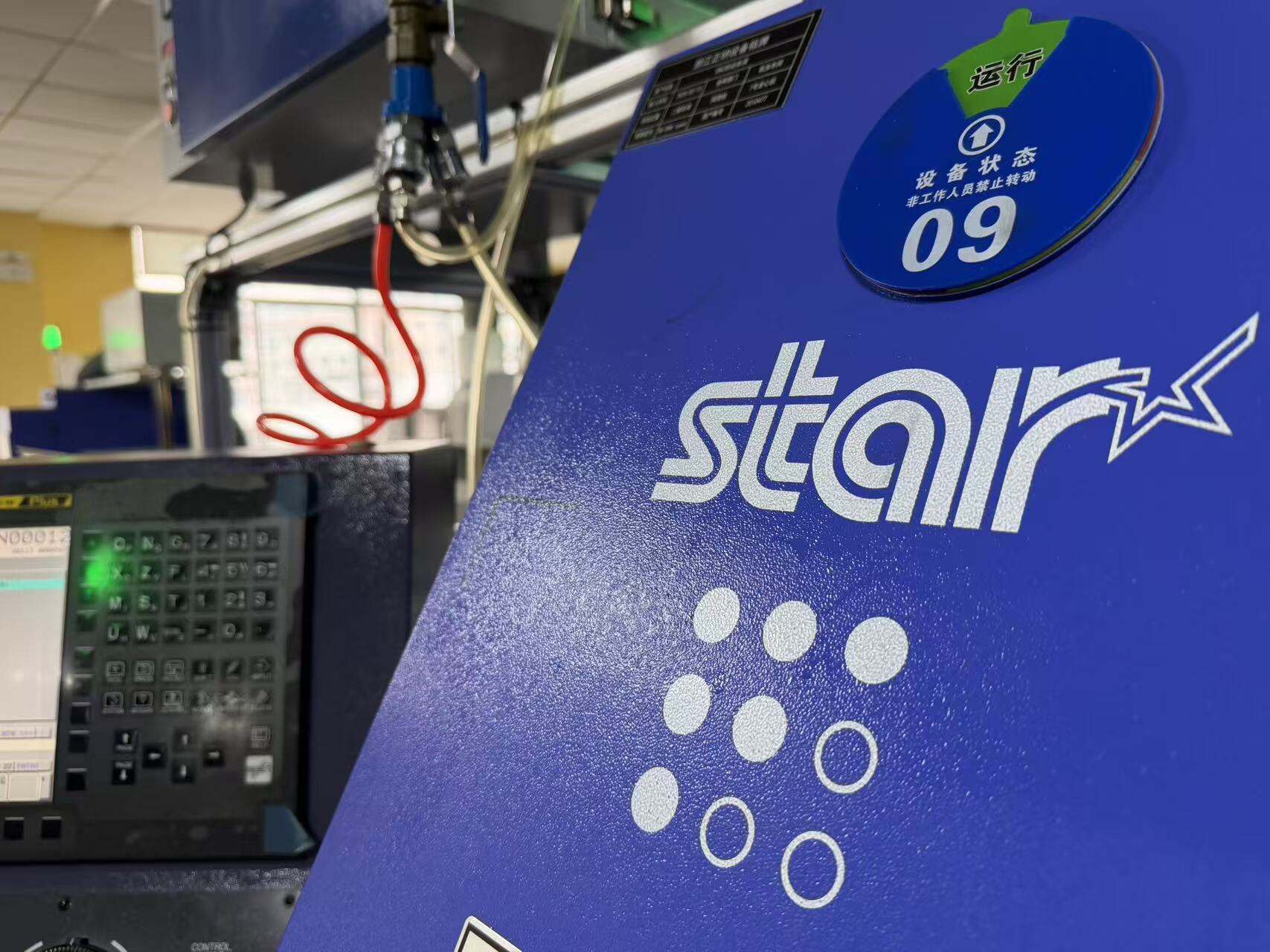
The manufacturing excellence behind precision metal parts encompasses a holistic approach that integrates cutting-edge technology, rigorous process control, and comprehensive quality management systems to deliver components that exceed industry standards consistently. State-of-the-art manufacturing facilities employ multi-axis CNC machining centers, electrical discharge machining equipment, and precision grinding systems operated by highly skilled technicians who undergo continuous training to maintain proficiency with evolving technologies. The implementation of lean manufacturing principles optimizes production flow while minimizing waste and ensuring cost-effective delivery of precision metal parts to customers worldwide. Advanced software integration connects design, manufacturing, and quality control systems to provide real-time monitoring and feedback that enables immediate correction of any deviations from specifications. Statistical process control techniques analyze production data continuously to identify trends and prevent quality issues before they affect customer deliveries. Comprehensive inspection protocols include dimensional verification, surface finish measurement, material property testing, and functional performance validation using calibrated equipment traceable to national standards. The quality management system encompasses supplier qualification, incoming material inspection, in-process monitoring, and final product verification to ensure that every precision metal part meets stringent quality requirements. Continuous improvement initiatives incorporate customer feedback, industry best practices, and emerging technologies to enhance manufacturing capabilities and expand the range of applications that can benefit from precision metal parts. Documentation and traceability systems maintain complete records of manufacturing processes, inspection results, and material certifications to support customer quality requirements and regulatory compliance across multiple industries and geographic markets.

Get a Free Quote

Our representative will contact you soon.
Email
Mobile/WhatsApp
Name
Company Name
Message
0/1000