Premium Brass Machining Parts - Superior Quality CNC Components for Industrial Applications

All Categories

Get a Free Quote

Our representative will contact you soon.
Email
Mobile/WhatsApp
Name
Company Name
Message
0/1000

brass machining parts

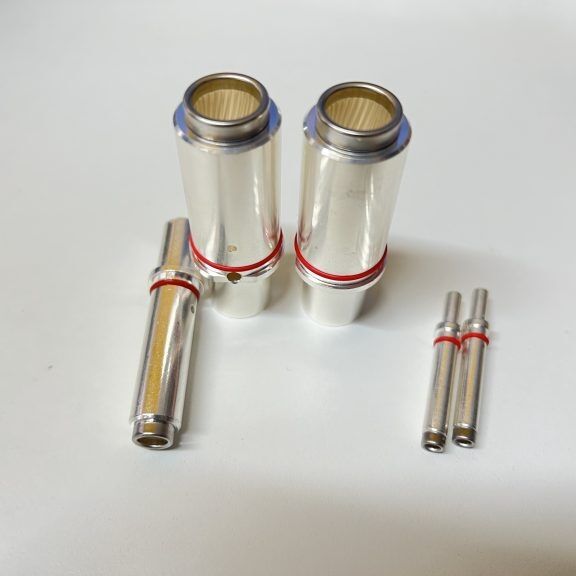
Brass machining parts represent a cornerstone of modern manufacturing, combining the exceptional properties of brass alloy with precision engineering techniques to create components that serve countless industrial applications. These specialized parts are manufactured through advanced CNC machining processes, utilizing state-of-the-art equipment to achieve tight tolerances and superior surface finishes. Brass, an alloy primarily composed of copper and zinc, offers unique characteristics that make it ideal for machining applications across diverse industries. The main functions of brass machining parts encompass electrical conductivity, corrosion resistance, and mechanical durability. These components serve as critical elements in electrical systems, plumbing fixtures, automotive assemblies, and marine equipment. The technological features of brass machining parts include excellent machinability, allowing for complex geometries and intricate designs that would be challenging with other materials. The alloy's low friction coefficient makes it perfect for bearing applications, while its antimicrobial properties provide natural resistance to bacteria and other microorganisms. Brass machining parts demonstrate exceptional thermal conductivity, making them valuable in heat exchange applications and temperature-sensitive systems. The material's non-sparking characteristics ensure safety in hazardous environments, while its attractive golden appearance provides aesthetic appeal for decorative applications. Applications for brass machining parts span multiple sectors including aerospace, defense, telecommunications, medical devices, and consumer electronics. In the automotive industry, these parts function as fuel system components, transmission parts, and cooling system elements. Marine applications utilize brass machining parts for propeller shafts, valve bodies, and corrosion-resistant fittings. The precision manufacturing processes employed in creating brass machining parts ensure consistent quality, dimensional accuracy, and reliable performance across demanding operating conditions.
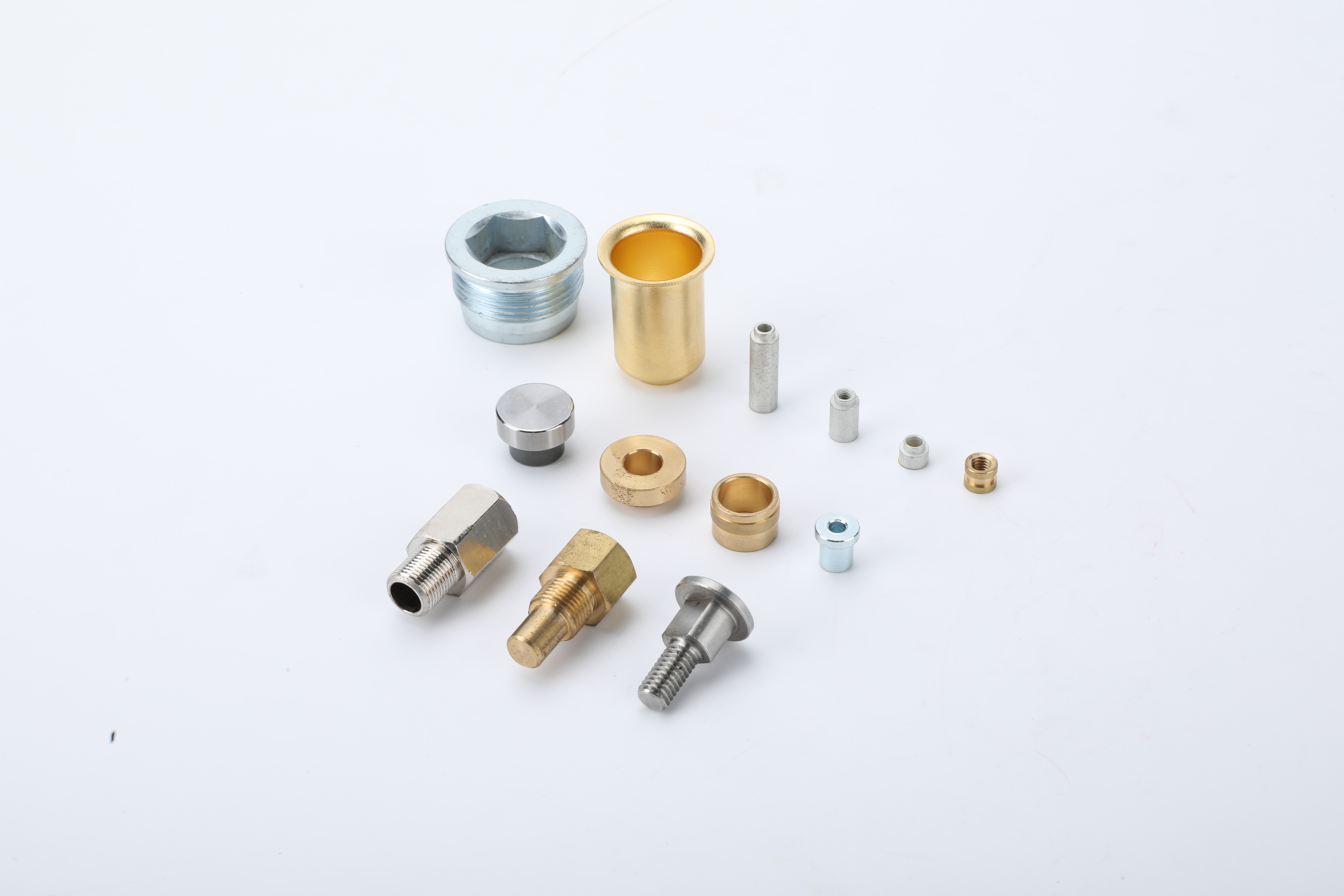
New Products

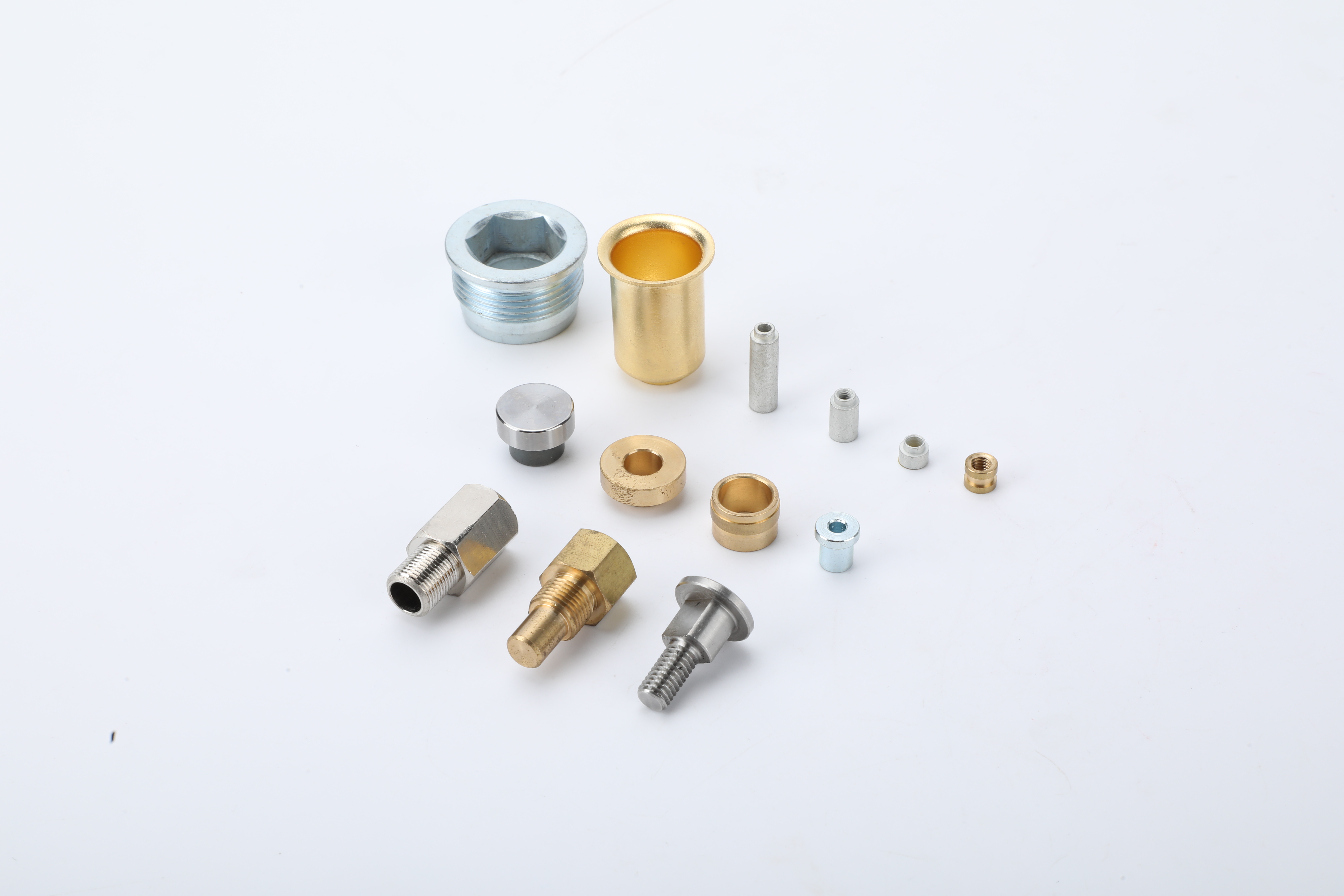
Brass machining parts deliver remarkable benefits that make them superior choices for manufacturers seeking reliable, cost-effective solutions. These components offer exceptional corrosion resistance, withstanding exposure to moisture, chemicals, and harsh environmental conditions without degrading or losing structural integrity. This resistance translates into longer service life and reduced maintenance costs for end users. The material's natural antimicrobial properties provide significant advantages in medical and food processing applications, eliminating bacteria growth without requiring additional chemical treatments or coatings. Brass machining parts exhibit outstanding electrical conductivity, making them ideal for electronic components, connectors, and switching mechanisms where consistent electrical performance is crucial. The material conducts electricity efficiently while maintaining dimensional stability under varying temperature conditions. Manufacturing brass machining parts proves highly cost-effective due to the material's excellent machinability. The alloy machines easily with standard cutting tools, reducing production time and tool wear compared to harder materials. This efficiency results in lower manufacturing costs and faster delivery times for customers. The material's malleability allows for complex shapes and intricate details without cracking or breaking during the machining process. Brass machining parts provide superior thermal conductivity, making them perfect for heat transfer applications and temperature-critical systems. This property ensures efficient heat dissipation and prevents overheating in sensitive equipment. The non-sparking characteristics of brass machining parts ensure safety in explosive environments, protecting both equipment and personnel. These parts maintain their mechanical properties across wide temperature ranges, performing reliably in both extreme cold and high-heat applications. The aesthetic appeal of brass machining parts adds value in decorative applications, providing an attractive golden finish that resists tarnishing. Quality control measures ensure each brass machining part meets strict specifications, providing customers with consistent performance and reliability. The material's recyclability supports sustainable manufacturing practices, reducing environmental impact while maintaining product quality standards.

Tips And Tricks

Automotive Armrest Slide Rail Production Factory: The Cradle of Quality and Innovation

10

Mar

Automotive Armrest Slide Rail Production Factory: The Cradle of Quality and Innovation

View More
How To Choose Appropriate Automotive Parts According To Testing Standards

10

Mar

How To Choose Appropriate Automotive Parts According To Testing Standards

View More
Testing Standards For Corrosion Resistance Of Automotive Parts

10

Mar

Testing Standards For Corrosion Resistance Of Automotive Parts

View More

Get a Free Quote

Our representative will contact you soon.
Email
Mobile/WhatsApp
Name
Company Name
Message
0/1000

brass machining parts

Superior Corrosion Resistance and Longevity

Superior Corrosion Resistance and Longevity

Brass machining parts excel in corrosion resistance, providing unmatched durability in challenging environments where other materials fail. This exceptional resistance stems from the unique composition of brass alloy, which forms a protective oxide layer that prevents further corrosion and maintains structural integrity over extended periods. Unlike steel components that rust or aluminum parts that suffer from galvanic corrosion, brass machining parts maintain their performance characteristics even when exposed to saltwater, chemicals, and atmospheric moisture. This corrosion resistance translates directly into significant cost savings for customers through reduced replacement frequency and lower maintenance requirements. In marine applications, brass machining parts demonstrate remarkable longevity, withstanding the harsh effects of seawater and salt spray that would quickly deteriorate other materials. The protective properties of brass machining parts extend to chemical processing environments, where exposure to acids and bases would damage conventional materials. This resistance ensures consistent performance and eliminates the need for protective coatings or frequent component replacement. The long-term reliability of brass machining parts reduces system downtime and maintenance costs, providing customers with improved operational efficiency. Field testing has demonstrated that brass machining parts maintain their dimensional accuracy and surface finish even after years of exposure to corrosive conditions. This durability makes brass machining parts the preferred choice for critical applications where component failure could result in costly system shutdowns or safety hazards. The material's resistance to stress corrosion cracking ensures reliable performance under mechanical loads combined with corrosive environments. Customers benefit from reduced inventory requirements and simplified maintenance schedules when using brass machining parts in their systems.
Exceptional Machinability and Manufacturing Precision

Exceptional Machinability and Manufacturing Precision

Brass machining parts offer unparalleled machinability characteristics that enable manufacturers to achieve precise tolerances and complex geometries with consistent quality results. The unique properties of brass alloy make it one of the most machine-friendly materials available, allowing for intricate designs and tight specifications that would be impossible with harder or more brittle materials. This exceptional machinability stems from the material's optimal balance of hardness and ductility, which prevents work hardening during cutting operations while maintaining dimensional stability throughout the manufacturing process. Brass machining parts can be produced with surface finishes ranging from standard machined surfaces to mirror-like polished finishes, meeting diverse application requirements. The material's free-cutting properties reduce tool wear and extend cutting tool life, resulting in lower production costs and improved manufacturing efficiency. This efficiency allows manufacturers to offer competitive pricing while maintaining superior quality standards. Brass machining parts achieve tolerances as tight as ±0.0005 inches, ensuring precise fit and function in critical applications. The material's consistent properties throughout the workpiece eliminate variations that could affect final part quality. Advanced CNC machining techniques combined with the excellent machinability of brass enable the production of complex internal passages, intricate external features, and precise thread forms. The ability to machine brass parts in a single setup reduces handling time and maintains geometric relationships between features. This manufacturing efficiency translates into faster delivery times for customers without compromising quality standards. The stable machining characteristics of brass ensure repeatable results across production runs, providing customers with consistent part performance and reliable supply chains.
Outstanding Thermal and Electrical Conductivity Performance

Outstanding Thermal and Electrical Conductivity Performance

Brass machining parts demonstrate exceptional thermal and electrical conductivity properties that make them indispensable in applications requiring efficient energy transfer and temperature management. The superior conductivity characteristics of brass machining parts stem from the high copper content in the alloy, which provides excellent pathways for both thermal and electrical energy transmission. This dual conductivity makes brass machining parts versatile solutions for systems that require both electrical connectivity and heat dissipation capabilities. In electrical applications, brass machining parts maintain consistent conductivity across varying temperature ranges, ensuring reliable performance in both high-current and sensitive electronic systems. The material's conductivity remains stable over time, unlike other materials that may degrade or develop resistance issues through oxidation or corrosion. Thermal conductivity properties of brass machining parts enable efficient heat transfer in cooling systems, heat exchangers, and temperature-critical applications. This thermal performance helps prevent overheating and maintains optimal operating temperatures in sensitive equipment. The combination of thermal and electrical conductivity in brass machining parts eliminates the need for separate components, simplifying system design and reducing overall costs. In power distribution systems, brass machining parts provide reliable electrical connections while dissipating heat generated by current flow, preventing hot spots and ensuring system safety. The material's conductivity properties remain consistent throughout the component, eliminating weak points or variations that could affect performance. Brass machining parts maintain their conductivity characteristics even after machining operations, unlike some materials that develop surface layers that impede energy transfer. This reliability ensures that brass machining parts perform as designed throughout their service life, providing customers with predictable system performance and reduced maintenance requirements. The excellent conductivity of brass machining parts makes them ideal for applications ranging from electronic connectors to industrial heating elements.

Get a Free Quote

Our representative will contact you soon.
Email
Mobile/WhatsApp
Name
Company Name
Message
0/1000