Premium Aluminum Machining Parts - Precision CNC Components for Industrial Applications

All Categories

Get a Free Quote

Our representative will contact you soon.
Email
Mobile/WhatsApp
Name
Company Name
Message
0/1000

aluminum machining parts

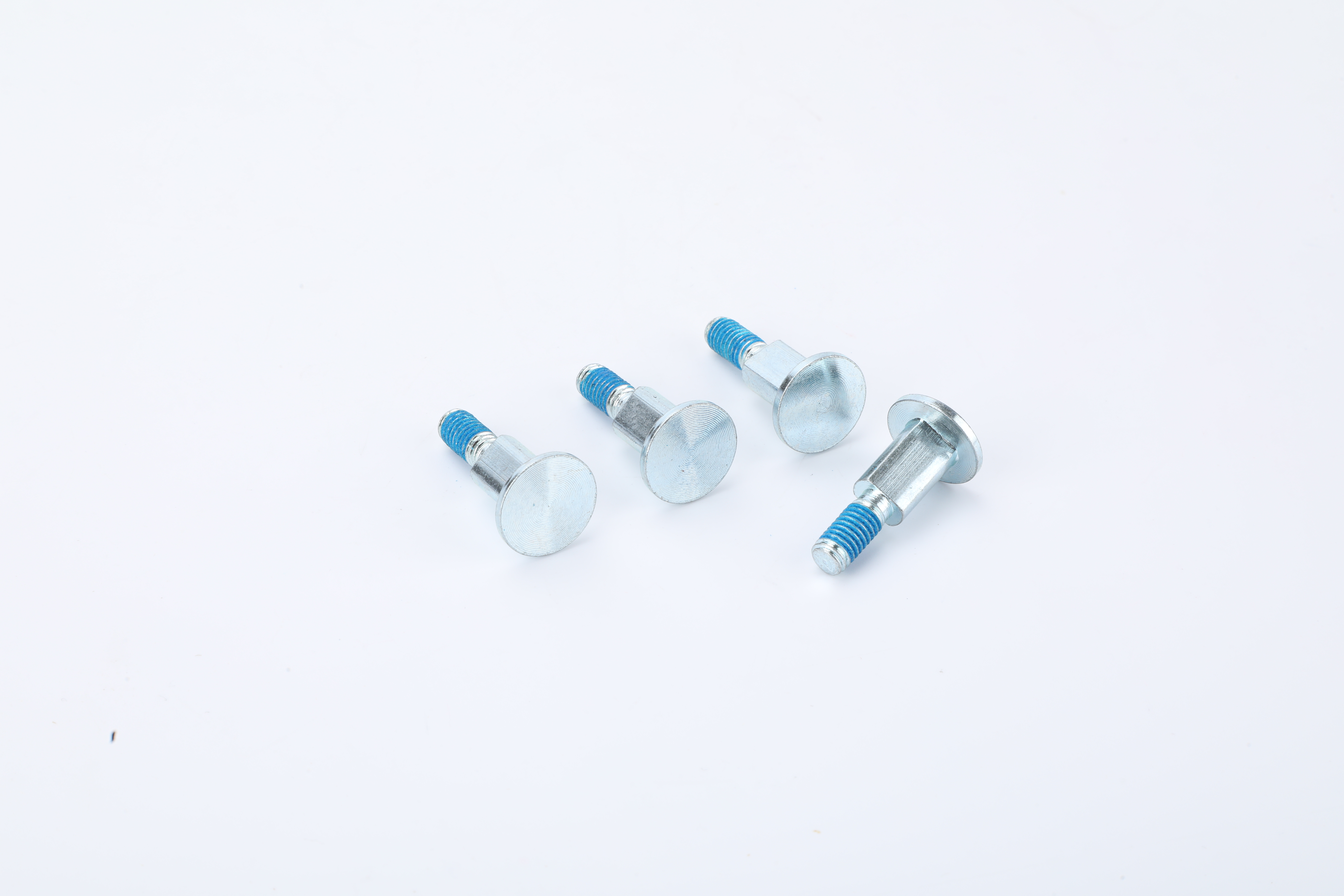
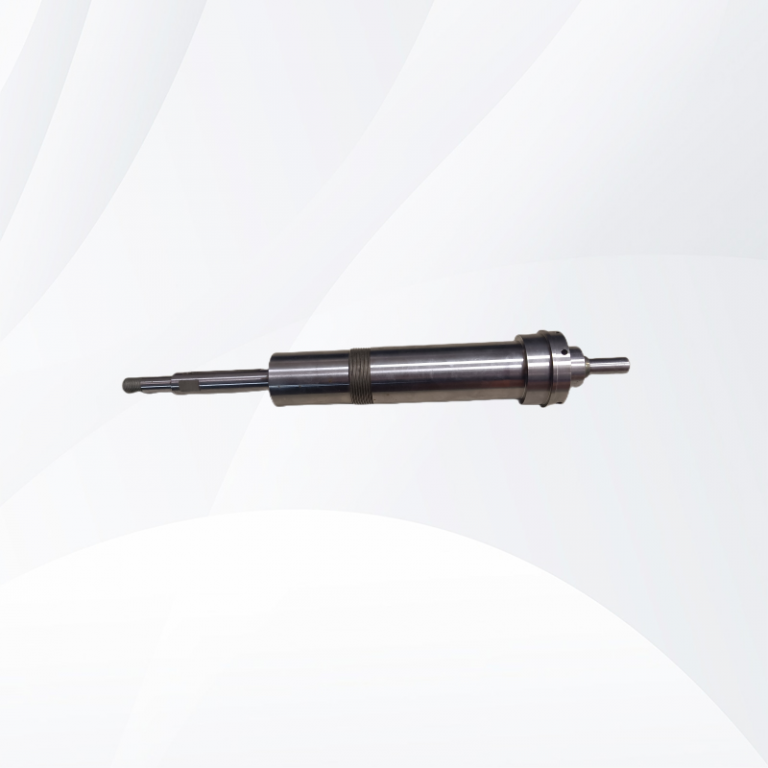
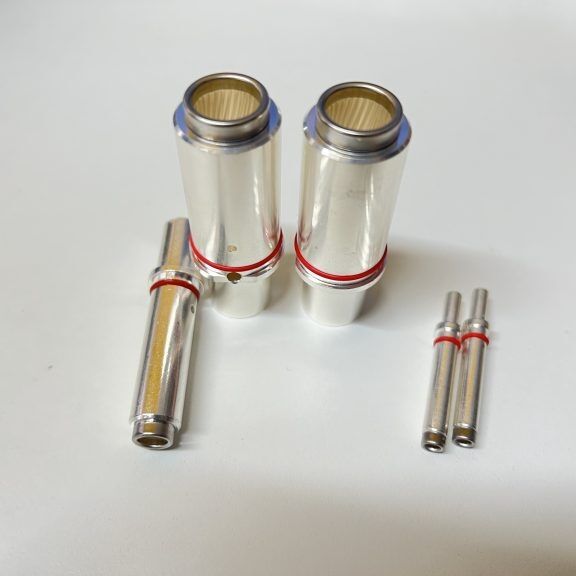
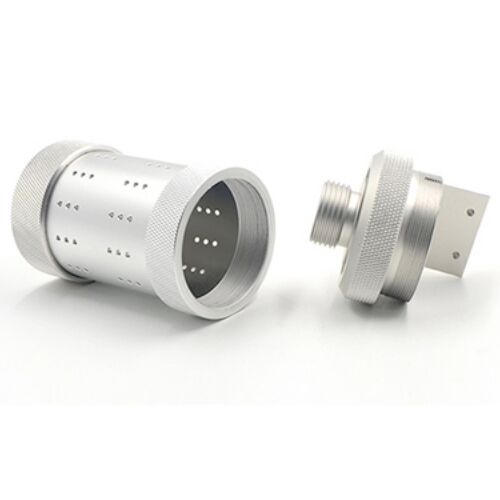
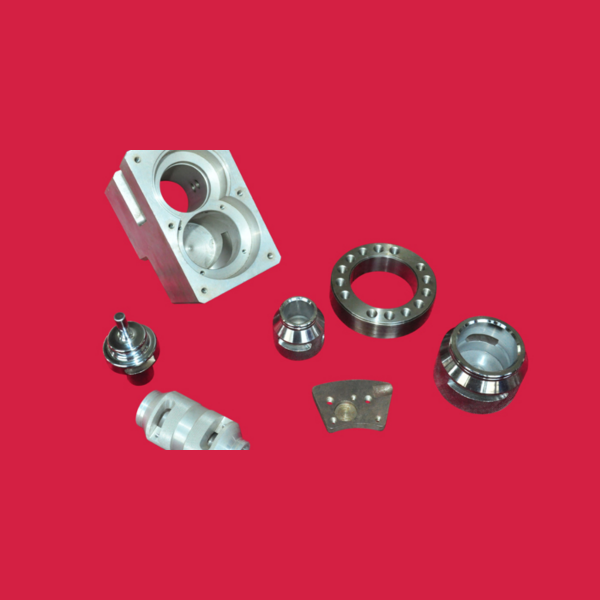
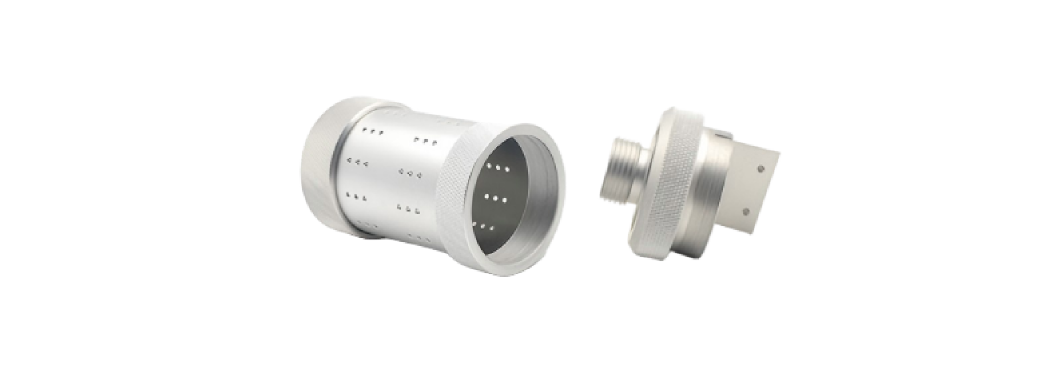
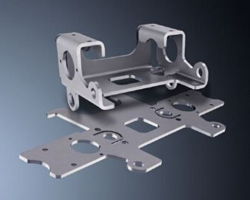
Aluminum machining parts represent a cornerstone of modern manufacturing, delivering precision-engineered components that meet the exacting demands of diverse industries. These specialized components undergo sophisticated computer numerical control (CNC) machining processes that transform raw aluminum stock into highly accurate, functional parts with tight tolerances and superior surface finishes. The primary function of aluminum machining parts extends across multiple sectors, serving as critical components in aerospace assemblies, automotive systems, electronics housings, medical devices, and industrial equipment. The technological features that distinguish aluminum machining parts include their exceptional dimensional accuracy, typically achieving tolerances within 0.001 inches, and their ability to maintain structural integrity under various operating conditions. Advanced machining centers employ multi-axis capabilities to create complex geometries, intricate internal passages, and precise threading that would be impossible through conventional manufacturing methods. The lightweight nature of aluminum, combined with its excellent strength-to-weight ratio, makes these machined components ideal for applications where weight reduction is crucial without compromising performance. Surface treatments and finishing options for aluminum machining parts include anodizing, powder coating, and chemical conversion coatings that enhance corrosion resistance and aesthetic appeal. The applications for aluminum machining parts span from microscopic electronic components requiring extreme precision to large structural elements in construction and transportation industries. Quality control measures ensure that each aluminum machining part meets specifications through coordinate measuring machines, surface roughness testing, and material certification processes. The versatility of aluminum machining parts allows manufacturers to produce both prototype quantities for product development and high-volume production runs for commercial applications, making them an essential solution for companies seeking reliable, cost-effective manufacturing alternatives.
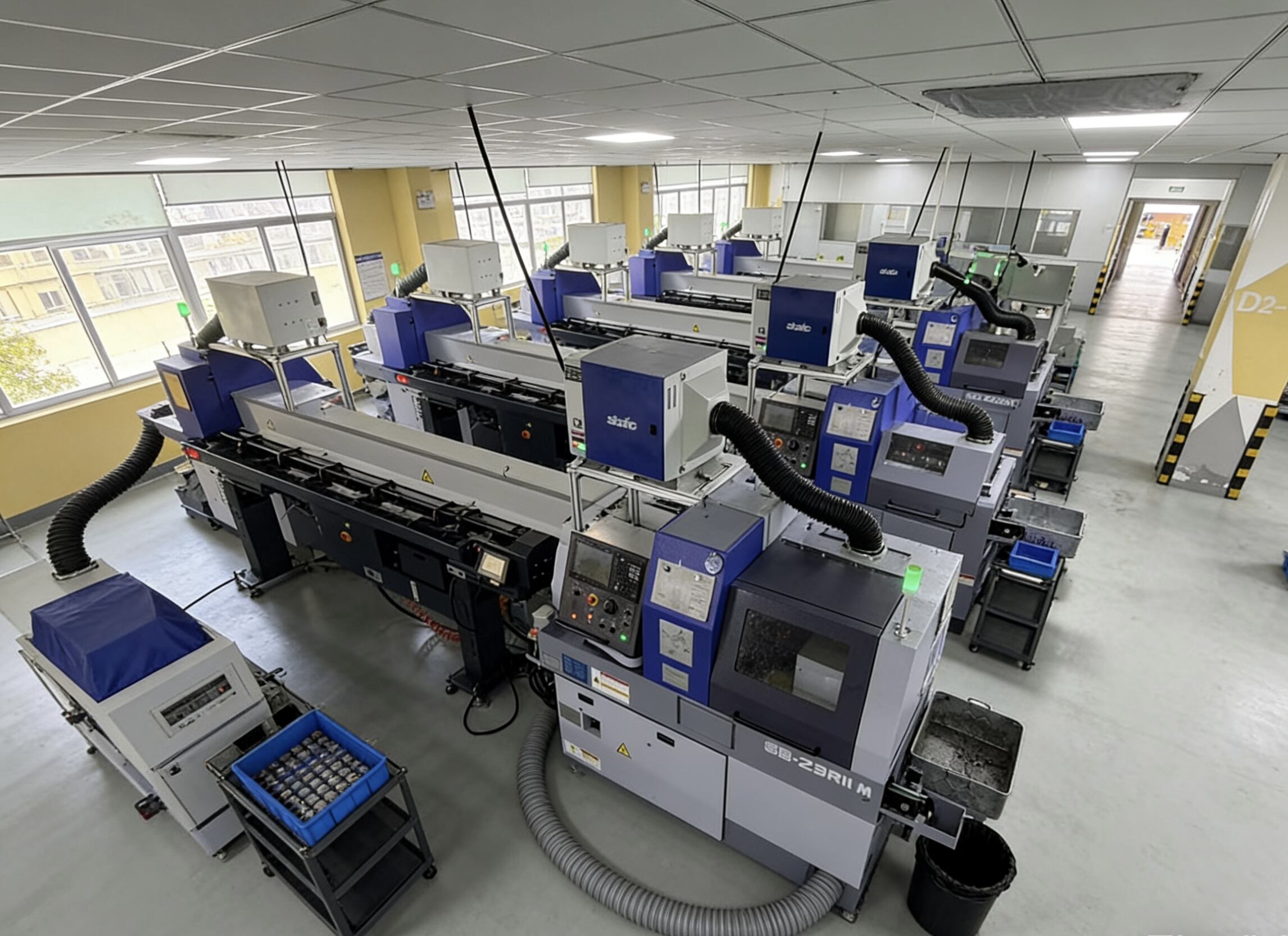
New Product Releases

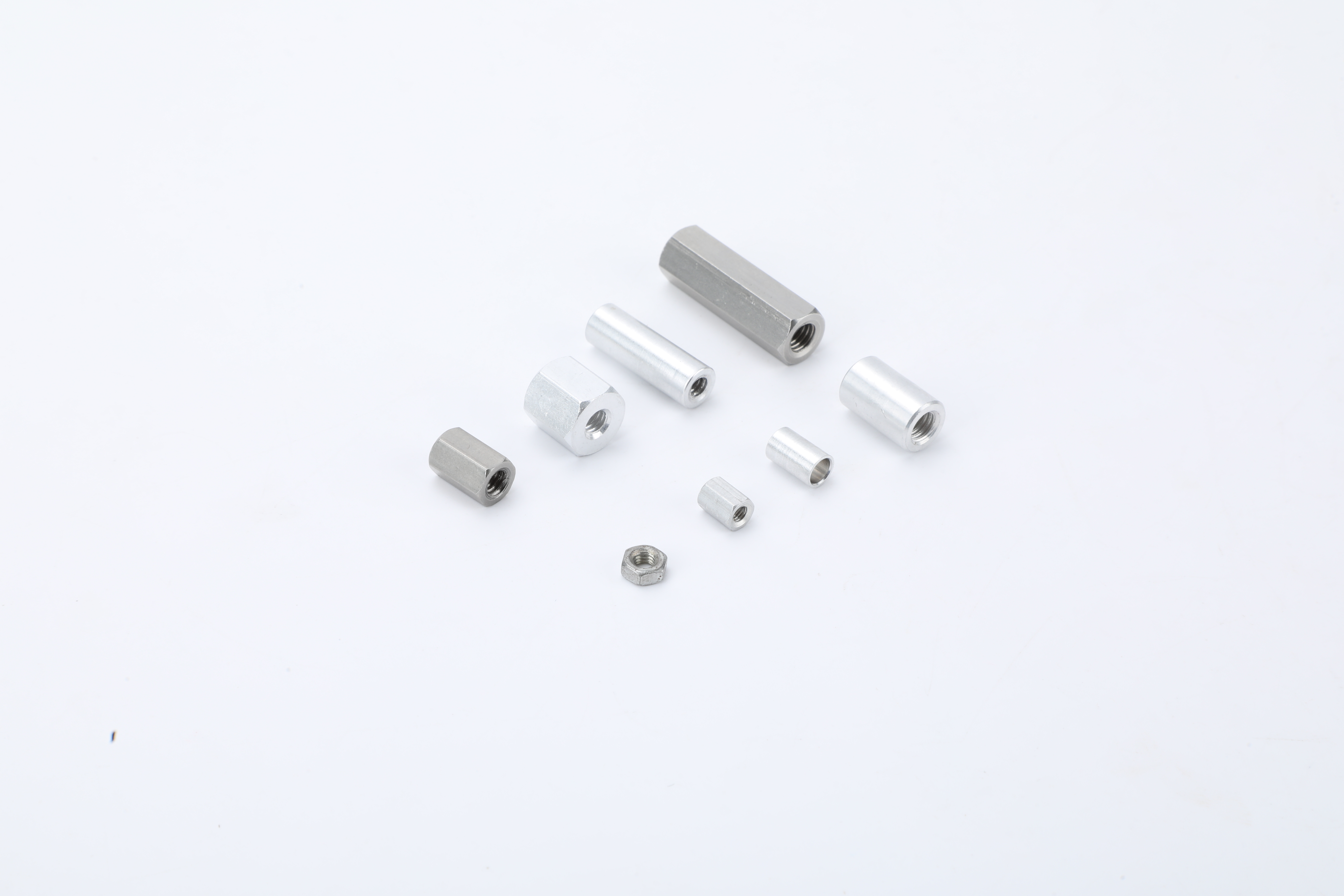
Aluminum machining parts offer remarkable weight reduction benefits that directly translate to improved fuel efficiency and enhanced performance across transportation applications. The density of aluminum is approximately one-third that of steel, enabling manufacturers to achieve significant weight savings without sacrificing structural strength or durability. This weight advantage becomes particularly valuable in aerospace and automotive industries where every pound saved contributes to better fuel economy and increased payload capacity. The corrosion resistance properties of aluminum machining parts eliminate the need for extensive protective coatings in many environments, reducing maintenance costs and extending service life compared to ferrous alternatives. Natural oxide layer formation on aluminum surfaces provides inherent protection against environmental factors, making these parts suitable for outdoor installations and marine applications. The excellent thermal conductivity of aluminum machining parts makes them ideal for heat dissipation applications such as electronic housings, LED fixtures, and cooling systems where efficient heat transfer is essential. Manufacturing flexibility represents another significant advantage, as aluminum responds well to various machining operations including milling, turning, drilling, and tapping, allowing for complex geometries and precise features to be created efficiently. The material's machinability characteristics result in faster production speeds and longer tool life, reducing manufacturing costs and lead times for customers. Aluminum machining parts can be easily joined through welding, brazing, or mechanical fastening methods, providing design flexibility for assembly operations. The recyclability of aluminum supports sustainability initiatives, as these parts can be reclaimed and reprocessed without losing material properties, appealing to environmentally conscious organizations. Cost-effectiveness emerges from the combination of material availability, efficient processing, and reduced finishing requirements, making aluminum machining parts an economical choice for both small-scale projects and large production runs. The electrical conductivity properties of aluminum machining parts make them suitable for electrical applications where current carrying capacity is important, while still maintaining structural integrity.

Tips And Tricks

How To Determine The Chemical Stability Of Materials

10

Mar

How To Determine The Chemical Stability Of Materials

View More
Automotive Armrest Slide Rail Production Factory: The Cradle of Quality and Innovation

10

Mar

Automotive Armrest Slide Rail Production Factory: The Cradle of Quality and Innovation

View More
Testing Standards For Corrosion Resistance Of Automotive Parts

10

Mar

Testing Standards For Corrosion Resistance Of Automotive Parts

View More

Get a Free Quote

Our representative will contact you soon.
Email
Mobile/WhatsApp
Name
Company Name
Message
0/1000

aluminum machining parts

Superior Precision and Dimensional Accuracy

Superior Precision and Dimensional Accuracy

Aluminum machining parts excel in delivering exceptional precision and dimensional accuracy that surpasses traditional manufacturing methods, making them indispensable for applications requiring tight tolerances and consistent quality. Modern CNC machining centers achieve tolerances as precise as plus or minus 0.0005 inches, ensuring that aluminum machining parts fit perfectly into assemblies and perform reliably throughout their service life. This level of precision becomes critical in industries such as aerospace, where component failure due to dimensional variations can have catastrophic consequences. The dimensional stability of aluminum machining parts remains consistent across temperature variations, maintaining their precise measurements even when subjected to thermal cycling or extreme operating conditions. Advanced measuring equipment including coordinate measuring machines and laser interferometry systems verify the accuracy of aluminum machining parts throughout the production process, guaranteeing that specifications are met consistently. The surface finish quality achievable with aluminum machining parts ranges from standard machined finishes to mirror-like surfaces with roughness values below 8 microinches, depending on application requirements. This precision capability enables aluminum machining parts to function in high-performance applications such as optical equipment, precision instruments, and medical devices where surface quality directly impacts functionality. The repeatability of the machining process ensures that aluminum machining parts maintain identical specifications across production runs, whether manufacturing ten pieces or ten thousand pieces. Quality control protocols verify dimensional accuracy through statistical process control methods, documenting measurements and maintaining traceability for aluminum machining parts throughout the manufacturing process. The precision achievable with aluminum machining parts eliminates the need for secondary operations such as grinding or lapping in many applications, reducing costs and lead times while maintaining superior quality standards.
Exceptional Strength-to-Weight Performance

Exceptional Strength-to-Weight Performance

The strength-to-weight ratio of aluminum machining parts provides unmatched performance benefits that enable engineers to design lighter, more efficient products without compromising structural integrity or safety requirements. Aluminum alloys used in machining applications can achieve tensile strengths exceeding 40,000 PSI while maintaining a density of only 0.098 pounds per cubic inch, delivering strength comparable to steel at one-third the weight. This exceptional strength-to-weight performance makes aluminum machining parts ideal for applications where weight reduction directly impacts operational efficiency, such as aircraft components, automotive parts, and portable equipment. The fatigue resistance of aluminum machining parts ensures long-term reliability under cyclic loading conditions, maintaining structural integrity through millions of stress cycles without crack initiation or propagation. Heat treatment options for aluminum machining parts can further enhance strength properties, with precipitation hardening processes increasing yield strength by up to 300 percent while preserving the beneficial weight characteristics. The modulus of elasticity for aluminum machining parts provides sufficient stiffness for structural applications while allowing controlled deflection that can absorb impact energy and protect connected components. Design flexibility emerges from the strength-to-weight advantage of aluminum machining parts, enabling engineers to create thinner wall sections, larger spans, and more complex geometries that would be impractical with heavier materials. The consistent mechanical properties of aluminum machining parts across different alloy compositions allow designers to select specific grades that optimize strength characteristics for particular applications. Stress distribution in aluminum machining parts can be analyzed through finite element analysis to maximize performance while minimizing weight, leading to optimized designs that take full advantage of the material properties. Testing protocols verify the strength performance of aluminum machining parts through tensile testing, hardness measurements, and proof load verification, ensuring that mechanical properties meet or exceed specification requirements.
Outstanding Corrosion Resistance and Durability

Outstanding Corrosion Resistance and Durability

Aluminum machining parts demonstrate exceptional corrosion resistance and durability characteristics that significantly extend service life and reduce maintenance requirements across diverse operating environments. The natural formation of aluminum oxide on exposed surfaces creates a protective barrier that prevents further corrosion, making aluminum machining parts suitable for outdoor installations, marine environments, and chemical processing applications without additional protective coatings. This inherent corrosion resistance eliminates the need for painting, plating, or other surface treatments that add cost and complexity to manufacturing processes while potentially masking surface defects or dimensional variations. The passivation properties of aluminum machining parts automatically repair minor surface damage, as the oxide layer reforms when scratched or abraded, maintaining corrosion protection throughout the component's service life. Environmental testing of aluminum machining parts includes salt spray exposure, humidity cycling, and chemical compatibility assessments that verify long-term performance in specific operating conditions. The durability of aluminum machining parts extends beyond corrosion resistance to include thermal stability, with operating temperature ranges from cryogenic applications below minus 300 degrees Fahrenheit to elevated temperatures exceeding 400 degrees Fahrenheit depending on alloy selection. Wear resistance properties of aluminum machining parts can be enhanced through surface treatments such as hard anodizing or chemical conversion coatings that increase surface hardness while maintaining the underlying corrosion protection. The dimensional stability of aluminum machining parts under thermal cycling prevents stress concentration and premature failure, ensuring reliable operation in applications with varying temperature conditions. Field experience with aluminum machining parts demonstrates service lives exceeding 20 years in properly designed applications, providing excellent return on investment through reduced replacement costs and minimal maintenance requirements. The compatibility of aluminum machining parts with various sealing materials, lubricants, and cleaning agents ensures trouble-free operation in complex assemblies where interaction with other materials is unavoidable.

Get a Free Quote

Our representative will contact you soon.
Email
Mobile/WhatsApp
Name
Company Name
Message
0/1000