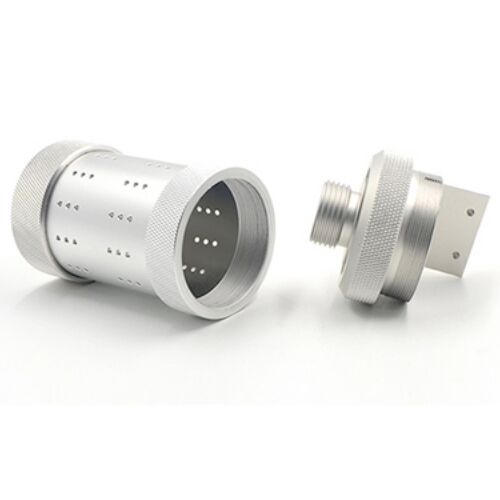
Premium Custom Machining Parts - Precision Engineering Solutions for Industrial Applications

All Categories

Get a Free Quote

Our representative will contact you soon.
Email
Mobile/WhatsApp
Name
Company Name
Message
0/1000

custom machining parts

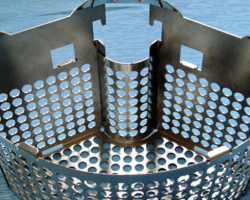
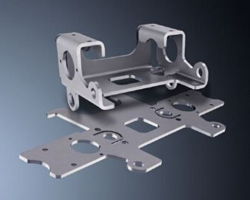
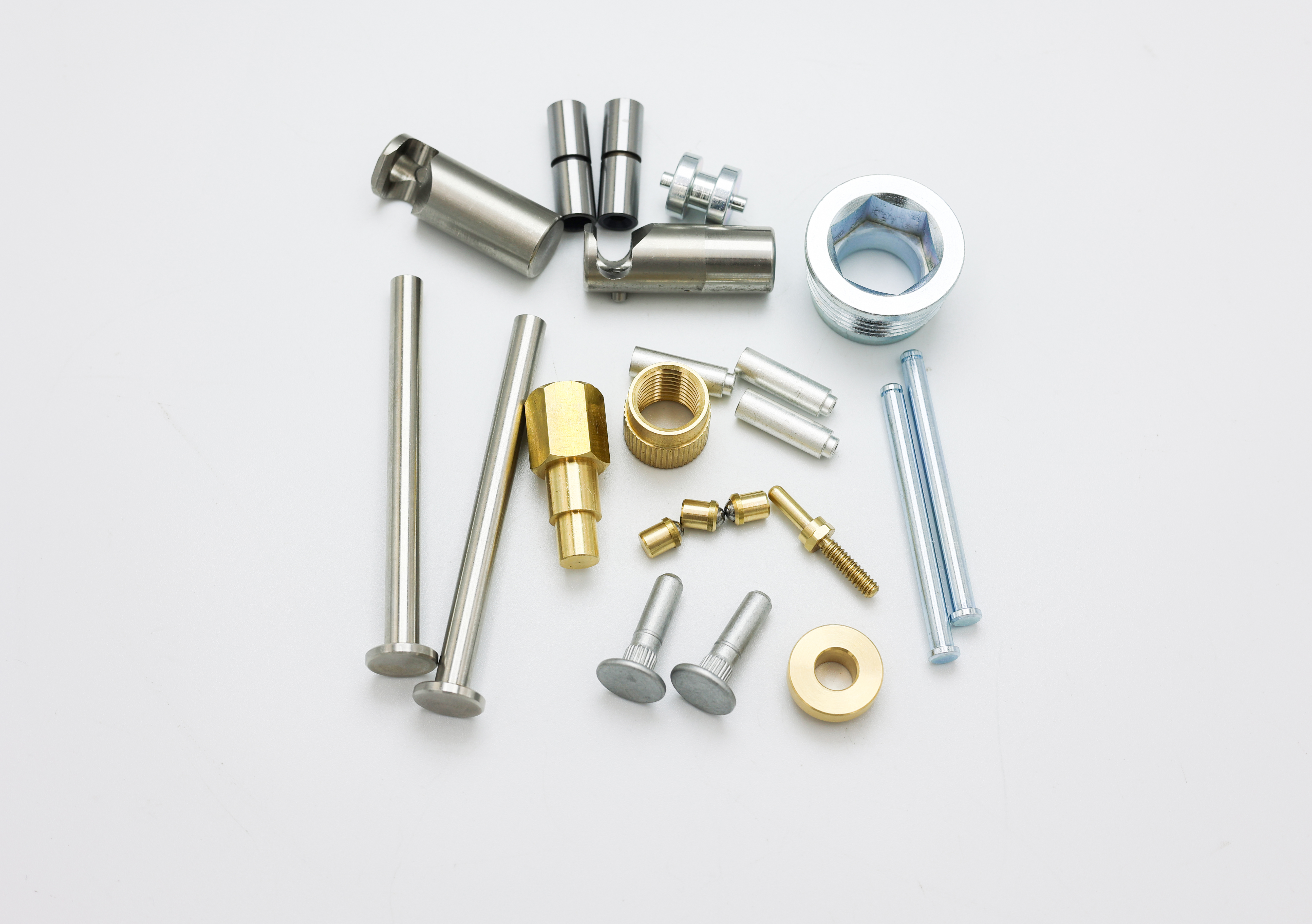
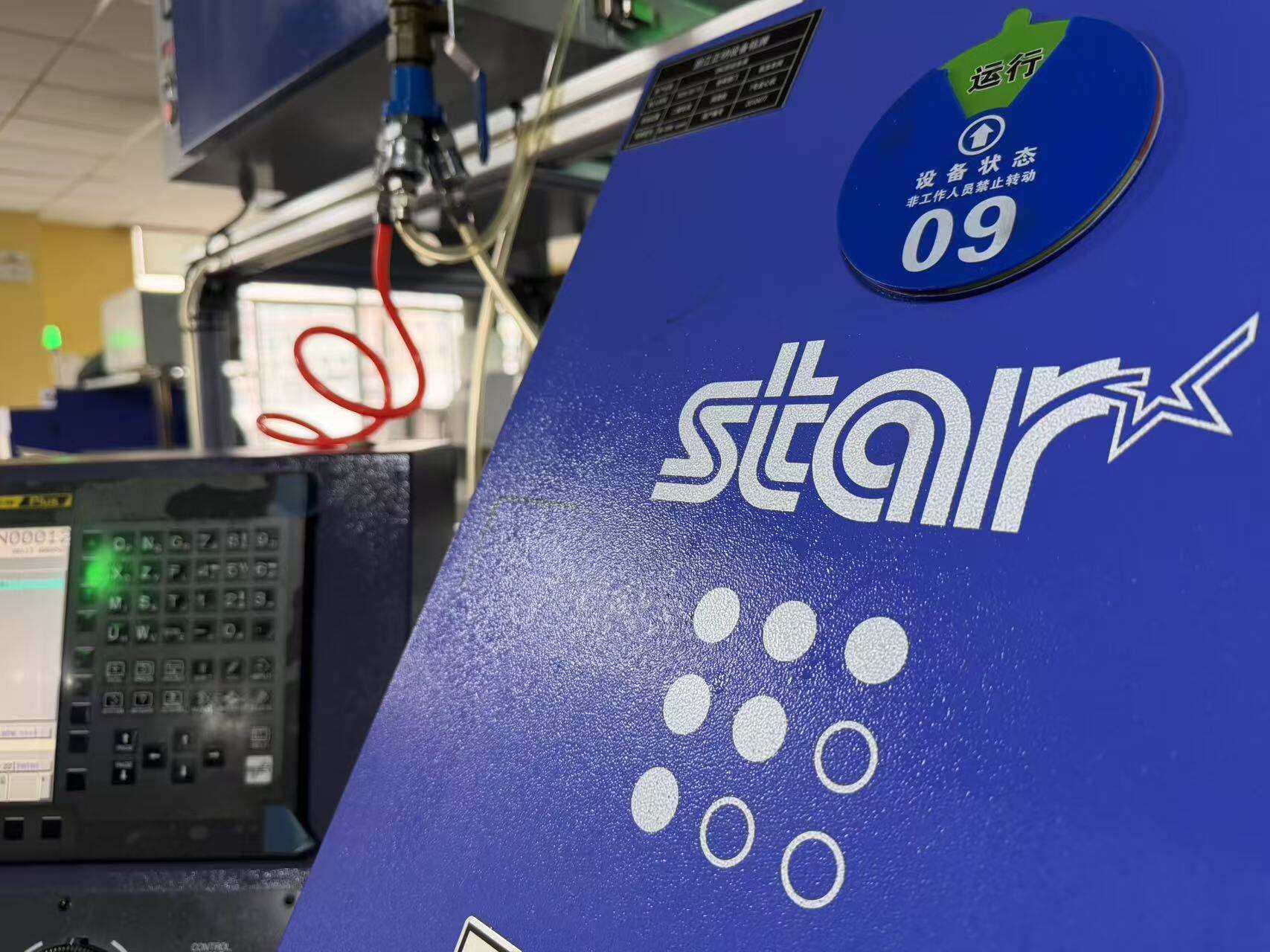
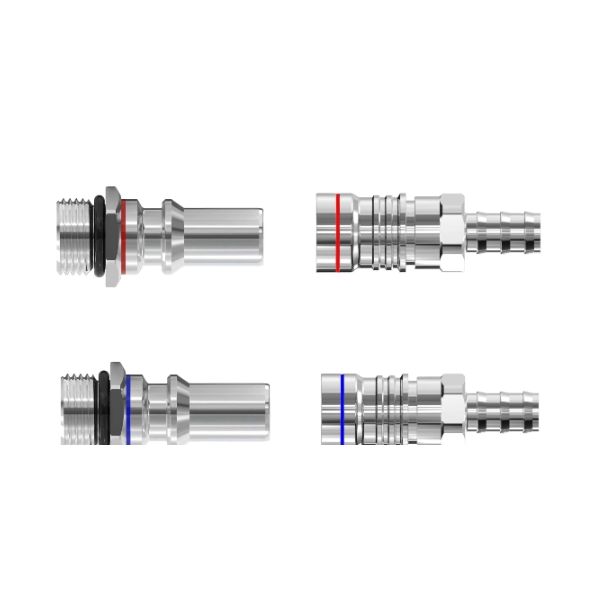
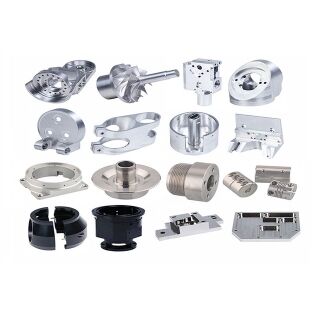
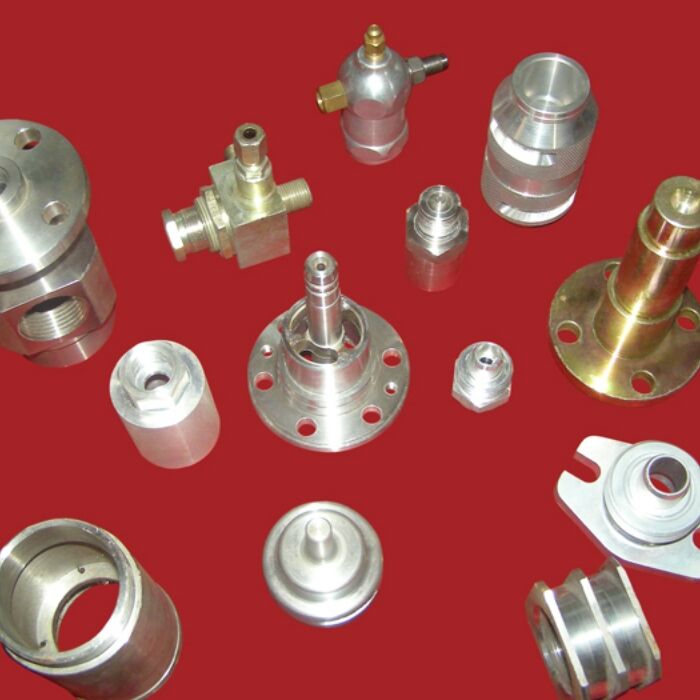
Custom machining parts represent a sophisticated manufacturing solution that transforms raw materials into precisely engineered components tailored to specific requirements and applications. These specialized parts are created through advanced manufacturing processes that utilize computer-controlled machinery, cutting-edge technology, and skilled craftsmanship to deliver components that meet exact specifications and performance standards. The primary function of custom machining parts involves converting standard materials such as metals, plastics, ceramics, and composites into highly accurate, functional components that serve critical roles across numerous industries. The technological features of custom machining parts encompass several advanced manufacturing methodologies including CNC milling, turning, grinding, drilling, and multi-axis machining capabilities. These processes enable manufacturers to achieve exceptional dimensional accuracy, typically within tolerances of ±0.0001 inches, while maintaining superior surface finishes and geometric precision. Modern custom machining facilities employ state-of-the-art equipment featuring automated tool changers, real-time monitoring systems, and adaptive control technologies that ensure consistent quality and optimal production efficiency. The applications for custom machining parts span across diverse sectors including aerospace, automotive, medical devices, electronics, defense, energy, and industrial machinery. In aerospace applications, these parts serve as critical components in aircraft engines, landing gear systems, and structural assemblies where precision and reliability are paramount. Automotive industries rely on custom machining parts for engine components, transmission systems, and specialized tooling requirements. Medical device manufacturers utilize these precision components for surgical instruments, implantable devices, and diagnostic equipment where biocompatibility and exact specifications are essential. The versatility of custom machining parts allows manufacturers to work with various materials ranging from aluminum and steel to exotic alloys, titanium, and advanced polymers, ensuring optimal performance characteristics for each specific application and operational environment.

New Product Recommendations

Custom machining parts deliver exceptional value through their ability to meet unique specifications that standard off-the-shelf components cannot satisfy. This precision manufacturing approach allows businesses to obtain exactly what they need without compromising on design requirements or settling for less suitable alternatives. The manufacturing process ensures each component meets stringent quality standards while maintaining cost-effectiveness through efficient production methods and material optimization. One significant advantage lies in the superior dimensional accuracy achievable through custom machining processes. Advanced CNC equipment produces parts with tolerances measured in thousandths of an inch, ensuring perfect fit and function within assemblies. This precision eliminates common issues such as misalignment, excessive wear, and premature failure that often occur with generic components. The enhanced accuracy directly translates to improved product performance, reduced maintenance requirements, and extended operational life cycles. Material selection flexibility represents another crucial benefit of custom machining parts. Manufacturers can choose from extensive material options including specialized alloys, heat-treated steels, corrosion-resistant materials, and lightweight composites based on specific application requirements. This flexibility enables optimization for factors such as strength-to-weight ratios, chemical resistance, thermal properties, and electrical conductivity. The ability to select ideal materials ensures components perform optimally under intended operating conditions while maintaining structural integrity and reliability. Lead time advantages make custom machining parts particularly attractive for time-sensitive projects and rapid prototyping requirements. Modern machining facilities can quickly transition from design concepts to finished components, often within days rather than weeks required for traditional manufacturing methods. This rapid turnaround capability proves invaluable for product development cycles, emergency repairs, and market responsiveness. Additionally, the scalability of custom machining allows for efficient production whether requiring single prototype pieces or large production runs. Quality control throughout the manufacturing process ensures consistent results and eliminates variability common in mass-produced alternatives. Each custom machining part undergoes rigorous inspection using advanced metrology equipment, guaranteeing compliance with specifications and performance standards. This comprehensive quality assurance reduces reject rates, minimizes rework costs, and enhances overall project success rates while building long-term customer confidence and satisfaction.

Latest News

How To Determine The Chemical Stability Of Materials

10

Mar

How To Determine The Chemical Stability Of Materials

View More
Automotive Armrest Slide Rail Production Factory: The Cradle of Quality and Innovation

10

Mar

Automotive Armrest Slide Rail Production Factory: The Cradle of Quality and Innovation

View More
How To Choose Appropriate Automotive Parts According To Testing Standards

10

Mar

How To Choose Appropriate Automotive Parts According To Testing Standards

View More
Testing Standards For Corrosion Resistance Of Automotive Parts

10

Mar

Testing Standards For Corrosion Resistance Of Automotive Parts

View More

Get a Free Quote

Our representative will contact you soon.
Email
Mobile/WhatsApp
Name
Company Name
Message
0/1000

custom machining parts

Unmatched Precision Engineering Excellence

Unmatched Precision Engineering Excellence

Custom machining parts achieve extraordinary precision levels that surpass conventional manufacturing methods through advanced computer numerical control technology and sophisticated quality assurance protocols. This precision engineering excellence stems from utilizing state-of-the-art CNC machines equipped with high-resolution feedback systems, precision spindles, and advanced tooling systems that maintain accuracy within micrometers. The manufacturing process incorporates multiple quality checkpoints where dimensional measurements, surface finish evaluations, and geometric inspections verify compliance with specifications throughout production cycles. Advanced coordinate measuring machines and optical inspection systems provide real-time feedback to ensure every custom machining part meets exacting standards before completion. The precision capabilities extend beyond basic dimensional accuracy to include complex geometric features such as intricate internal channels, precise angular relationships, and sophisticated surface textures that enhance functionality and performance. This level of precision proves particularly valuable in applications where component interaction requires exact tolerances, such as hydraulic systems, precision instruments, and high-performance machinery. The manufacturing environment maintains strict temperature and humidity controls to prevent thermal expansion variations that could affect accuracy during production processes. Skilled machinists undergo continuous training on latest technologies and techniques to maintain expertise levels necessary for achieving consistent precision results. Quality documentation accompanies each custom machining part, providing traceability and verification of manufacturing processes, material certifications, and inspection results that support compliance requirements and customer confidence. The precision engineering excellence delivered through custom machining parts eliminates costly assembly issues, reduces maintenance requirements, and ensures optimal performance throughout product lifecycles while providing competitive advantages through superior quality and reliability standards that distinguish products in demanding market environments.
Rapid Prototyping and Production Flexibility

Rapid Prototyping and Production Flexibility

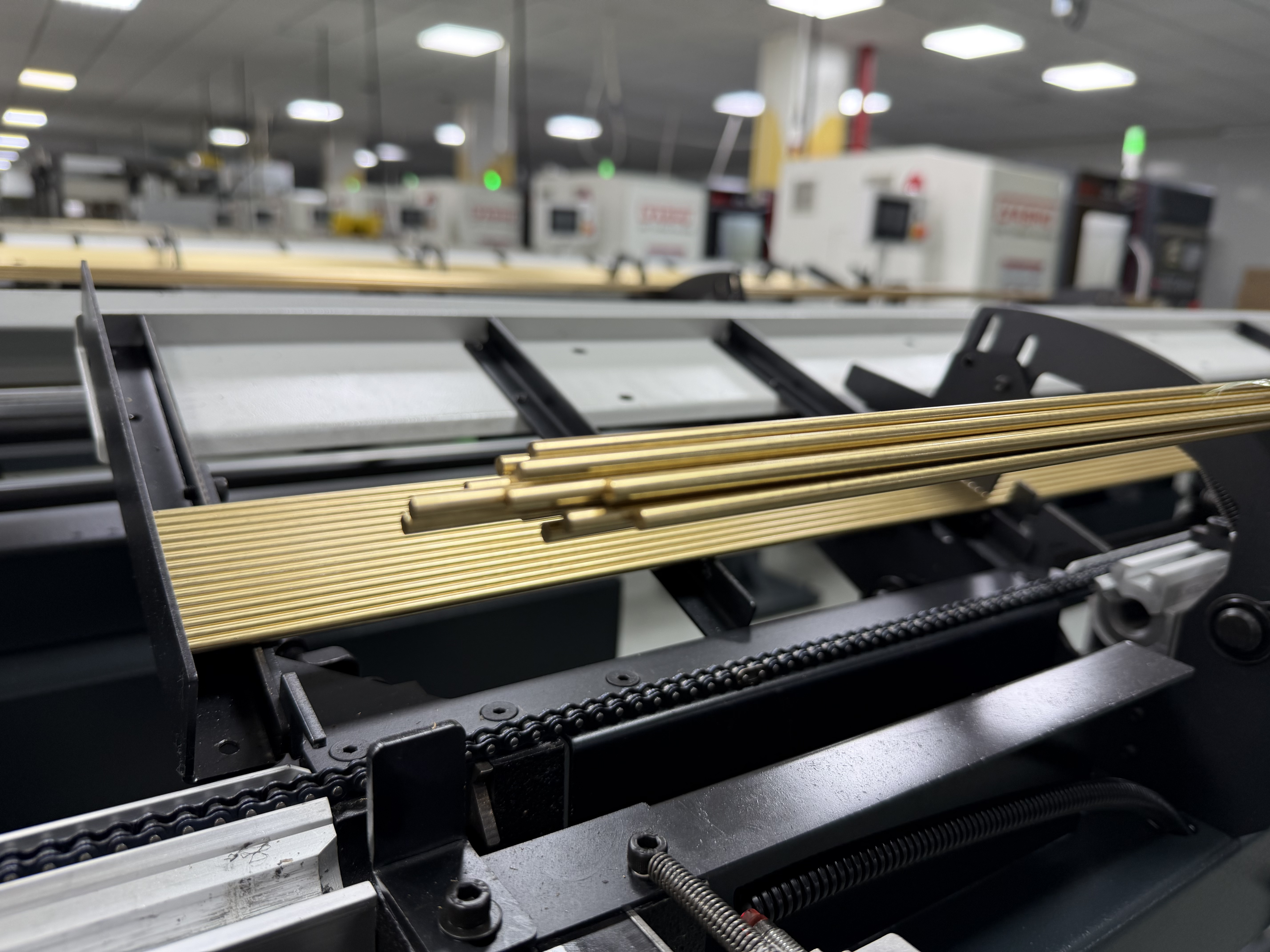
Custom machining parts excel in providing rapid prototyping capabilities and exceptional production flexibility that accelerates product development timelines while accommodating diverse manufacturing requirements across various industries and applications. This flexibility manifests through advanced programming capabilities that allow quick setup changes, tooling modifications, and production adjustments without extensive retooling or lengthy changeover procedures. Modern machining centers can transition between different part configurations rapidly, enabling manufacturers to respond quickly to design changes, market demands, and customer requirements while maintaining consistent quality standards throughout production runs. The rapid prototyping advantages include the ability to produce functional prototypes directly from digital designs within hours or days, eliminating traditional tooling lead times and enabling iterative design improvements based on physical testing and evaluation. This capability proves invaluable during product development phases where multiple design iterations help optimize performance, functionality, and manufacturability before committing to larger production volumes. Advanced CAM software integration streamlines the transition from design concepts to manufacturing instructions, reducing programming time and minimizing potential errors while ensuring efficient material utilization and optimal cutting strategies. Production flexibility extends to batch size variations, allowing economical production of small quantities for specialized applications or large volumes for mass production requirements without significant cost penalties or quality compromises. The versatility encompasses material handling capabilities that accommodate various stock sizes, shapes, and material types within the same production facility, reducing inventory complexity and lead times while maximizing operational efficiency. Quick-change tooling systems and automated tool management further enhance flexibility by reducing setup times and enabling lights-out manufacturing for increased productivity and cost-effectiveness. This comprehensive flexibility in custom machining parts manufacturing supports diverse customer needs while maintaining competitive pricing structures and delivery schedules that meet demanding market requirements and project timelines.
Superior Material Optimization and Performance

Superior Material Optimization and Performance

Custom machining parts deliver superior material optimization and enhanced performance characteristics through strategic material selection, advanced processing techniques, and specialized treatments that maximize component effectiveness in demanding applications. The material optimization process begins with comprehensive analysis of operational requirements including mechanical stresses, environmental conditions, temperature ranges, chemical exposures, and performance expectations that influence material selection decisions. Engineering teams collaborate with customers to identify optimal material choices from extensive options including standard metals, exotic alloys, engineered plastics, and composite materials that provide ideal property combinations for specific applications. Advanced heat treatment processes, surface coatings, and specialized finishing techniques further enhance material properties to achieve desired characteristics such as increased hardness, improved corrosion resistance, enhanced wear properties, or specific electrical conductivity requirements. The material optimization extends to geometric design considerations where custom machining capabilities enable incorporation of stress-relief features, optimized wall thicknesses, and strategic material distribution that maximizes strength-to-weight ratios while minimizing material usage and costs. Sophisticated metallurgical analysis and material testing verify properties and ensure consistency throughout production batches, providing confidence in long-term performance and reliability under intended service conditions. Custom machining processes preserve material integrity through controlled cutting parameters, appropriate tooling selection, and thermal management that prevent work hardening, residual stress introduction, or microstructural changes that could compromise performance. The resulting components exhibit superior mechanical properties, dimensional stability, and service life compared to alternatives produced through less controlled manufacturing methods. Performance benefits include reduced maintenance requirements, extended operational intervals, improved efficiency, and enhanced safety margins that provide significant value throughout component lifecycles. Documentation and certification accompanying custom machining parts verify material properties, processing parameters, and quality standards that support traceability requirements and customer confidence while ensuring compliance with industry specifications and regulatory standards that govern critical applications across aerospace, medical, automotive, and industrial sectors.

Get a Free Quote

Our representative will contact you soon.
Email
Mobile/WhatsApp
Name
Company Name
Message
0/1000