Premium Metal Machining Parts - Precision Engineered Components for Industrial Excellence

All Categories

Get a Free Quote

Our representative will contact you soon.
Email
Mobile/WhatsApp
Name
Company Name
Message
0/1000

metal machining parts

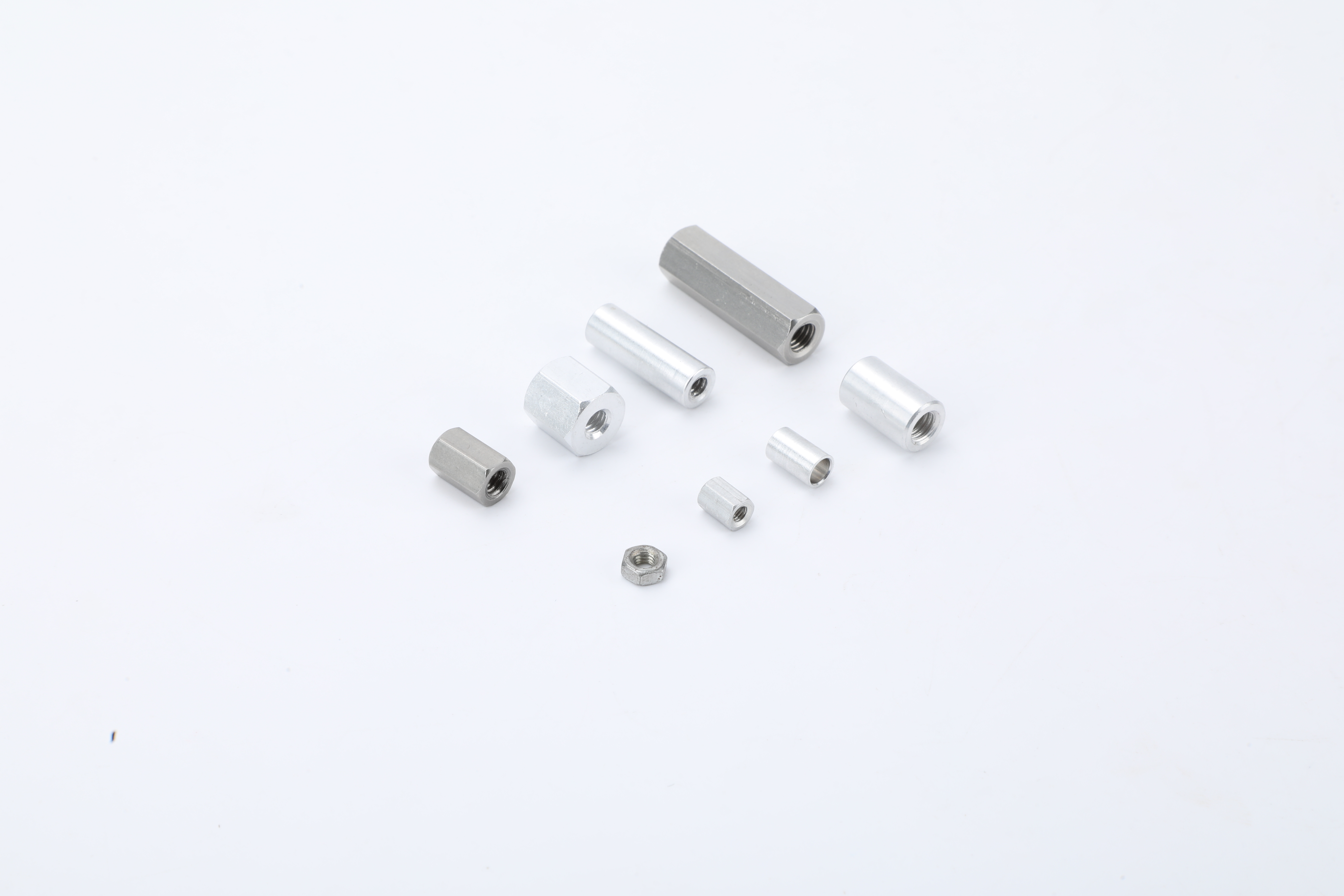
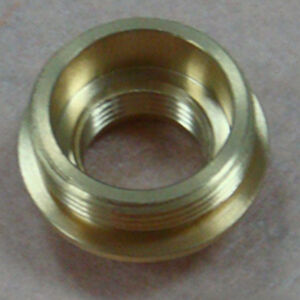
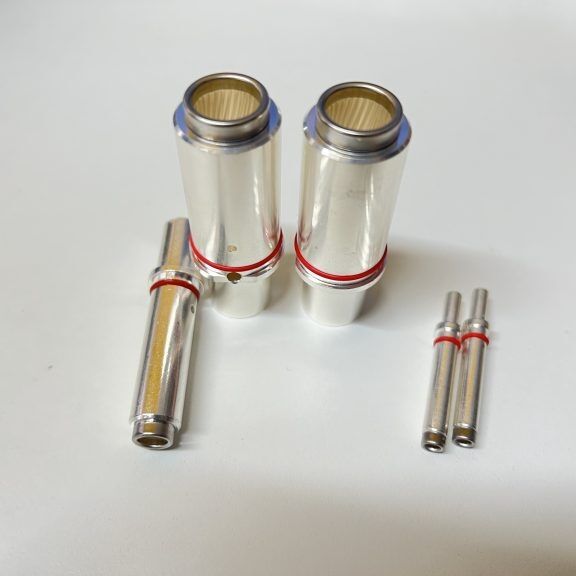
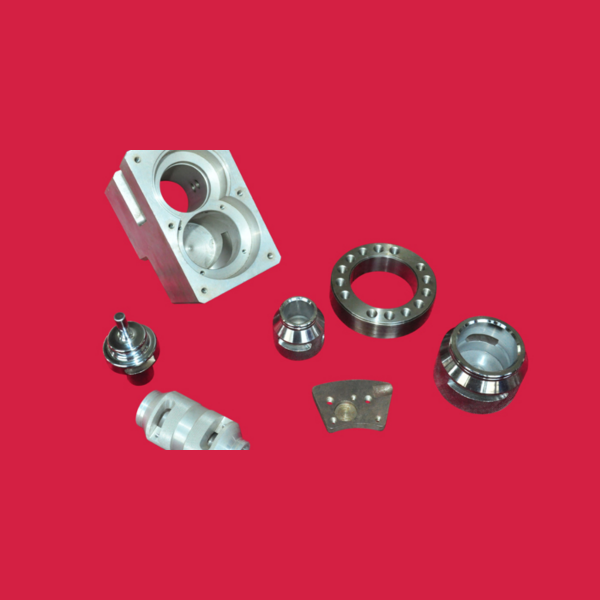
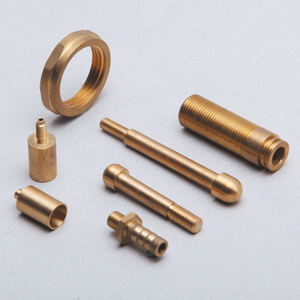
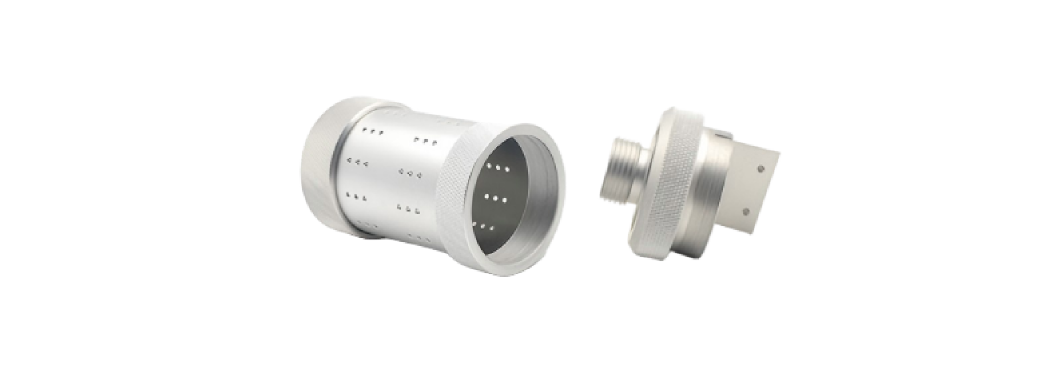
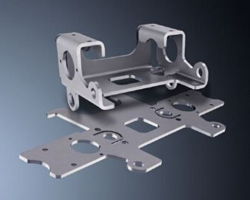
Metal machining parts represent the backbone of modern manufacturing industries, serving as precision-engineered components that undergo various mechanical processes to achieve exact specifications and superior functionality. These specialized components are created through controlled material removal techniques, including turning, milling, drilling, grinding, and cutting operations that transform raw metal stock into finished products with tight tolerances and exceptional surface quality. The primary function of metal machining parts centers on providing reliable mechanical solutions across diverse industrial applications, from automotive engines and aerospace systems to medical devices and consumer electronics. These components must withstand extreme operating conditions while maintaining dimensional accuracy and structural integrity throughout their service life. The technological features of metal machining parts encompass advanced material properties, precise geometric configurations, and specialized surface treatments that enhance performance characteristics. Modern metal machining parts utilize sophisticated alloys, including stainless steel, aluminum, titanium, and high-strength carbon steels, each selected for specific mechanical properties such as corrosion resistance, weight reduction, or enhanced durability. Computer numerical control technology enables manufacturers to produce metal machining parts with repeatability and accuracy measured in micrometers, ensuring consistent quality across large production runs. Surface finishing techniques, including anodizing, plating, and heat treatment processes, further enhance the functional capabilities of these components. Applications for metal machining parts span virtually every industrial sector, from heavy machinery and construction equipment to precision instruments and electronic housings. In automotive manufacturing, these components form critical engine blocks, transmission systems, and chassis components that require exceptional strength and reliability. Aerospace applications demand metal machining parts with superior strength-to-weight ratios and resistance to extreme temperatures and pressures. Medical device manufacturers rely on biocompatible metal machining parts for surgical instruments, implants, and diagnostic equipment that must meet stringent regulatory standards and performance requirements.
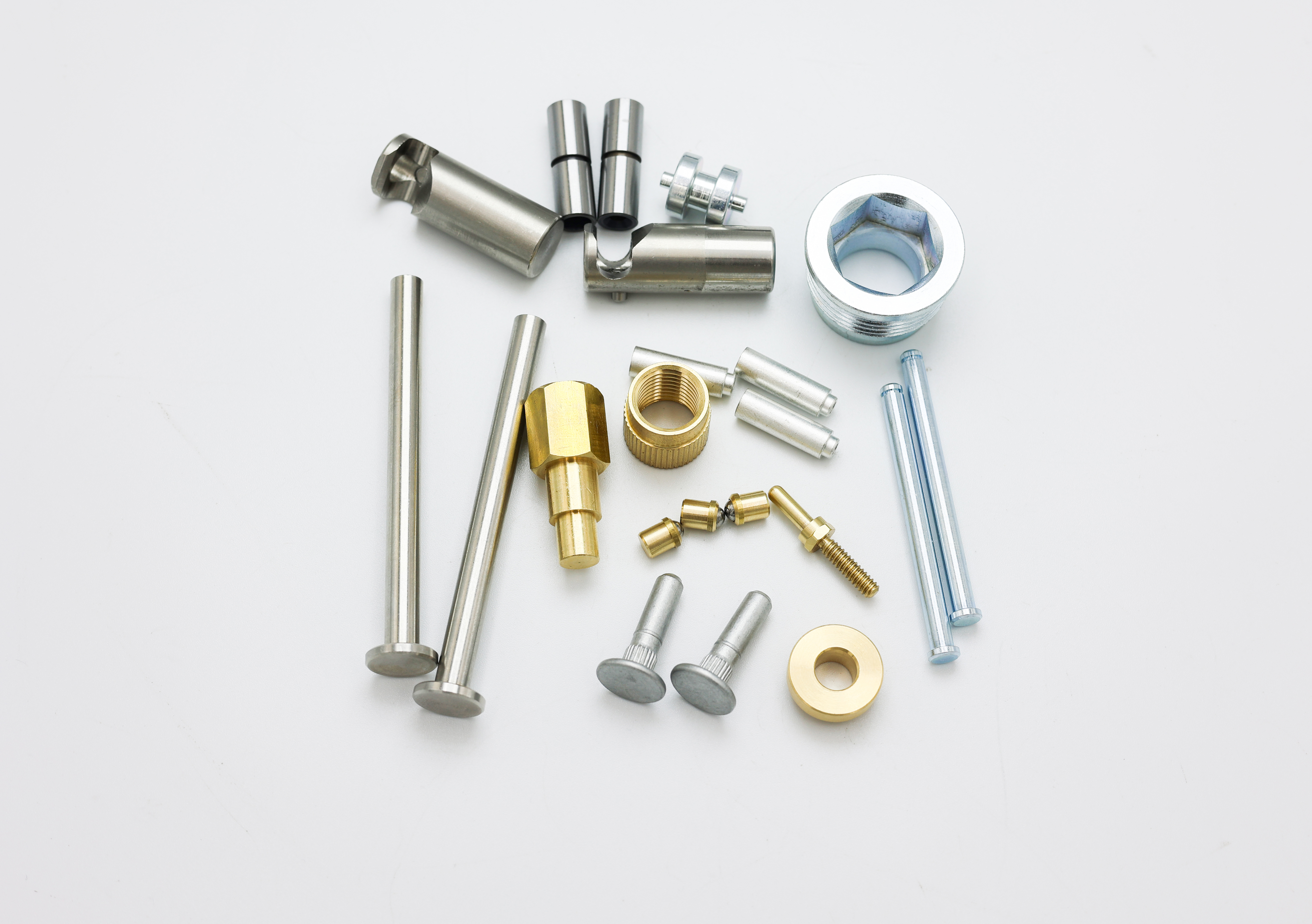
New Products

Metal machining parts deliver exceptional precision that transforms manufacturing capabilities, enabling companies to achieve dimensional accuracies within thousandths of an inch consistently across production runs. This remarkable precision eliminates costly rework and ensures perfect fit and function in complex assemblies, reducing downtime and improving overall product reliability. Manufacturers benefit from reduced waste materials and lower rejection rates, directly impacting profitability and resource efficiency. The durability of metal machining parts surpasses conventional alternatives, providing extended service life that reduces replacement frequency and maintenance costs significantly. These components withstand harsh environmental conditions, including extreme temperatures, corrosive chemicals, and high-stress mechanical loads without compromising performance standards. Industries operating in demanding environments experience substantial cost savings through reduced equipment downtime and extended operational intervals between maintenance schedules. Versatility stands as another major advantage, with metal machining parts adaptable to countless applications across diverse industrial sectors. Custom configurations meet specific requirements without compromising quality or performance, allowing manufacturers to optimize designs for particular use cases. This adaptability reduces inventory complexity while ensuring optimal performance in specialized applications. Manufacturing flexibility enables rapid prototyping and design modifications, accelerating product development cycles and reducing time-to-market for new innovations. Quality consistency represents a fundamental advantage that builds customer confidence and reduces liability concerns. Advanced quality control systems ensure every metal machining part meets established specifications, eliminating variations that could compromise system performance. This consistency enables predictable performance characteristics and simplifies integration into existing systems. Cost effectiveness emerges through multiple channels, including reduced material waste, lower labor requirements, and decreased finishing operations. High-volume production capabilities drive down per-unit costs while maintaining superior quality standards. The longevity of metal machining parts reduces total cost of ownership by minimizing replacement frequencies and associated labor costs. Compatibility with existing manufacturing systems streamlines integration processes, reducing implementation costs and technical complications. Environmental benefits include recyclability of materials and reduced energy consumption during production processes. Modern machining techniques optimize material utilization, minimizing waste generation and supporting sustainable manufacturing practices. These advantages collectively position metal machining parts as essential components for manufacturers seeking competitive advantages through superior quality, reliability, and operational efficiency.

Practical Tips

How To Determine The Chemical Stability Of Materials

10

Mar

How To Determine The Chemical Stability Of Materials

View More
Testing Standards For Corrosion Resistance Of Automotive Parts

10

Mar

Testing Standards For Corrosion Resistance Of Automotive Parts

View More

Get a Free Quote

Our representative will contact you soon.
Email
Mobile/WhatsApp
Name
Company Name
Message
0/1000

metal machining parts

Unmatched Precision Engineering Excellence

Unmatched Precision Engineering Excellence

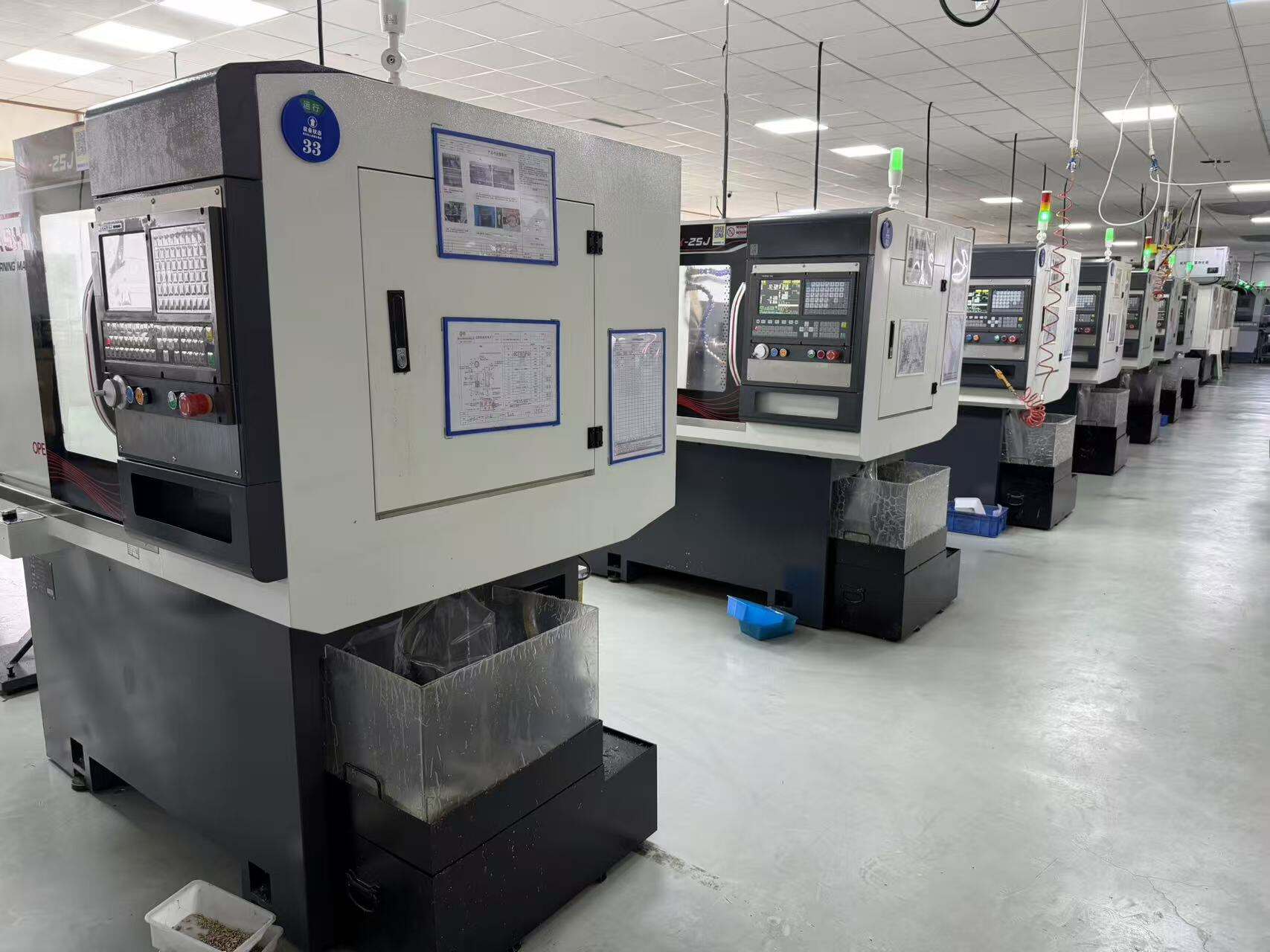
Metal machining parts achieve extraordinary precision levels that revolutionize manufacturing standards across industries, delivering dimensional accuracies measured in micrometers through advanced computer-controlled machining processes. This exceptional precision stems from sophisticated machinery equipped with high-resolution feedback systems and rigid construction that eliminates vibrations and deflections during operation. The precision capabilities enable manufacturers to produce components with tolerances as tight as ±0.0001 inches, ensuring perfect fits in critical assemblies where even minimal variations could compromise performance or safety. Modern metal machining parts benefit from multi-axis machining centers that simultaneously control movement across multiple planes, creating complex geometries with remarkable accuracy and repeatability. Temperature-controlled manufacturing environments maintain consistent dimensional stability throughout production cycles, preventing thermal expansion effects that could introduce variations. Advanced measurement systems continuously monitor critical dimensions during machining operations, automatically compensating for tool wear and thermal drift to maintain precision standards. This precision excellence translates into significant practical benefits for customers, including reduced assembly time, eliminated shimming requirements, and improved product reliability. Components fit together perfectly without modification, streamlining production processes and reducing labor costs associated with fitting and adjustment operations. The precision of metal machining parts enables tighter design tolerances, allowing engineers to optimize product performance while minimizing material usage and weight. Quality assurance processes verify dimensional accuracy through coordinate measuring machines and optical inspection systems, providing documented proof of conformance to specifications. Customers experience reduced warranty claims and field failures when utilizing precision metal machining parts, as tight tolerances eliminate play and backlash that could lead to premature wear or malfunction. The precision advantage extends to surface finish quality, with metal machining parts achieving mirror-like finishes or precisely controlled surface textures that enhance functionality and appearance. This combination of dimensional precision and surface quality excellence positions metal machining parts as the preferred choice for applications demanding the highest performance standards and reliability requirements.
Superior Material Durability and Longevity

Superior Material Durability and Longevity

Metal machining parts demonstrate exceptional durability characteristics that significantly extend service life while maintaining optimal performance under demanding operating conditions, providing customers with substantial long-term value through reduced replacement costs and minimized downtime. The inherent strength of machined metal components stems from carefully selected base materials and controlled manufacturing processes that preserve and enhance natural material properties throughout production. High-grade alloys used in metal machining parts exhibit superior tensile strength, fatigue resistance, and wear characteristics compared to alternative materials, ensuring reliable operation in high-stress applications. Advanced heat treatment processes further enhance material properties, creating optimal hardness distributions and stress patterns that maximize component longevity. Surface hardening techniques, including case hardening and nitriding, create wear-resistant surfaces while maintaining tough, ductile cores that resist impact and shock loading. The durability advantage becomes particularly evident in applications involving repetitive loading cycles, where metal machining parts consistently outperform alternatives by factors of ten or more in terms of operational life. Corrosion resistance properties of properly selected and treated metal machining parts ensure long-term reliability in harsh chemical environments, eliminating concerns about degradation from exposure to acids, bases, or salt spray conditions. Specialized coatings and surface treatments provide additional protection layers that extend service life even further while maintaining dimensional stability. Customers benefit from predictable maintenance schedules and reduced inventory requirements for replacement parts, as the extended service life of metal machining parts allows for planned maintenance rather than emergency repairs. The economic impact of this durability extends beyond simple replacement cost savings, encompassing reduced labor costs for maintenance activities, decreased system downtime, and improved operational efficiency. Manufacturing operations experience fewer production interruptions when utilizing durable metal machining parts, as component failures become rare events rather than routine concerns. The superior durability also enables higher operating speeds and loads, allowing customers to maximize equipment productivity while maintaining safety margins. Environmental benefits emerge through reduced material consumption and waste generation associated with frequent replacements, supporting sustainable manufacturing practices and corporate environmental responsibility objectives.
Exceptional Manufacturing Versatility and Customization

Exceptional Manufacturing Versatility and Customization

Metal machining parts offer unparalleled versatility in design and manufacturing capabilities, enabling customers to achieve optimal solutions for specific applications through comprehensive customization options and flexible production methodologies that accommodate diverse requirements and constraints. This versatility stems from advanced machining technologies capable of processing a wide range of materials, from common steels and aluminum alloys to exotic superalloys and specialized composites used in demanding aerospace and medical applications. Multi-axis machining centers equipped with sophisticated tooling systems can create complex three-dimensional geometries that would be impossible or cost-prohibitive using alternative manufacturing methods. The flexibility extends to production volumes, with metal machining parts economically viable for both prototype quantities and high-volume production runs through scalable manufacturing processes and optimized tooling strategies. Rapid prototyping capabilities enable customers to evaluate design concepts quickly and cost-effectively, reducing development time and facilitating design optimization before committing to full-scale production. Custom configurations accommodate unique dimensional requirements, special material specifications, and application-specific performance characteristics without compromising quality or delivery schedules. Advanced CAD/CAM integration streamlines the transition from design concept to finished product, enabling complex modifications and design iterations with minimal lead time impact. The versatility of metal machining parts manufacturing processes supports various finishing options, including specialized coatings, surface textures, and mechanical treatments that enhance functionality for specific applications. Customers benefit from single-source solutions that eliminate the complexity and cost associated with multiple suppliers and manufacturing processes. Design flexibility enables optimization for specific performance criteria, whether prioritizing weight reduction, strength enhancement, or cost minimization without sacrificing essential functional requirements. The manufacturing versatility also supports various quality standards and certifications required in regulated industries, including aerospace AS9100, medical ISO 13485, and automotive IATF 16949 compliance. Material traceability and documentation capabilities ensure full compliance with industry regulations and customer specifications. Quick-turn capabilities enable rapid response to urgent requirements and design changes, supporting lean manufacturing initiatives and just-in-time delivery schedules. This exceptional versatility positions metal machining parts as the ideal solution for customers seeking optimized performance, reduced complexity, and enhanced operational efficiency through tailored component solutions.

Get a Free Quote

Our representative will contact you soon.
Email
Mobile/WhatsApp
Name
Company Name
Message
0/1000