Premium Custom Metal Parts Manufacturing | Precision Engineering Solutions

All Categories

Get a Free Quote

Our representative will contact you soon.
Email
Mobile/WhatsApp
Name
Company Name
Message
0/1000

custom metal parts

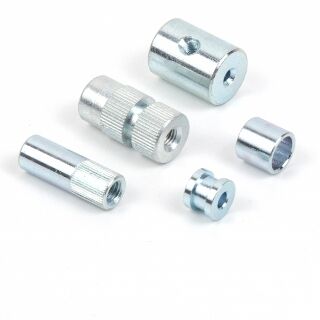
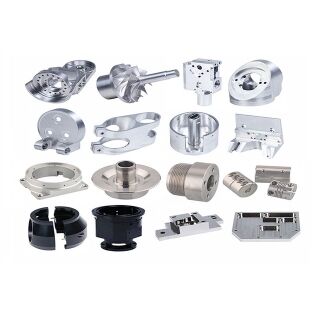
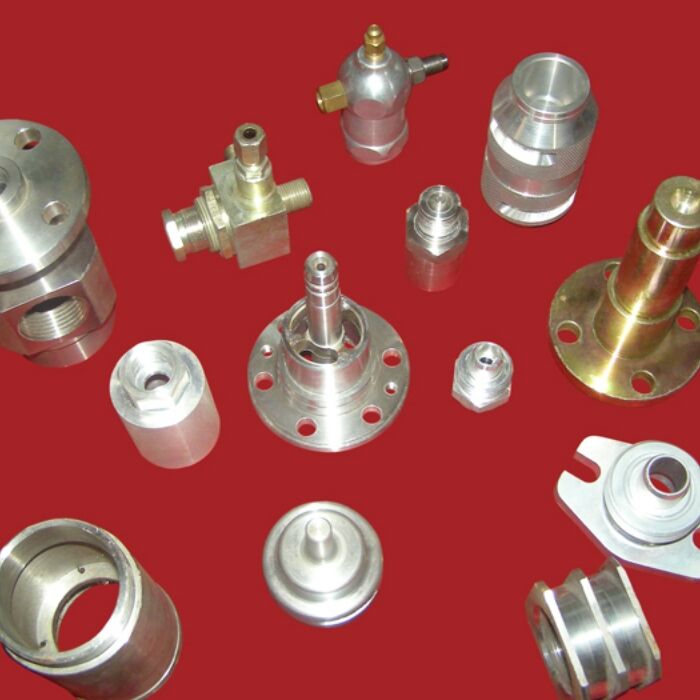
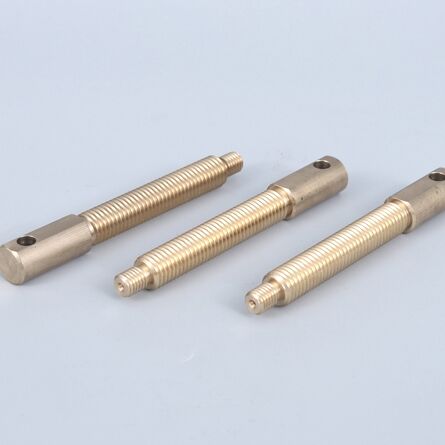
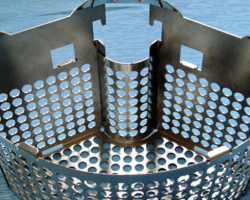
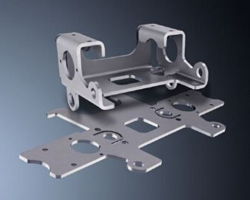
Custom metal parts represent a cornerstone of modern manufacturing, offering precisely engineered components tailored to meet specific industrial requirements. These specialized components are manufactured using advanced techniques such as CNC machining, precision casting, forging, and additive manufacturing to deliver exceptional quality and performance. The primary function of custom metal parts involves replacing standard components with purpose-built solutions that optimize equipment performance, enhance durability, and meet unique operational demands across diverse industries. Technological features of custom metal parts include computer-aided design integration, multi-axis machining capabilities, and sophisticated quality control systems that ensure dimensional accuracy within tight tolerances. Advanced metallurgy allows manufacturers to select optimal materials including stainless steel, aluminum alloys, titanium, brass, and specialized composites based on specific application requirements. Surface treatments such as anodizing, plating, and coating further enhance corrosion resistance and aesthetic appeal. Applications span numerous sectors including aerospace, automotive, medical devices, electronics, construction equipment, and industrial machinery. In aerospace applications, custom metal parts provide critical components for aircraft engines, landing gear systems, and structural assemblies where weight reduction and strength optimization are paramount. Automotive manufacturers rely on custom metal parts for engine components, transmission systems, and chassis elements that must withstand extreme operating conditions. Medical device applications demand biocompatible materials and sterile manufacturing processes to ensure patient safety and regulatory compliance. The manufacturing process begins with detailed engineering analysis, followed by material selection, tooling design, and production planning to achieve desired specifications while maintaining cost effectiveness and delivery schedules.
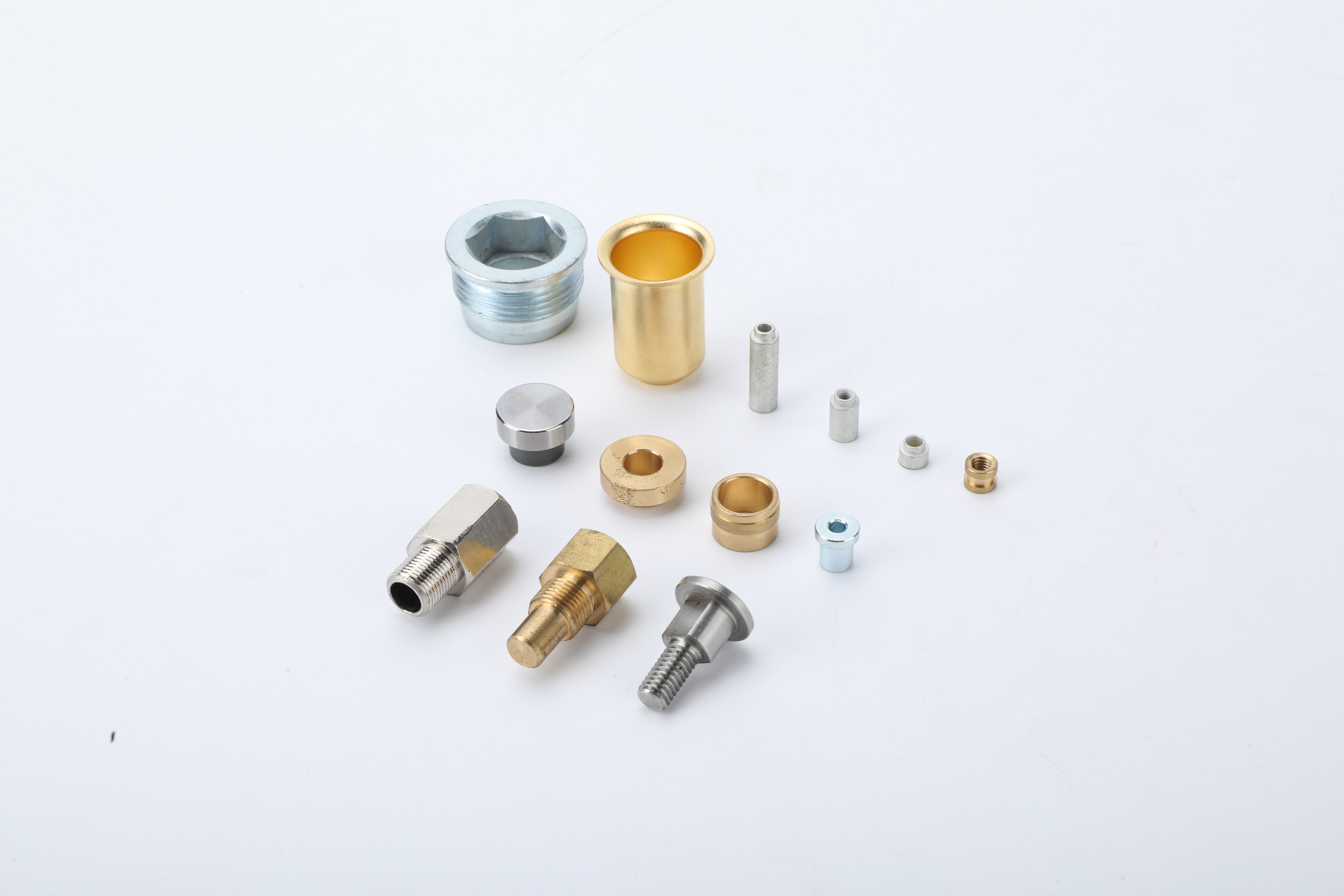
New Product Recommendations

Custom metal parts deliver significant advantages that transform manufacturing operations and product performance across multiple dimensions. Cost effectiveness emerges as a primary benefit when companies replace expensive standard components with optimized custom alternatives that eliminate unnecessary features while enhancing critical performance characteristics. Manufacturing efficiency improves dramatically when custom metal parts integrate seamlessly into existing production systems, reducing assembly time and minimizing potential failure points that could disrupt operations. Quality control reaches superior levels through custom manufacturing processes that implement stringent inspection protocols and material certifications, ensuring each component meets exact specifications and regulatory standards. Design flexibility allows engineers to create innovative solutions that overcome limitations imposed by standard off-the-shelf components, enabling breakthrough product development and competitive advantages. Lead time reduction becomes possible when working with experienced custom manufacturers who maintain dedicated production capacity and streamlined workflows specifically designed for rapid prototyping and volume production. Material optimization provides opportunities to select the most appropriate metals and alloys for specific operating conditions, whether requiring exceptional strength-to-weight ratios, corrosion resistance, or thermal stability. Supply chain reliability improves when companies establish partnerships with trusted custom metal parts manufacturers who maintain consistent quality standards and delivery schedules. Technical support throughout the design and manufacturing process helps identify potential issues early, implement design improvements, and ensure optimal performance in real-world applications. Scalability becomes achievable as custom manufacturers can adjust production volumes to match market demand while maintaining consistent quality and pricing structures. Risk mitigation occurs through comprehensive testing and validation procedures that verify component performance before full-scale production begins. Environmental benefits result from optimized designs that reduce material waste and enable recycling of metal components at end-of-life. Innovation acceleration happens when custom metal parts enable new product concepts that would be impossible using standard components, opening new market opportunities and revenue streams for forward-thinking companies.

Tips And Tricks

Automotive Armrest Slide Rail Production Factory: The Cradle of Quality and Innovation

10

Mar

Automotive Armrest Slide Rail Production Factory: The Cradle of Quality and Innovation

View More
How To Choose Appropriate Automotive Parts According To Testing Standards

10

Mar

How To Choose Appropriate Automotive Parts According To Testing Standards

View More
Testing Standards For Corrosion Resistance Of Automotive Parts

10

Mar

Testing Standards For Corrosion Resistance Of Automotive Parts

View More

Get a Free Quote

Our representative will contact you soon.
Email
Mobile/WhatsApp
Name
Company Name
Message
0/1000

custom metal parts

Precision Engineering Excellence

Precision Engineering Excellence

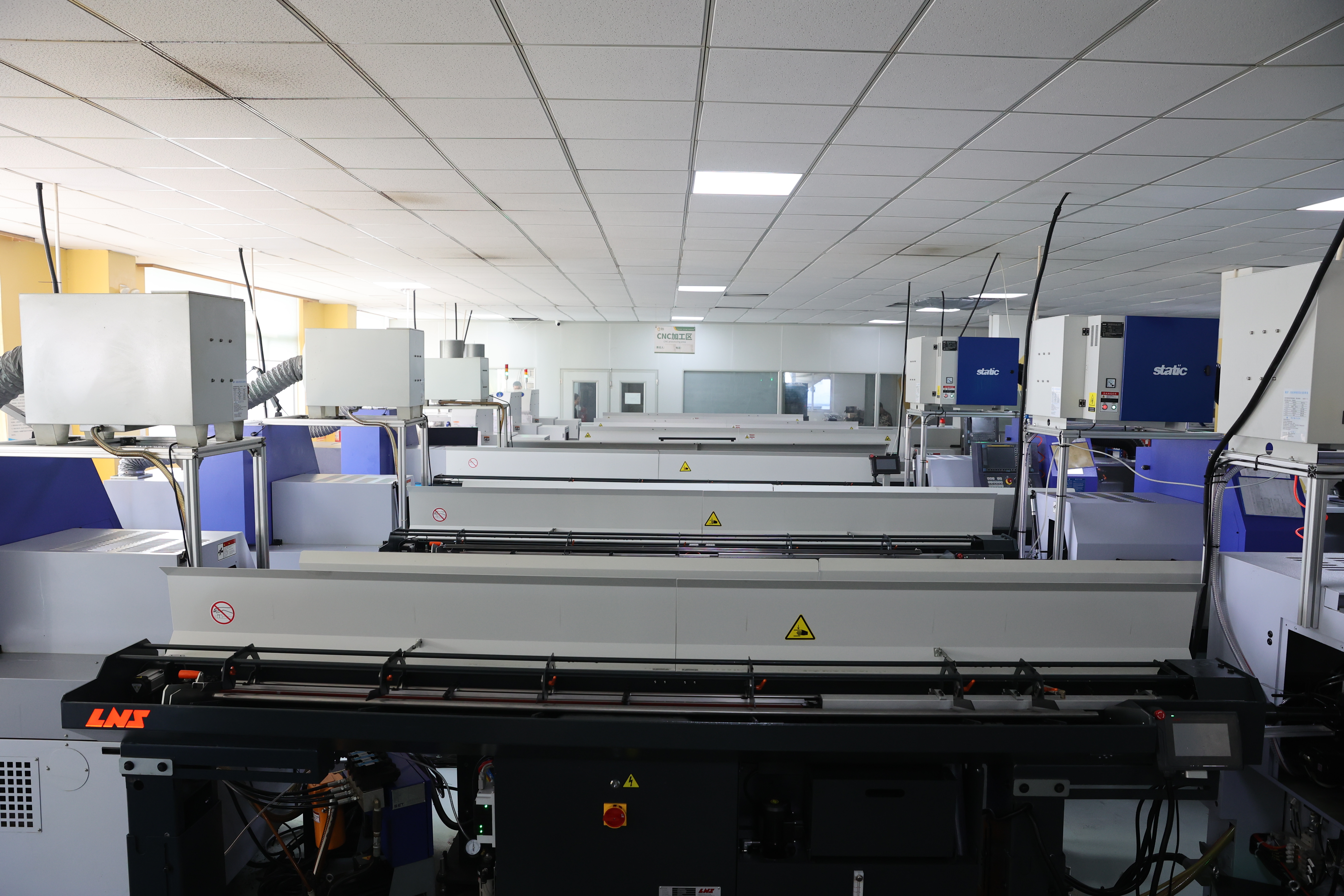
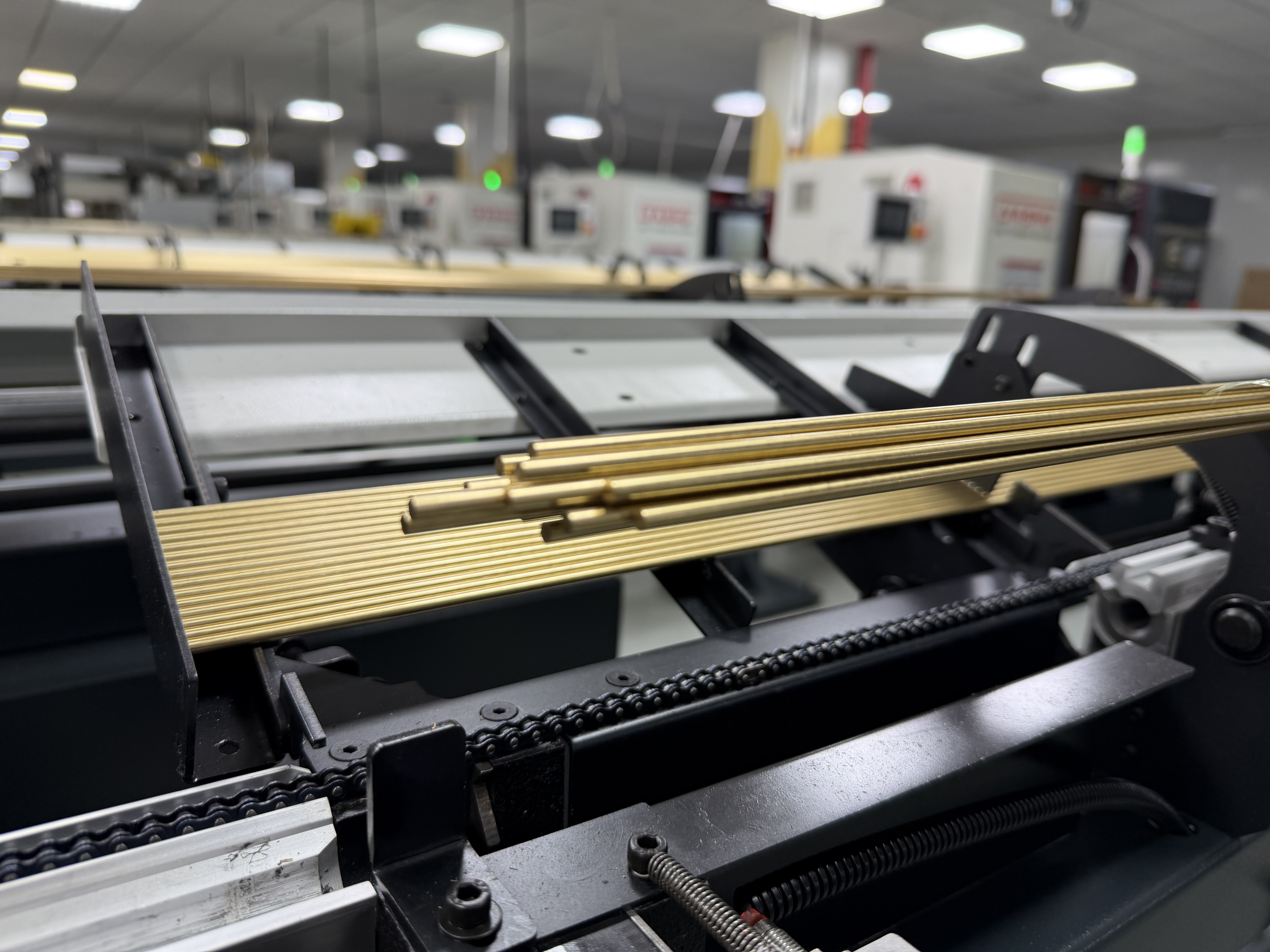
The foundation of superior custom metal parts lies in precision engineering excellence that transforms raw materials into high-performance components through meticulous attention to detail and advanced manufacturing technologies. This engineering approach begins with comprehensive analysis of operating requirements, environmental conditions, and performance expectations to develop optimized designs that exceed standard component capabilities. Computer-aided design systems enable engineers to model complex geometries, simulate stress distributions, and optimize material usage while maintaining structural integrity under demanding operating conditions. Advanced CNC machining centers equipped with multi-axis capabilities achieve dimensional tolerances measured in thousandths of inches, ensuring perfect fit and function in critical applications. Quality management systems implement statistical process control methods that monitor every aspect of production, from incoming material inspection through final component verification, maintaining consistency across large production runs. Coordinate measuring machines and optical inspection systems verify dimensional accuracy and surface finish quality, providing documented evidence of compliance with engineering specifications. Material traceability systems track each component from raw material certification through final delivery, ensuring complete accountability and regulatory compliance for aerospace, medical, and other highly regulated industries. Precision engineering excellence extends beyond dimensional accuracy to include optimized material properties, surface treatments, and assembly characteristics that enhance overall system performance. This comprehensive approach results in custom metal parts that deliver superior reliability, extended service life, and reduced maintenance requirements compared to standard alternatives. The investment in precision engineering pays dividends through improved equipment uptime, reduced replacement costs, and enhanced product reputation in competitive markets where performance differentiation drives customer loyalty and market share growth.
Rapid Prototyping and Development

Rapid Prototyping and Development

Rapid prototyping capabilities revolutionize product development timelines by enabling fast iteration cycles that accelerate innovation and reduce time-to-market for new products incorporating custom metal parts. This streamlined approach utilizes advanced manufacturing technologies including 3D printing, rapid tooling, and flexible machining setups to produce functional prototypes within days rather than weeks or months required by traditional methods. Design validation occurs early in the development process when engineers can test actual components under realistic operating conditions, identifying potential improvements before committing to expensive production tooling and full-scale manufacturing. Iterative refinement becomes cost-effective when rapid prototyping allows multiple design variations to be evaluated quickly, enabling optimization of performance characteristics such as strength, weight, and durability. Customer collaboration improves significantly when physical prototypes demonstrate proposed solutions clearly, facilitating informed decision-making and reducing miscommunication that can lead to costly design changes later in the project. Risk reduction results from thorough testing and validation of custom metal parts before production begins, preventing quality issues and performance problems that could damage customer relationships and company reputation. Manufacturing process development benefits from prototype production that reveals potential fabrication challenges and allows optimization of machining parameters, tool selection, and quality control procedures. Supply chain integration becomes smoother when prototypes enable early supplier evaluation and qualification, ensuring reliable component availability for production launch. Market testing opportunities expand when rapid prototyping enables creation of functional demonstration units that showcase new product capabilities to potential customers and stakeholders. Technology transfer from prototype to production maintains design integrity while scaling manufacturing processes to meet volume requirements efficiently. Documentation and intellectual property protection improve when rapid prototyping generates comprehensive test data and performance validation that supports patent applications and regulatory submissions for innovative custom metal parts solutions.
Industry-Specific Customization Solutions

Industry-Specific Customization Solutions

Industry-specific customization solutions address unique challenges and requirements across diverse sectors by leveraging deep application knowledge and specialized manufacturing capabilities to deliver custom metal parts that optimize performance in demanding environments. Aerospace applications require custom metal parts that meet stringent weight reduction targets while maintaining exceptional strength and fatigue resistance under extreme temperature variations and dynamic loading conditions. Automotive industry solutions focus on cost optimization and high-volume production capabilities while ensuring components meet safety standards and contribute to fuel efficiency improvements through weight reduction and aerodynamic enhancements. Medical device customization emphasizes biocompatibility, sterilization compatibility, and precision manufacturing that enables minimally invasive procedures and improved patient outcomes through innovative component designs. Electronics industry applications demand custom metal parts with precise dimensional control, excellent thermal conductivity, and electromagnetic shielding properties that support miniaturization trends and high-frequency operation requirements. Construction equipment customization addresses durability and wear resistance challenges through material selection and heat treatment processes that extend component life in harsh operating environments with heavy loading and abrasive conditions. Marine applications require custom metal parts with superior corrosion resistance and structural integrity that withstand saltwater exposure and dynamic loading from wave action and weather conditions. Energy sector solutions encompass both traditional and renewable energy applications where custom metal parts must operate reliably under extreme pressures, temperatures, and corrosive environments while maintaining safety margins and regulatory compliance. Defense applications combine multiple challenging requirements including ballistic protection, weight optimization, and electromagnetic compatibility while meeting strict security and traceability standards throughout the supply chain. Food processing industry customization emphasizes sanitary design principles, easy cleaning capabilities, and corrosion resistance to food-grade cleaning chemicals while maintaining structural integrity under thermal cycling and mechanical loading. Each industry-specific solution demonstrates how custom metal parts manufacturers leverage application expertise to deliver components that not only meet technical requirements but also provide competitive advantages through improved performance, reduced costs, and enhanced reliability compared to generic alternatives.

Get a Free Quote

Our representative will contact you soon.
Email
Mobile/WhatsApp
Name
Company Name
Message
0/1000