Premium CNC Turned Parts - Precision Manufacturing Solutions for Every Industry

All Categories

Get a Free Quote

Our representative will contact you soon.
Email
Mobile/WhatsApp
Name
Company Name
Message
0/1000

cnc turned parts

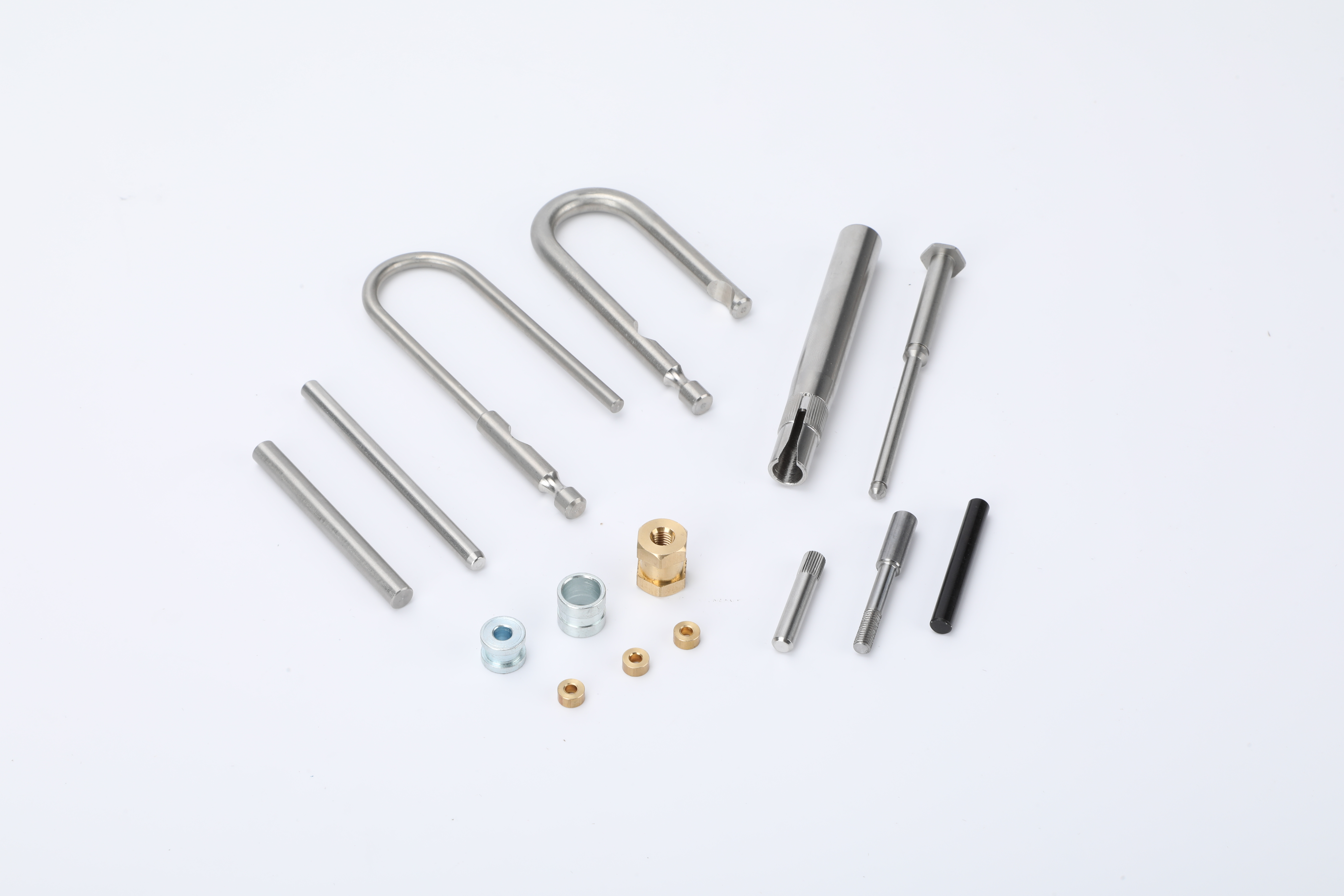
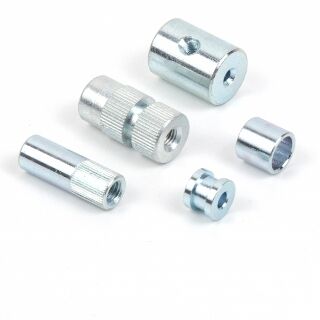
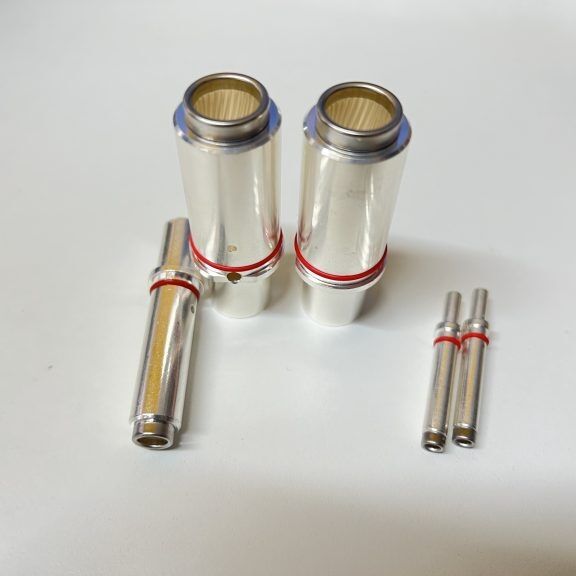
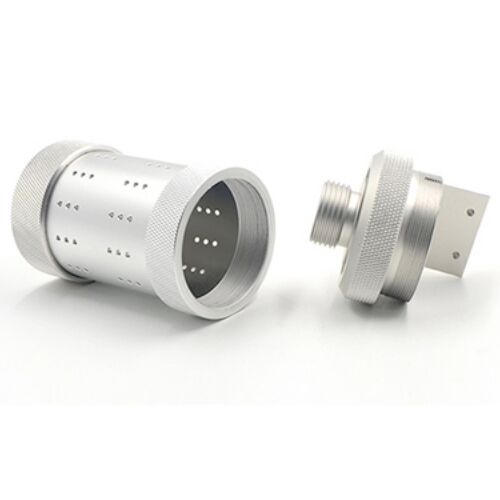
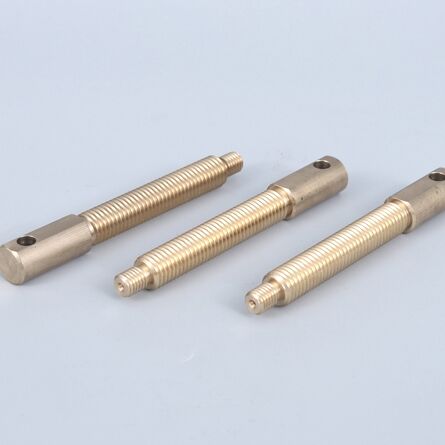
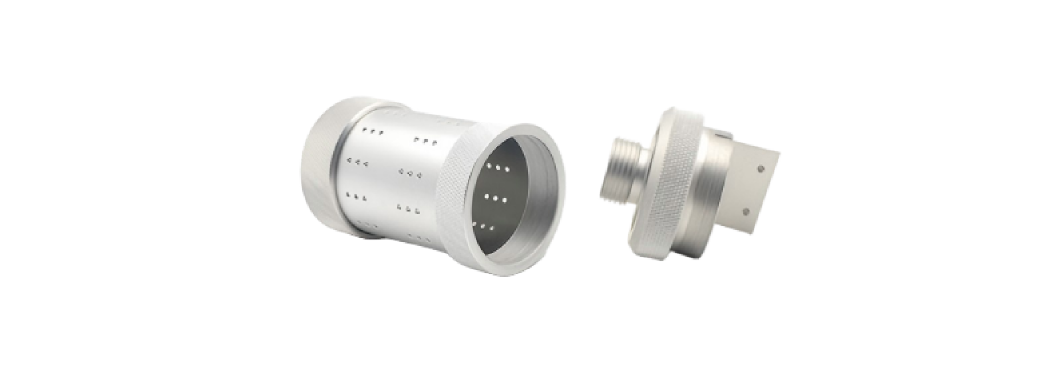
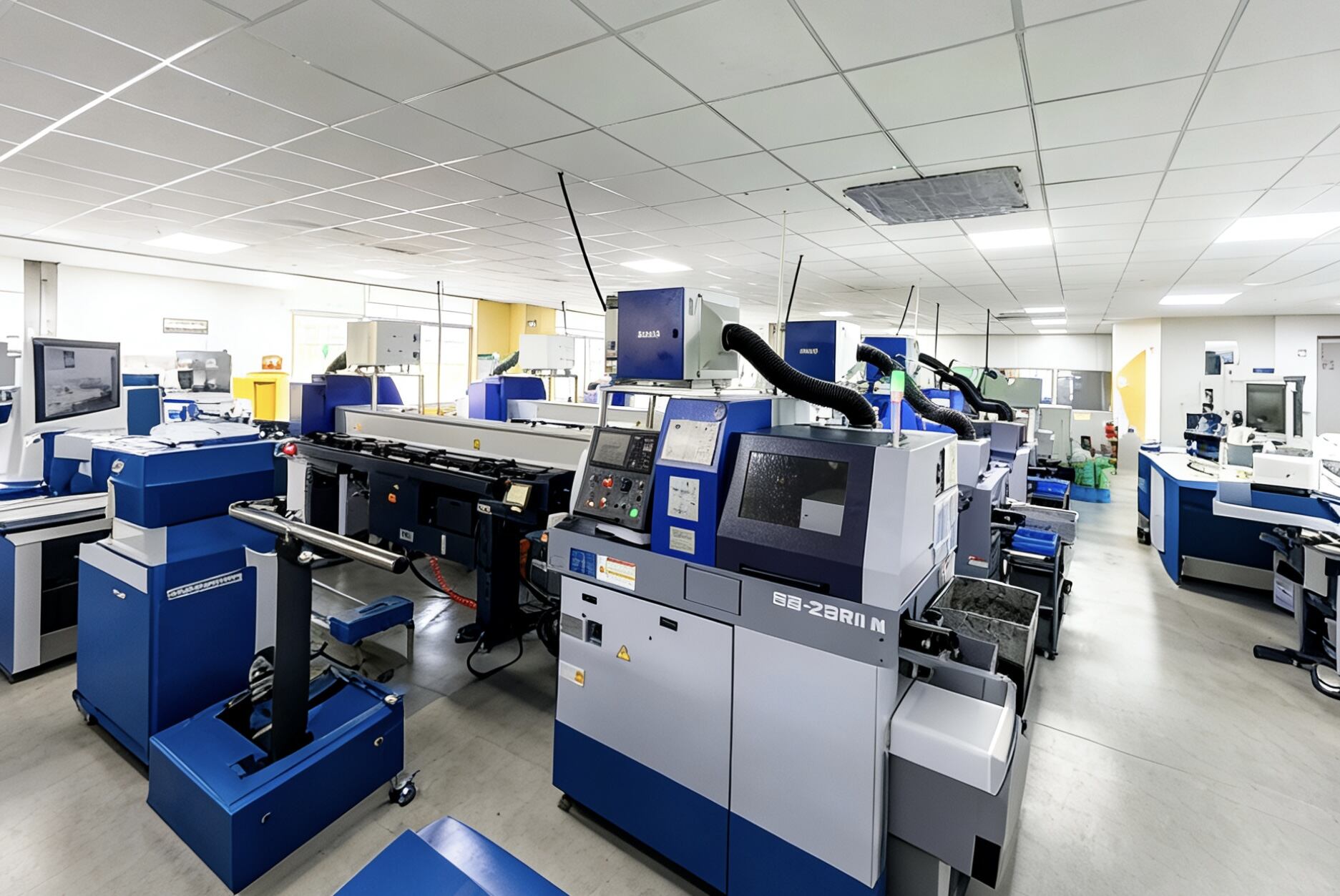
CNC turned parts represent a cornerstone of modern precision manufacturing, utilizing computer numerical control technology to create highly accurate cylindrical components through the turning process. These sophisticated manufacturing solutions involve rotating a workpiece on a spindle while cutting tools shape the material to exact specifications, resulting in components with exceptional dimensional accuracy and superior surface finishes. The turning process removes material from the rotating workpiece using single-point cutting tools, creating external and internal features such as threads, grooves, tapers, and complex contours. CNC turned parts serve as critical components across numerous industries, from automotive and aerospace to medical devices and electronics. The technological foundation of cnc turned parts relies on advanced computer programming that controls every aspect of the machining process, including spindle speed, feed rates, cutting depths, and tool positioning. This computerized control ensures consistent quality and repeatability across production runs, making cnc turned parts ideal for both prototype development and high-volume manufacturing. The versatility of turning operations allows for the creation of components ranging from simple shafts and pins to complex multi-featured parts with intricate geometries. Modern CNC lathes can accommodate various materials including metals, plastics, ceramics, and composites, expanding the application possibilities for cnc turned parts. The integration of live tooling capabilities in advanced turning centers enables the production of parts with milled features, drilled holes, and cross-holes without requiring secondary operations. Quality control systems built into CNC turning equipment provide real-time monitoring and measurement capabilities, ensuring that each cnc turned parts meets stringent tolerance requirements. The automated nature of CNC turning reduces human error while maintaining consistent production speeds, making it an economically viable solution for manufacturing precision components. These technological advantages position cnc turned parts as essential elements in supply chains where reliability, precision, and cost-effectiveness are paramount considerations for manufacturing success.
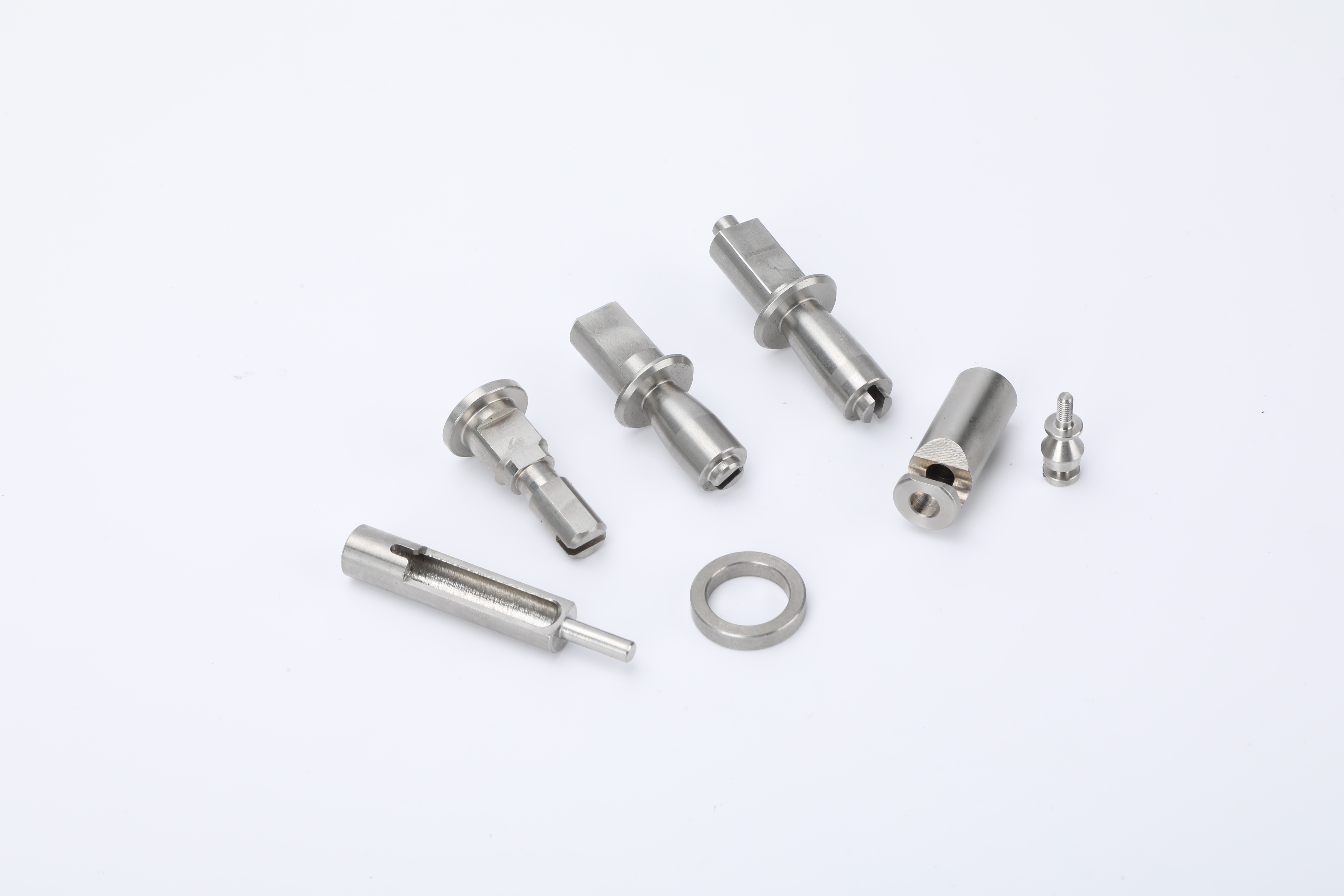
New Product Releases

CNC turned parts deliver exceptional precision that traditional machining methods simply cannot match, offering tolerances as tight as ±0.0001 inches for critical applications. This remarkable accuracy stems from computer-controlled operations that eliminate human variability and ensure consistent results across thousands of parts. Manufacturers benefit from reduced waste and rework costs because cnc turned parts meet specifications the first time, eliminating the expensive cycle of corrections and adjustments common with manual machining processes. The speed advantage of CNC turning operations significantly reduces production timelines, enabling faster time-to-market for new products and quicker response to customer demands. Automated tool changes and continuous operation capabilities allow CNC machines to run unattended for extended periods, maximizing productivity while minimizing labor costs. Material versatility stands as another compelling advantage, as cnc turned parts can be manufactured from virtually any machinable material, including exotic alloys and specialized engineering plastics that require precise handling. Cost efficiency emerges through reduced setup times for repeat orders, as programs can be stored and recalled instantly, eliminating the need for extensive manual setup procedures. The consistency achieved with cnc turned parts ensures uniform quality across production batches, critical for applications where component interchangeability is essential. Complex geometries that would be impossible or prohibitively expensive to create manually become routine with CNC turning, expanding design possibilities and enabling innovative product solutions. Quality documentation and traceability improve dramatically with cnc turned parts, as machines automatically record process parameters and dimensional measurements for compliance with industry standards. Scalability offers tremendous business advantages, as production can be easily adjusted from prototype quantities to full production volumes without significant process changes. The enhanced surface finishes achievable with cnc turned parts often eliminate secondary finishing operations, reducing total manufacturing costs and delivery times. Reduced lead times become possible because cnc turned parts can often be produced directly from digital designs, bypassing time-consuming pattern or tooling development phases. Environmental benefits include reduced material waste through optimized cutting strategies and improved energy efficiency compared to conventional machining methods, supporting sustainability initiatives while maintaining profitability.

Latest News

How To Determine The Chemical Stability Of Materials

10

Mar

How To Determine The Chemical Stability Of Materials

View More
How To Choose Appropriate Automotive Parts According To Testing Standards

10

Mar

How To Choose Appropriate Automotive Parts According To Testing Standards

View More
Testing Standards For Corrosion Resistance Of Automotive Parts

10

Mar

Testing Standards For Corrosion Resistance Of Automotive Parts

View More

Get a Free Quote

Our representative will contact you soon.
Email
Mobile/WhatsApp
Name
Company Name
Message
0/1000

cnc turned parts

Superior Precision and Consistency

Superior Precision and Consistency

The precision capabilities of cnc turned parts represent a quantum leap forward in manufacturing accuracy, delivering dimensional tolerances that consistently exceed what traditional machining methods can achieve. Modern CNC turning centers utilize advanced servo motors, linear encoders, and feedback systems that monitor and correct positioning in real-time, ensuring that every cnc turned parts meets exact specifications throughout the entire production run. This level of precision becomes particularly crucial in industries such as aerospace, medical devices, and precision instruments, where even microscopic variations can compromise performance or safety. The computerized control system eliminates the variability inherent in manual operations, where operator fatigue, skill differences, and environmental factors can introduce inconsistencies that affect part quality. CNC turned parts benefit from closed-loop control systems that continuously monitor cutting forces, spindle position, and dimensional accuracy, making automatic adjustments to maintain optimal cutting conditions throughout the machining process. The repeatability of cnc turned parts extends beyond dimensional accuracy to include surface finish consistency, which is essential for applications involving sealing surfaces, bearing interfaces, or aesthetic requirements. Advanced tool wear compensation algorithms ensure that cnc turned parts maintain consistent dimensions even as cutting tools experience normal wear, automatically adjusting offsets to compensate for predictable tool degradation. Temperature compensation systems account for thermal expansion of both the workpiece and machine structure, maintaining accuracy even during extended production runs or varying environmental conditions. Quality assurance integration allows for in-process measurement and verification, ensuring that cnc turned parts meet specifications before completion and enabling immediate corrective action if deviations occur. Statistical process control data collected during the production of cnc turned parts provides valuable insights for continuous improvement and helps predict maintenance requirements before they affect quality. The precision achieved with cnc turned parts often eliminates the need for secondary finishing operations such as grinding or lapping, reducing total production costs while maintaining superior quality standards.
Exceptional Material Versatility and Efficiency

Exceptional Material Versatility and Efficiency

The material versatility of cnc turned parts opens unlimited possibilities for product designers and engineers, accommodating everything from common aluminum and steel to exotic superalloys and specialized engineering plastics. This adaptability stems from the programmable nature of CNC turning, which allows cutting parameters to be precisely optimized for each specific material type, density, and hardness level. CNC turned parts can be manufactured from challenging materials such as titanium, Inconel, and hardened steels that would be difficult or impossible to machine using conventional methods, expanding application possibilities in demanding industries like aerospace and oil exploration. The efficiency gains achieved through optimized cutting strategies for cnc turned parts result in faster cycle times and improved tool life, reducing per-part costs while maintaining superior quality standards. Adaptive control systems monitor cutting forces and automatically adjust feed rates and spindle speeds to maintain optimal cutting conditions, preventing tool breakage and ensuring consistent results across different material batches. Multi-axis capability in modern CNC turning centers enables the production of cnc turned parts with complex geometries that would require multiple setups on conventional machines, reducing handling time and improving accuracy through reduced part repositioning. Advanced coolant systems and chip management solutions optimize the machining environment for cnc turned parts, enabling higher cutting speeds and feeds while maintaining dimensional stability and surface finish quality. Tool management systems automatically select the optimal cutting tools for each operation, ensuring that cnc turned parts benefit from the most appropriate tooling throughout the manufacturing process. Material utilization efficiency improves significantly with cnc turned parts because precise programming minimizes waste and optimizes cutting patterns to maximize yield from raw material stock. The ability to machine cnc turned parts from bar stock, forgings, or castings provides flexibility in material sourcing and can optimize costs based on volume requirements and material availability. Specialized cutting tools and coatings developed specifically for CNC turning applications enable the efficient machining of cnc turned parts from materials that were previously considered difficult to machine, expanding the range of applications and industries that can benefit from this technology.
Streamlined Production and Cost Optimization

Streamlined Production and Cost Optimization

The production efficiency of cnc turned parts revolutionizes manufacturing economics by dramatically reducing setup times, eliminating manual intervention, and enabling lights-out manufacturing capabilities that maximize equipment utilization. CNC turning operations can run continuously for hours or even days without operator intervention, producing cnc turned parts with consistent quality while reducing labor costs and increasing throughput. Quick-change tooling systems and automated tool changers minimize non-productive time during the manufacturing of cnc turned parts, enabling rapid transitions between different operations and part configurations without lengthy manual setup procedures. The programmable nature of CNC turning allows for immediate production of cnc turned parts from digital designs, eliminating the time and cost associated with creating physical patterns, jigs, or fixtures required by traditional manufacturing methods. Batch size flexibility becomes a significant advantage with cnc turned parts, as the same program can efficiently produce single prototypes or thousands of production parts without requiring different tooling or setup procedures. Inventory reduction benefits emerge because cnc turned parts can be manufactured on-demand rather than requiring large inventory stockpiles, reducing carrying costs and obsolescence risks while improving cash flow. Integration with Enterprise Resource Planning systems enables seamless scheduling and tracking of cnc turned parts production, providing real-time visibility into manufacturing progress and delivery commitments. Automated quality inspection systems built into modern CNC turning centers verify dimensional accuracy and surface finish of cnc turned parts during production, eliminating the need for separate inspection operations and reducing quality control costs. The elimination of secondary operations often required for conventionally machined parts provides significant cost savings for cnc turned parts, as features such as threading, grooving, and contouring can be completed in a single setup. Energy efficiency improvements achieved through optimized cutting strategies and modern machine design reduce the environmental impact and operating costs associated with producing cnc turned parts. Predictive maintenance capabilities enabled by modern CNC turning equipment minimize unplanned downtime and extend equipment life, ensuring reliable production of cnc turned parts while controlling maintenance costs. Remote monitoring and control capabilities allow for efficient management of multiple CNC turning operations, maximizing the productivity of cnc turned parts manufacturing while minimizing supervisory labor requirements.

Get a Free Quote

Our representative will contact you soon.
Email
Mobile/WhatsApp
Name
Company Name
Message
0/1000