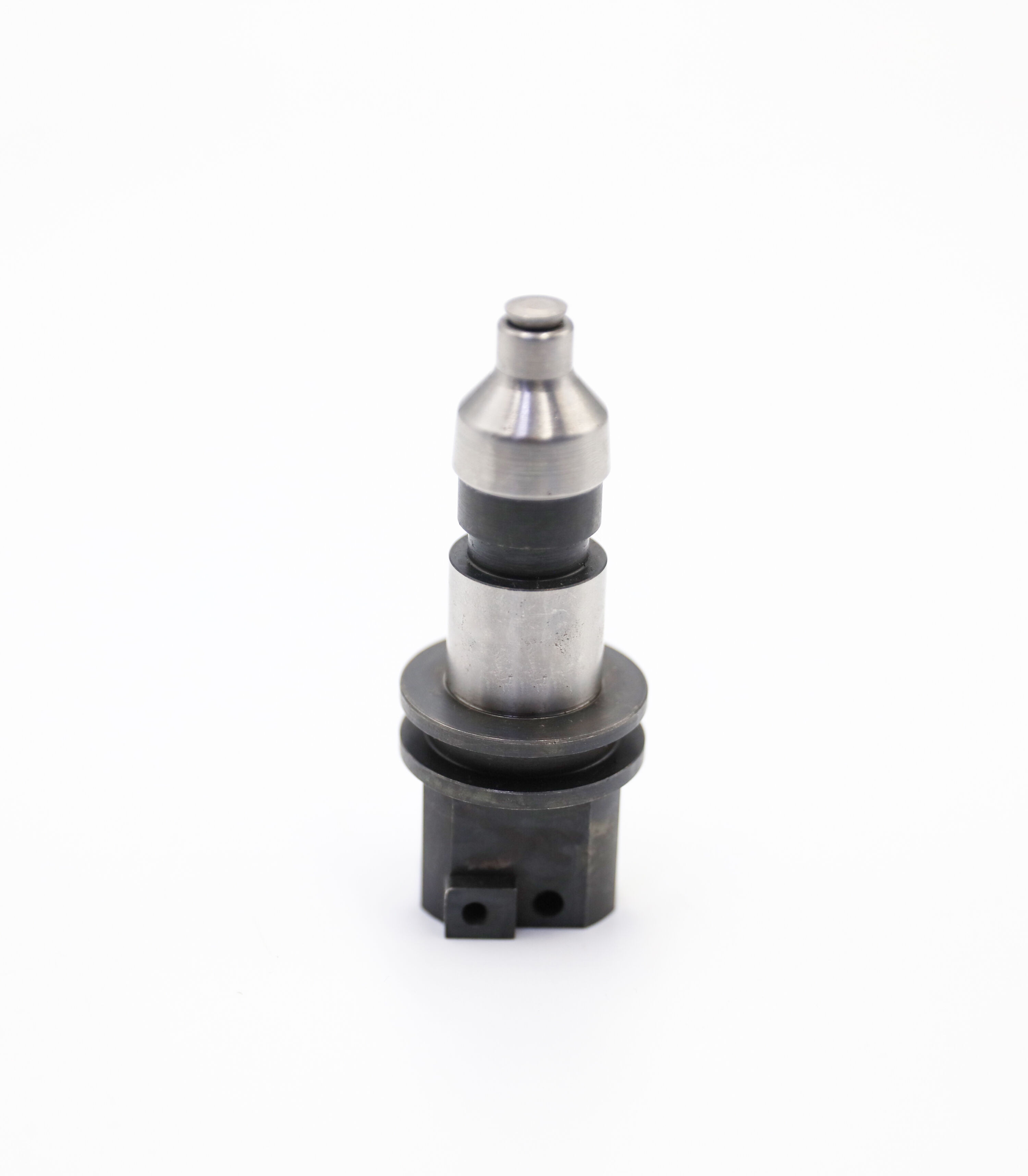
oem machining parts
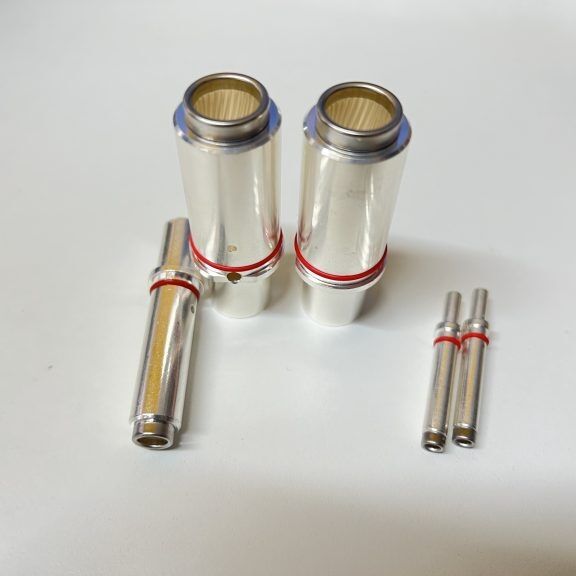
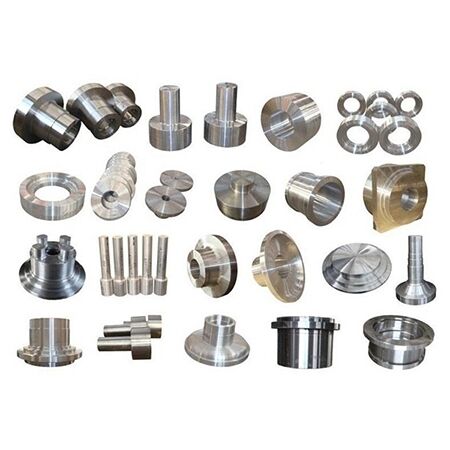
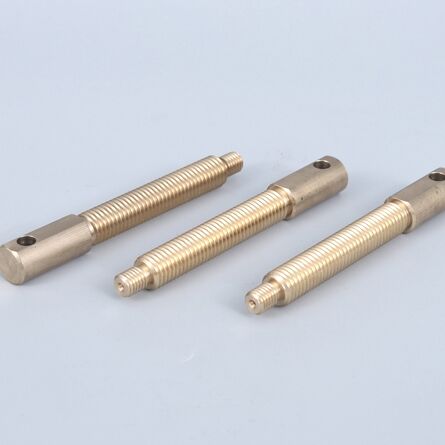
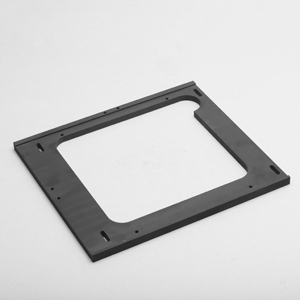
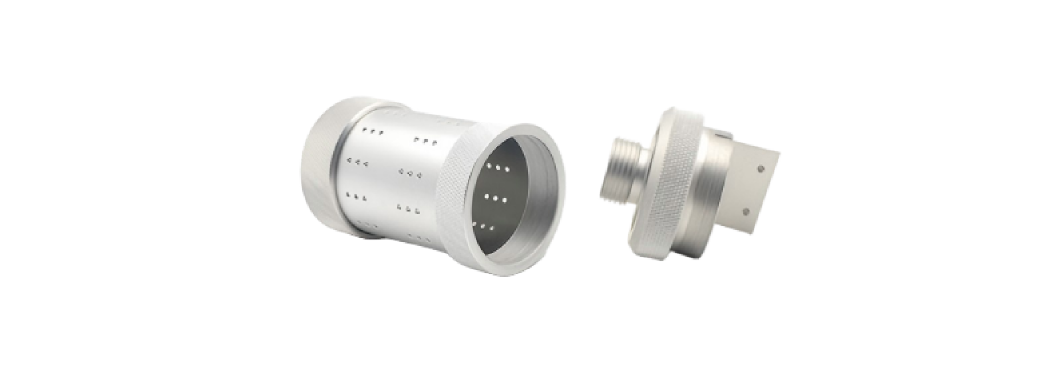
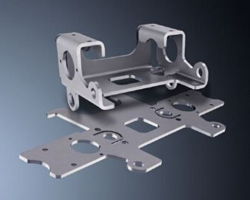
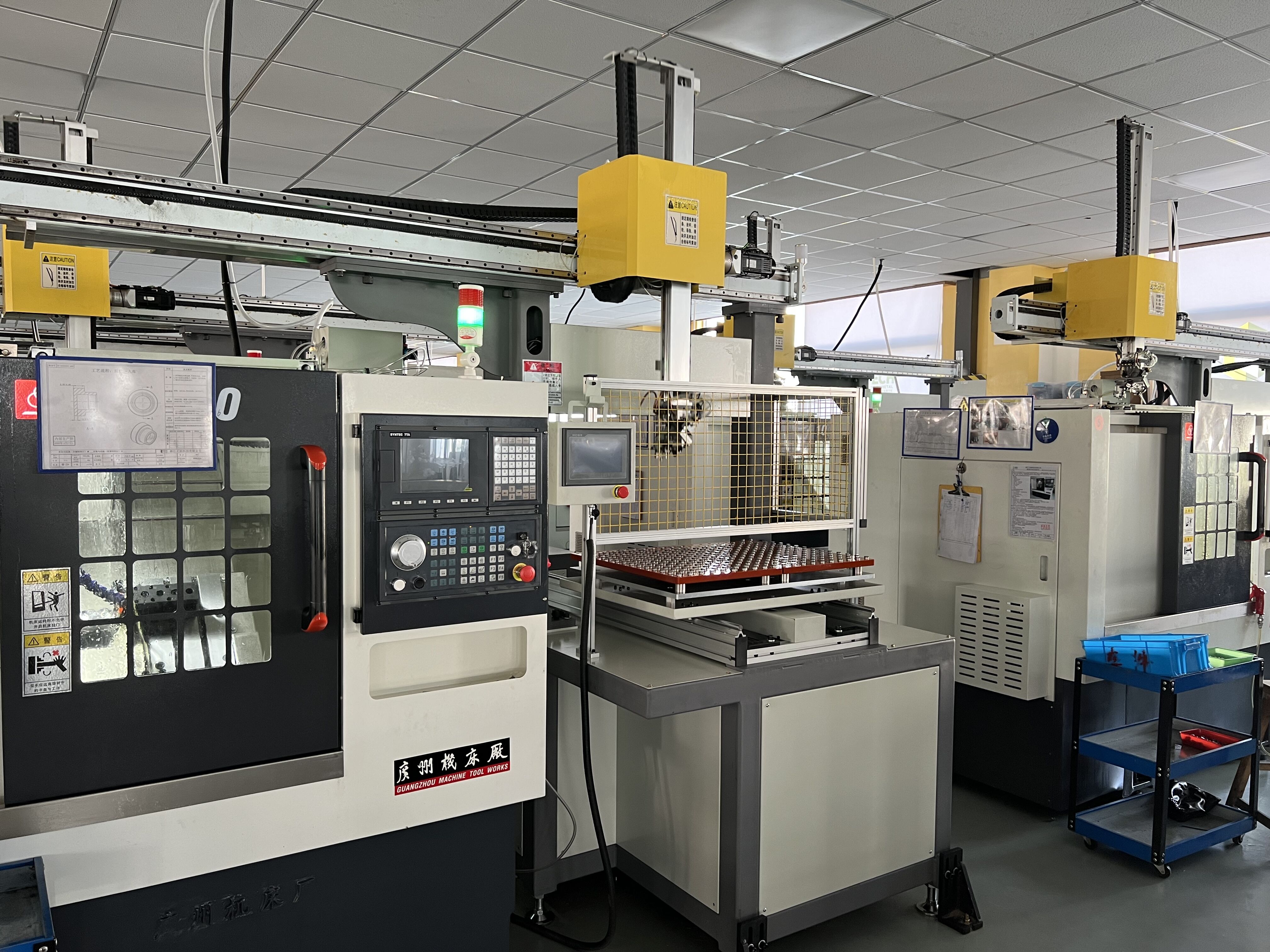
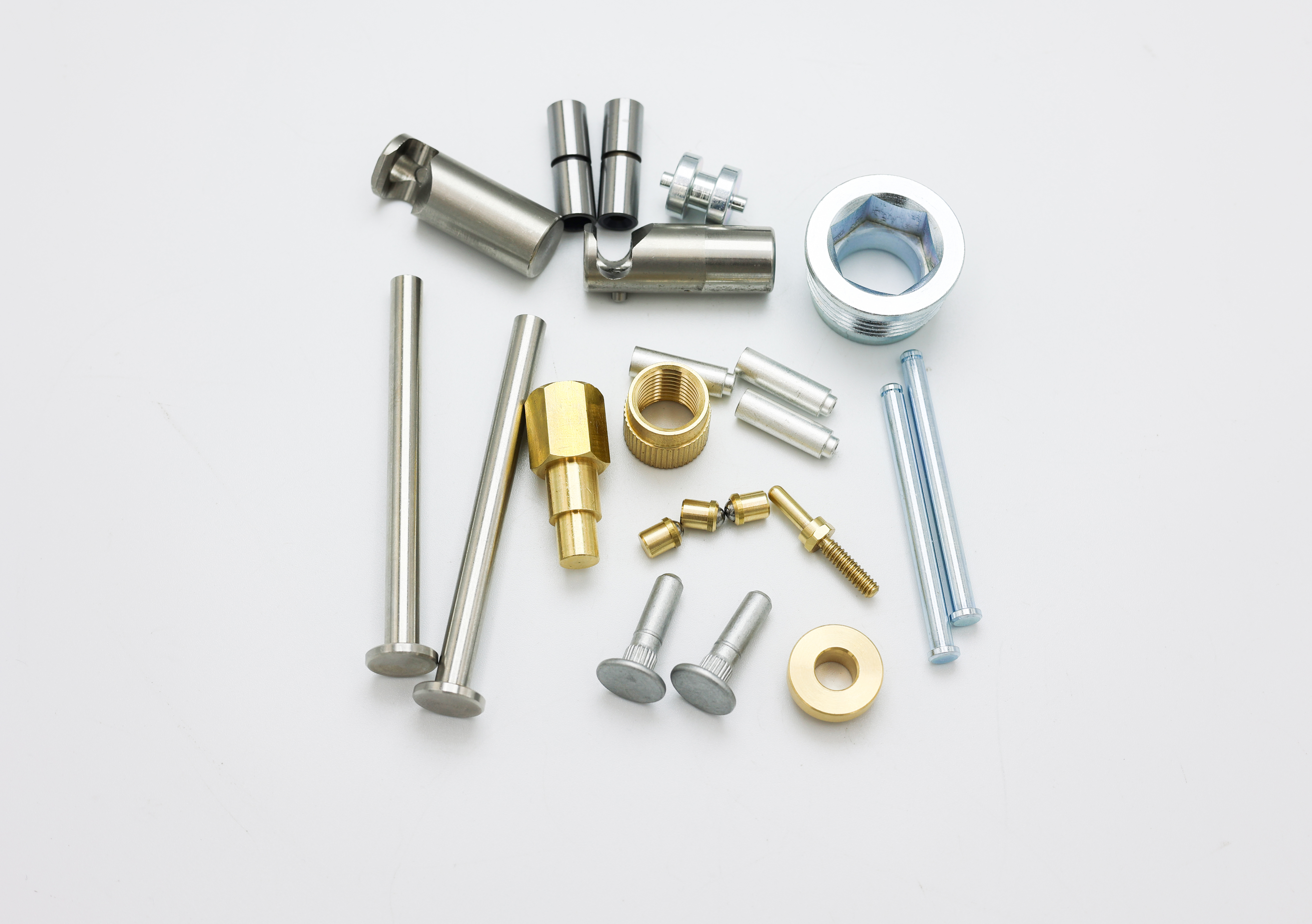
OEM machining parts represent the backbone of modern manufacturing, serving as precision-engineered components that meet exact specifications for original equipment manufacturers across diverse industries. These custom-fabricated parts undergo rigorous machining processes using advanced computer numerical control (CNC) technology, ensuring dimensional accuracy and superior surface finish quality. The primary function of OEM machining parts centers on providing manufacturers with components that integrate seamlessly into their existing production systems while maintaining strict quality standards and performance requirements. These parts encompass a wide range of materials including aluminum, steel, stainless steel, brass, and specialized alloys, each selected based on specific application demands and environmental conditions. The technological features of OEM machining parts include multi-axis machining capabilities that enable complex geometries and intricate designs previously impossible with traditional manufacturing methods. Modern machining centers equipped with automated tool changers and real-time monitoring systems ensure consistent quality across production runs while minimizing human error and reducing manufacturing lead times. These parts undergo comprehensive quality control processes including coordinate measuring machine inspections, material certifications, and performance testing to guarantee compliance with industry standards. Applications for OEM machining parts span numerous sectors including automotive, aerospace, medical devices, electronics, industrial equipment, and consumer products. In automotive manufacturing, these parts serve as critical engine components, transmission elements, and chassis parts that require exceptional durability and precision. Aerospace applications demand ultra-high precision machining parts that withstand extreme temperatures and stress conditions while maintaining structural integrity. Medical device manufacturers rely on OEM machining parts for surgical instruments, implants, and diagnostic equipment that must meet stringent biocompatibility and sterility requirements. The versatility of OEM machining parts extends to prototype development, allowing manufacturers to test and refine designs before committing to large-scale production investments.

 EN
EN