
 EN
EN
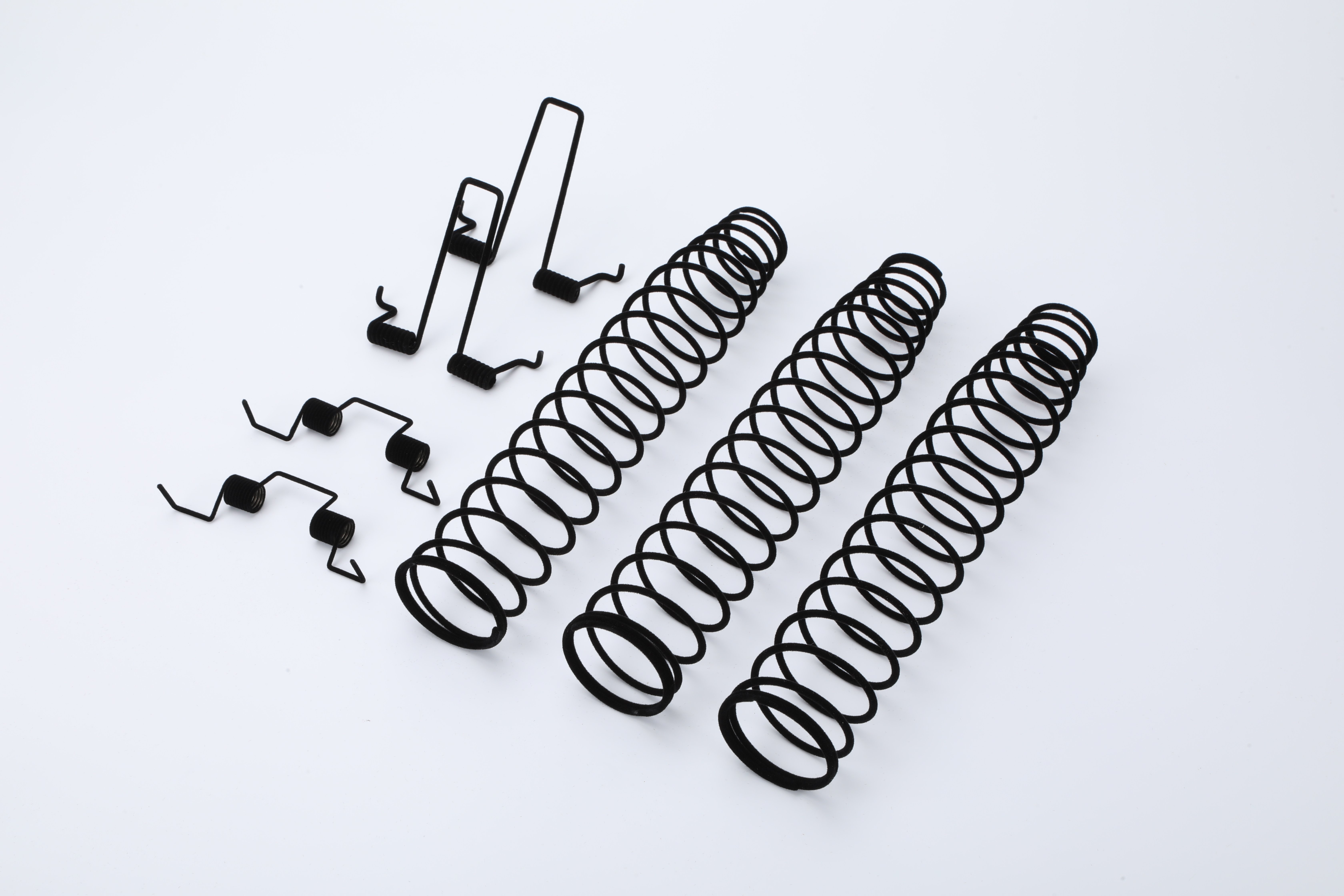
Few components in a vehicle work as quietly or as consistently as coil springs. Positioned at each wheel corner, coil springs absorb road energy, maintain vehicle height, and allow the suspension to respond dynamically to every surface change. Despite their mechanical simplicity, coil springs are responsible for much of what drivers experience as comfort, stability, and control. Understanding why coil springs earn the title of silent heroes requires a closer look at what they do inside modern automotive suspension systems.
Coil springs are helically wound metal components engineered to store and release mechanical energy under load. In automotive suspension systems, coil springs work in close coordination with shock absorbers and control arms to manage wheel movement. When coil springs compress under load and rebound afterward, they regulate the rate at which suspension travel occurs. This precise energy management is what separates a well-tuned suspension from a harsh, unpredictable ride. The engineering behind coil springs may appear straightforward, but their contribution to vehicle dynamics is profound.
The Core Function of Coil Springs in Suspension
Load Bearing and Ride Height Control
One of the most fundamental roles that coil springs perform is supporting the weight of the vehicle body above the axles. Coil springs carry static load continuously, meaning they are always under some degree of compression even when the car is stationary. This constant load-bearing function allows coil springs to maintain correct ride height, which directly influences steering geometry, brake balance, and aerodynamic behavior. When coil springs degrade or lose tension, ride height drops unevenly, which can cause handling imbalance and accelerated tire wear. Selecting coil springs with the correct spring rate for the vehicle's weight class is therefore a critical engineering decision.
Dynamic Energy Absorption on the Road
Beyond static load support, coil springs absorb dynamic forces generated by road irregularities. Every pothole, speed bump, and uneven surface generates an upward impulse that travels through the tire and into the suspension. Coil springs intercept this energy, compress to absorb the impact, and then return energy in a controlled manner. Without coil springs managing these forces, the shock absorbers alone would be overwhelmed and the chassis would receive direct impact loads. This dynamic role makes coil springs an active participant in ride quality, not simply a passive structural element.
Why Coil Springs Outperform Alternatives in Most Applications
Design Simplicity and Packaging Advantages
Coil springs offer significant packaging advantages over leaf springs and torsion bars in modern vehicle designs. Because coil springs are compact and cylindrical, they integrate naturally with MacPherson strut systems and double-wishbone suspension configurations. Coil springs allow suspension engineers to tune spring rate, travel length, and installation angle independently, giving far greater design flexibility. This versatility is one key reason that coil springs have become the dominant suspension spring type in passenger vehicles worldwide. Their space-efficient form factor also supports lower vehicle floor heights, benefiting both interior packaging and center-of-gravity positioning.
Tuneability and Performance Range
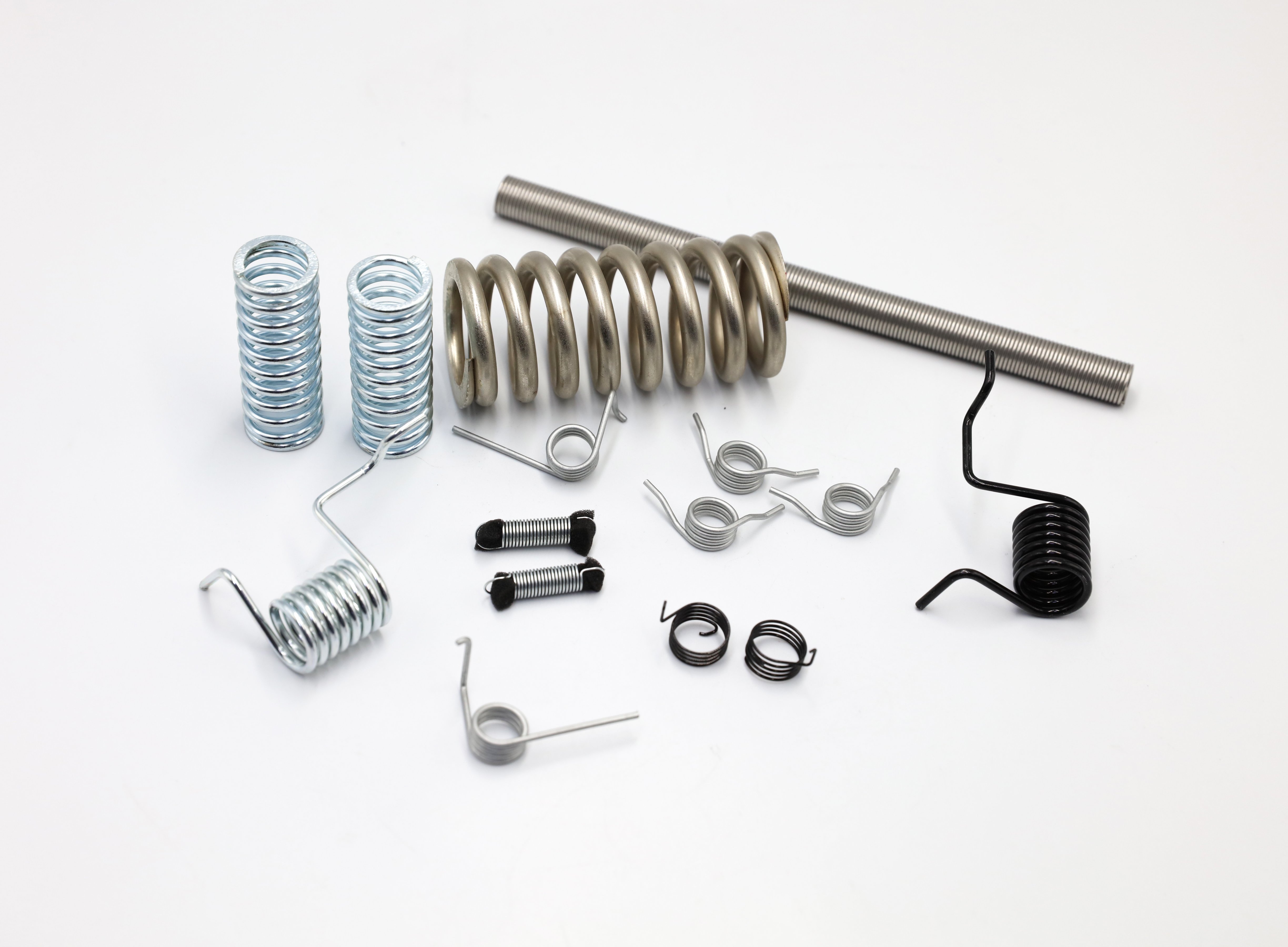
Coil springs can be engineered across a wide spring rate range to serve vehicles as diverse as compact city cars, performance sedans, and heavy SUVs. Progressive-rate coil springs, which stiffen as compression increases, are especially valued in performance and off-road applications. These coil springs provide a compliant initial response under light loads while resisting bottoming out under sudden heavy impacts. Linear-rate coil springs, on the other hand, deliver consistent and predictable behavior preferred in sports cars and precision-handling applications. This tuneability means that coil springs can be matched precisely to a vehicle's intended use case without compromise.
The Long-Term Value of Quality Coil Springs
Durability and Fatigue Resistance
Coil springs are expected to endure millions of compression and rebound cycles over a vehicle's lifetime. High-quality coil springs are manufactured from alloy steel wire that has been heat-treated, shot-peened, and coated to resist corrosion and fatigue. The shot-peening process introduces compressive surface stresses into coil springs that counteract the tensile stresses generated during operation, significantly extending fatigue life. Coil springs that meet automotive-grade specifications can remain within their original performance tolerances for well over 150,000 kilometers under normal driving conditions. This longevity makes coil springs one of the most cost-effective components in the entire suspension system.
Impact on Related Suspension Components
The condition of coil springs has a direct cascading effect on the performance of every connected suspension component. When coil springs weaken or break, shock absorbers are forced to manage more energy than their design intention, leading to accelerated damper wear. Worn coil springs also change the alignment geometry of the suspension, increasing stress on ball joints, bushings, and control arms. Maintaining coil springs in proper condition therefore protects the broader suspension system from premature degradation. Fleet operators and maintenance engineers who monitor coil springs proactively consistently report lower total suspension repair costs over time.
FAQ
What is the typical service life of coil springs in a passenger vehicle?
Quality coil springs in passenger vehicles typically maintain their rated performance for 150,000 to 200,000 kilometers under normal road conditions. However, coil springs used in harsh environments, heavy-load applications, or performance driving may require earlier inspection. Regular suspension checks help identify coil springs that have lost height or show visible fatigue cracks before they affect handling safety.
How do I know if coil springs need to be replaced?
Common signs that coil springs require replacement include a noticeable drop in ride height on one corner of the vehicle, increased body roll during cornering, and a harsher ride over minor road imperfections. In some cases, worn coil springs produce a clunking or creaking sound when the suspension cycles. A visual inspection by a qualified technician can confirm whether coil springs have sagged, cracked, or lost their original spring rate specification.
Can coil springs be upgraded for better performance?
Yes, coil springs are one of the most accessible suspension components to upgrade for improved handling or load capacity. Aftermarket coil springs are available in sportier rates for reduced body roll, or in heavier-duty rates for towing and payload applications. When upgrading coil springs, it is important to match the new spring rate with compatible shock absorbers to ensure the suspension system functions in balance. Mismatched coil springs and dampers can result in either an overly harsh ride or insufficient damping control.