
 EN
EN
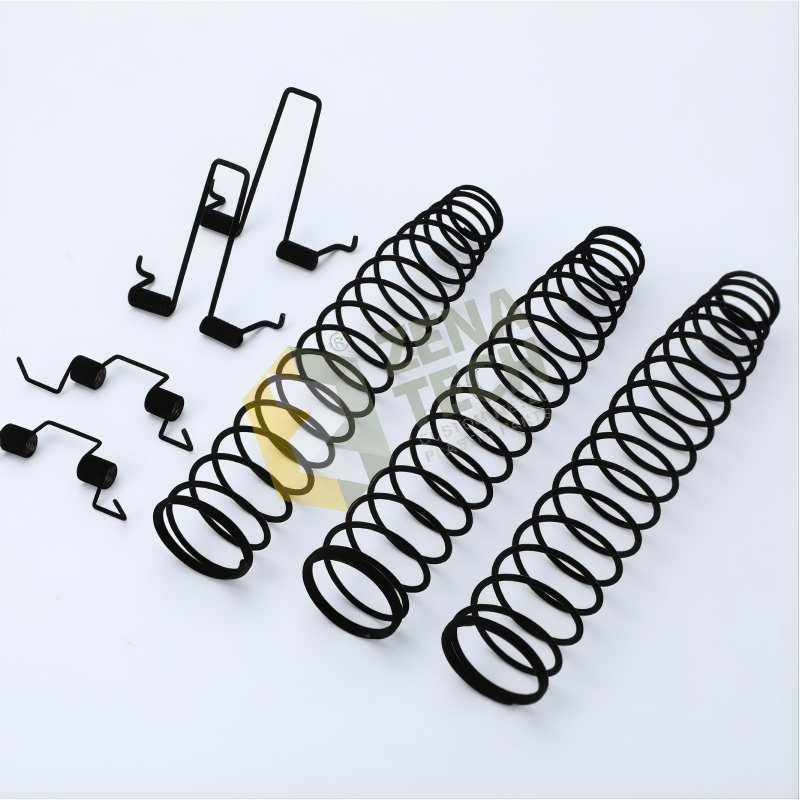
A torsion spring is one of the most mechanically refined components in modern engineering, designed to store and release rotational energy with exceptional accuracy. Unlike linear springs that compress or extend along an axis, a torsion spring operates by twisting along its central axis, generating a precise torque force in response to angular deflection. This fundamental difference makes the torsion spring uniquely suited for applications where controlled rotational resistance is essential to system performance.
Understanding the precision engineering behind a high-performance torsion spring requires examining how geometry, material science, and manufacturing tolerances intersect. Every dimension of a torsion spring, from its wire diameter and coil count to its leg angle and body length, directly influences its torque output and fatigue life. Engineers working with torsion spring components must balance mechanical demands with manufacturability, ensuring each torsion spring delivers consistent, repeatable performance across thousands or even millions of cycles.
Core Design Principles of a Torsion Spring
Geometry and Angular Deflection
The geometry of a torsion spring is the foundation of its mechanical behavior. The relationship between the wire diameter, mean coil diameter, and number of active coils determines the spring rate, which is the amount of torque produced per degree of angular deflection. A torsion spring with a higher spring rate requires more force to deflect, making it suitable for applications demanding high resistance within a limited angular range. Precision in these geometric parameters is not optional; even minor deviations can significantly alter the torque characteristics of a torsion spring.
Angular deflection management is another critical consideration in torsion spring design. As a torsion spring deflects, its coil diameter changes due to the winding or unwinding of the body. Engineers must account for this dimensional shift when designing the housing or bore that the torsion spring operates within. Failure to accommodate these changes leads to premature binding, increased stress concentrations, and ultimately, torsion spring failure.
Leg Configuration and Torque Transmission
The legs of a torsion spring are the mechanical interface through which torque is applied and transmitted to adjacent components. Leg geometry, including length, bend angle, and termination style, must be precisely engineered to ensure clean load transfer without introducing unwanted bending moments. A poorly designed leg on a torsion spring can become the weakest point in the entire mechanism, absorbing stress that should be distributed across the coil body. Custom leg configurations allow engineers to tailor each torsion spring for specific mounting arrangements and load paths.
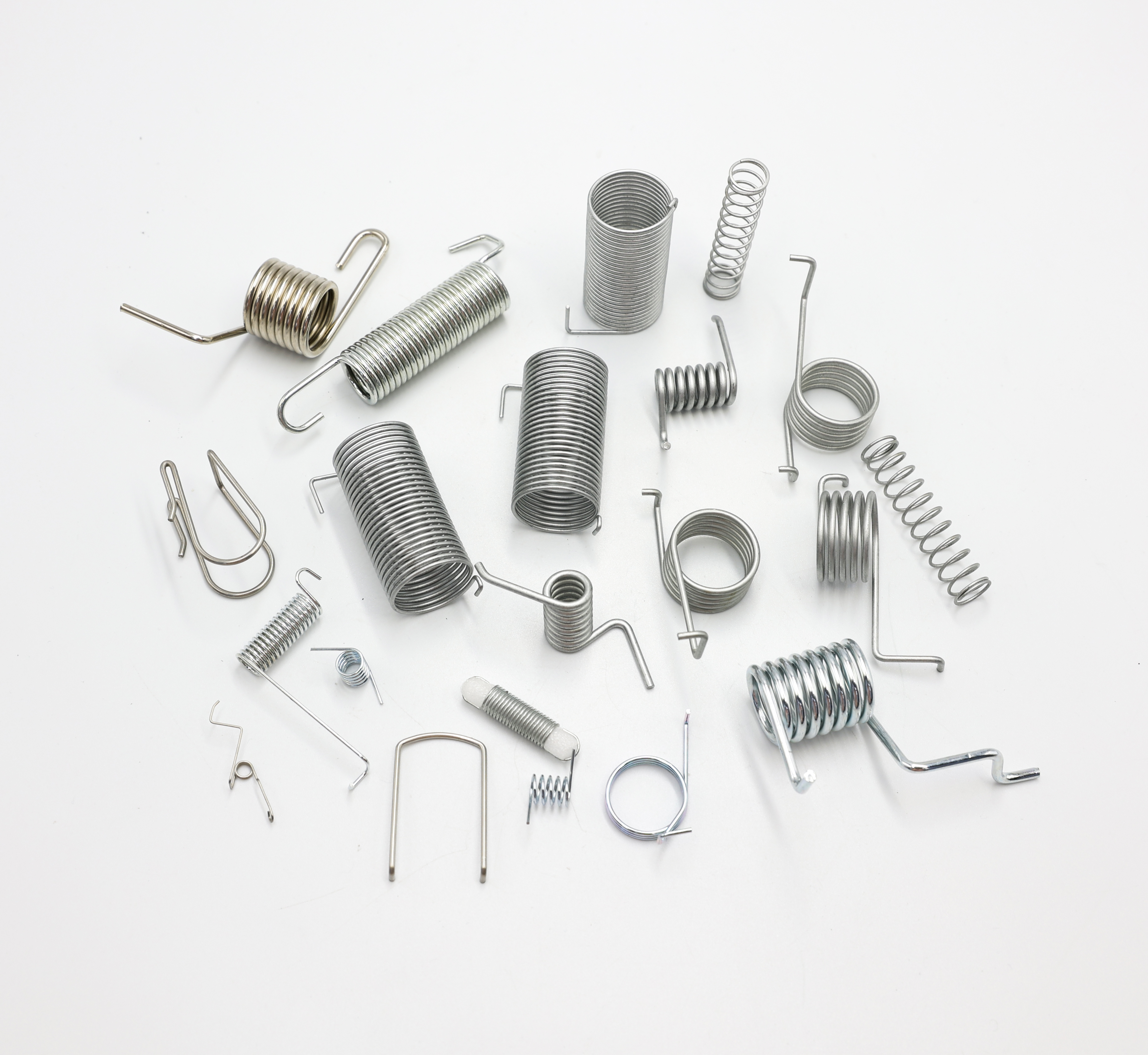
Material Selection and Surface Treatment
Alloy Selection for Performance and Longevity
Material selection is arguably the most consequential decision in torsion spring engineering. The wire alloy determines not only the spring rate and load-bearing capacity but also the fatigue resistance, corrosion behavior, and thermal stability of the torsion spring. High-carbon steel alloys are commonly used for standard torsion spring applications due to their excellent tensile strength and cost efficiency. For environments involving elevated temperatures or corrosive media, stainless steel or specialized nickel-based alloys provide the durability a torsion spring requires to maintain performance over extended service lives.
The wire drawing process used to produce torsion spring stock material also matters greatly. Tightly controlled wire drawing produces a uniform grain structure, which translates directly into consistent mechanical properties throughout the torsion spring coil body. Variations in wire quality introduce unpredictable stress responses, making reliable torsion spring performance difficult to guarantee across large production volumes.
Surface Treatment and Fatigue Life Enhancement
Surface treatments play a significant role in extending the operational life of a torsion spring. Shot peening is a widely applied process that bombards the torsion spring surface with small spherical media, inducing compressive residual stresses in the outer wire layer. These compressive stresses counteract the tensile stresses generated during torsion spring operation, effectively delaying the initiation of fatigue cracks. For a torsion spring intended for high-cycle applications, shot peening can increase fatigue life by a substantial margin compared to untreated components.
Corrosion protection is equally important for a torsion spring used in outdoor, marine, or chemically aggressive environments. Zinc plating, passivation, and polymer coatings each offer different levels of protection, and the right choice depends on the specific exposure conditions the torsion spring will face. Engineers must select a surface treatment that protects without introducing brittleness or compromising dimensional tolerances critical to torsion spring function.
Manufacturing Precision and Quality Assurance
CNC Coiling and Dimensional Control
Modern torsion spring manufacturing relies heavily on CNC coiling machines that control wire feed, coiling speed, and pitch with very high repeatability. These machines allow manufacturers to produce each torsion spring to tight dimensional tolerances, ensuring consistency across large production batches. The precision of a CNC coiling machine directly determines how closely each torsion spring matches the engineered specification, which is critical for applications where torque consistency affects system safety or performance.
Post-coiling operations such as stress relief heat treatment are also essential in producing a stable torsion spring. After coiling, residual stresses locked into the wire during forming can cause a torsion spring to shift dimensionally if not properly relieved. A controlled heat treatment cycle relaxes these residual stresses without degrading the wire alloy, producing a torsion spring that holds its dimensions and delivers predictable torque output throughout its service life.
Testing and Validation of Torsion Spring Performance
Quality assurance for a precision torsion spring involves both dimensional inspection and mechanical testing. Torque testing equipment measures the actual torque output of a torsion spring at defined angular positions, allowing engineers to verify that each torsion spring meets its design specification. Statistical sampling across production batches ensures that the torsion spring population remains within acceptable performance limits. For safety-critical applications, 100% inspection of each torsion spring may be required to eliminate the risk of an out-of-specification component reaching the field.
Fatigue testing subjects a torsion spring to repeated deflection cycles under controlled conditions, revealing how the torsion spring will behave over its intended service life. This data allows engineers to validate design choices and make informed adjustments before committing to full-scale production of the torsion spring. A rigorous validation process is what separates a high-performance torsion spring from a commodity component.
FAQ
What makes a torsion spring different from other spring types?
A torsion spring stores and releases energy through rotational or angular deflection rather than linear compression or extension. This makes a torsion spring ideal for applications requiring controlled torque, such as hinges, latches, and rotational actuators, where linear springs would not provide the correct force direction or mechanical advantage.
How is the spring rate of a torsion spring calculated?
The spring rate of a torsion spring is calculated based on the wire diameter, mean coil diameter, number of active coils, and the modulus of rigidity of the wire material. This formula gives engineers the torque output per degree of angular deflection, which is the primary performance specification for any torsion spring design.
What factors most affect the fatigue life of a torsion spring?
The fatigue life of a torsion spring is most influenced by stress levels during operation, surface quality of the wire, coiling precision, and any surface treatments applied. Keeping operating stresses below the endurance limit of the torsion spring material and using processes like shot peening to introduce compressive surface stresses are the most effective strategies for maximizing torsion spring longevity.