
 EN
EN
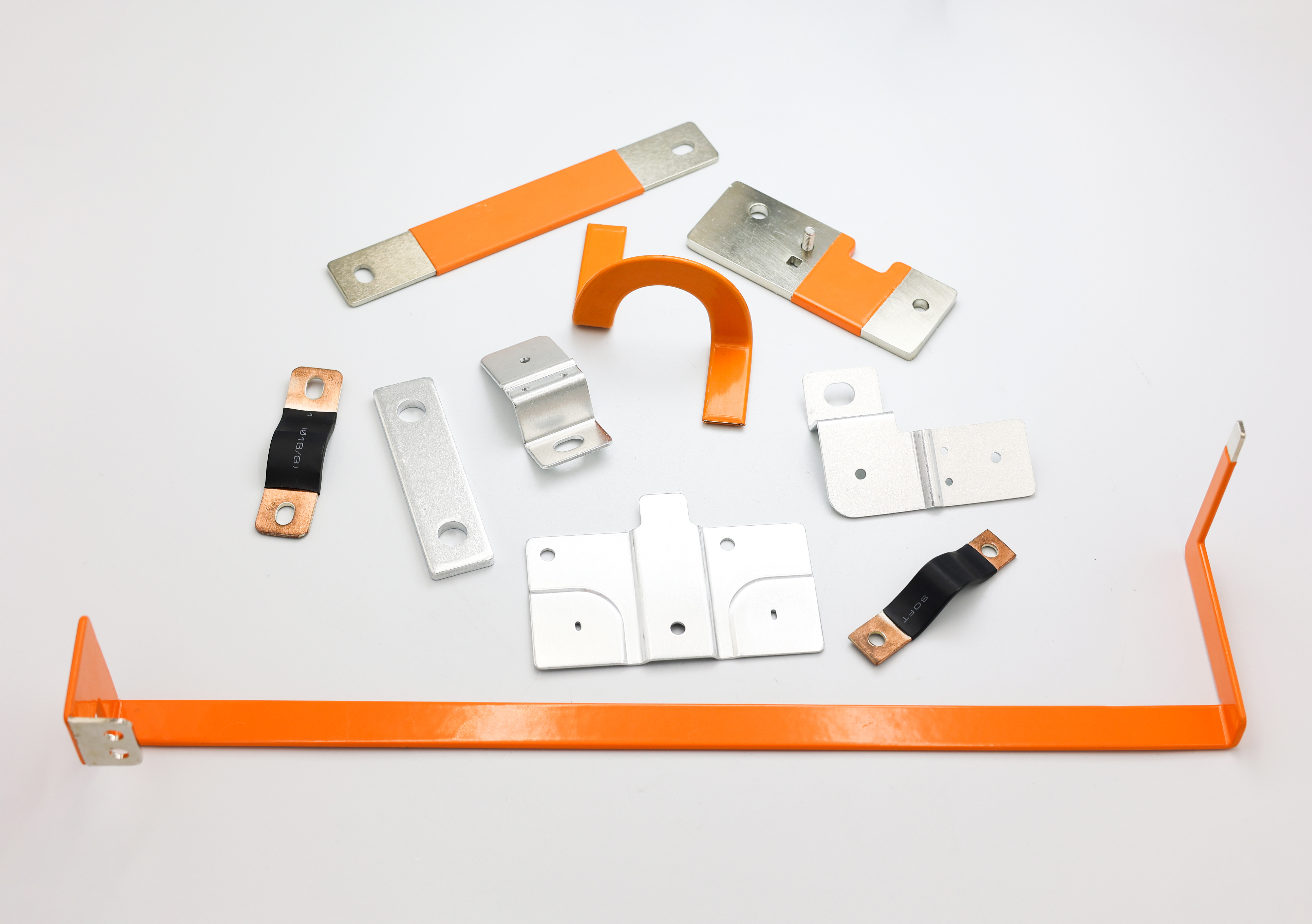
Global supply chains face unprecedented challenges in today's manufacturing landscape, where precision, reliability, and speed determine competitive advantage. The selection of a tier-1 CNC machined parts supplier has become a strategic decision that directly impacts product quality, delivery schedules, and operational efficiency across international markets. Manufacturing leaders recognize that partnering with the right supplier is no longer just about cost savings, but about securing a competitive edge through superior engineering capabilities and supply chain resilience.

The importance of choosing a tier-1 CNC machined parts supplier extends beyond immediate production needs to encompass long-term strategic advantages that affect every aspect of your supply chain operations. These elite suppliers bring advanced technological capabilities, rigorous quality systems, and global scalability that enable manufacturers to meet demanding specifications while maintaining consistent performance across diverse market conditions.
Quality Assurance and Precision Standards Drive Global Competitiveness
Advanced Manufacturing Capabilities Ensure Consistent Quality
A tier-1 CNC machined parts supplier operates with state-of-the-art manufacturing equipment and sophisticated quality control systems that guarantee precision across complex geometries and tight tolerances. These suppliers maintain ISO 9001, AS9100, or IATF 16949 certifications that demonstrate their commitment to quality excellence and process control. Their advanced CNC machining centers feature multi-axis capabilities, in-process monitoring, and automated inspection systems that eliminate human error and ensure repeatability.
The quality assurance protocols implemented by tier-1 suppliers include comprehensive material traceability, first article inspection, statistical process control, and final dimensional verification using coordinate measuring machines. This systematic approach to quality management ensures that every component meets specification requirements while maintaining consistency across production runs. The result is reduced rejection rates, improved product reliability, and enhanced customer satisfaction in global markets.
Quality excellence from a tier-1 CNC machined parts supplier translates directly into competitive advantages for your products in international markets. When components meet or exceed specifications consistently, manufacturers can offer superior product performance, extended warranties, and improved customer confidence. This quality foundation becomes particularly critical when serving regulated industries such as aerospace, medical devices, or automotive sectors where component failure can have severe consequences.
Certification Compliance Enables Global Market Access
Tier-1 CNC machined parts supplier organizations maintain multiple industry certifications that facilitate entry into regulated markets worldwide. These certifications include AS9100 for aerospace applications, ISO 13485 for medical devices, IATF 16949 for automotive components, and various country-specific approvals that enable global distribution. The supplier's certification portfolio directly impacts your ability to access international markets and meet customer qualification requirements.
The certification maintenance process requires continuous improvement, regular audits, and ongoing investment in quality systems that benefit your supply chain operations. Tier-1 suppliers dedicate significant resources to maintaining these certifications, ensuring that their manufacturing processes remain compliant with evolving industry standards and regulatory requirements. This commitment protects your organization from compliance risks and provides confidence in long-term supplier relationships.
Working with a certified tier-1 CNC machined parts supplier simplifies your own quality management processes by leveraging their established systems and documentation. This partnership approach reduces your internal quality overhead while providing access to advanced quality tools and methodologies that may be cost-prohibitive to develop internally. The supplier's certification status also enhances your credibility with customers and regulatory bodies in global markets.
Supply Chain Resilience and Risk Mitigation Strategies
Geographic Diversification Reduces Supply Chain Vulnerabilities
A tier-1 CNC machined parts supplier typically operates multiple manufacturing facilities across different geographic regions, providing natural hedging against localized disruptions such as natural disasters, political instability, or transportation bottlenecks. This geographic diversification enables rapid production shifts when one location experiences difficulties, maintaining continuity in your supply chain operations. The supplier's global footprint also positions your organization closer to key markets, reducing shipping costs and delivery times.
The strategic placement of manufacturing facilities by tier-1 suppliers considers factors such as labor availability, infrastructure quality, regulatory environment, and proximity to key markets. This thoughtful approach to facility location planning benefits your supply chain by providing options for production optimization based on changing business conditions. When market demands shift or new opportunities emerge, the supplier's geographic flexibility enables rapid response without significant capital investment.
Geographic diversification from your CNC machined parts supplier also provides protection against currency fluctuations, trade policy changes, and regional economic volatility that can impact global supply chains. By working with a supplier that maintains operations in multiple countries, you gain access to natural hedging strategies that stabilize costs and reduce financial risk exposure across international markets.
Technology Integration Enhances Supply Chain Visibility
Tier-1 CNC machined parts supplier organizations invest heavily in enterprise resource planning systems, manufacturing execution systems, and supply chain visibility platforms that provide real-time visibility into production status, inventory levels, and delivery schedules. These technology investments enable proactive communication about potential delays, capacity constraints, or quality issues before they impact your operations. Advanced suppliers often provide customer portals that offer 24/7 access to order status, quality documentation, and performance metrics.
The integration of Industry 4.0 technologies such as IoT sensors, machine learning algorithms, and predictive analytics enables tier-1 suppliers to optimize production schedules, predict maintenance requirements, and identify quality trends before they become problems. This technological sophistication translates into improved delivery performance, reduced quality issues, and enhanced communication throughout your supply chain network.
Supply chain technology integration from your CNC machined parts supplier enables better demand planning, inventory optimization, and production scheduling across your global operations. The supplier's ability to share real-time data and collaborate on production planning reduces the need for safety stock, improves cash flow, and enables more responsive customer service in dynamic market conditions.
Cost Optimization Through Strategic Partnership Advantages
Scale Economics Deliver Competitive Pricing Structures
A tier-1 CNC machined parts supplier leverages significant production volumes to achieve economies of scale that translate into competitive pricing for customers. These suppliers typically serve multiple industries and customer segments, enabling them to optimize machine utilization, negotiate better raw material pricing, and spread fixed costs across larger production volumes. The resulting cost advantages are shared with customers through competitive pricing structures that improve your product margins.
The scale advantages of tier-1 suppliers extend beyond direct manufacturing costs to include investment in advanced equipment, process optimization, and continuous improvement initiatives that drive ongoing cost reductions. These suppliers can justify investments in automation, tooling improvements, and process innovations that smaller suppliers cannot afford, resulting in superior cost performance over time. The scale economics also enable investment in backup capacity and redundant systems that provide supply security without premium pricing.
Working with a tier-1 CNC machined parts supplier provides access to volume-based pricing tiers, long-term cost stability, and collaborative cost reduction programs that may not be available from smaller suppliers. These partnerships often include value engineering services, design for manufacturability consulting, and joint process improvement initiatives that reduce total cost of ownership beyond piece price considerations.
Value-Added Services Reduce Total Supply Chain Costs
Tier-1 suppliers offer comprehensive value-added services including design for manufacturability consulting, prototype development, testing and validation, packaging and logistics, and inventory management programs that reduce your internal costs and improve operational efficiency. These services leverage the supplier's expertise and infrastructure to eliminate redundant activities and optimize total supply chain performance rather than focusing solely on component costs.
The value-added services provided by tier-1 CNC machined parts supplier organizations often include supply chain management capabilities such as vendor-managed inventory, consignment programs, and just-in-time delivery that reduce your working capital requirements and storage costs. These services are particularly valuable for companies with limited manufacturing space or those seeking to minimize inventory investment while maintaining high service levels.
Advanced value-added services such as sub-assembly, testing, and packaging enable tier-1 suppliers to deliver higher-level assemblies that reduce your internal manufacturing complexity and overhead costs. This capability is especially important for companies focusing on core competencies while outsourcing non-critical manufacturing activities to specialized suppliers with superior capabilities and cost structures.
Innovation and Technology Leadership Benefits
Research and Development Capabilities Drive Product Innovation
A tier-1 CNC machined parts supplier maintains dedicated research and development teams, advanced testing facilities, and collaborative relationships with technology providers that enable continuous innovation in manufacturing processes and material applications. These suppliers often invest a significant percentage of revenue in R&D activities that benefit customers through improved product performance, reduced costs, and enhanced manufacturing capabilities.
The innovation capabilities of tier-1 suppliers include expertise in advanced materials, surface treatments, joining technologies, and manufacturing processes that may not be available from smaller suppliers. This technical depth enables collaborative product development, value engineering, and process optimization that can differentiate your products in competitive markets. The supplier's innovation focus also ensures access to emerging technologies and manufacturing techniques as they become commercially viable.
Partnership with an innovative CNC machined parts supplier provides access to industry best practices, emerging technology trends, and collaborative development opportunities that accelerate your product development cycles. These suppliers often participate in industry research consortiums, technology partnerships, and university collaborations that provide early access to breakthrough technologies and manufacturing innovations.
Advanced Manufacturing Processes Enable Superior Product Performance
Tier-1 suppliers invest in cutting-edge manufacturing technologies including multi-axis CNC machining, additive manufacturing, advanced tooling systems, and automated inspection equipment that enable production of complex geometries and tight tolerances that may not be achievable through conventional manufacturing methods. These advanced capabilities enable product designs that optimize performance, reduce weight, and improve functionality.
The advanced manufacturing processes available from tier-1 CNC machined parts supplier organizations include specialized techniques such as high-speed machining, micro-machining, hard turning, and exotic material processing that expand design possibilities and enable innovative product solutions. These capabilities are particularly valuable for applications requiring exceptional precision, unique material properties, or complex geometries that challenge conventional manufacturing approaches.
Access to advanced manufacturing processes through your tier-1 supplier partnership enables product differentiation through superior performance characteristics, innovative designs, and optimized manufacturing approaches that may not be available from competitors using conventional suppliers. This technological advantage can translate into market leadership and premium pricing opportunities in competitive industries.
FAQ
What specific certifications should I look for in a tier-1 CNC machined parts supplier?
A tier-1 CNC machined parts supplier should maintain industry-specific certifications such as AS9100 for aerospace applications, ISO 13485 for medical devices, IATF 16949 for automotive components, and ISO 9001 for general quality management. Additional certifications may include NADCAP for specialized processes, ISO 14001 for environmental management, and various country-specific approvals depending on your target markets. The supplier should also demonstrate compliance with relevant regulatory standards such as FDA regulations for medical devices or REACH compliance for European markets.
How does working with a tier-1 supplier impact my supply chain risk profile?
Partnering with a tier-1 CNC machined parts supplier significantly reduces supply chain risk through geographic diversification, financial stability, backup capacity, and robust quality systems. These suppliers typically operate multiple facilities across different regions, maintain strong balance sheets, and invest in redundant equipment and processes that provide continuity during disruptions. Their established quality systems and certification compliance also reduce the risk of quality issues that could impact your operations or customer relationships.
What cost advantages can I expect from a tier-1 CNC machined parts supplier partnership?
Tier-1 suppliers deliver cost advantages through economies of scale, advanced manufacturing processes, value-added services, and collaborative cost reduction programs. These suppliers leverage high production volumes to negotiate better material pricing, optimize equipment utilization, and invest in automation that drives ongoing cost reductions. Additional cost benefits include reduced total cost of ownership through value-added services, inventory management programs, and design for manufacturability consulting that optimize your overall supply chain costs.
How do I evaluate the innovation capabilities of a potential tier-1 CNC machined parts supplier?
Evaluate innovation capabilities by assessing the supplier's R&D investment levels, technical expertise, equipment sophistication, and track record of process improvements or technology adoption. Look for suppliers that maintain dedicated engineering teams, invest in advanced manufacturing equipment, participate in industry research initiatives, and demonstrate continuous improvement in their processes and capabilities. Request examples of innovative solutions they have developed for other customers and assess their ability to collaborate on product development and value engineering projects.
Table of Contents
- Quality Assurance and Precision Standards Drive Global Competitiveness
- Supply Chain Resilience and Risk Mitigation Strategies
- Cost Optimization Through Strategic Partnership Advantages
- Innovation and Technology Leadership Benefits
-
FAQ
- What specific certifications should I look for in a tier-1 CNC machined parts supplier?
- How does working with a tier-1 supplier impact my supply chain risk profile?
- What cost advantages can I expect from a tier-1 CNC machined parts supplier partnership?
- How do I evaluate the innovation capabilities of a potential tier-1 CNC machined parts supplier?