
 EN
EN
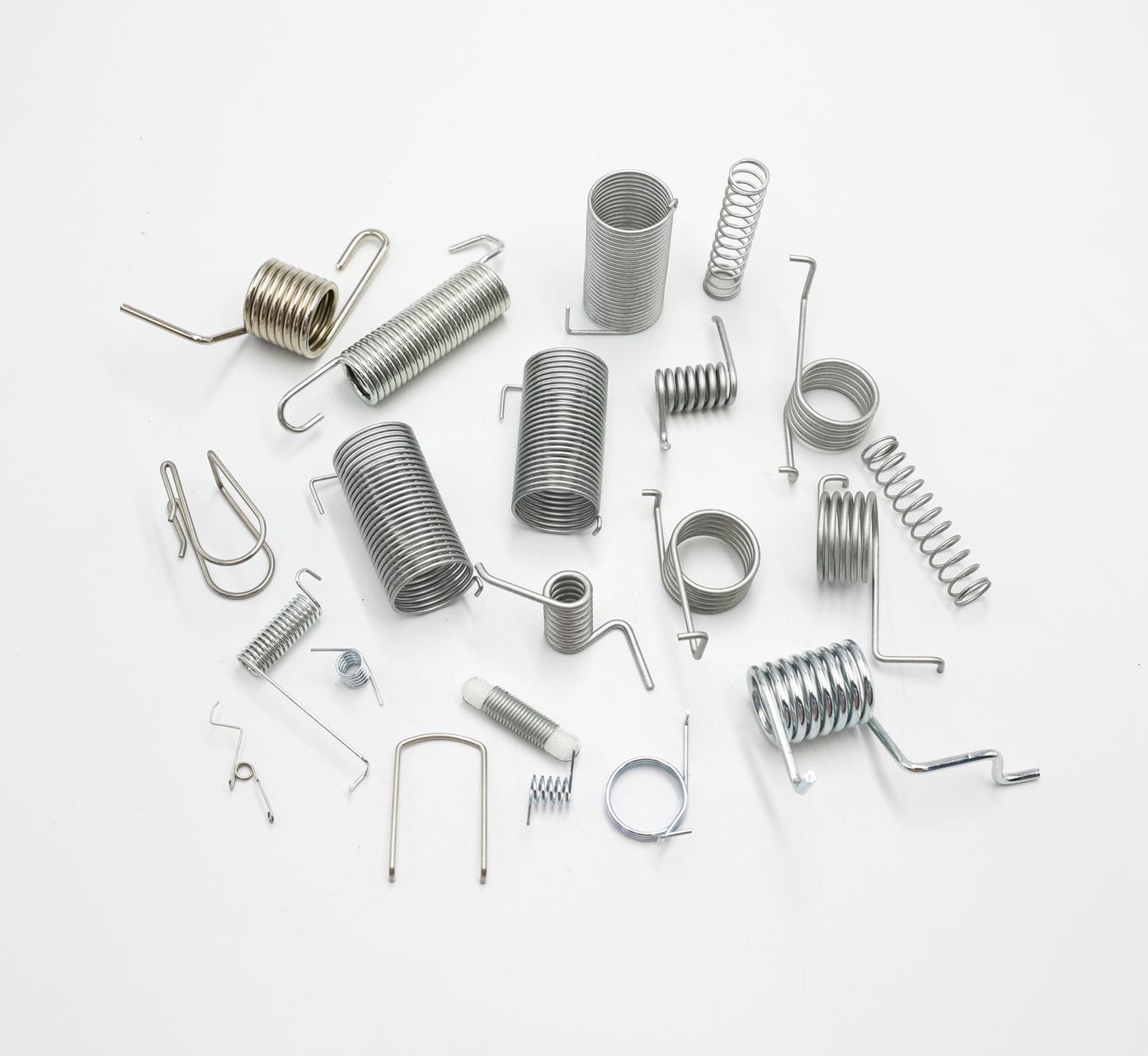
Manufacturing industries worldwide are experiencing a fundamental shift as companies abandon traditional milling methods in favor of specialized precision CNC machining services. This transformation stems from the increasing demand for tighter tolerances, complex geometries, and consistent quality that conventional milling simply cannot deliver at scale. The competitive landscape now demands manufacturing solutions that combine speed, accuracy, and repeatability in ways that traditional machining processes struggle to match.

The migration toward specialized precision CNC machining represents more than a technological upgrade; it reflects a strategic response to market pressures that demand higher quality standards, reduced production times, and greater design flexibility. Industries from aerospace to medical devices are discovering that traditional milling limitations create bottlenecks that specialized CNC services eliminate through advanced programming, superior tooling systems, and automated quality control processes.
Superior Accuracy and Tolerance Control
Micron-Level Precision Capabilities
Specialized precision CNC machining services deliver tolerance control that traditional milling cannot achieve consistently. Modern CNC systems maintain tolerances within ±0.0001 inches across multiple axes simultaneously, while conventional milling typically struggles to hold tolerances tighter than ±0.001 inches. This precision advantage becomes critical in applications where component fit and function depend on exact dimensional compliance.
The thermal compensation systems integrated into specialized CNC equipment automatically adjust for temperature variations that would cause dimensional drift in traditional milling operations. These systems monitor ambient temperature, spindle heat, and material expansion coefficients to maintain consistent part dimensions throughout extended production runs. Traditional milling lacks this sophisticated environmental control, leading to quality variations that can compromise entire production batches.
Repeatable Quality Assurance
Precision CNC machining services eliminate the human variability inherent in traditional milling processes. Computer-controlled operations ensure that every part meets identical specifications without the skill-dependent variations that characterize manual or semi-automated traditional methods. This consistency proves essential for industries requiring statistical process control and documented quality traceability.
Advanced measurement systems integrated within specialized CNC centers provide real-time dimensional verification during machining operations. These systems detect deviations immediately and make automatic corrections, preventing the production of non-conforming parts that would require costly rework or scrapping. Traditional milling relies on post-process inspection, making correction impossible once machining begins.
Complex Geometry Manufacturing Capabilities
Multi-Axis Machining Advantages
Specialized precision CNC machining services utilize 4-axis and 5-axis capabilities that enable complex part production in single setups. This multi-axis functionality allows machining of intricate internal features, compound angles, and sculptured surfaces that would require multiple setups and fixtures in traditional milling operations. The reduced setup requirements eliminate tolerance stack-up errors and improve overall part accuracy.
The simultaneous multi-axis movement capabilities of modern precision CNC machining create surface finishes and geometric features impossible with traditional sequential machining approaches. Complex aerospace components, medical implants, and automotive transmission parts benefit from these capabilities, achieving design specifications that traditional milling cannot accommodate within practical time and cost constraints.
Integrated Tool Management Systems
Specialized CNC services employ automatic tool changers with hundreds of tool positions, enabling complex machining sequences without operator intervention. These systems monitor tool wear, predict replacement timing, and automatically compensate for tool length variations to maintain precision throughout production runs. Traditional milling requires manual tool changes and wear monitoring, introducing delays and potential human error into the manufacturing process.
Advanced tooling strategies in precision CNC machining include adaptive feeds and speeds that optimize cutting parameters based on real-time material removal rates and tool condition monitoring. This dynamic optimization prevents tool failure, extends tool life, and maintains consistent surface finishes across varying material conditions. Traditional milling operates with fixed parameters that cannot adapt to changing machining conditions.
Production Efficiency and Cost Effectiveness
Reduced Setup and Changeover Times
Precision CNC machining services significantly reduce non-productive time through standardized work holding systems and automated part loading mechanisms. Modern CNC centers complete setup changes in minutes rather than hours, enabling economical small-batch production that traditional milling cannot justify due to setup overhead costs. This flexibility allows manufacturers to respond quickly to changing customer demands without inventory penalties.
The programmable nature of specialized CNC operations eliminates the trial-and-error approach common in traditional milling setups. Proven machining programs ensure first-part accuracy and eliminate the material waste associated with setup optimization. This predictability enables accurate cost estimating and delivery scheduling that traditional milling processes cannot guarantee.
Labor Efficiency and Skill Requirements
Specialized precision CNC machining reduces dependence on highly skilled machinists who command premium wages and may be difficult to recruit and retain. CNC operations require programming skills and setup knowledge but eliminate the manual machining expertise needed for traditional milling. This shift enables manufacturers to utilize available labor more effectively while maintaining production quality.
Automated operation cycles in precision CNC machining allow single operators to manage multiple machines simultaneously, improving labor utilization rates compared to traditional milling where one operator typically manages one machine. The reduced hands-on machining time per part translates directly into lower labor costs and improved production capacity utilization.
Technology Integration and Future-Readiness
Industry 4.0 Compatibility
Specialized precision CNC machining services integrate seamlessly with modern manufacturing execution systems and enterprise resource planning platforms. Real-time production data, quality metrics, and machine performance information flow automatically into business systems, enabling data-driven decision making that traditional milling cannot support. This connectivity proves essential for manufacturers implementing smart factory initiatives.
Predictive maintenance capabilities built into modern CNC systems monitor machine health and predict component failures before they occur. This proactive approach minimizes unplanned downtime and maintains production schedules more reliably than traditional milling equipment that requires reactive maintenance strategies. The reduced maintenance overhead and improved uptime contribute to overall production efficiency gains.
Scalability and Flexibility Advantages
Precision CNC machining services offer rapid scaling capabilities through program replication and standardized tooling approaches. Adding production capacity requires equipment installation rather than the extensive training and skill development needed for traditional milling expansion. This scalability enables manufacturers to respond to market opportunities more quickly and with lower risk.
The modular programming approach used in specialized CNC operations enables rapid product design changes and variant production without significant retooling costs. Traditional milling requires custom fixtures and specialized tooling for design modifications, creating barriers to product innovation and customization that CNC programming eliminates through software-based solutions.
Material Utilization and Waste Reduction
Optimized Material Removal Strategies
Specialized precision CNC machining employs sophisticated toolpath optimization that minimizes material waste while maximizing cutting tool efficiency. Advanced CAM software calculates optimal material removal sequences that reduce cycle times and extend tool life compared to traditional milling approaches that rely on manual programming and operator experience. These optimized strategies result in more predictable production costs and improved profitability.
Precision CNC machining services utilize high-efficiency roughing strategies that remove maximum material volume in minimum time while leaving consistent stock allowances for finishing operations. This systematic approach contrasts with traditional milling methods that often require conservative material removal rates due to machine limitations and operator skill variations. The improved material utilization translates directly into reduced raw material costs per finished part.
Quality-Driven Cost Reduction
The superior first-pass yield rates achieved through precision CNC machining eliminate the rework and scrap costs commonly associated with traditional milling operations. Consistent part quality reduces inspection requirements and eliminates the quality control overhead needed to sort acceptable parts from those requiring additional processing. This quality advantage becomes particularly valuable in high-value material applications where scrap costs significantly impact overall production economics.
Specialized CNC services provide detailed process documentation and quality records that support lean manufacturing initiatives and continuous improvement programs. Traditional milling operations often lack the data collection capabilities needed for systematic process optimization, limiting opportunities for cost reduction and efficiency gains. The comprehensive data available from precision CNC machining enables evidence-based process improvements that traditional methods cannot support.
FAQ
How much more accurate is precision CNC machining compared to traditional milling?
Precision CNC machining typically achieves tolerances of ±0.0001 inches or tighter, while traditional milling generally holds tolerances around ±0.001 inches. This represents a ten-fold improvement in accuracy that becomes critical for aerospace, medical device, and high-performance automotive applications where component fit and function depend on exact dimensional compliance.
Can precision CNC machining handle the same materials as traditional milling?
Specialized precision CNC machining services can process all materials suitable for traditional milling, plus many challenging alloys that conventional methods struggle with effectively. Advanced CNC systems provide better control over cutting forces, temperatures, and vibration, enabling successful machining of titanium alloys, hardened steels, and exotic materials that may cause problems in traditional milling operations.
What is the typical cost difference between precision CNC machining and traditional milling?
While precision CNC machining may have higher hourly rates than traditional milling, the total part cost often favors CNC due to reduced setup times, elimination of rework, and higher first-pass yield rates. For complex parts requiring tight tolerances, precision CNC machining frequently costs less per finished part despite premium service rates because it eliminates the multiple setups and quality issues common with traditional milling approaches.
How quickly can precision CNC machining services adapt to design changes compared to traditional milling?
Precision CNC machining services can implement design changes within hours through program modifications, while traditional milling may require days or weeks to create new fixtures and retrain operators. This responsiveness enables rapid prototyping and design iteration that supports accelerated product development cycles and improved time-to-market performance for new product introductions.
Table of Contents
- Superior Accuracy and Tolerance Control
- Complex Geometry Manufacturing Capabilities
- Production Efficiency and Cost Effectiveness
- Technology Integration and Future-Readiness
- Material Utilization and Waste Reduction
-
FAQ
- How much more accurate is precision CNC machining compared to traditional milling?
- Can precision CNC machining handle the same materials as traditional milling?
- What is the typical cost difference between precision CNC machining and traditional milling?
- How quickly can precision CNC machining services adapt to design changes compared to traditional milling?