
 EN
EN
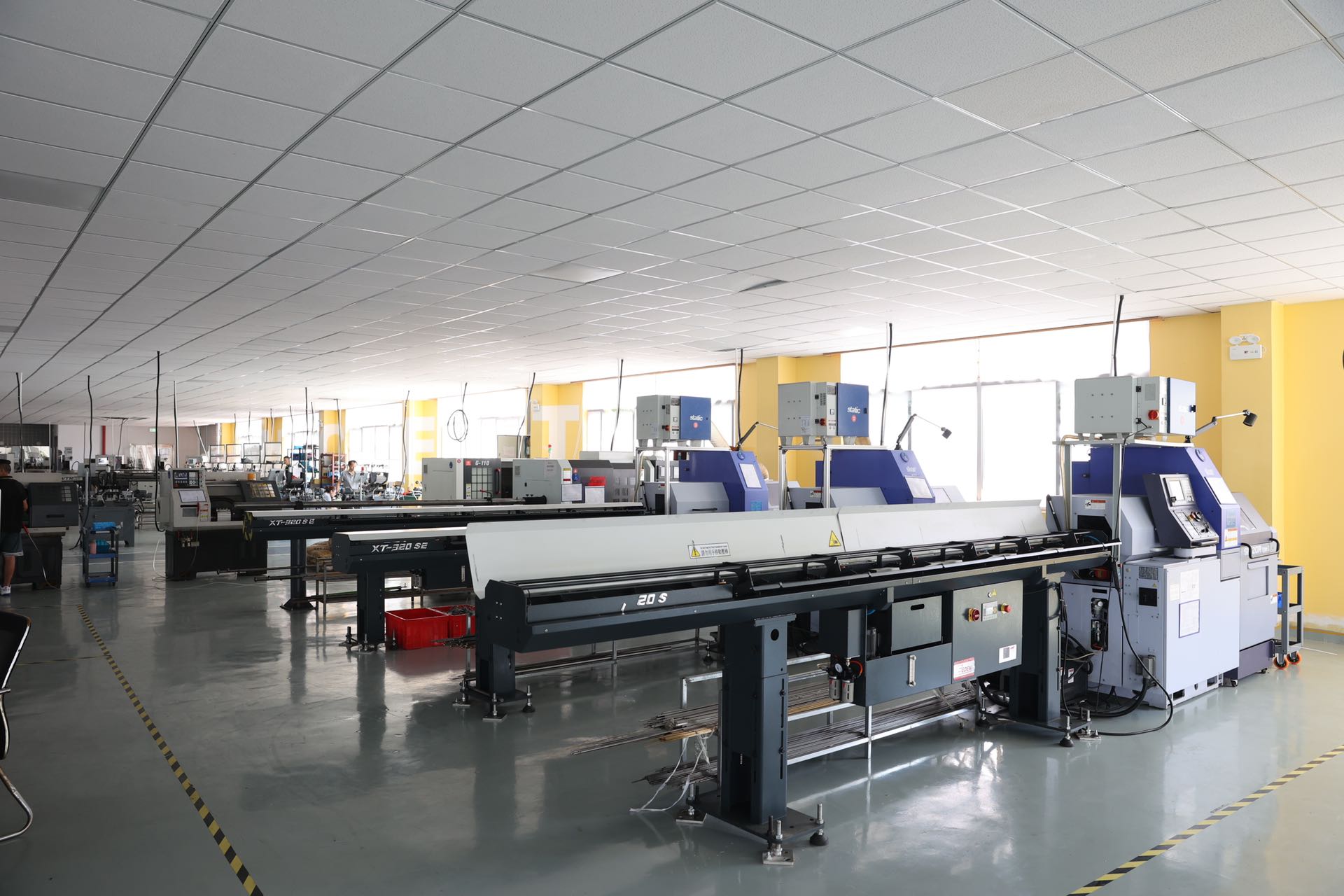
The transformation from computer-aided design (CAD) models to physical high-performance machining parts represents one of modern manufacturing's most sophisticated processes. This journey involves multiple stages of engineering precision, advanced manufacturing technologies, and rigorous quality control measures that ensure the final precision machined parts meet exact specifications. Understanding this complex workflow is essential for engineers, designers, and manufacturing professionals who need to bridge the gap between digital concepts and tangible, functional components.

The journey from CAD to reality involves intricate planning, material selection, machining strategy development, and continuous validation throughout the production process. High-performance precision machined parts require exceptional attention to detail at every stage, from initial design optimization to final inspection and quality assurance. This comprehensive approach ensures that the manufactured components not only meet dimensional requirements but also deliver the performance characteristics essential for demanding applications across aerospace, automotive, medical, and industrial sectors.
Digital Design Foundation and CAD Optimization
Design for Manufacturability Principles
The journey begins with creating CAD models that are optimized specifically for high-performance machining applications. Engineers must consider manufacturability constraints while designing precision machined parts, ensuring that complex geometries remain achievable within the capabilities of modern CNC machining centers. This involves understanding tool accessibility, material removal strategies, and the practical limitations of cutting tools when creating intricate features. Design optimization at this stage directly impacts the quality and cost-effectiveness of the final precision machined parts.
Effective CAD optimization requires collaboration between design engineers and manufacturing specialists to identify potential challenges before production begins. This includes analyzing wall thicknesses, corner radii, surface finish requirements, and tolerance specifications that influence machining strategies. The digital model must accurately represent all critical dimensions and geometric relationships that define the functionality of the precision machined parts in their intended application.
Material Property Integration
CAD models for high-performance applications must incorporate material-specific considerations that affect both design parameters and manufacturing processes. Different materials exhibit varying machinability characteristics, thermal properties, and stress response patterns that influence the design approach for precision machined parts. Engineers must account for material behavior during machining operations, including thermal expansion, work hardening, and chip formation characteristics that impact surface quality and dimensional accuracy.
The selection of appropriate materials for precision machined parts involves evaluating performance requirements against manufacturing feasibility. High-strength alloys, exotic materials, and specialized composites each present unique challenges that must be addressed through careful design optimization and process planning. Understanding these material-specific factors enables engineers to create CAD models that translate effectively into manufacturable precision machined parts.
Process Planning and Manufacturing Strategy Development
Machining Sequence Optimization
Converting CAD designs into actual precision machined parts requires developing comprehensive machining sequences that optimize tool paths, minimize setup changes, and maintain dimensional accuracy throughout the manufacturing process. Process planners analyze the geometry of precision machined parts to determine the most efficient sequence of operations, considering factors such as workholding requirements, tool changes, and quality checkpoints. This strategic approach ensures consistent production of high-quality components while minimizing cycle times and manufacturing costs.
Advanced process planning involves simulation software that validates machining strategies before actual production begins. These simulations help identify potential issues such as tool interference, excessive cutting forces, or thermal distortion that could compromise the quality of precision machined parts. By addressing these challenges in the planning phase, manufacturers can ensure smoother transitions from CAD models to finished components.
Tooling Selection and Setup Strategies
The success of high-performance machining operations depends heavily on selecting appropriate cutting tools and establishing optimal setup configurations for producing precision machined parts. Tool selection involves analyzing cutting parameters, material compatibility, and geometric requirements to ensure efficient material removal while maintaining surface quality and dimensional accuracy. Specialized tooling systems enable the production of complex features and tight tolerances that characterize high-performance precision machined parts.
Setup strategies must account for workholding systems that provide adequate support while allowing access for all required machining operations. The design of fixtures and workholding solutions directly impacts the accuracy and repeatability of precision machined parts production. Advanced workholding technologies enable manufacturers to maintain tight tolerances while accommodating the complex geometries typical of high-performance applications.
Advanced Manufacturing Technologies and Quality Control
CNC Machining Center Capabilities
Modern CNC machining centers provide the technological foundation for transforming CAD designs into high-quality precision machined parts. These sophisticated machines offer multi-axis capabilities, advanced spindle systems, and precision positioning that enable the production of complex geometries with exceptional accuracy. The integration of adaptive control systems and real-time monitoring capabilities ensures consistent quality throughout the manufacturing process for precision machined parts.
High-performance machining centers incorporate features such as thermal compensation, vibration damping, and precision measurement systems that contribute to the dimensional accuracy of precision machined parts. These technological advances enable manufacturers to achieve tighter tolerances and superior surface finishes while maintaining efficient production rates. The continuous evolution of CNC technology expands the possibilities for creating increasingly complex precision machined parts directly from CAD specifications.
In-Process Measurement and Verification
Quality assurance throughout the manufacturing process ensures that precision machined parts meet all specified requirements before completion. In-process measurement systems provide real-time feedback on dimensional accuracy, enabling immediate adjustments to maintain quality standards. These measurement capabilities include probe systems, laser scanning, and coordinate measurement integration that verify critical dimensions during production of precision machined parts.
Advanced quality control protocols incorporate statistical process control methods that track manufacturing trends and identify potential quality issues before they affect finished precision machined parts. This proactive approach to quality management ensures consistent production outcomes while minimizing waste and rework. The integration of quality control systems with manufacturing processes creates a feedback loop that continuously improves the transformation of CAD designs into high-performance components.
Surface Finishing and Final Validation
Advanced Surface Treatment Techniques
The journey from CAD to reality concludes with surface finishing operations that enhance the performance characteristics of precision machined parts. Advanced finishing techniques such as precision grinding, EDM texturing, and specialized coating applications provide the final surface properties required for high-performance applications. These finishing operations must be carefully planned and executed to maintain the dimensional accuracy achieved during primary machining operations while adding the necessary surface characteristics.
Surface finishing for precision machined parts often involves multiple sequential operations, each designed to achieve specific performance objectives such as reduced friction, improved wear resistance, or enhanced corrosion protection. The selection of appropriate finishing techniques depends on the intended application and performance requirements of the precision machined parts. Advanced finishing capabilities enable manufacturers to optimize component performance beyond what is achievable through machining alone.
Final Inspection and Performance Validation
Comprehensive final inspection ensures that completed precision machined parts meet all specified requirements and perform as intended in their designed applications. This validation process includes dimensional verification, surface quality assessment, and functional testing that confirms the successful transformation from CAD model to finished component. Advanced measurement technologies such as coordinate measuring machines, optical scanning systems, and specialized gauging provide detailed verification of precision machined parts quality.
Performance validation may include material property testing, stress analysis, and operational simulation that demonstrates the capability of precision machined parts to meet demanding application requirements. This comprehensive validation approach ensures that the manufacturing process has successfully translated design intent into functional reality. The documentation and certification of these validation results provide confidence in the quality and performance of precision machined parts for critical applications.
FAQ
What are the key factors that determine the success of transforming CAD designs into precision machined parts?
The success of transforming CAD designs into precision machined parts depends on several critical factors including design for manufacturability optimization, appropriate material selection, advanced process planning, and comprehensive quality control throughout production. The integration of these elements ensures that the final components meet dimensional accuracy requirements while delivering the performance characteristics specified in the original design. Effective collaboration between design engineers and manufacturing specialists is essential for achieving optimal results in precision machined parts production.
How do modern CNC technologies contribute to the accuracy of precision machined parts?
Modern CNC technologies contribute to precision machined parts accuracy through advanced features such as multi-axis machining capabilities, thermal compensation systems, real-time monitoring, and adaptive control mechanisms. These technologies enable manufacturers to maintain tight tolerances while producing complex geometries that would be impossible with conventional machining methods. The integration of in-process measurement systems and automated quality control further enhances the consistency and accuracy of precision machined parts production from CAD specifications.
What role does material selection play in the journey from CAD to finished precision machined parts?
Material selection plays a crucial role in the successful transformation of CAD designs into precision machined parts by influencing machinability, dimensional stability, and final performance characteristics. Different materials require specific machining strategies, cutting parameters, and quality control approaches to achieve optimal results. The choice of material affects everything from tool selection and cutting speeds to surface finishing requirements and final inspection procedures for precision machined parts. Understanding material properties enables manufacturers to optimize the entire production process for specific applications.
How important is process planning in ensuring the quality of precision machined parts?
Process planning is fundamental to ensuring the quality of precision machined parts as it establishes the manufacturing strategy that translates CAD designs into physical components. Comprehensive process planning includes machining sequence optimization, tooling selection, workholding design, and quality checkpoint establishment that collectively determine the success of the manufacturing process. Effective process planning minimizes production risks while maximizing efficiency and quality outcomes for precision machined parts. The use of simulation software and advanced planning tools further enhances the reliability of the transformation from digital design to finished component.
Table of Contents
- Digital Design Foundation and CAD Optimization
- Process Planning and Manufacturing Strategy Development
- Advanced Manufacturing Technologies and Quality Control
- Surface Finishing and Final Validation
-
FAQ
- What are the key factors that determine the success of transforming CAD designs into precision machined parts?
- How do modern CNC technologies contribute to the accuracy of precision machined parts?
- What role does material selection play in the journey from CAD to finished precision machined parts?
- How important is process planning in ensuring the quality of precision machined parts?