
 EN
EN
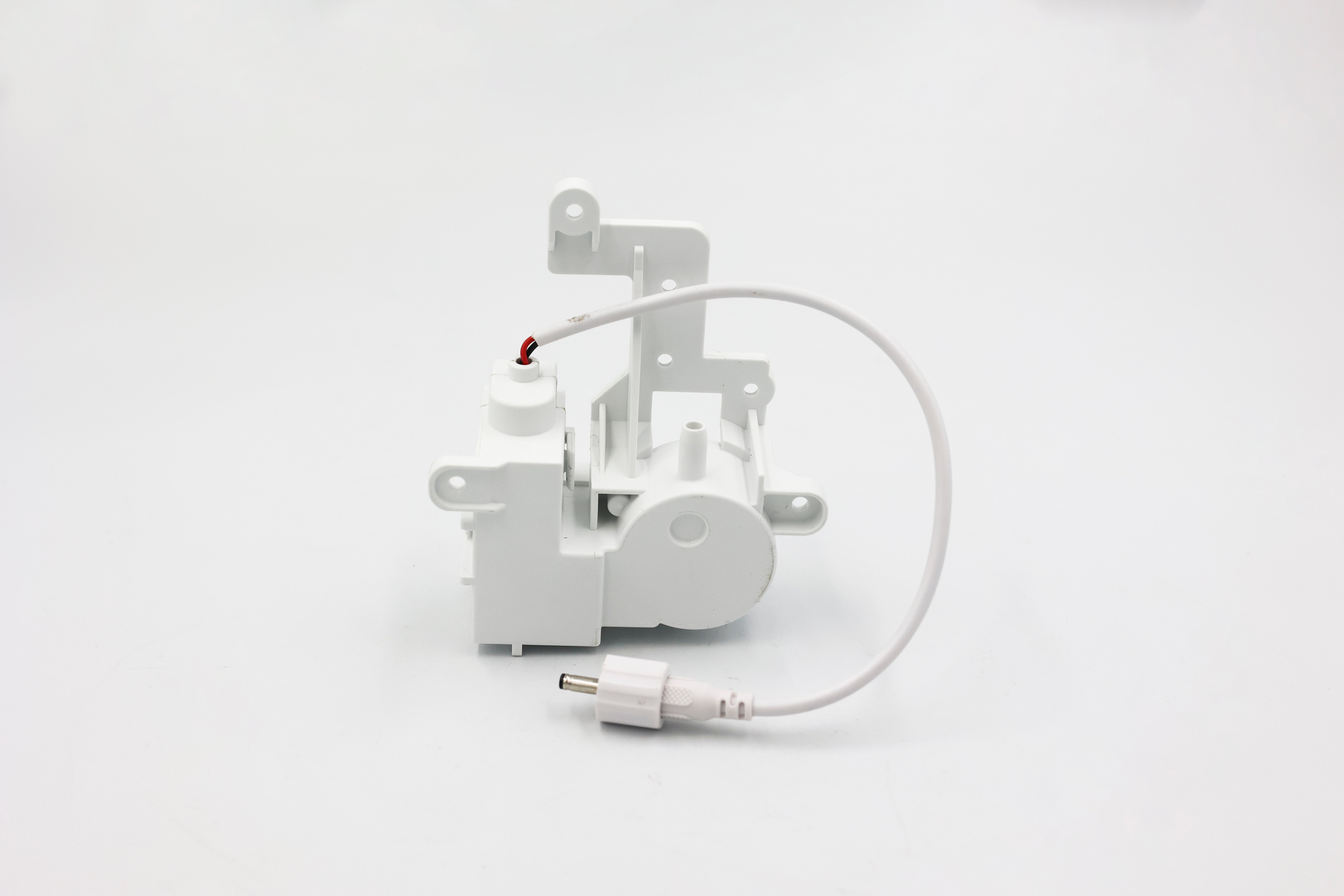
Progressive die technology stands as the cornerstone of modern high-volume precision stamping operations, delivering unmatched efficiency through its sequential operation design. This manufacturing approach transforms single-stage stamping processes into continuous, multi-station workflows that dramatically reduce cycle times while maintaining exceptional accuracy across millions of parts. The technology's ability to perform multiple forming operations in a single press stroke makes it indispensable for manufacturers seeking to optimize production speed without compromising quality standards.
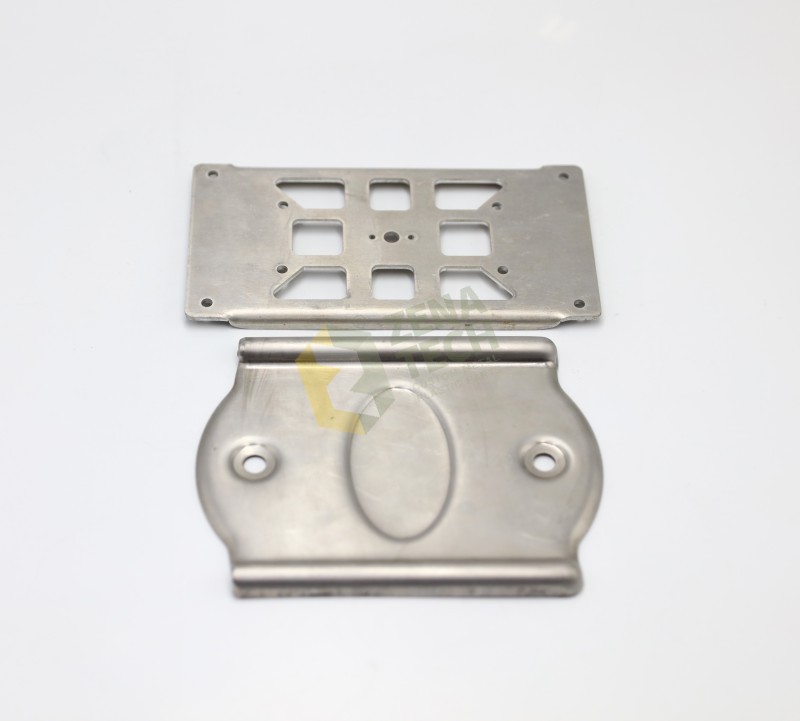
The efficiency gains achieved through progressive die technology stem from its fundamental design philosophy of eliminating handling time between operations while ensuring precise material advancement. Unlike conventional stamping methods that require multiple press setups and part transfers, progressive dies integrate cutting, forming, piercing, and finishing operations within a single tooling system. This integration eliminates the cumulative tolerances and positioning errors that typically plague multi-setup manufacturing processes, resulting in consistent part quality across extended production runs that can span millions of components.
Operational Mechanics That Drive Progressive Die Technology Efficiency
Sequential Station Design and Material Flow Control
The efficiency of progressive die technology begins with its sequential station architecture, where each operation is carefully positioned to optimize material flow and minimize waste. Strip material enters the die system and advances through predetermined stations, with each press stroke simultaneously performing operations at multiple locations. This parallel processing capability means that while one station cuts blanks, another simultaneously forms features, and a third completes finishing operations, creating a continuous production pipeline that maximizes press utilization.
Material advancement systems within progressive die technology utilize precision pilots and stop blocks to ensure exact positioning at each station. These mechanical guidance systems eliminate the positioning variations that occur in manual or semi-automatic operations, maintaining part-to-part consistency that is essential for high-volume manufacturing. The strip advancement distance, known as progression, is calculated to optimize material utilization while providing adequate working space for each forming operation.
The integration of cutting and forming operations within the same die system eliminates the need for intermediate handling and repositioning that characterizes conventional manufacturing approaches. This seamless operation flow reduces cycle times by eliminating non-productive handling time and ensures that each part maintains its relationship to the strip carrier until the final separation operation, preserving dimensional accuracy throughout the forming sequence.
Precision Control Systems and Quality Consistency
Progressive die technology achieves remarkable efficiency through its built-in precision control mechanisms that maintain consistent part quality without requiring extensive inspection procedures. The die structure incorporates precision guide systems, including guide pins, bushings, and heel blocks, that ensure repeatable tool alignment with tolerances measured in fractions of a millimeter. This mechanical precision eliminates the variation sources that typically require statistical process control monitoring in conventional operations.
Force distribution within progressive die technology is carefully engineered to minimize tool wear while maximizing forming efficiency. The sequential arrangement of operations allows force requirements to be distributed across multiple stations rather than concentrated in single heavy-duty operations. This distribution not only extends tool life but also enables the use of smaller, more efficient press equipment that consumes less energy per part produced.
Quality control integration within progressive die systems includes real-time monitoring capabilities that detect variations before they result in defective parts. Sensor systems can monitor strip advancement, forming forces, and dimensional characteristics, providing immediate feedback that enables process adjustments without interrupting production flow. This proactive quality management approach eliminates the waste associated with producing and detecting defective parts after completion.
Production Speed Optimization Through Progressive Die Technology
Cycle Time Reduction and Throughput Maximization
The primary efficiency advantage of progressive die technology lies in its ability to compress multiple manufacturing operations into single press cycles, dramatically reducing the time required to produce completed parts. Traditional stamping operations typically require separate setups for cutting, forming, piercing, and finishing, with each operation involving part handling, positioning, and quality verification steps. Progressive die technology eliminates these intermediate steps by performing all operations simultaneously within a single press stroke.
Throughput optimization in progressive die technology systems often achieves production rates exceeding 1000 parts per minute for smaller components, with larger parts maintaining rates of several hundred parts per minute. These speeds are possible because the technology eliminates the start-stop cycles associated with part handling and repositioning. The continuous strip feeding mechanism ensures that material is always positioned correctly for the next operation, eliminating the dead time that characterizes batch processing approaches.
Press utilization efficiency reaches maximum levels with progressive die technology because the equipment operates continuously rather than in discrete cycles with intervening setup periods. The elimination of part handling between operations means that press tonnage is consistently applied to productive forming work rather than being interrupted for material positioning. This constant utilization translates directly into higher parts-per-hour productivity and improved return on equipment investment.
Setup Time Minimization and Changeover Efficiency
Progressive die technology systems are designed to minimize setup and changeover times through standardized mounting systems and quick-change tooling components. Die sets utilize standard mounting configurations that enable rapid installation and removal without extensive alignment procedures. These standardized systems allow experienced operators to complete die changes in minutes rather than hours, maintaining high overall equipment effectiveness even when switching between different part configurations.
Tooling modularity within progressive die technology enables partial die changes for product variations without complete teardown and rebuild procedures. Interchangeable cutting sections, forming blocks, and finishing stations can be swapped to accommodate different part specifications while maintaining the overall die framework. This modularity is particularly valuable for manufacturers producing part families with similar basic configurations but different detailed features.
Die setting procedures in modern progressive die technology systems incorporate precision measurement and alignment tools that eliminate trial-and-error adjustments. Digital readout systems, preset tooling heights, and standardized shut height configurations ensure that dies operate correctly from the first production stroke. This precision setup capability eliminates the waste associated with producing adjustment parts during die setting procedures.
Material Utilization Efficiency in Progressive Die Technology Operations
Strip Layout Optimization and Scrap Minimization
Material efficiency represents a critical component of overall progressive die technology performance, with optimized strip layouts achieving material utilization rates exceeding ninety percent in many applications. Strip layout design considers part geometry, forming requirements, and structural integrity needs to minimize the web material required between parts while maintaining adequate strength for material advancement through the die stations. Computer-aided design tools enable precise calculation of optimal part spacing and orientation to maximize material yield.
Progressive die technology enables complex nesting strategies that would be impossible with conventional stamping approaches. Parts can be arranged in interlocking patterns or oriented to share common cutting lines, reducing material waste while maintaining the precision required for subsequent forming operations. These advanced nesting strategies often recover material that would otherwise become scrap, providing direct cost savings that improve overall manufacturing efficiency.
Trim and scrap handling systems integrated with progressive die technology operations automatically remove waste material without interrupting production flow. Scrap disposal mechanisms transport material waste away from the die area, preventing accumulation that could interfere with strip advancement or damage finished parts. These integrated systems maintain clean operating conditions while ensuring continuous production flow.
Edge Quality and Secondary Operation Elimination
The precision cutting capabilities of progressive die technology often eliminate the need for secondary finishing operations that would otherwise be required to achieve acceptable edge quality. Fine blanking and precision shearing operations integrated within the progressive sequence produce edges that meet finish requirements without additional processing. This elimination of secondary operations reduces handling, cycle time, and quality variation while improving overall production efficiency.
Progressive die technology systems can incorporate specialized cutting techniques such as shaving and coining operations that enhance edge quality and dimensional accuracy beyond what is achievable with conventional cutting methods. These integrated finishing operations occur within the same die system that performs primary forming, eliminating the need for separate finishing equipment and associated part handling. The result is improved part quality with reduced processing time and lower manufacturing costs.
Burr control within progressive die technology operations is achieved through optimized cutting clearances and properly maintained cutting edges that produce clean shears without secondary finishing requirements. The sequential nature of operations allows cutting parameters to be optimized for each specific forming operation, ensuring that edge quality meets requirements without compromising forming performance. This optimization eliminates the compromise decisions that characterize single-operation cutting processes.
Economic Impact and Return on Investment Analysis
Labor Efficiency and Automation Integration
Progressive die technology dramatically reduces direct labor requirements by eliminating the manual handling and positioning operations that characterize conventional stamping processes. A single operator can typically manage multiple progressive die presses, monitoring production quality and performing routine maintenance while the automated systems handle part production. This labor efficiency improvement directly translates to reduced manufacturing costs per part, particularly significant in high-volume production environments where labor costs can represent substantial portions of total manufacturing expense.
Automation integration with progressive die technology systems extends beyond basic material feeding to include comprehensive production monitoring and quality control capabilities. Modern systems incorporate vision inspection, dimensional measurement, and statistical process control functions that operate continuously without human intervention. These automated quality systems detect variations immediately and can adjust process parameters or halt production to prevent defective part production, maintaining consistent quality while reducing inspection labor requirements.
The skill requirements for operating progressive die technology systems are typically lower than those required for conventional multi-setup stamping operations. Operators focus on monitoring automated systems and performing routine maintenance rather than making complex setup adjustments or handling parts between operations. This simplified operation profile reduces training requirements and enables more efficient utilization of skilled personnel on higher-value activities such as die maintenance and process improvement.
Equipment Utilization and Capacity Optimization
Progressive die technology maximizes equipment utilization by eliminating the idle time associated with part handling and setup changes that characterize conventional operations. Press equipment operates continuously during production runs, with utilization rates often exceeding ninety percent compared to conventional operations that may achieve only sixty to seventy percent utilization due to handling and setup requirements. This improved utilization means that fewer press installations are required to achieve target production volumes.
Capital equipment requirements for progressive die technology operations are typically lower per part produced than conventional alternatives, despite higher initial tooling investments. The ability to perform multiple operations in single press installations eliminates the need for multiple press lines, reducing floor space requirements, utility connections, and support equipment investments. These infrastructure savings often offset higher tooling costs within the first year of production.
Maintenance efficiency in progressive die technology systems benefits from the integrated design that eliminates multiple machine interfaces and transfer mechanisms. Preventive maintenance procedures can be scheduled around die changes rather than requiring separate downtime for each piece of equipment. The reduced complexity of the overall system typically results in higher reliability and lower maintenance costs compared to multi-machine conventional operations.
FAQ
What volume levels justify progressive die technology implementation?
Progressive die technology becomes economically advantageous at production volumes typically exceeding 100,000 parts annually, with optimal efficiency achieved at volumes above 500,000 parts per year. The technology's higher initial tooling investment is offset by dramatically lower per-part production costs, making it ideal for automotive, electronics, and appliance applications where millions of identical parts are required. The break-even analysis depends on part complexity, material costs, and alternative manufacturing options, but higher volumes consistently favor progressive die technology implementation.
How does progressive die technology maintain precision across extended production runs?
Progressive die technology maintains precision through built-in guidance systems including precision pilots, heel blocks, and guide pin assemblies that ensure consistent material positioning throughout the die sequence. The technology incorporates wear-resistant materials and surface treatments on critical contact areas, while automated monitoring systems detect dimensional variations before they exceed specification limits. Regular maintenance schedules and predictive monitoring techniques enable proactive tool adjustments that maintain precision across millions of production cycles.
What factors determine the efficiency advantages of progressive die technology over conventional methods?
The efficiency advantages of progressive die technology are determined by part complexity, production volume requirements, material utilization considerations, and quality specifications. Complex parts requiring multiple forming operations show the greatest efficiency gains because progressive dies eliminate intermediate handling and setup times. High-volume requirements amplify these advantages by spreading tooling investments across larger quantities, while precise quality requirements benefit from the built-in accuracy and repeatability that progressive die technology provides through integrated operations and consistent material advancement.
How does material advancement accuracy affect overall progressive die technology efficiency?
Material advancement accuracy directly impacts progressive die technology efficiency by ensuring proper part registration at each forming station and minimizing scrap generation from positioning errors. Precision pilot systems and mechanical feed mechanisms maintain advancement accuracy within thousandths of an inch, enabling tight part tolerances and consistent forming results. Accurate advancement also optimizes material utilization by maintaining planned spacing between parts, reducing waste while ensuring adequate web strength for reliable strip feeding through the complete forming sequence.
Table of Contents
- Operational Mechanics That Drive Progressive Die Technology Efficiency
- Production Speed Optimization Through Progressive Die Technology
- Material Utilization Efficiency in Progressive Die Technology Operations
- Economic Impact and Return on Investment Analysis
-
FAQ
- What volume levels justify progressive die technology implementation?
- How does progressive die technology maintain precision across extended production runs?
- What factors determine the efficiency advantages of progressive die technology over conventional methods?
- How does material advancement accuracy affect overall progressive die technology efficiency?