
 EN
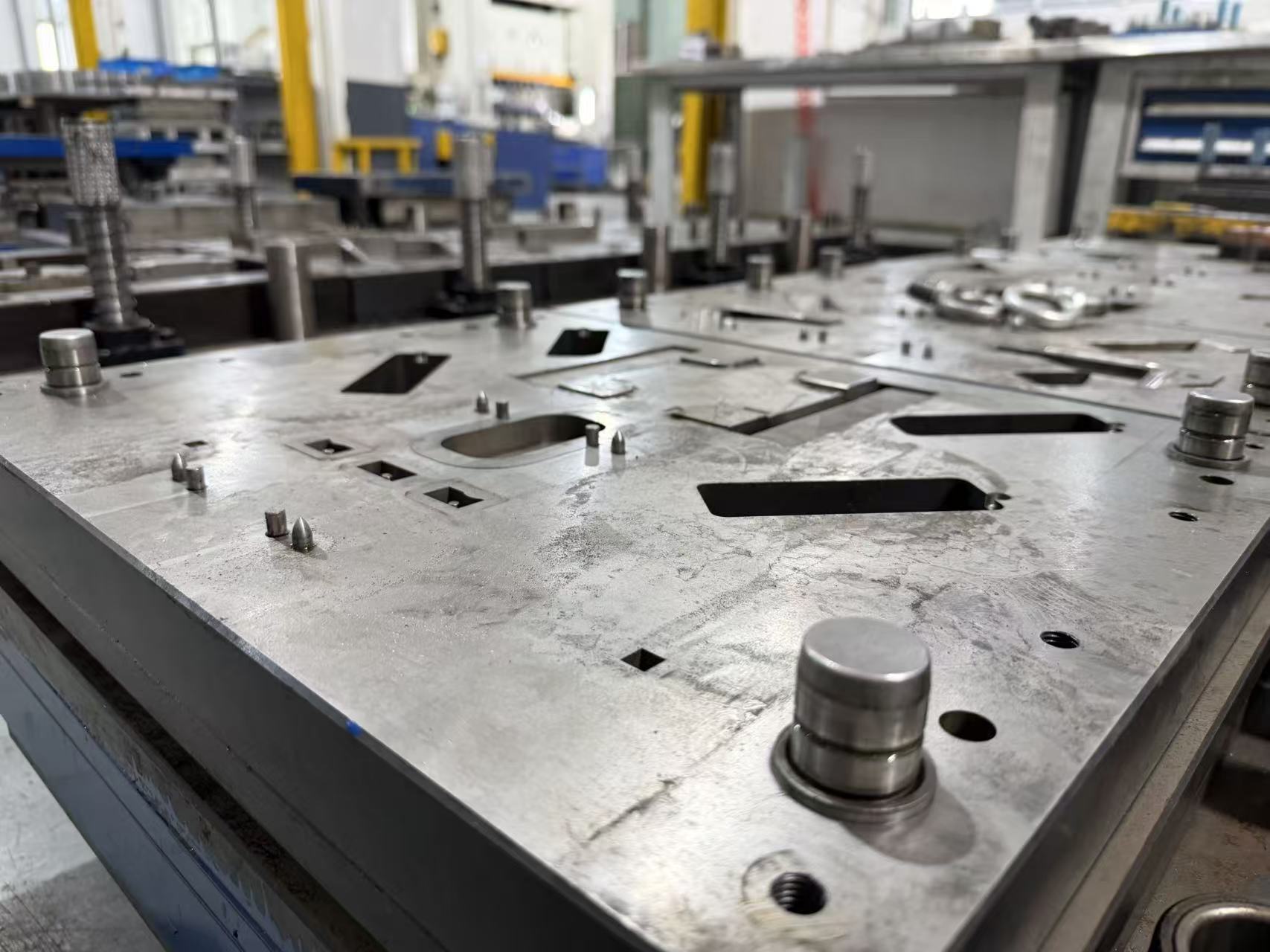
Commercial drone operators face a persistent engineering challenge: balancing structural integrity with weight reduction. Every gram added to a drone frame directly impacts flight duration, payload capacity, and operational efficiency. This is where sheet metal parts become essential. Aluminum sheet metal parts have revolutionized how manufacturers design and build lightweight drone chassis, offering an optimal combination of strength, durability, and minimal weight that traditional materials simply cannot match.

The transition to aluminum sheet metal parts represents a fundamental shift in drone engineering. Rather than relying on heavier composite materials or steel alternatives, manufacturers now recognize that precision-formed aluminum sheet metal parts deliver superior performance at lower mass. This advancement has enabled a new generation of commercial drones capable of longer flight times, greater payload capacity, and enhanced maneuverability in complex operational environments.
Why Aluminum Sheet Metal Parts Outperform Traditional Materials
Superior Strength-to-Weight Ratio
Aluminum sheet metal parts deliver an unmatched strength-to-weight advantage that defines modern drone chassis design. Aluminum exhibits a tensile strength comparable to steel while weighing only one-third as much. When engineered into sheet metal parts, this property becomes transformative. A drone frame constructed from aluminum sheet metal parts can maintain the rigidity needed for precision flight control while reducing overall system mass by 30 to 40 percent compared to conventional materials. This efficiency directly translates to extended flight times and improved battery performance.
Corrosion Resistance and Durability
Commercial drones operate in demanding environments—coastal zones with salt spray, humid climates, and outdoor storage conditions that accelerate material degradation. Aluminum sheet metal parts naturally resist corrosion through an oxide layer that forms on the surface, protecting the underlying material from rust and environmental damage. Unlike steel sheet metal parts that require protective coatings and maintenance, aluminum sheet metal parts maintain their structural integrity with minimal intervention. This inherent corrosion resistance reduces lifecycle maintenance costs and ensures consistent performance across thousands of operational hours.
Engineering Advantages of Aluminum Sheet Metal Parts in Drone Design
Precision Fabrication and Customization
Modern sheet metal parts manufacturing enables designers to create complex geometries that would be impossible or economically unfeasible with other materials. sheet metal parts can be stamped, formed, and CNC-machined to exacting tolerances that ensure seamless assembly and optimal aerodynamic characteristics. Aluminum sheet metal parts allow engineers to integrate multiple functional elements—mounting points, cable routing channels, heat dissipation surfaces—into single unified components. This consolidation reduces parts count, simplifies assembly procedures, and minimizes the potential failure points within the chassis structure.
Thermal Management Capabilities
Commercial drones generate heat from flight controllers, battery management systems, and motor controllers during extended operations. Aluminum sheet metal parts facilitate efficient thermal dissipation by conducting heat away from sensitive electronics. The high thermal conductivity of aluminum—combined with the large surface area possible through sheet metal part design—creates passive cooling pathways that maintain optimal operating temperatures. This thermal management capability improves electronic component reliability and extends the operational lifespan of critical drone systems without requiring additional active cooling solutions.
Real-World Applications and Performance Outcomes
Extended Flight Duration and Payload Capacity
The weight reduction achieved through aluminum sheet metal parts directly impacts operational capabilities. A typical commercial drone chassis constructed from aluminum sheet metal parts weighs 15 to 20 percent less than equivalent steel designs. This weight savings translates to measurable flight time increases—often 8 to 15 minutes of additional operational endurance per charge cycle. Furthermore, the reduced chassis weight allocates more available payload capacity for mission-critical sensors, cameras, and data collection equipment. Operators can therefore deploy more advanced imaging systems or additional sensors without redesigning the entire drone platform.
Improved Responsiveness and Stability
A lighter airframe responds more quickly to control inputs while maintaining stable flight characteristics. Aluminum sheet metal parts reduce inertial mass, enabling faster acceleration and deceleration of the drone during complex maneuvers. This responsiveness proves particularly valuable in applications requiring precise positioning—infrastructure inspection, agriculture monitoring, and search-and-rescue operations. The rigid structure provided by properly engineered aluminum sheet metal parts ensures that control surfaces and propulsion systems maintain optimal alignment, preserving flight stability even in wind-challenged environments.
Cost-Effectiveness Over the Product Lifecycle
While initial tooling costs for aluminum sheet metal parts may exceed single-piece alternative methods, the per-unit manufacturing expense becomes highly competitive at production volumes above 500 units annually. The durability of aluminum sheet metal parts reduces field failures and warranty claims. The lighter weight decreases energy consumption and extends battery life, reducing operational costs for fleet operators managing dozens or hundreds of drones. When total cost of ownership is calculated across five years of drone operation, aluminum sheet metal parts typically deliver 20 to 35 percent lower lifecycle costs compared to heavier material alternatives.
FAQ
What thickness of aluminum sheet metal parts is optimal for drone chassis design?
Optimal thickness typically ranges from 0.8 to 2.5 millimeters, depending on the specific drone size, weight distribution, and structural requirements. Smaller commercial drones generally use 0.8 to 1.2 mm aluminum sheet metal parts, while larger industrial drones may employ 1.5 to 2.5 mm thickness. Thicker sheet metal parts provide greater rigidity and impact resistance but increase weight and reduce aerodynamic efficiency. Engineering analysis through finite element modeling determines the precise thickness of sheet metal parts needed to achieve the target stiffness while minimizing mass.
Can aluminum sheet metal parts withstand crash impact and debris damage?
Aluminum sheet metal parts demonstrate good impact resistance and recover well from minor collisions without permanent deformation. The material's ductility allows it to absorb energy through controlled deformation rather than catastrophic fracture. However, repeated high-impact events or direct strikes from sharp debris can puncture or bend aluminum sheet metal parts. Protective edge reinforcement, localized thickening, and strategic placement of sheet metal parts can mitigate this vulnerability. Most commercial drone operators accept aluminum sheet metal parts as a calculated risk factor and budget for periodic chassis replacement as part of normal maintenance cycles.
How does anodizing affect the performance of aluminum sheet metal parts?
Anodizing creates a thickened oxide coating on aluminum sheet metal parts that dramatically improves corrosion resistance and wear durability. The process adds minimal weight—typically less than 0.05 mm per surface—while providing aesthetic color options and improved surface hardness. Anodized aluminum sheet metal parts resist environmental degradation more effectively than bare aluminum, extending the interval between maintenance cycles. The anodize coating also provides electrical insulation properties, which can be advantageous for certain drone applications requiring isolated structural components. Most commercial drone manufacturers specify Type II or Type III anodizing on critical aluminum sheet metal parts.