
 EN
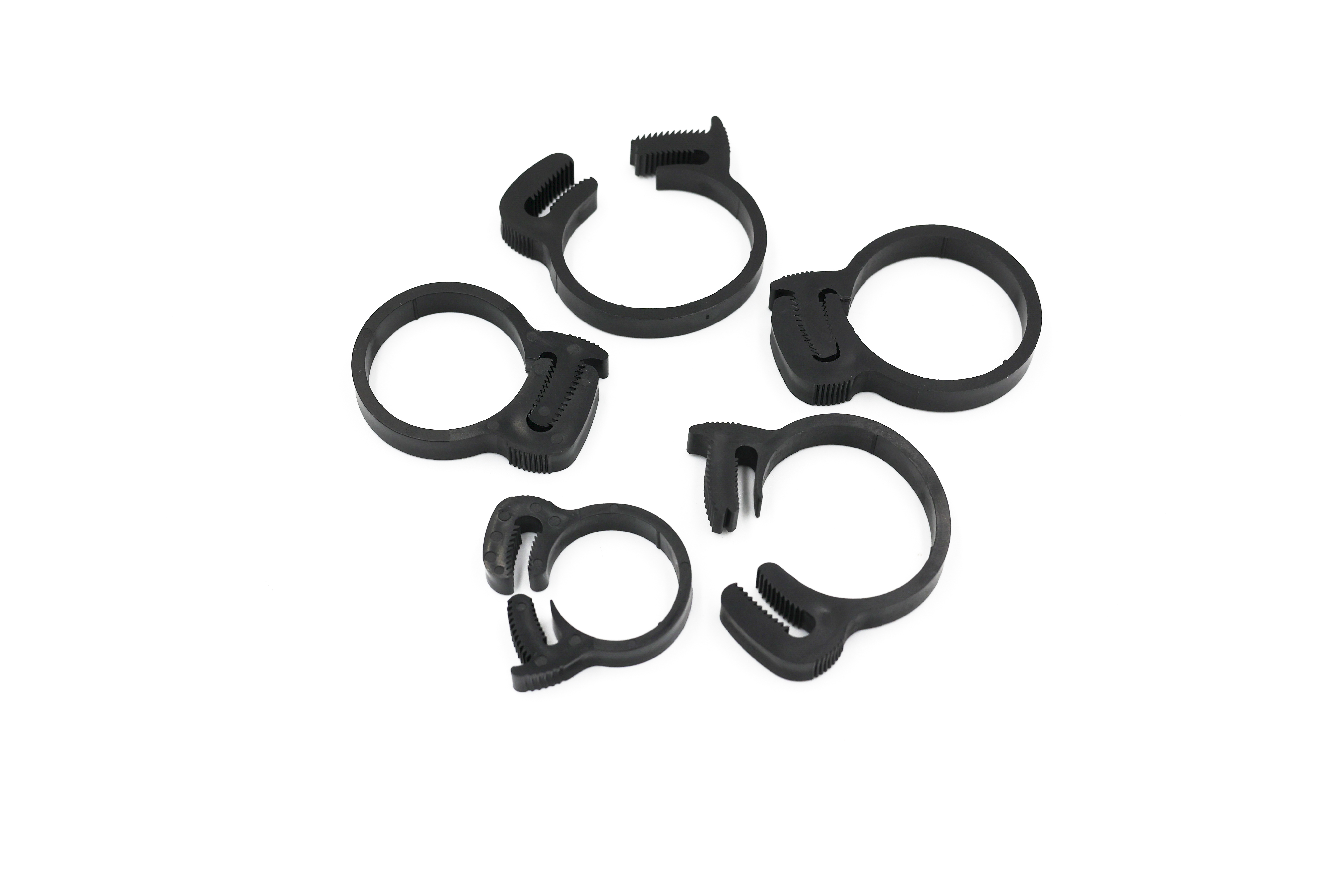
Rugged electronic housings demand precision engineering and material science that goes far beyond standard manufacturing. Insert molding with plastic injection parts represents a transformative approach that integrates metal inserts directly into molded thermoplastics during the injection process. This advanced technique creates composite structures where plastic injection parts bond seamlessly with embedded components, delivering superior mechanical performance without post-assembly requirements. For industries managing harsh environments, extreme temperatures, and high-stress operational demands, plastic injection parts manufactured through insert molding solve critical durability challenges that traditional assembly methods cannot address.
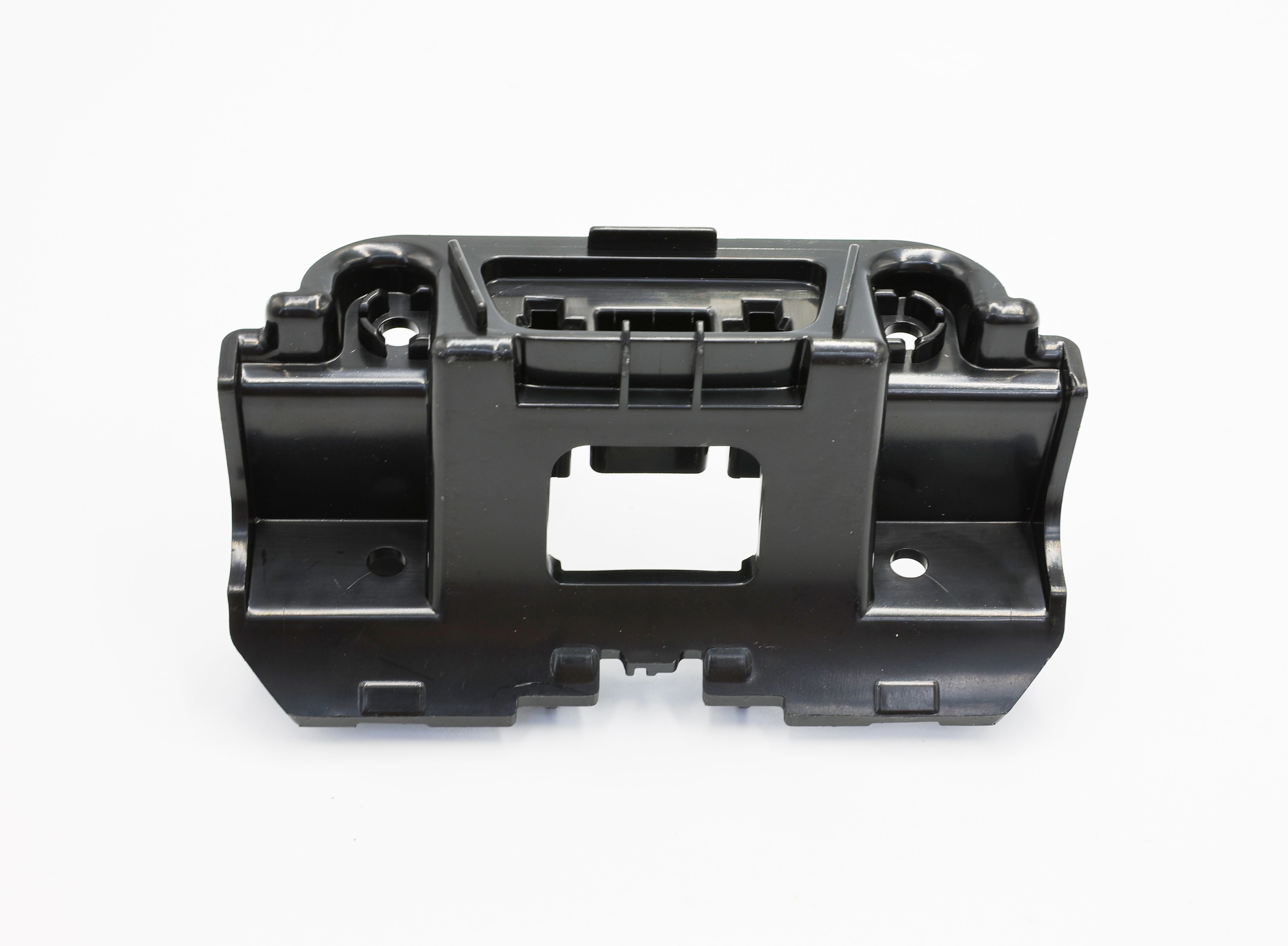
The integration of insert molding technology into plastic injection parts manufacturing has revolutionized how engineers approach electronic housing design. By embedding threaded inserts, connectors, and reinforcement elements during the plastic injection process, manufacturers eliminate weak points that typically emerge where separate components meet. This unified construction approach ensures that plastic injection parts maintain consistent structural integrity across the entire housing, reducing failure rates and extending product lifecycle in demanding applications. Electronic manufacturers increasingly recognize that plastic injection parts created through insert molding deliver competitive advantages that directly impact reliability, cost efficiency, and customer satisfaction.
Enhanced Mechanical Strength and Durability
Superior Load Distribution in Plastic Injection Parts
Insert molding fundamentally changes how plastic injection parts handle mechanical stress. When metal inserts are positioned strategically within the plastic injection parts during molding, they create reinforced stress points that distribute loads more effectively than surfaces assembled after production. This engineering approach means plastic injection parts can withstand higher impact forces, vibration, and thermal cycling without cracking or delaminating. For electronic housings protecting sensitive components, plastic injection parts manufactured this way provide the robust foundation necessary for equipment operating in construction sites, industrial facilities, and automotive environments where durability is non-negotiable.
Integration of Threaded and Fastening Elements
Traditional plastic injection parts often require drilled and tapped holes for fasteners, creating stress concentration points where failures originate. Insert molding eliminates this vulnerability by embedding threaded inserts directly into plastic injection parts during the molding cycle. These permanently bonded inserts cannot strip, loosen, or separate from the housing structure. For rugged electronic housings requiring repeated assembly, disassembly, and maintenance cycles, plastic injection parts with integrated fastening elements provide thousands of secure fastening cycles without degradation. This capability directly reduces field service costs and increases equipment uptime in mission-critical applications.
Manufacturing Efficiency and Cost Optimization
Reduction in Assembly Steps and Labor Costs
Consolidating multiple components into single plastic injection parts through insert molding dramatically streamlines production workflows. Rather than manufacturing housings separately and then assembling metal inserts through secondary operations, plastic injection parts emerge complete from the molding cycle with all functional elements integrated. This elimination of assembly stages reduces labor requirements, decreases inventory complexity, and minimizes the potential for human error during component integration. For manufacturers producing thousands of units monthly, the labor savings achieved through plastic injection parts manufactured via insert molding directly translates to improved margins and faster time-to-market.
Improved Design Flexibility and Customization
Insert molding enables designers to create plastic injection parts with complex geometries and integrated functional features impossible with conventional injection molding alone. Engineers can design housing structures that precisely accommodate embedded connectors, shielding elements, and reinforcement components within single plastic injection parts. This design flexibility means plastic injection parts can be customized for specific applications without requiring entirely new tooling investments. Electronic manufacturers can rapidly iterate designs, optimize wall thickness, and integrate new features into plastic injection parts to meet evolving customer requirements while maintaining production efficiency.
Performance Advantages in Harsh Environments
Thermal Stability and Environmental Resistance
Rugged electronic housings encounter temperature fluctuations, humidity exposure, chemical contact, and UV radiation that degrade conventional plastic injection parts. Insert molding integrates metal components that remain thermally and chemically stable even when surrounding plastic injection parts experience environmental stress. The bonding between inserts and plastic injection parts prevents moisture infiltration at interfaces that typically represent weak points in standard housings. For equipment deployed in automotive engine compartments, outdoor telecommunications installations, or chemical processing facilities, plastic injection parts manufactured through insert molding maintain dimensional stability and protective properties throughout extended operational lifecycles.
Electromagnetic Shielding Integration
Electronic housings must protect sensitive circuits from electromagnetic interference while maintaining signal integrity. Insert molding allows manufacturers to embed conductive inserts and shielding elements directly into plastic injection parts, creating electromagnetic barriers without external attachments. These shielding elements molded into plastic injection parts become permanently fixed, preventing shifting or degradation that compromises protection over time. For medical devices, industrial sensors, and communication equipment, plastic injection parts with integrated electromagnetic shielding provide reliable signal protection that meets regulatory requirements while eliminating bulky external shielding solutions. The seamless integration of shielding into plastic injection parts also improves aesthetic appearance and reduces overall housing weight.
FAQ
What materials work best for insert molding plastic injection parts?
The most effective plastic injection parts for insert molding combine engineering thermoplastics like nylon, polycarbonate, or glass-filled polyester with brass, stainless steel, or aluminum inserts. Material selection depends on thermal requirements, chemical exposure, and mechanical loads the plastic injection parts must withstand. Compatibility between plastic and insert materials ensures strong bonding and consistent performance throughout the product lifecycle of plastic injection parts.
How does insert molding affect the cost of plastic injection parts?
While insert molding may increase per-unit tooling costs compared to standard injection molding, the overall cost of plastic injection parts typically decreases when accounting for eliminated assembly operations, reduced labor, and decreased secondary processing. For high-volume production, plastic injection parts manufactured through insert molding deliver significant cost advantages that far outweigh initial tooling investments.
Can plastic injection parts created through insert molding be recycled?
Recycling plastic injection parts with embedded metal inserts requires specialized processes to separate materials before reprocessing. Many manufacturers now design plastic injection parts with removable or easily separable inserts to facilitate recycling compliance. Consulting with material suppliers ensures that plastic injection parts meet environmental regulations and sustainability requirements in your target markets.