
 EN
EN
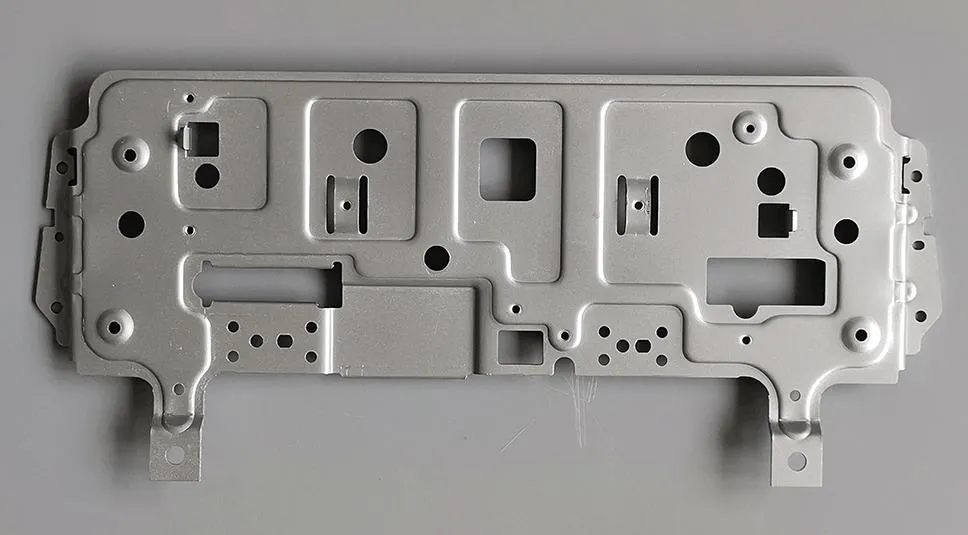
Titanium has become the material of choice for critical aerospace applications where extreme conditions demand uncompromising structural durability. When aerospace engineers design systems to withstand hypersonic flight, intense thermal cycling, and corrosive environments, they turn to sheet metal parts fabricated from titanium alloys. These sheet metal parts represent a convergence of materials science, precision engineering, and real-world performance requirements that determine whether aircraft and spacecraft survive their operational demands. Understanding how titanium sheet metal parts achieve this durability requires examining the material's inherent properties, the fabrication processes that preserve those properties, and the design strategies that maximize performance in unforgiving environments.
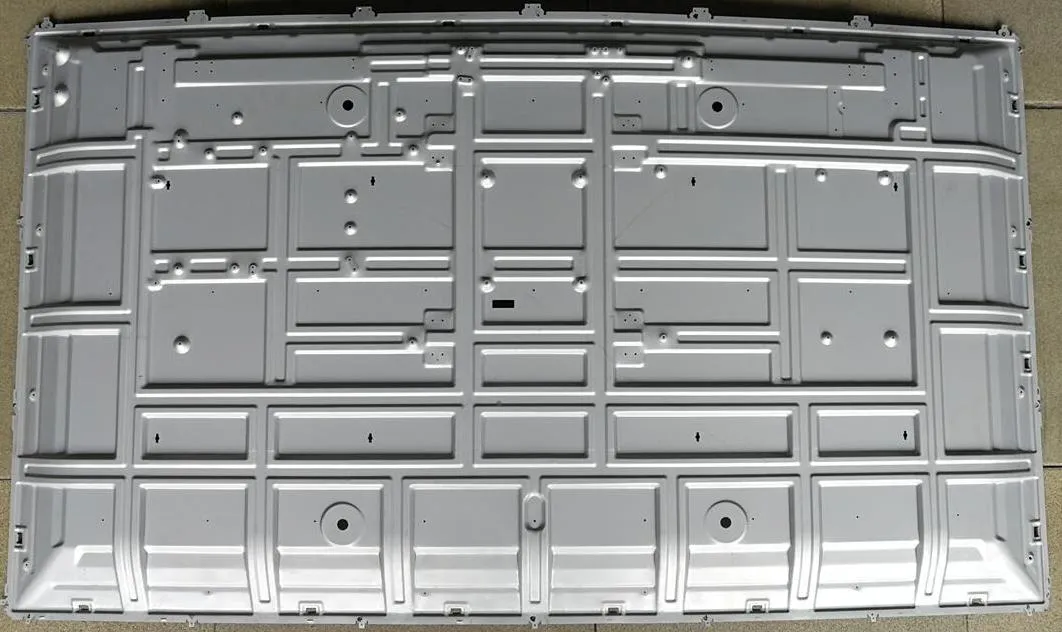
The aerospace industry operates within a framework where failure is not an option. Every structural component, including sheet metal parts, must endure thermal extremes ranging from cryogenic temperatures to sustained heat exposure exceeding 1,000 degrees Fahrenheit. Titanium alloys deliver the strength-to-weight ratio, thermal resistance, and environmental stability that alternative materials cannot match. Sheet metal parts manufactured from titanium maintain mechanical integrity across these extreme ranges, resist oxidation and corrosion from harsh atmospheric conditions, and support the precision tolerances that modern aerospace systems require. This article explores the mechanisms behind this durability and why titanium remains essential for critical aerospace sheet metal parts.
Material Properties That Define Durability in Extreme Conditions
Titanium Alloy Strength and Weight Efficiency
Titanium alloys possess a unique combination of high strength and low density that fundamentally distinguishes them from steel, aluminum, and composite materials. Sheet metal parts made from titanium alloys like Ti-6Al-4V maintain tensile strength exceeding 140,000 pounds per square inch while weighing roughly half as much as equivalent steel components. For aerospace applications, this strength-to-weight advantage translates directly into fuel efficiency, increased payload capacity, and extended operational range. When aircraft designers specify titanium sheet metal parts for fuselage sections, engine casings, and structural frames, they gain measurable performance advantages that accumulate across the vehicle's lifetime. The material's inherent strength means sheet metal parts can be thinner and lighter without sacrificing structural integrity, a critical consideration in aerospace where every kilogram affects mission success.
Thermal Stability and Oxidation Resistance
Extreme aerospace environments subject sheet metal parts to rapid thermal cycling and continuous high-temperature exposure that would degrade conventional materials. Titanium alloys maintain their crystalline structure and mechanical properties across temperature ranges where other metals experience creep, fatigue, or dimensional instability. Sheet metal parts fabricated from titanium resist oxidation because the material forms a dense, self-healing oxide layer that protects underlying metal from further degradation. This passive protection means titanium sheet metal parts remain structurally sound in the oxygen-rich atmosphere of high-altitude flight and the thermal shock environments of hypersonic acceleration. The material's thermal conductivity and expansion characteristics also support precision manufacturing, allowing sheet metal parts to maintain tight tolerances essential for aerospace assembly and system integration.
Fabrication Processes That Preserve Structural Durability
Precision Forming and Welding Techniques
Manufacturing titanium sheet metal parts requires specialized processes that preserve the material's structural properties while achieving the complex geometries that aerospace applications demand. Forming operations must account for titanium's work-hardening behavior and lower formability compared to aluminum, necessitating controlled temperature environments and specialized tooling. When sheet metal parts require welding—such as in fuselage panels or fuel tanks—aerospace manufacturers employ techniques like electron beam welding or gas tungsten arc welding in inert atmospheres to prevent contamination. Improper welding of titanium sheet metal parts can introduce brittleness and compromise fatigue life, so quality control during fabrication directly determines field performance. Advanced forming dies, precise heat treatment cycles, and rigorous inspection protocols ensure that each sheet metal parts batch maintains the durability specifications required for extreme aerospace environments.
Surface Treatment and Protective Coatings
While titanium's native oxide layer provides inherent protection, aerospace sheet metal parts often receive additional surface treatments to enhance durability against specific environmental threats. Anodizing processes on titanium sheet metal parts create thicker oxide layers that resist galvanic corrosion and extend service life in salt-spray and high-humidity conditions. Some sheet metal parts specifications require chromate conversion coatings or specialized primer systems that work synergistically with titanium's natural corrosion resistance. These finishing steps are not cosmetic—they directly impact the long-term structural integrity of sheet metal parts exposed to aviation fuel, de-icing compounds, and atmospheric moisture. Each coating selection depends on the specific aerospace application, operating altitude, and environmental exposure profile that the sheet metal parts will encounter during service.
Design Strategies for Extreme Aerospace Performance
Structural Load Distribution and Fatigue Management
Engineers designing sheet metal parts for extreme aerospace environments must account for complex stress states that combine sustained loads, cyclic fatigue, and thermal stresses. Titanium alloys exhibit excellent fatigue resistance, but the durability advantage only materializes when sheet metal parts are shaped and finished to minimize stress concentrations. Design strategies include smooth radii at corners, gradual thickness transitions, and surface finishes that reduce crack initiation sites in titanium sheet metal parts. Finite element analysis during the design phase allows engineers to predict how titanium sheet metal parts will respond to combined thermal and mechanical loading, identifying regions vulnerable to fatigue crack growth before manufacturing begins. When sheet metal parts are properly designed with these principles, titanium's inherent strength supports mission durations and cycle counts that exceed what conventional materials can deliver.
Environmental Sealing and Protective Integration
Durability in extreme aerospace environments extends beyond the material itself to how sheet metal parts are integrated into larger systems. Sheet metal parts that form tank walls, duct sections, or panel assemblies must prevent moisture intrusion, fuel seepage, and environmental contamination while maintaining structural function. Design details including fastener selection, sealant compatibility, and drainage provisions are as critical as the titanium alloy selection when specifying sheet metal parts for extreme applications. When sheet metal parts connect to aluminum, steel, or composite materials, galvanic isolation becomes necessary to prevent accelerated corrosion at dissimilar metal interfaces. Aerospace engineers ensure that titanium sheet metal parts perform reliably not in isolation but as fully integrated components within systems where protection, compatibility, and redundancy create overall durability.
FAQ
Why is titanium chosen for sheet metal parts in extreme aerospace applications rather than aluminum or steel?
Titanium sheet metal parts deliver superior performance because the alloy combines high strength with low weight, maintains mechanical properties across extreme temperature ranges, and resists oxidation in harsh aerospace environments. While aluminum offers lower cost and easier fabrication, aluminum sheet metal parts cannot sustain the thermal extremes or extended service lives required in hypersonic flight and advanced propulsion systems. Steel sheet metal parts provide strength but add significant weight that reduces efficiency. Titanium sheet metal parts represent the optimal balance of performance, durability, and long-term mission success in extreme aerospace conditions.
How do manufacturing processes affect the durability of titanium sheet metal parts?
The durability of titanium sheet metal parts depends critically on forming techniques, welding methods, heat treatment protocols, and surface treatments used during manufacturing. Improper forming can work-harden the material and reduce fatigue life, while contaminated welds in sheet metal parts introduce brittleness. Aerospace manufacturers employ inert atmosphere welding, controlled temperature forming, and specialized heat treatment to ensure sheet metal parts maintain the mechanical properties specified in design requirements. Surface treatments including anodizing and protective coatings enhance sheet metal parts' resistance to galvanic corrosion and chemical attack. Each manufacturing step directly influences whether completed sheet metal parts will achieve their intended service life in extreme environments.
What environmental factors most threaten the durability of titanium sheet metal parts in aerospace service?
Titanium sheet metal parts face durability challenges from thermal cycling between extreme temperatures, moisture and salt-spray exposure at high altitudes, galvanic corrosion at fastener interfaces, and fatigue stress from repeated operational cycles. While titanium's oxide layer provides excellent baseline protection, sheet metal parts must incorporate design features and protective coatings to address these specific threats. Proper isolation from dissimilar metals, controlled fastener selection, and environmental sealing within system design preserve the durability advantage of titanium sheet metal parts throughout extended service life, even when operating in the harshest aerospace conditions.
Table of Contents
- Material Properties That Define Durability in Extreme Conditions
- Fabrication Processes That Preserve Structural Durability
- Design Strategies for Extreme Aerospace Performance
-
FAQ
- Why is titanium chosen for sheet metal parts in extreme aerospace applications rather than aluminum or steel?
- How do manufacturing processes affect the durability of titanium sheet metal parts?
- What environmental factors most threaten the durability of titanium sheet metal parts in aerospace service?