
 EN
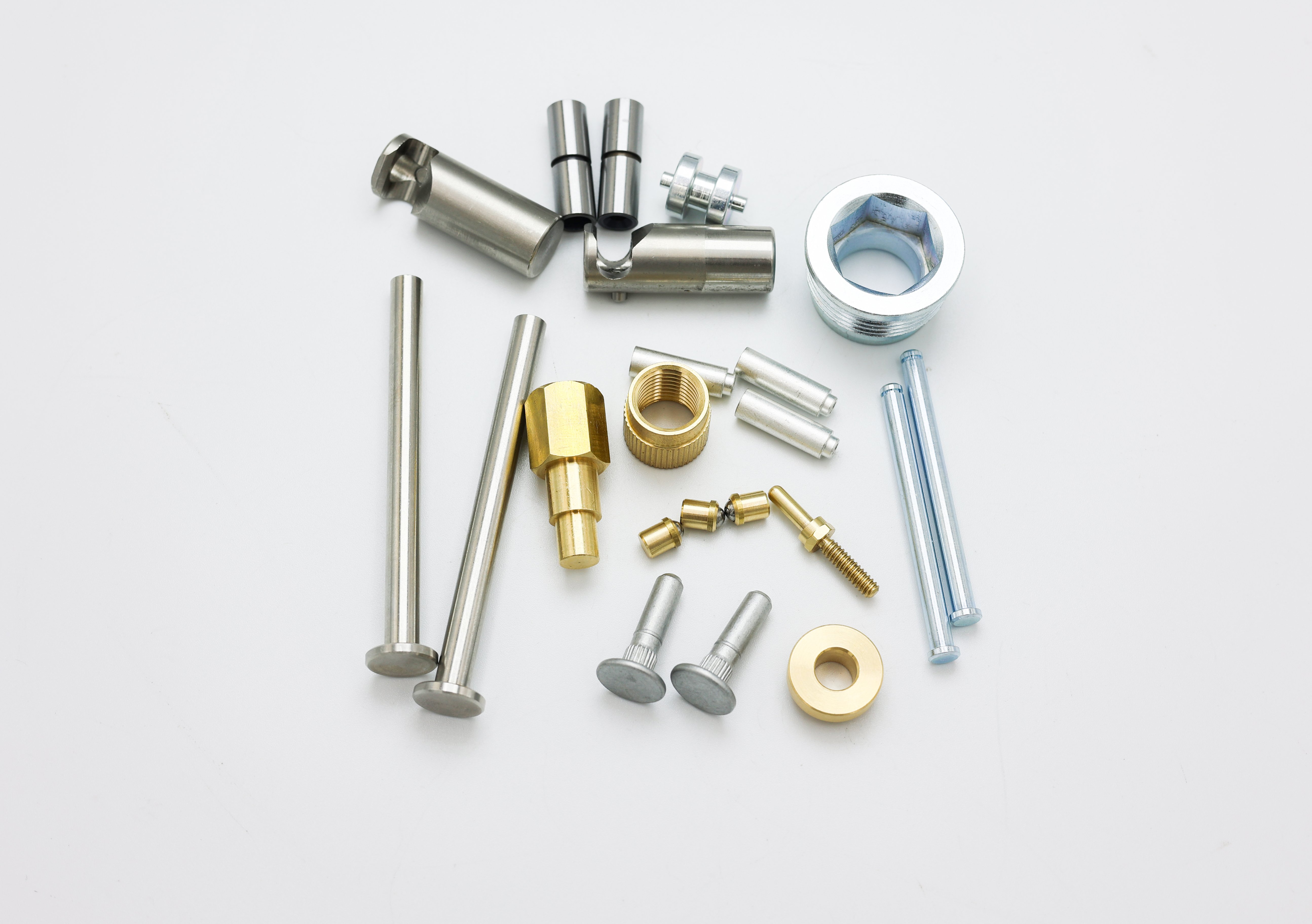
Managing multiple suppliers across CNC machining parts, springs, and molding creates operational complexity that slows production and inflates costs. As manufacturing environments grow more competitive, consolidating your sourcing strategy has become essential to building a leaner, more efficient assembly line in 2026. By bringing CNC machining parts production under fewer, better-aligned vendors, you reduce procurement overhead, improve quality consistency, and accelerate time-to-market for new products.

Consolidation is not simply about reducing supplier count. It is a strategic realignment that aligns CNC machining parts sourcing, complementary molding services, and spring manufacturing under integrated partners who understand your design requirements, volume commitments, and delivery windows. This article explores how to evaluate, select, and transition to a consolidated supplier model that strengthens your 2026 assembly line performance.
Understanding the Business Case for Consolidation
Cost Reduction Through Volume Leverage
When you consolidate CNC machining parts orders from multiple vendors into one primary relationship, you unlock volume-based pricing discounts and streamline payment terms. Fewer invoices, simplified logistics, and reduced administrative overhead translate directly to lower per-unit costs. Beyond pricing, consolidated CNC machining parts sourcing reduces duplicate tooling investments and setup fees that accumulate when splitting production across vendors.
Quality consistency improves when CNC machining parts originate from a single, well-vetted supplier rather than multiple facilities operating under different standards. A dedicated partner invested in your long-term success will prioritize process control, invest in advanced equipment, and maintain rigorous inspection protocols specifically for your specifications.
Operational Efficiency and Lead Time Reduction
Coordinating deliveries from separate suppliers for CNC machining parts, springs, and molding complicates logistics and creates bottleneck risks. Consolidating these sources into one integrated vendor enables synchronized delivery schedules, just-in-time replenishment, and reduced warehouse inventory. Your assembly line operates with tighter inventory windows, freeing capital for other investments and reducing storage costs.
Communication improves dramatically. Instead of managing separate design revisions, technical inquiries, and change orders across multiple CNC machining parts providers, you work with a single point of contact who understands your product roadmap, production constraints, and quality standards. This acceleration in decision-making and problem resolution reduces production delays.
Evaluating and Selecting the Right Consolidated Partner
Technical Capability and Equipment Assessment
Your consolidated partner must demonstrate proficiency across all three areas: CNC machining parts production, molding services, and spring manufacturing. Audit their equipment capabilities, tolerance ranges, material certifications, and production volumes. For CNC machining parts, verify they operate modern multi-axis machines, possess relevant ISO certifications, and maintain statistical process control systems that deliver consistency across batches.
Request capability statements and facility tours. Examine whether their CNC machining parts capacity can absorb your full current volume plus projected 2026 growth without compromising lead times. Confirm they stock or can source the materials and finishes your assemblies require, from aluminum and stainless steel to specialized coatings.
Supply Chain Stability and Geographic Positioning
A reliable consolidation partner provides CNC machining parts with minimal supply chain disruption. Assess their supplier network, raw material sourcing, and contingency planning. Geographically, consider whether proximity to your assembly facility reduces transportation time and costs for CNC machining parts delivery, or whether offshore sourcing with reliable logistics still offers better value despite longer lead times.
Evaluate their financial stability, management experience, and customer retention rates. Speak with existing clients about their experience with CNC machining parts quality, responsiveness, and capacity during demand spikes. A partner who has weathered supply chain disruptions and maintains customer loyalty signals resilience in your consolidated strategy.
Quality Systems and Continuous Improvement
Your partner should operate under ISO 9001 or equivalent, with documented quality management for CNC machining parts production. They should conduct regular internal audits, maintain traceability records, and demonstrate a culture of continuous improvement. Ask how they handle defect identification, corrective actions, and customer feedback for CNC machining parts and related services.
Identify whether they invest in staff training, equipment maintenance, and technological upgrades. A partner committed to innovation will help optimize your CNC machining parts designs for manufacturability, reduce waste, and introduce cost-saving techniques as material and process improvements emerge.
Implementation Strategy for Smooth Transition
Phased Integration and Pilot Production
Do not transfer all CNC machining parts production simultaneously. Begin with a pilot program involving one or two product lines to validate quality, lead times, and communication protocols. This approach allows you to refine processes, adjust specifications, and build confidence before consolidating higher-volume or mission-critical components. Monitor the pilot's performance metrics closely: defect rates, delivery compliance, and cost realization.
During pilot production, establish baseline data for your partner's CNC machining parts performance. Document cycle times, first-pass yield rates, and scrap rates. These metrics become your benchmark for ongoing performance reviews and help identify optimization opportunities as you scale consolidated sourcing across your full product portfolio.
Setting Clear Performance Standards and SLAs
Define precise service-level agreements covering delivery windows, quality acceptance criteria, and response times for CNC machining parts orders. Specify tolerance ranges, surface finish requirements, material certifications, and inspection protocols. Include escalation procedures for non-conforming parts and dispute resolution mechanisms. Clear expectations prevent misalignment and reduce friction during the transition.
Establish a quarterly business review cadence where you and your CNC machining parts partner review performance against agreed metrics, discuss upcoming volume forecasts, and identify continuous improvement initiatives. These reviews reinforce the partnership and allow both sides to address issues before they impact your assembly line.
Managing the Transition from Multiple Suppliers
Communicate transparently with outgoing suppliers to maintain relationships for potential future needs and to handle existing inventory or long-term contracts professionally. Coordinate with your new consolidated partner on equipment qualifications and tooling setup for your specific CNC machining parts specifications. Plan inventory sequencing so that new supplier CNC machining parts shipments align with consumption rates, preventing excess inventory or shortages during changeover.
Schedule production trials with the consolidated partner before full production ramp. Allow your assembly teams to validate fit, form, and function of incoming CNC machining parts. Identify any design revisions needed and incorporate them before high-volume production begins. This pre-production validation reduces scrap risk and assembly line delays during 2026 ramp-up.
Maximizing Long-Term Benefits
Technology Adoption and Process Optimization
Your consolidated partner should support digital integration, including electronic data interchange for CNC machining parts orders, real-time inventory visibility, and quality data sharing. Modern systems allow you to monitor production status, anticipate delivery dates, and address issues proactively rather than reactively. Automation in CNC machining parts ordering reduces manual entry errors and accelerates replenishment cycles.
Collaborate on design optimization using your partner's manufacturing expertise. CNC machining parts design for manufacturability initiatives can reduce cycle times, material waste, and cost. Your partner may identify alternative geometries, material selections, or finishing techniques that preserve functionality while lowering production complexity and expense.
Scaling for 2026 Production Growth
A strong consolidated partnership positions you to scale CNC machining parts production efficiently as your business grows in 2026. Communicate growth forecasts regularly so your partner can plan capacity investments, staffing, and material procurement. Predictable demand allows them to optimize CNC machining parts production schedules and avoid rush fees or capacity constraints that would otherwise inflate costs.
Build flexibility into your agreement to accommodate unexpected volume changes, new product introductions, or market shifts. A partner willing to adjust CNC machining parts production schedules within reasonable notice provides the agility your assembly line requires in dynamic markets.
FAQ
What criteria should I prioritize when selecting a partner for consolidated CNC machining parts sourcing?
Prioritize technical capability (multi-axis equipment, ISO certifications), geographic location relative to your assembly facility, financial stability, quality systems, and proven experience managing similar CNC machining parts volumes. Request customer references and conduct facility audits to verify their CNC machining parts production standards match your requirements. Also assess their capacity to grow with your 2026 projections and their willingness to invest in continuous improvement.
How long does the transition to consolidated CNC machining parts sourcing typically take?
Most transitions take three to six months when executed methodically. Begin with a pilot phase (four to eight weeks), then gradually transition product lines over the following weeks or months depending on complexity. Rushing consolidation of CNC machining parts sourcing risks quality issues and assembly line disruptions. The exact timeline depends on your product portfolio, supplier capacity, and the new partner's availability for qualification trials.
What risks should I anticipate when consolidating CNC machining parts sourcing?
Key risks include initial quality variations during ramp-up, potential capacity constraints if your CNC machining parts volumes exceed the partner's expectations, and communication gaps if roles and responsibilities are not clearly defined. Mitigate these by conducting thorough pilot testing, maintaining open communication, and establishing clear SLAs. Keep a secondary CNC machining parts source identified for contingency if disruptions occur during transition.