
 EN
EN
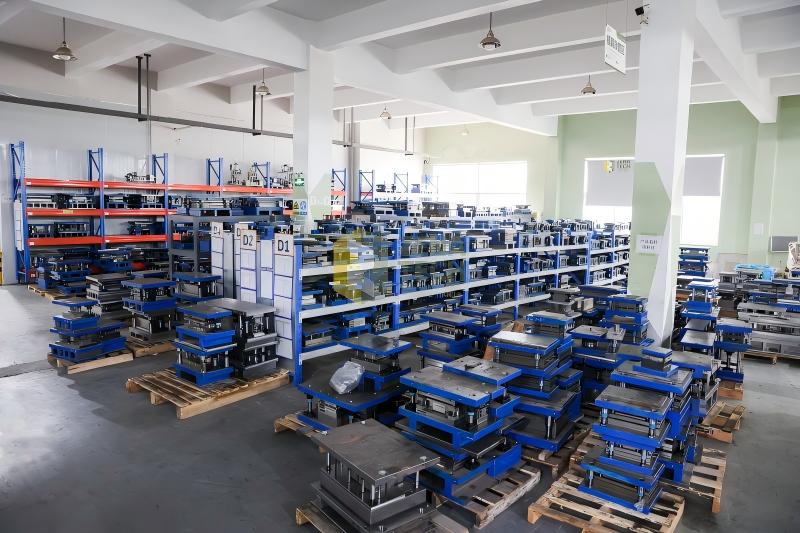
Direct Answer: How should OEM buyers audit material lot traceability in custom metal stamping?
OEM buyers should audit material lot traceability in custom metal stamping by checking whether the supplier can connect each batch of stamped parts to a specific coil or sheet lot, material certificate, incoming inspection record, first-piece approval, in-process inspection data, and shipment record. A reliable stamping supplier should be able to trace quality problems back to the material lot, tooling setup, press run, and inspection history.
Material lot traceability is one of the most important quality controls in custom metal stamping because small changes in material thickness, hardness, coating, surface condition, and grain direction can change how a part cuts, bends, forms, and stays flat. A stamped part may look simple, but the material behind it can decide whether burrs, cracks, springback, plating issues, and dimensional drift appear during mass production.
Zhengna Technology supports custom metal stamping projects for OEM components such as brackets, clips, washers, terminals, shielding parts, connectors, and structural metal parts. For buyers, material traceability is not paperwork for its own sake. It is the evidence chain that explains why one production batch stayed stable and why another batch may need containment, recheck, or corrective action.
Why material lot traceability matters for stamped parts
Material lot traceability matters because metal stamping depends on repeatable material behavior. If a supplier cannot identify which coil or sheet lot was used, the buyer may not know whether a quality issue came from the material, the tooling, the press setup, or the inspection process.
Common stamping risks linked to material lot changes include:
- Burr height variation after coil hardness changes.
- Flatness drift after stress release during cutting or forming.
- Cracking near bends when elongation or hardness is outside the expected range.
- Springback changes after material thickness or temper variation.
- Plating or coating problems caused by surface condition differences.
- Hole position or forming-angle instability when material feeds or forms differently.
- Mixed-lot risk when parts from different material batches are packed together without traceability.
For OEM buyers, material lot traceability protects both quality and problem-solving speed. When a defect appears, the supplier should be able to isolate suspect parts instead of treating the entire shipment as unknown risk.
What a stamping supplier should trace
A stamping supplier should trace the material from incoming receipt through production and shipment. The traceability chain does not need to be complicated, but it must be reliable and usable when a problem appears.
| Traceability item | What buyers should check | Why it matters |
| Material certificate | Does the certificate match the material grade, thickness, standard, and lot number? | Confirms that the purchased material matches the drawing and purchase requirement. |
| Coil or sheet lot number | Can finished parts be linked to the exact coil or sheet lot? | Allows suspect parts to be isolated when a material-related defect appears. |
| Incoming inspection | Are thickness, appearance, hardness, or coating checks recorded when needed? | Catches obvious material variation before stamping begins. |
| First-piece approval | Is first-piece inspection repeated after a material lot change? | Confirms that the new material lot still forms and cuts correctly. |
| Production record | Can the supplier link material lot, die, press, operator, and production time? | Helps separate material issues from tooling or setup issues. |
| Shipment record | Can packed parts be linked back to production and material records? | Supports recall, containment, and customer complaint analysis. |
Material checks buyers should expect before stamping
Before stamping begins, the supplier should confirm that the material is suitable for the drawing and process. This is especially important for parts with tight tolerances, bending, forming, surface requirements, plating, or assembly-critical features.
Useful incoming checks include:
1. Certificate review
The supplier should confirm material grade, standard, thickness, heat number or lot number, mechanical properties, and surface treatment.
2. Thickness check
Material thickness affects die clearance, burr height, forming pressure, bend allowance, and final dimensions.
3. Surface inspection
Surface scratches, rust, coating variation, oil condition, or contamination can affect appearance, plating, assembly, and tool life.
4. Hardness or mechanical property check
Hardness and strength influence edge quality, springback, cracking risk, and forming stability.
5. Lot separation
Different material lots should not be mixed without a clear production and packing record.
When first-piece inspection should be repeated
First-piece inspection should be repeated whenever a material lot change can affect the stamped part. A buyer should not assume that one first-piece approval covers all future material lots.
Material-related first-piece rechecks are especially important when:
- A new coil or sheet lot is loaded.
- The material supplier changes.
- The certificate shows a different hardness or mechanical property range.
- The part has critical burr, flatness, bending, or springback requirements.
- A defect appears after an apparently normal setup.
- The stamping process uses progressive die stations where small variation can repeat quickly.
For high-volume progressive die stamping, the supplier should treat a material lot change as a controlled process event. The strongest suppliers connect material records, first-piece approval, and in-process inspection in one traceable system.
How material lot problems show up in production
Material lot problems often look like tooling or setup problems at first. That is why traceability matters. Without material records, the supplier may adjust the die or press repeatedly without finding the real cause.
| Production symptom | Possible material-related cause | Buyer audit question |
| Burrs increase suddenly | Hardness or thickness changed | Was the coil lot changed before burrs increased? |
| Flatness becomes unstable | Internal stress or grain direction changed | Does the supplier record material orientation and lot change timing? |
| Cracks appear near bends | Elongation or hardness is outside expected range | Was hardness or mechanical property reviewed before production? |
| Bend angle drifts | Springback changed | Was first-piece inspection repeated after material change? |
| Surface defects appear | Coil surface, oil, coating, or handling changed | Are incoming surface checks recorded? |
| Mixed defect pattern | Parts from different lots were mixed | Can shipment cartons be traced to production lots? |
Supplier audit checklist
OEM buyers can use the following checklist when auditing a custom metal stamping supplier:
- Can the supplier show material certificates for recent production lots?
- Do certificate details match the drawing and purchase requirement?
- Are coil or sheet lot numbers recorded before stamping?
- Are incoming material checks documented when the part is quality-sensitive?
- Is first-piece inspection repeated after material lot changes?
- Are production records linked to die number, press, operator, time, and material lot?
- Can finished cartons be traced back to the production and material records?
- Are suspect parts separated when a material-related defect appears?
- Does the supplier have a reaction plan for burr, flatness, cracking, or springback changes?
- Can the supplier explain whether a defect came from material, tooling, setup, or handling?
What good traceability looks like in a buyer complaint
Good traceability becomes most valuable when something goes wrong. If an OEM buyer reports burrs, cracks, flatness drift, or assembly failure, the supplier should be able to respond with evidence instead of guesses.
A strong response should identify:
- Which shipment and cartons are affected.
- Which production date, press, die, and operator were involved.
- Which material lot was used.
- Whether other material lots were used in the same shipment.
- Whether first-piece and in-process inspections were acceptable.
- Whether the same defect appears in retained samples or inventory.
- Which containment and corrective actions are needed.
This type of response reduces buyer risk. It also shows that the supplier controls production as a system, not as isolated operations.
How Zhengna Technology supports traceable stamping production
Zhengna Technology supports custom metal stamping with supplier-audit thinking: material review, tooling setup control, first-piece inspection, in-process inspection, and shipment quality checks. For OEM projects, traceability helps connect the drawing requirement to real production behavior across material lots, press runs, and repeat orders.
For buyers sourcing stamping parts in China, the strongest supplier is not only the one that can make a good sample. The stronger supplier is the one that can explain why the sample is repeatable, how material changes are controlled, and how a quality issue would be traced if it happened.
FAQ
What is material lot traceability in metal stamping?
Material lot traceability in metal stamping means the supplier can connect finished stamped parts to the exact coil or sheet lot, material certificate, incoming inspection record, production run, inspection record, and shipment record.
Why does material lot traceability matter for OEM stamping parts?
Material lot traceability matters because material variation can affect burrs, flatness, cracks, springback, surface quality, plating, and dimensional stability. Traceability helps buyers and suppliers isolate problems quickly.
Should first-piece inspection be repeated after a material lot change?
Yes. First-piece inspection should usually be repeated after a material lot change when the part has critical dimensions, burr requirements, flatness requirements, bends, forming features, or assembly-sensitive surfaces.
What documents should a stamping supplier keep for material traceability?
A stamping supplier should keep material certificates, incoming inspection records, coil or sheet lot records, production records, first-piece reports, in-process inspection data, packing records, and shipment records.
How can buyers audit traceability during a supplier visit?
Buyers can choose one recent stamped part and ask the supplier to trace it backward from finished carton to production record, press run, die number, material lot, material certificate, and incoming inspection record.