Steel Torsion Springs: Superior Rotational Force Solutions for Industrial and Commercial Applications

All Categories

Get a Free Quote

Our representative will contact you soon.
Email
Mobile/WhatsApp
Name
Company Name
Message
0/1000

steel torsion spring

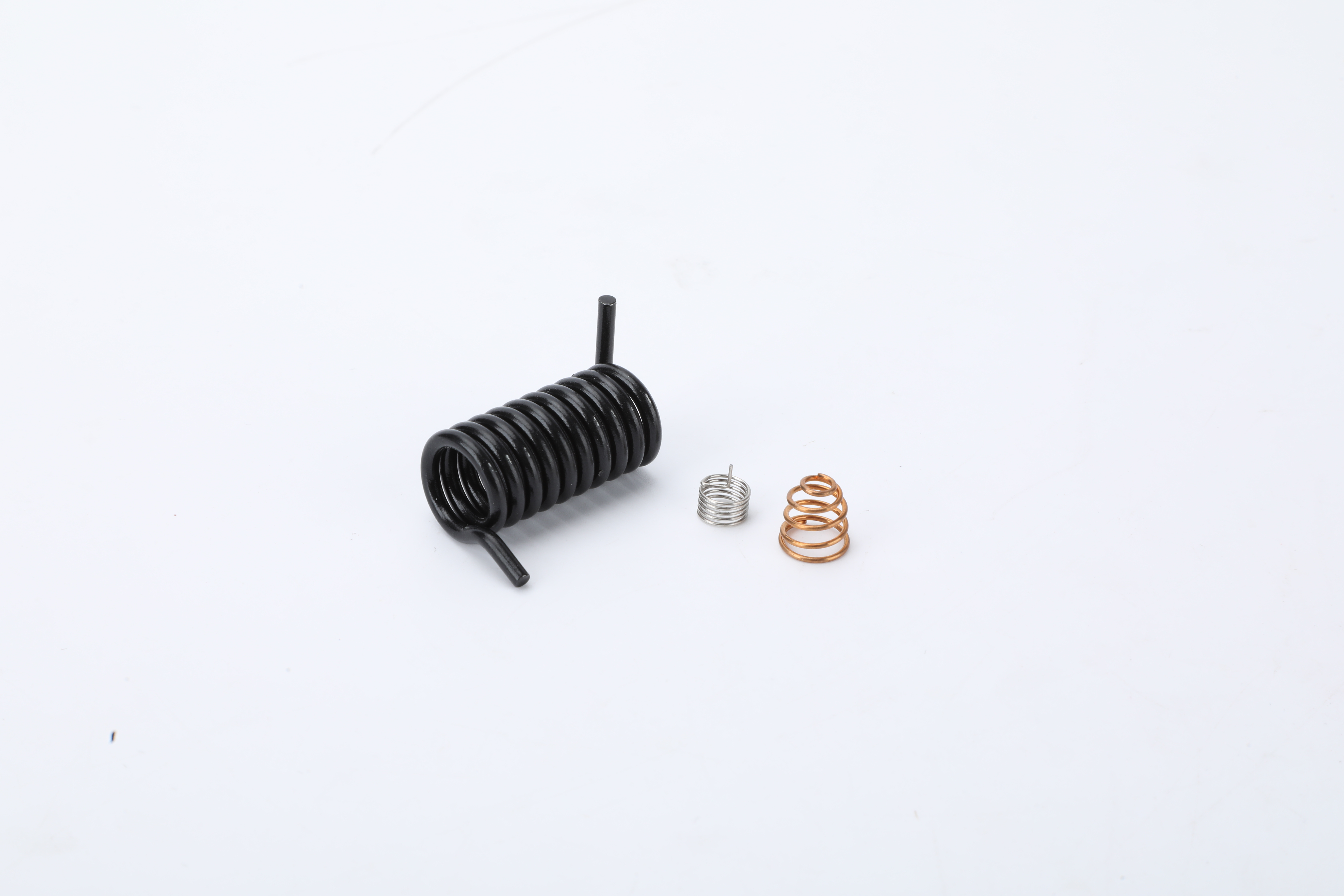
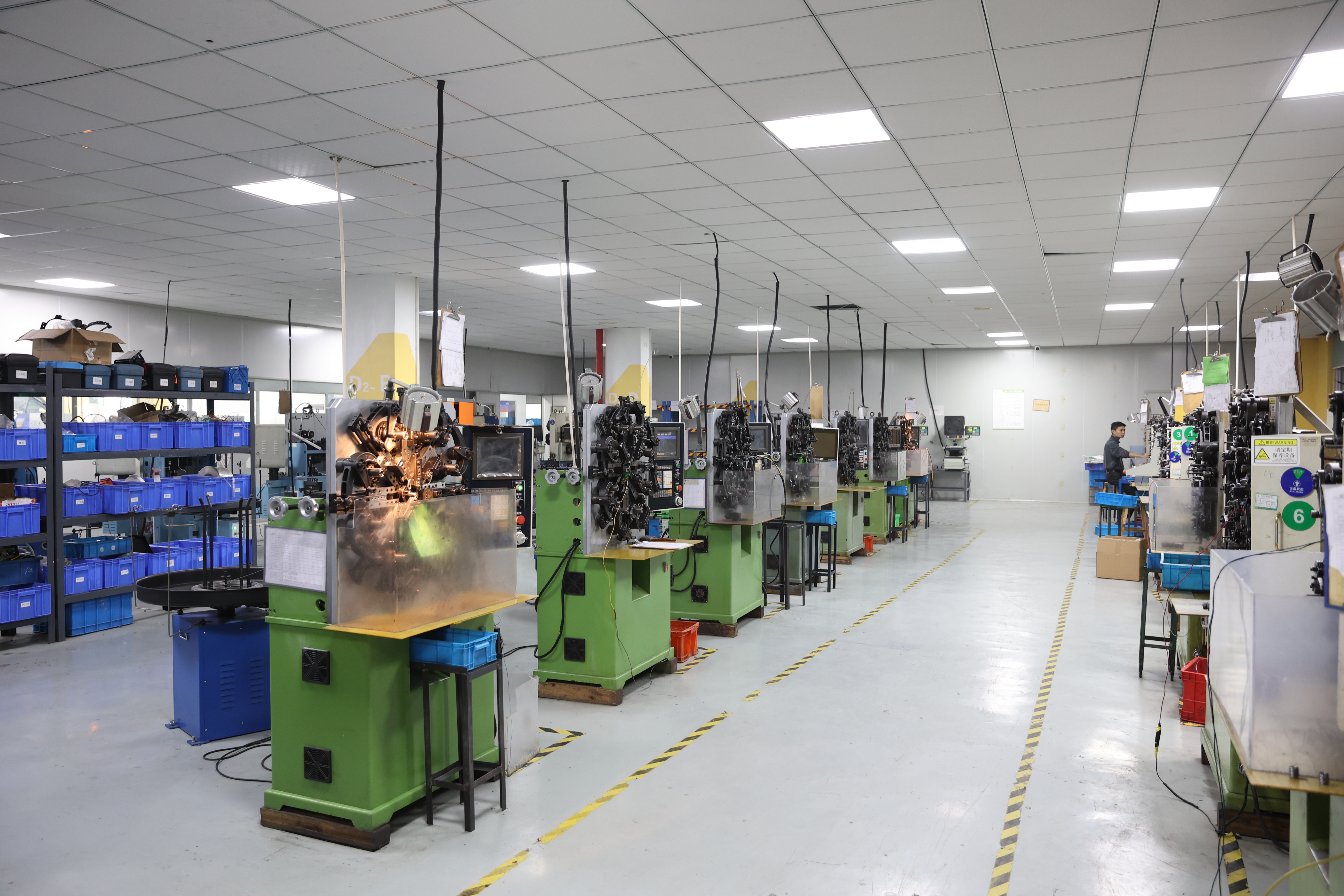
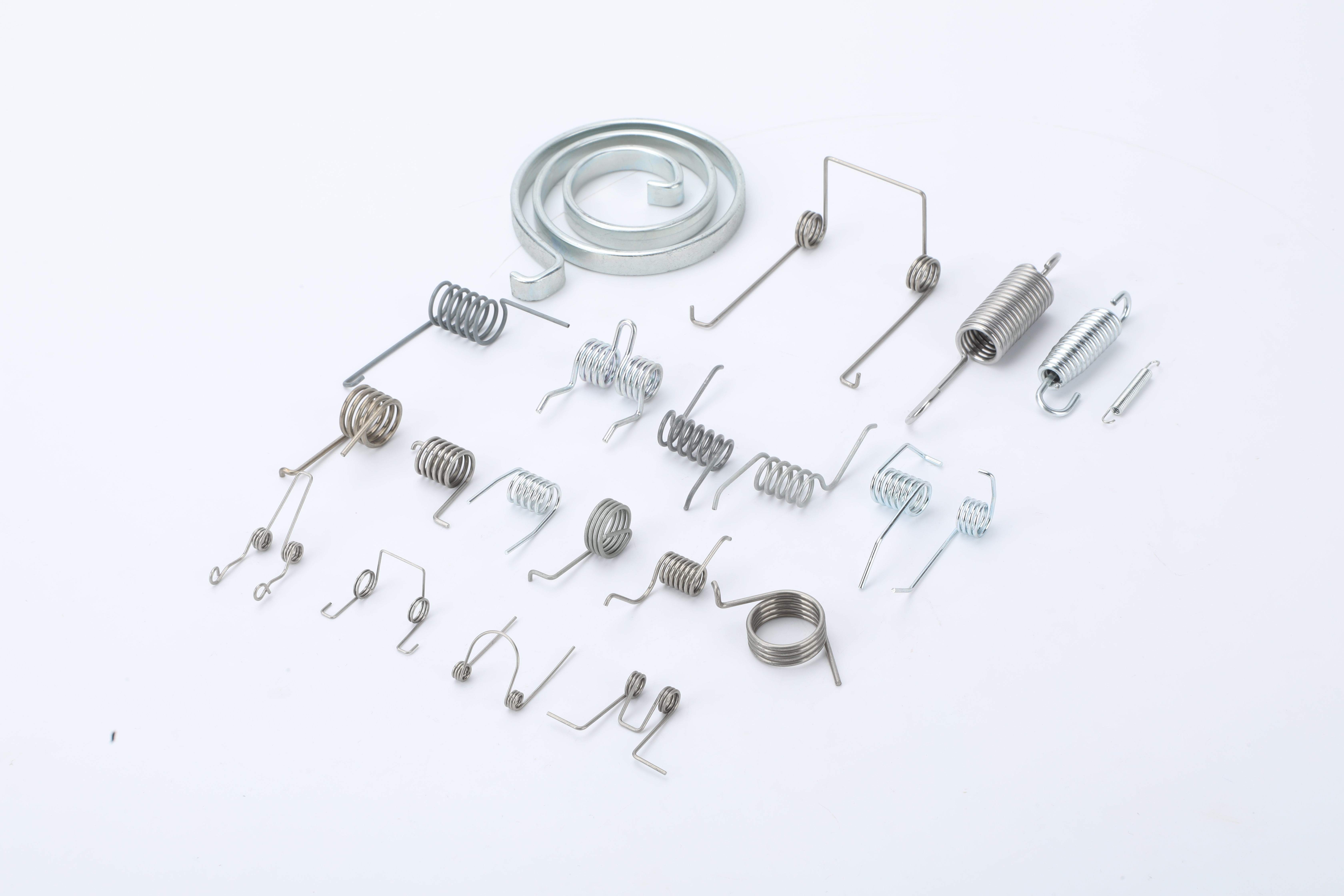
A steel torsion spring represents a sophisticated mechanical component engineered to store and release rotational energy through controlled angular displacement. These springs operate on the fundamental principle of torsional stress, where the steel material undergoes twisting deformation when subjected to torque forces. The steel torsion spring configuration consists of a helical coil that generates resistance proportional to the applied rotational force, making it an essential element in countless mechanical applications. The primary function of a steel torsion spring involves providing controlled rotational resistance while maintaining consistent performance across extended operational cycles. These components excel in applications requiring precise angular positioning, controlled rotation damping, and reliable energy storage capabilities. The steel construction ensures exceptional durability and resistance to fatigue failure under repetitive loading conditions. Technological features of steel torsion springs include customizable spring rates, varied wire diameters, and adjustable coil configurations to meet specific application requirements. Advanced manufacturing techniques allow for precise control over spring characteristics such as torque output, angular deflection limits, and operational temperature ranges. The steel material selection enables these springs to maintain their mechanical properties across diverse environmental conditions while providing consistent performance throughout their service life. Steel torsion springs find extensive applications across automotive systems, industrial machinery, consumer electronics, and aerospace components. In automotive applications, these springs serve critical functions in door mechanisms, trunk latches, and suspension systems where controlled rotational movement is essential. Industrial machinery utilizes steel torsion springs for counterbalancing mechanisms, positioning systems, and automated equipment where precise angular control is required. The versatility of steel torsion spring designs allows for integration into compact spaces while delivering powerful rotational forces when needed.
Popular Products

Steel torsion springs deliver exceptional performance benefits that make them the preferred choice for demanding mechanical applications. The primary advantage lies in their superior strength-to-weight ratio, which allows these components to generate substantial torque forces while maintaining compact dimensions. This characteristic proves invaluable in space-constrained applications where powerful rotational forces are required without compromising design aesthetics or functionality. The steel construction provides outstanding resistance to environmental factors including moisture, temperature fluctuations, and chemical exposure, ensuring reliable operation across diverse operating conditions. Manufacturing steel torsion springs using high-quality steel alloys results in components that maintain their mechanical properties over extended periods, reducing maintenance requirements and operational costs. These springs demonstrate excellent fatigue resistance, capable of withstanding millions of operational cycles without significant degradation in performance characteristics. The predictable load characteristics of steel torsion springs enable engineers to design systems with precise control over rotational forces and angular positioning. This predictability translates directly into improved system reliability and enhanced user experience in consumer applications. Steel torsion springs offer remarkable design flexibility, allowing customization of spring rates, dimensions, and mounting configurations to match specific application requirements. This adaptability enables manufacturers to optimize their designs for performance, cost-effectiveness, and manufacturing efficiency. The cost-effectiveness of steel torsion springs compared to alternative rotational control mechanisms makes them attractive for high-volume production applications. Their simple design and proven manufacturing processes result in consistent quality and competitive pricing. Installation and replacement procedures for steel torsion springs are straightforward, minimizing downtime and maintenance costs throughout the product lifecycle. The standardized specifications and readily available materials ensure supply chain stability and reduced procurement risks for manufacturers. Steel torsion springs provide consistent performance characteristics across their operational temperature range, maintaining torque output and spring rates within acceptable tolerances. This thermal stability proves essential in applications exposed to varying environmental conditions where performance consistency is critical for proper system operation.

Practical Tips

How To Determine The Chemical Stability Of Materials

10

Mar

How To Determine The Chemical Stability Of Materials

View More
Automotive Armrest Slide Rail Production Factory: The Cradle of Quality and Innovation

10

Mar

Automotive Armrest Slide Rail Production Factory: The Cradle of Quality and Innovation

View More
Testing Standards For Corrosion Resistance Of Automotive Parts

10

Mar

Testing Standards For Corrosion Resistance Of Automotive Parts

View More

Get a Free Quote

Our representative will contact you soon.
Email
Mobile/WhatsApp
Name
Company Name
Message
0/1000

steel torsion spring

Exceptional Durability and Longevity Performance

Exceptional Durability and Longevity Performance

The outstanding durability characteristics of steel torsion springs stem from their advanced metallurgical composition and precision manufacturing processes. High-carbon steel alloys used in these springs undergo specialized heat treatment procedures that enhance their resistance to stress corrosion, fatigue failure, and dimensional instability over time. This superior durability translates directly into extended service life, often exceeding industry standards by significant margins. The steel torsion spring construction incorporates carefully controlled grain structures that distribute stress evenly throughout the material, preventing localized failure points that could compromise overall performance. Advanced surface finishing techniques further enhance durability by creating protective barriers against environmental contaminants while maintaining optimal surface characteristics for consistent operation. The longevity benefits extend beyond simple operational life, encompassing maintained performance characteristics throughout the entire service period. Unlike alternative materials that may experience gradual degradation in spring rates or torque output, properly manufactured steel torsion springs maintain their specified characteristics with minimal deviation over millions of operational cycles. This consistency proves invaluable in precision applications where even minor performance variations could impact overall system functionality. The economic benefits of enhanced durability include reduced replacement costs, minimized maintenance schedules, and improved system reliability. Manufacturers benefit from reduced warranty claims and enhanced customer satisfaction when incorporating high-quality steel torsion springs into their products. The predictable lifespan characteristics enable accurate lifecycle cost calculations and maintenance planning, contributing to improved operational efficiency and budget management. Furthermore, the robust construction of steel torsion springs allows them to withstand occasional overload conditions without permanent damage, providing an inherent safety margin that protects both the spring and surrounding components from unexpected stress events.
Precise Force Control and Customization Capabilities

Precise Force Control and Customization Capabilities

Steel torsion springs excel in providing precise force control through their inherent design characteristics and extensive customization options. The relationship between applied torque and angular deflection follows predictable mathematical principles, enabling engineers to calculate exact spring specifications required for specific applications. This precision proves essential in applications requiring controlled rotational resistance, such as adjustable mechanisms, positioning systems, and counterbalancing devices. The steel torsion spring design allows for fine-tuning of force characteristics through modifications to wire diameter, coil geometry, and material properties. Advanced manufacturing capabilities enable production of springs with tightly controlled tolerances, ensuring consistent performance across production batches. The customization possibilities extend to specialized configurations including variable pitch coils, progressive spring rates, and asymmetrical designs that address unique application requirements. Engineers can specify exact torque curves to match their system needs, optimizing performance while minimizing energy consumption and mechanical stress. The precision force control characteristics of steel torsion springs enable sophisticated feedback systems and automated positioning mechanisms that rely on predictable spring behavior. This reliability proves crucial in applications ranging from precision instrumentation to heavy industrial machinery where accurate force application directly impacts operational success. Quality control procedures throughout the manufacturing process ensure that each steel torsion spring meets specified force requirements within narrow tolerance bands. Advanced testing equipment verifies spring characteristics before delivery, providing documentation of performance parameters that engineers can rely upon during system design and integration. The ability to create custom force profiles through innovative coil configurations opens new possibilities for product designers seeking to optimize user interfaces and mechanical systems. This flexibility allows for solutions that would be impractical or impossible with standard spring configurations, providing competitive advantages in demanding applications.
Versatile Application Integration and Space Efficiency

Versatile Application Integration and Space Efficiency

The remarkable versatility of steel torsion springs enables seamless integration across diverse applications while maximizing space efficiency in modern design constraints. These components adapt readily to various mounting configurations, installation orientations, and operational environments without requiring extensive modifications to existing systems. The compact coil design of steel torsion springs allows engineers to incorporate powerful rotational forces into confined spaces where alternative mechanisms would prove impractical or impossible. This space efficiency becomes increasingly important as products trend toward miniaturization while maintaining or improving functional capabilities. The steel torsion spring design accommodates multiple mounting methods including direct attachment to rotating shafts, fixed housing installations, and floating configurations that provide flexibility in system layout and assembly procedures. Installation procedures remain straightforward regardless of application complexity, reducing manufacturing time and assembly costs while maintaining consistent quality standards. The universal nature of steel torsion spring interfaces enables standardization across product lines, simplifying inventory management and reducing procurement complexity for manufacturers. Standard connection methods and dimensional specifications facilitate interchangeability between different spring configurations, providing design flexibility and supply chain advantages. Integration capabilities extend to electronic systems where steel torsion springs can work in conjunction with sensors, actuators, and control systems to create sophisticated automated mechanisms. The predictable mechanical characteristics enable precise calibration of electronic controls, resulting in responsive and accurate system behavior that enhances user experience and operational efficiency. The environmental adaptability of steel torsion springs allows for integration in challenging conditions including high-temperature applications, corrosive environments, and high-vibration installations where other spring types might fail prematurely. This versatility expands the range of potential applications while reducing the need for specialized protective measures or alternative component selections.

Get a Free Quote

Our representative will contact you soon.
Email
Mobile/WhatsApp
Name
Company Name
Message
0/1000