Axial Torsion Springs: Precision Rotational Control Solutions for Industrial Applications

All Categories

Get a Free Quote

Our representative will contact you soon.
Email
Mobile/WhatsApp
Name
Company Name
Message
0/1000

axial torsion spring

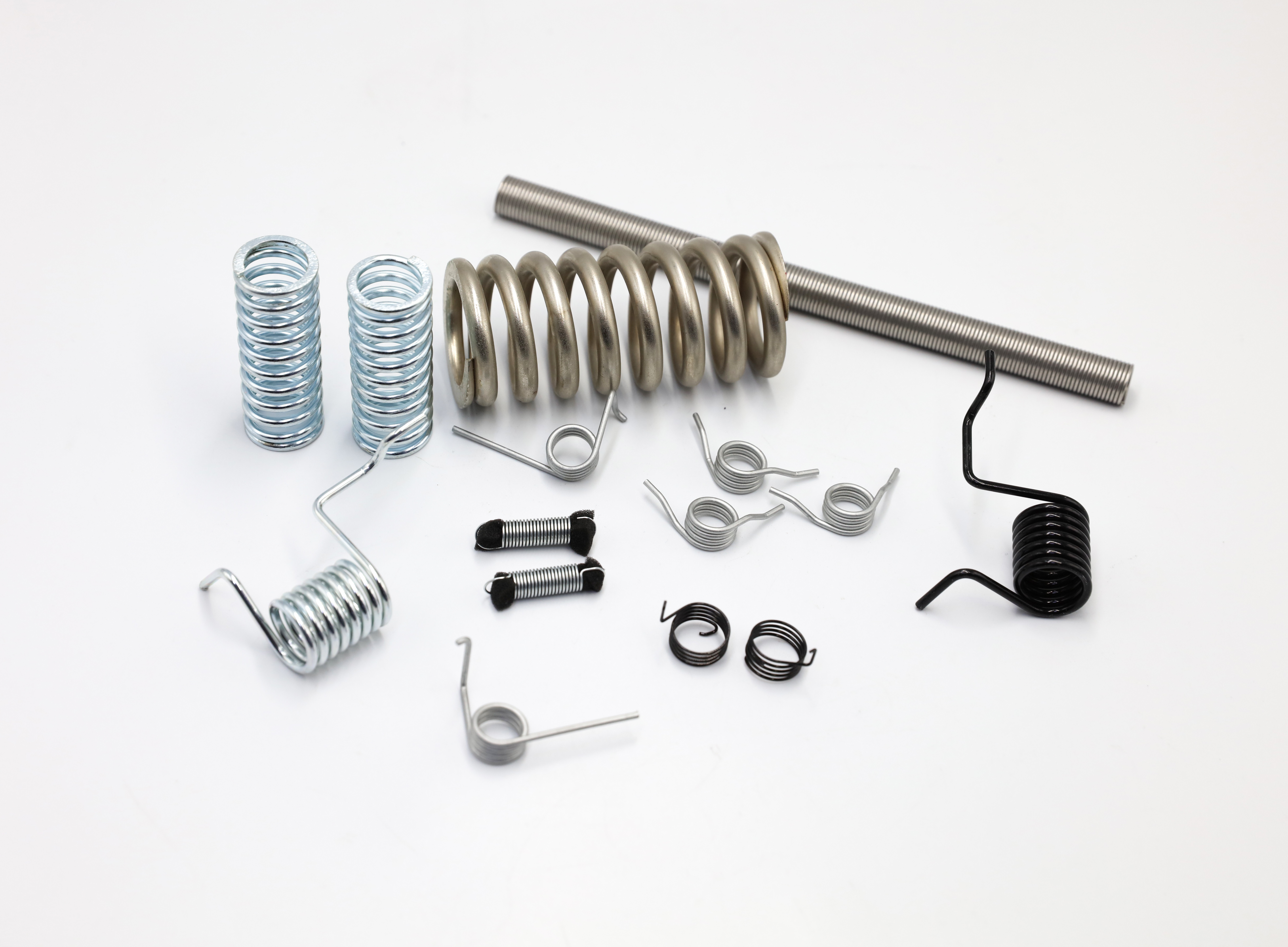
The axial torsion spring represents a sophisticated mechanical component engineered to store and release rotational energy through elastic deformation. This specialized spring operates by absorbing torque applied around its central axis and returning this stored energy when the applied force is removed. The fundamental design of an axial torsion spring incorporates a helical coil structure where the wire is wound in a precise configuration to maximize torsional strength while maintaining consistent performance characteristics. Unlike conventional compression or extension springs that work linearly, the axial torsion spring functions rotationally, making it indispensable for applications requiring controlled angular movement. The spring's primary function centers on providing consistent rotational resistance and energy storage across a predetermined angular range. This capability makes it essential for countless mechanical systems where precise torque control is paramount. The technological features of an axial torsion spring include carefully calculated wire diameter, coil pitch, and material composition to achieve optimal spring rate and durability. Advanced manufacturing techniques ensure uniform stress distribution throughout the spring body, preventing premature failure and extending operational life. The spring's ends typically feature specialized configurations such as straight torsion arms, hooks, or loops that facilitate proper mounting and load transfer within mechanical assemblies. Modern axial torsion springs utilize high-grade steel alloys, stainless steel, or specialized materials like music wire to achieve superior fatigue resistance and corrosion protection. Applications for axial torsion springs span numerous industries including automotive systems, industrial machinery, consumer electronics, and precision instruments. In automotive applications, these springs provide essential functions in throttle bodies, fuel injection systems, and various actuators. Industrial machinery relies on axial torsion springs for valve actuators, conveyor systems, and automated manufacturing equipment. The precision and reliability of axial torsion springs make them crucial components in applications where consistent performance and long-term durability are non-negotiable requirements.

New Product Releases

The axial torsion spring delivers exceptional value through its superior torque control capabilities that outperform traditional mechanical alternatives. This precise control allows manufacturers to achieve consistent rotational movement in their products, eliminating the unpredictability often associated with other spring types. Users benefit from smooth, reliable operation that translates directly into improved product performance and customer satisfaction. The spring's ability to maintain consistent torque throughout its operational range ensures that mechanical systems perform optimally from the first use through thousands of operational cycles. Space efficiency represents another significant advantage that makes the axial torsion spring particularly attractive for modern design applications. Unlike bulky mechanical actuators or complex gear systems, these springs provide substantial rotational force within a compact footprint. This space-saving characteristic enables engineers to create sleeker, more efficient designs while maintaining or improving functionality. The reduced space requirements also contribute to cost savings in material usage and manufacturing complexity, making products more economically viable for mass production. Durability stands as a cornerstone advantage of axial torsion springs, offering exceptional longevity that reduces maintenance costs and downtime. The carefully engineered stress distribution throughout the spring structure prevents localized wear patterns that typically cause premature failure in other mechanical components. This enhanced durability translates into lower total cost of ownership for end users, as replacement intervals are significantly extended compared to alternative solutions. The spring's resistance to fatigue ensures consistent performance over millions of cycles, making it ideal for high-frequency applications. Customization flexibility provides manufacturers with the ability to tailor axial torsion springs to meet specific application requirements without compromising performance or reliability. Engineers can adjust wire diameter, coil dimensions, material selection, and end configurations to achieve precise spring rates and fit requirements. This adaptability eliminates the need for costly redesigns or compromises in system performance, allowing for optimal integration into existing or new product designs. The wide range of available materials, including specialized alloys for extreme environments, ensures that axial torsion springs can perform reliably across diverse operating conditions including high temperatures, corrosive environments, and demanding mechanical stress situations.

Tips And Tricks

Automotive Armrest Slide Rail Production Factory: The Cradle of Quality and Innovation

10

Mar

Automotive Armrest Slide Rail Production Factory: The Cradle of Quality and Innovation

View More
How To Choose Appropriate Automotive Parts According To Testing Standards

10

Mar

How To Choose Appropriate Automotive Parts According To Testing Standards

View More

Get a Free Quote

Our representative will contact you soon.
Email
Mobile/WhatsApp
Name
Company Name
Message
0/1000

axial torsion spring

Precision Torque Control Technology

Precision Torque Control Technology

The axial torsion spring incorporates advanced engineering principles that deliver unmatched precision in torque control applications, setting it apart from conventional rotational mechanisms. This precision stems from the spring's carefully calculated geometric parameters, including wire diameter, coil pitch, and active coil count, which work in harmony to produce a linear torque-to-angle relationship. Unlike pneumatic or hydraulic systems that can experience pressure fluctuations or mechanical linkages prone to backlash, the axial torsion spring provides immediate, predictable response to applied loads. This instantaneous response capability makes it invaluable in applications requiring precise positioning or controlled rotational movement. The spring's inherent mechanical advantage eliminates the need for complex control systems or feedback mechanisms, reducing overall system complexity while improving reliability. Manufacturing precision ensures that each axial torsion spring meets exact specifications, with minimal variation between units, enabling consistent performance across production runs. Advanced quality control processes verify that spring rates fall within tight tolerances, guaranteeing predictable behavior in end applications. This level of precision translates directly into improved product quality for manufacturers who integrate these springs into their designs. The controlled energy release characteristics of the axial torsion spring enable smooth, controlled motion that eliminates jarring or sudden movements that could damage sensitive components or create unpleasant user experiences. The spring's ability to provide consistent torque throughout its deflection range ensures that mechanical systems maintain optimal performance regardless of operating position. This consistency is particularly valuable in applications such as throttle controls, where smooth, predictable response is essential for proper operation. The precision control offered by axial torsion springs also contributes to energy efficiency, as the spring only stores and releases the exact amount of energy required for each operation, minimizing waste and reducing power consumption in motorized systems.
Compact Design with Maximum Efficiency

Compact Design with Maximum Efficiency

The axial torsion spring achieves remarkable space efficiency by delivering substantial rotational force within an exceptionally compact package, making it the ideal solution for modern design challenges where space constraints are critical. This efficiency stems from the spring's optimized helical geometry, which maximizes material utilization while minimizing overall dimensions. Unlike bulky actuators or complex gear systems that require significant mounting space and support structures, the axial torsion spring integrates seamlessly into tight spaces without compromising performance. The spring's coaxial design allows it to nest within existing mechanical assemblies, often utilizing otherwise unused space around rotating shafts or within cylindrical housings. This space-saving characteristic becomes particularly valuable in applications such as automotive components, where every cubic inch of space represents significant cost and weight considerations. The compact design also contributes to reduced material usage in surrounding structures, as the spring requires minimal support hardware compared to alternative solutions. Weight reduction represents another significant benefit of the axial torsion spring's efficient design, as the spring itself adds minimal mass to the overall system while providing substantial functional benefits. This weight efficiency is particularly important in applications where overall system weight affects performance, such as aerospace components or portable equipment. The spring's high strength-to-weight ratio ensures that rotational force requirements are met without adding unnecessary bulk to the final product. Installation simplicity further enhances the efficiency advantages of axial torsion springs, as they typically require only basic mounting provisions compared to complex actuator systems that need multiple mounting points, supply lines, or electrical connections. This installation simplicity reduces assembly time and labor costs while minimizing potential failure points in the overall system. The spring's self-contained operation eliminates the need for external power sources, control systems, or maintenance schedules, further contributing to the overall efficiency of systems that incorporate these components. Manufacturing efficiency benefits also extend to products utilizing axial torsion springs, as the springs can often be installed during standard assembly processes without requiring specialized tools or procedures.
Superior Material Engineering and Longevity

Superior Material Engineering and Longevity

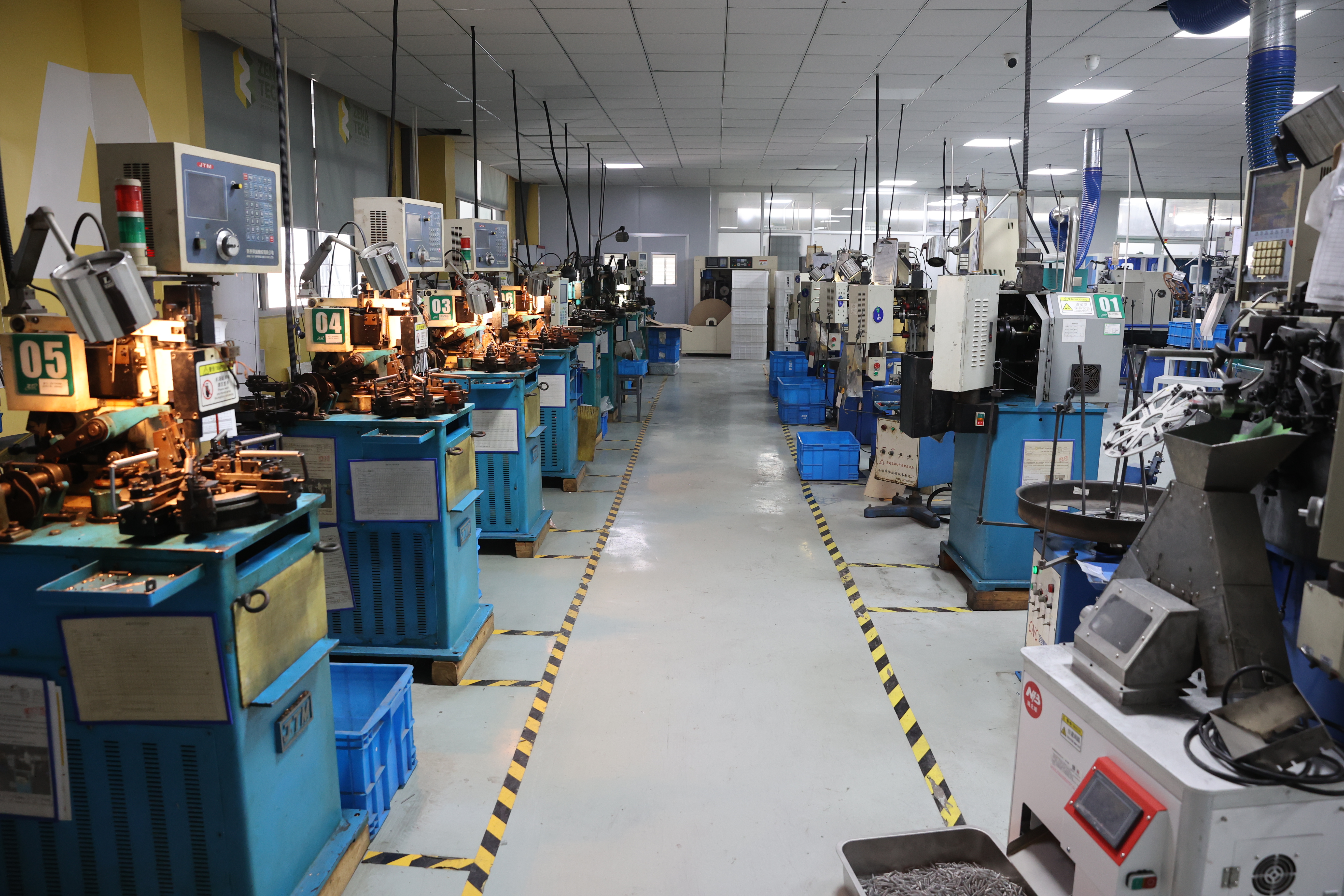
The axial torsion spring represents the pinnacle of material engineering, incorporating advanced metallurgy and heat treatment processes that deliver exceptional longevity and performance consistency across millions of operational cycles. The selection of premium spring steel alloys, including high-carbon steel, stainless steel, and specialized music wire, provides the foundation for superior fatigue resistance and mechanical properties. These materials undergo precise heat treatment processes that optimize the molecular structure for maximum elastic performance while maintaining excellent resistance to stress relaxation over time. The careful balance of hardness and ductility achieved through controlled heat treatment ensures that the spring can withstand repeated loading cycles without experiencing the work hardening or stress concentration issues that plague inferior materials. Advanced surface treatments, including shot peening and specialized coatings, further enhance the spring's resistance to fatigue failure by creating compressive stress layers that inhibit crack propagation. This attention to material engineering translates directly into extended service life that far exceeds conventional alternatives, reducing replacement costs and minimizing system downtime. The superior corrosion resistance of properly selected materials ensures that axial torsion springs maintain their performance characteristics even in challenging environmental conditions, including exposure to moisture, chemicals, and temperature extremes. Stainless steel variants provide exceptional corrosion resistance for applications in marine, food processing, or chemical environments, while specialized coatings can provide additional protection for extreme conditions. The springs' resistance to environmental degradation eliminates the performance deterioration commonly experienced with other mechanical components, ensuring consistent operation throughout their extended service life. Quality assurance processes verify that each spring meets stringent material specifications and performance requirements before shipment, providing customers with confidence in long-term reliability. Comprehensive testing protocols evaluate fatigue life, spring rate consistency, and environmental resistance to ensure that each axial torsion spring will perform reliably in its intended application. The investment in superior materials and manufacturing processes results in total cost savings for end users, as the extended service life and consistent performance eliminate the hidden costs associated with frequent replacements, system downtime, and maintenance requirements that plague inferior alternatives.
Get a Free Quote

Our representative will contact you soon.
Email
Mobile/WhatsApp
Name
Company Name
Message
0/1000