Custom Torsion Springs - Precision Engineered Solutions for Industrial Applications

All Categories

Get a Free Quote

Our representative will contact you soon.
Email
Mobile/WhatsApp
Name
Company Name
Message
0/1000

custom torsion springs

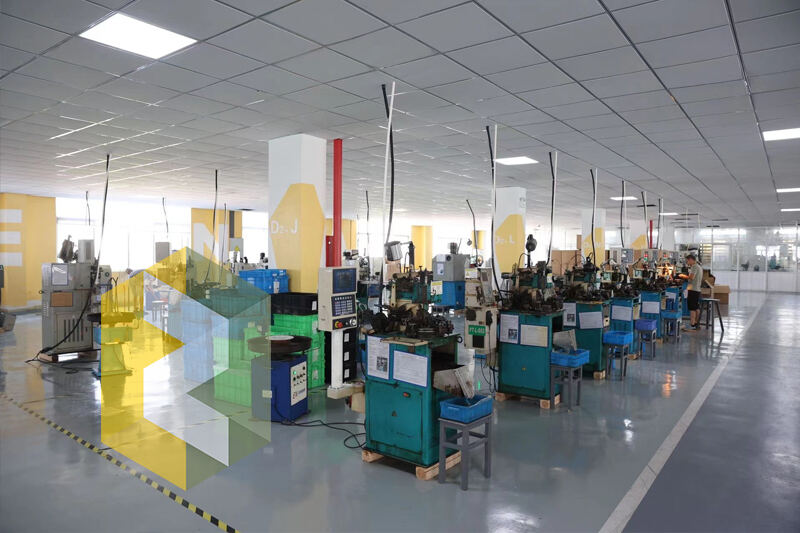
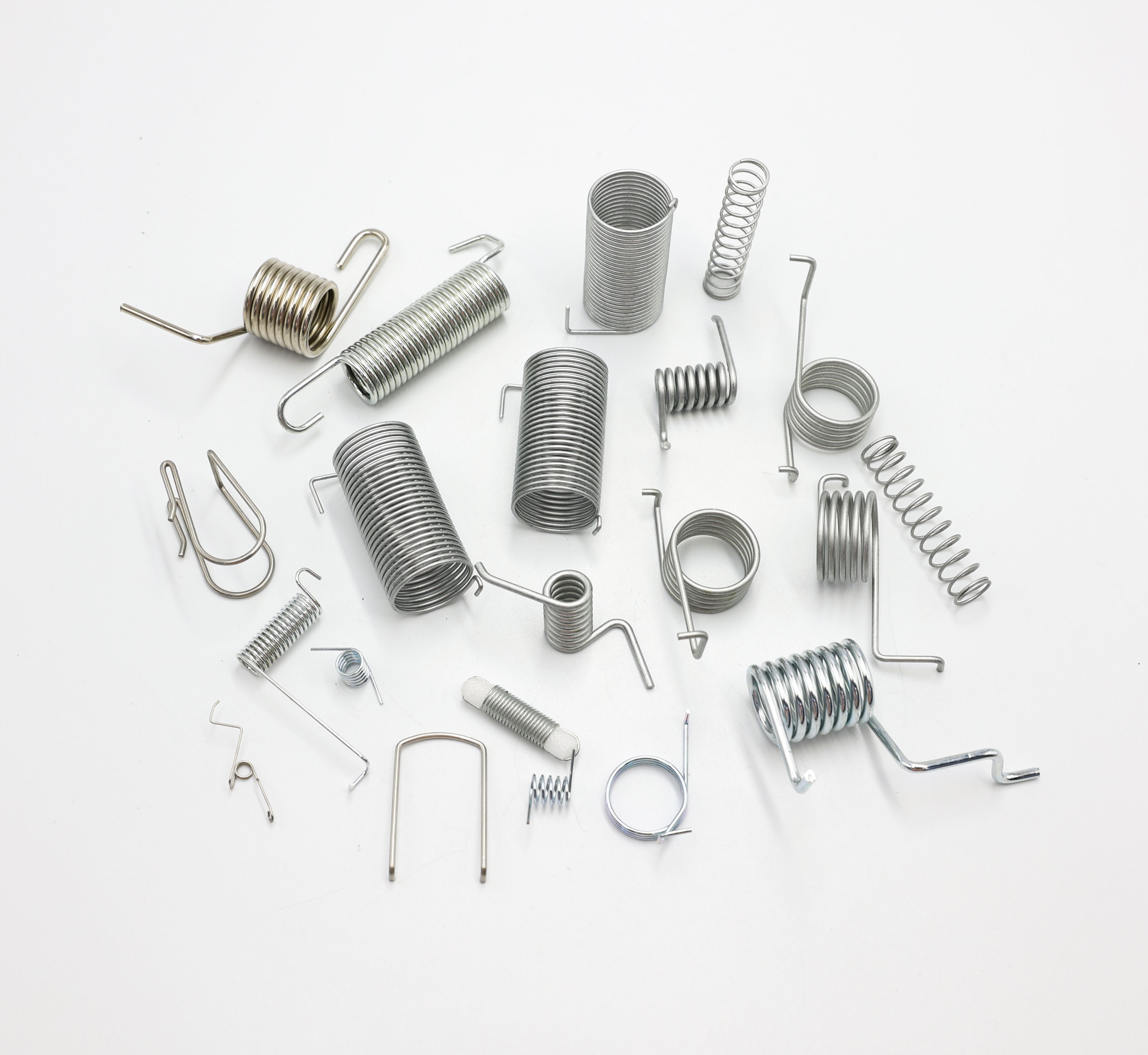
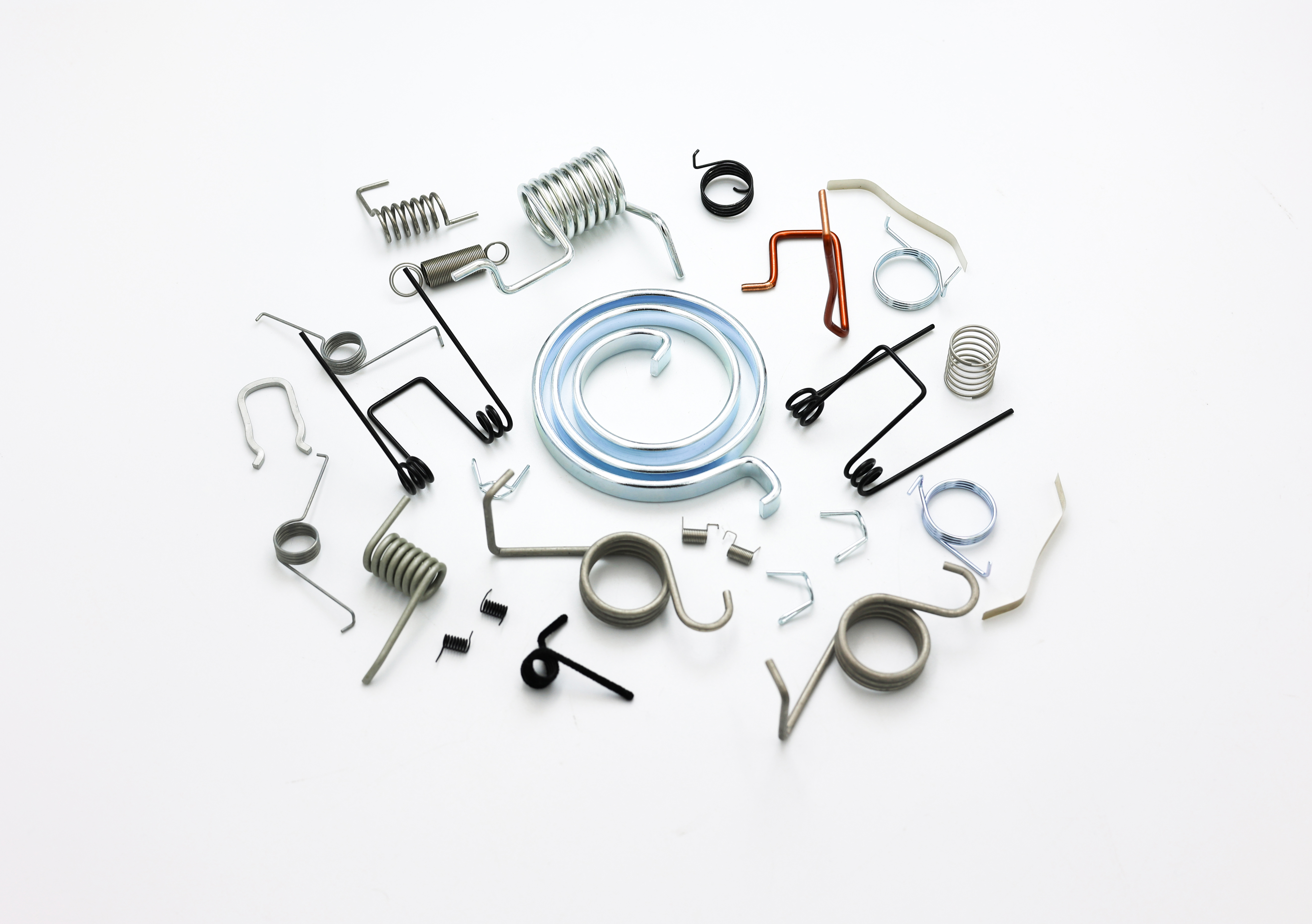
Custom torsion springs represent a specialized category of mechanical springs engineered to provide rotational force and resistance in countless industrial and commercial applications. Unlike standard compression or extension springs, custom torsion springs operate by storing and releasing energy through angular displacement, making them essential components in mechanisms requiring controlled rotational movement. These springs work by applying torque around their central axis, creating resistance that returns rotating parts to their original position when external forces are removed. The fundamental design of custom torsion springs consists of tightly wound coils that twist along their longitudinal axis, generating mechanical energy storage through material deformation. This unique operational principle makes custom torsion springs indispensable in applications where precise angular control, consistent torque delivery, and reliable spring-back action are critical requirements. Manufacturing processes for custom torsion springs involve sophisticated engineering calculations that consider wire diameter, coil count, spring index, material selection, and end configuration specifications. Advanced metallurgical techniques ensure optimal performance characteristics, including fatigue resistance, corrosion protection, and temperature stability across diverse operating environments. Quality custom torsion springs undergo rigorous testing protocols to verify load capacity, deflection angles, stress distribution, and durability under cyclic loading conditions. Modern production facilities utilize computer-controlled winding machines and precision tooling to achieve tight tolerances and consistent performance parameters. Material options for custom torsion springs encompass high-carbon steel, stainless steel alloys, phosphor bronze, and specialized metals designed for extreme temperature or corrosive environments. Surface treatments such as zinc plating, powder coating, or passivation enhance longevity and performance reliability. The versatility of custom torsion springs extends across automotive, aerospace, medical device, electronics, furniture, and industrial machinery sectors, where their unique torque characteristics provide essential mechanical functionality that cannot be replicated by other spring types or mechanical components.
New Product Releases

Custom torsion springs deliver exceptional performance benefits that make them superior choices for applications requiring precise rotational control and reliable mechanical energy storage. The primary advantage lies in their ability to generate consistent torque output across specified angular deflection ranges, ensuring predictable performance that engineers can rely upon for critical system functions. Unlike generic springs, custom torsion springs are engineered specifically to meet exact application requirements, resulting in optimized performance characteristics that standard off-the-shelf components cannot provide. This customization capability allows manufacturers to specify precise torque values, deflection angles, dimensional constraints, and environmental resistance properties that align perfectly with their design specifications. Cost-effectiveness represents another significant advantage of custom torsion springs, as their tailored design eliminates the need for additional mechanical components or complex assemblies that might otherwise be required to achieve desired performance levels. The manufacturing process for custom torsion springs incorporates advanced materials and production techniques that enhance durability and extend service life, reducing maintenance costs and system downtime over the product lifecycle. Space efficiency is a crucial benefit, as custom torsion springs can be designed to fit within tight dimensional constraints while delivering maximum torque output, enabling compact product designs that conserve valuable space in modern applications. The versatility of custom torsion springs allows them to function effectively across wide temperature ranges, corrosive environments, and high-stress operating conditions that would compromise the performance of standard mechanical components. Quality assurance processes ensure that custom torsion springs meet strict performance standards and regulatory requirements, providing manufacturers with confidence in their reliability and consistency. The engineering flexibility inherent in custom torsion springs enables designers to optimize spring characteristics for specific loading patterns, fatigue requirements, and environmental conditions, resulting in superior performance compared to generic alternatives. Installation simplicity is another practical advantage, as custom torsion springs can be designed with specific end configurations and mounting features that facilitate easy integration into existing systems without requiring extensive modifications or specialized hardware. This adaptability reduces assembly time and complexity while ensuring secure, reliable operation throughout the product's service life.

Practical Tips

How To Determine The Chemical Stability Of Materials

10

Mar

How To Determine The Chemical Stability Of Materials

View More
Testing Standards For Corrosion Resistance Of Automotive Parts

10

Mar

Testing Standards For Corrosion Resistance Of Automotive Parts

View More

Get a Free Quote

Our representative will contact you soon.
Email
Mobile/WhatsApp
Name
Company Name
Message
0/1000

custom torsion springs

Precision Engineering for Optimal Performance

Precision Engineering for Optimal Performance

The precision engineering capabilities of custom torsion springs represent a fundamental advantage that sets them apart from standard mechanical components in demanding applications. Advanced computer-aided design software and sophisticated manufacturing processes enable engineers to create custom torsion springs with exact specifications that match unique application requirements. This precision extends to every aspect of spring design, including wire diameter selection, coil geometry, pitch calculations, and end configuration details that collectively determine performance characteristics. Manufacturing facilities utilize state-of-the-art CNC-controlled winding equipment that maintains consistent tolerances throughout the production process, ensuring that each custom torsion spring meets stringent quality standards. The precision engineering approach involves comprehensive stress analysis, fatigue testing, and performance validation to guarantee that custom torsion springs will perform reliably under specified operating conditions. Material selection plays a crucial role in precision engineering, with metallurgists carefully choosing alloy compositions that provide optimal strength-to-weight ratios, corrosion resistance, and temperature stability for specific applications. Heat treatment processes are precisely controlled to achieve desired mechanical properties, including hardness, tensile strength, and elastic modulus characteristics that directly impact spring performance. Quality control systems incorporate advanced measurement technologies such as optical comparators, coordinate measuring machines, and automated testing equipment to verify dimensional accuracy and performance parameters. The precision engineering methodology enables custom torsion springs to achieve tight tolerances on critical parameters such as torque output, angular deflection, and load capacity, resulting in predictable performance that engineers can confidently incorporate into their designs. This level of precision eliminates the guesswork associated with adapting standard springs to specific applications, reducing development time and ensuring optimal system performance from the initial installation through the end of the product lifecycle.
Versatile Material Options and Surface Treatments

Versatile Material Options and Surface Treatments

The extensive range of material options and surface treatments available for custom torsion springs provides unmatched versatility for addressing diverse application requirements and environmental challenges. High-carbon steel represents the most common material choice, offering excellent strength characteristics and cost-effectiveness for general-purpose applications where corrosion resistance is not a primary concern. Stainless steel alloys, including 302, 316, and 17-7 PH variants, provide superior corrosion resistance and maintain mechanical properties across wide temperature ranges, making them ideal for medical devices, food processing equipment, and marine applications. Specialty alloys such as phosphor bronze, beryllium copper, and Inconel are available for applications requiring specific electrical conductivity, non-magnetic properties, or extreme temperature resistance capabilities. The material selection process considers factors including operating temperature ranges, environmental exposure conditions, fatigue life requirements, and compatibility with surrounding components to ensure optimal long-term performance. Surface treatment options significantly enhance the durability and functionality of custom torsion springs across various operating environments. Zinc plating provides cost-effective corrosion protection for indoor applications, while more advanced treatments such as nickel plating, chromium coating, or specialized polymer coatings offer enhanced protection for harsh environments. Passivation treatments for stainless steel custom torsion springs improve corrosion resistance by removing surface contaminants and promoting the formation of protective oxide layers. Shot peening processes increase fatigue life by inducing beneficial compressive stresses in surface layers, particularly important for high-cycle applications. Powder coating applications provide both corrosion protection and aesthetic enhancement, with color options that can match specific design requirements. Heat treatment processes such as stress relieving, tempering, and precipitation hardening optimize mechanical properties for specific performance requirements. The combination of appropriate materials and surface treatments ensures that custom torsion springs can operate reliably in challenging environments including high temperatures, corrosive atmospheres, and demanding mechanical loading conditions while maintaining consistent performance throughout their service life.
Application-Specific Design Flexibility

Application-Specific Design Flexibility

The application-specific design flexibility of custom torsion springs enables engineers to create solutions that perfectly match unique mechanical requirements and spatial constraints across diverse industries and applications. This flexibility begins with comprehensive design consultation services where spring engineers work closely with customers to understand specific performance requirements, environmental conditions, and integration challenges. The design process considers factors such as available space, mounting configurations, torque requirements, angular deflection limits, and interaction with surrounding components to develop optimal spring specifications. Custom torsion springs can be manufactured with various end configurations including straight tangential ends, hook ends, loop ends, and specialized shapes that facilitate easy installation and secure attachment to mechanical assemblies. The flexibility extends to dimensional specifications, allowing custom torsion springs to be designed with specific outside diameters, wire sizes, and axial lengths that fit precisely within available space while delivering required performance characteristics. Multi-directional loading capabilities enable custom torsion springs to handle complex force combinations including torsional, bending, and axial loads simultaneously, simplifying mechanical designs and reducing component count. The design flexibility accommodates varying torque requirements through careful optimization of spring geometry, material selection, and coil configuration parameters. Progressive rate designs provide variable torque characteristics that match specific loading patterns, while constant rate designs deliver uniform torque output across the deflection range. Custom torsion springs can be engineered with multiple arms or complex geometries that interact with several mechanical components simultaneously, enabling sophisticated mechanical systems with simplified spring solutions. Environmental considerations are integrated into the design process, with custom torsion springs engineered to withstand specific temperature ranges, chemical exposure, humidity levels, and mechanical vibration conditions. The manufacturing flexibility allows for prototype development and iterative design refinement, enabling engineers to test and optimize spring performance before committing to full production quantities. This application-specific approach ensures that custom torsion springs deliver optimal performance, longevity, and cost-effectiveness for each unique application while meeting all relevant industry standards and regulatory requirements.

Get a Free Quote

Our representative will contact you soon.
Email
Mobile/WhatsApp
Name
Company Name
Message
0/1000