High-Performance Twist Springs - Precision Torque Control Solutions for Industrial Applications

All Categories

Get a Free Quote

Our representative will contact you soon.
Email
Mobile/WhatsApp
Name
Company Name
Message
0/1000

twist springs

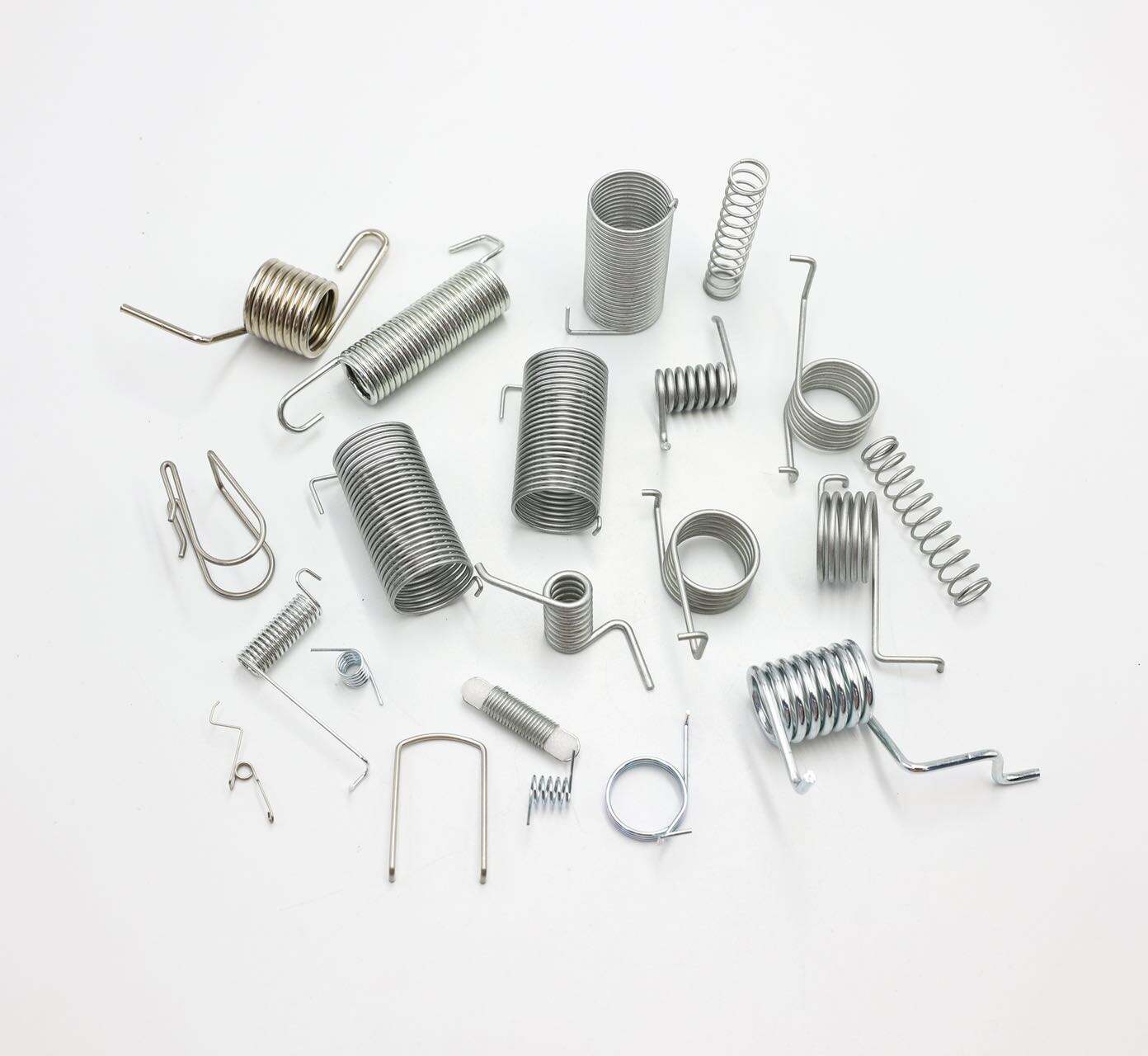
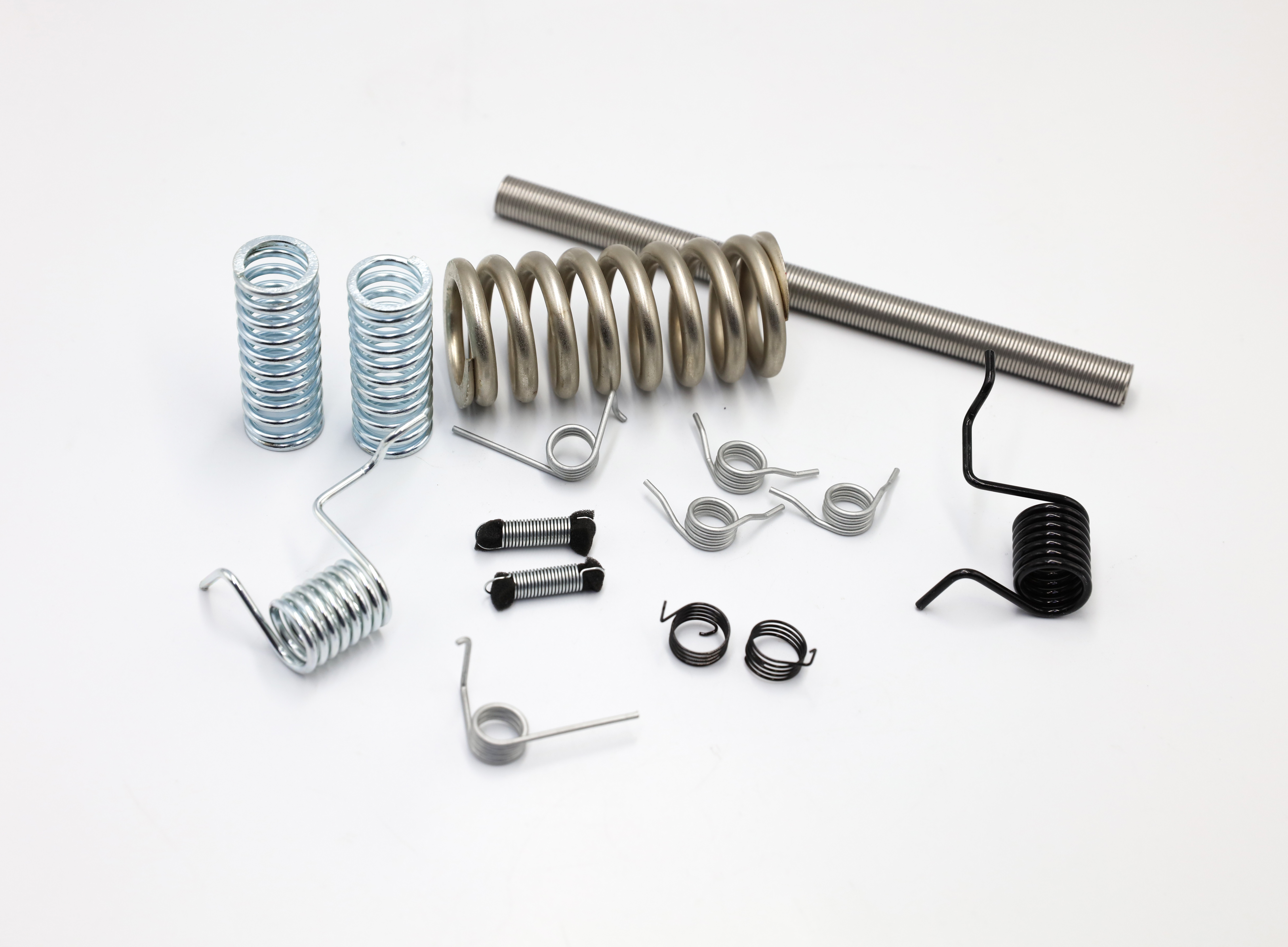
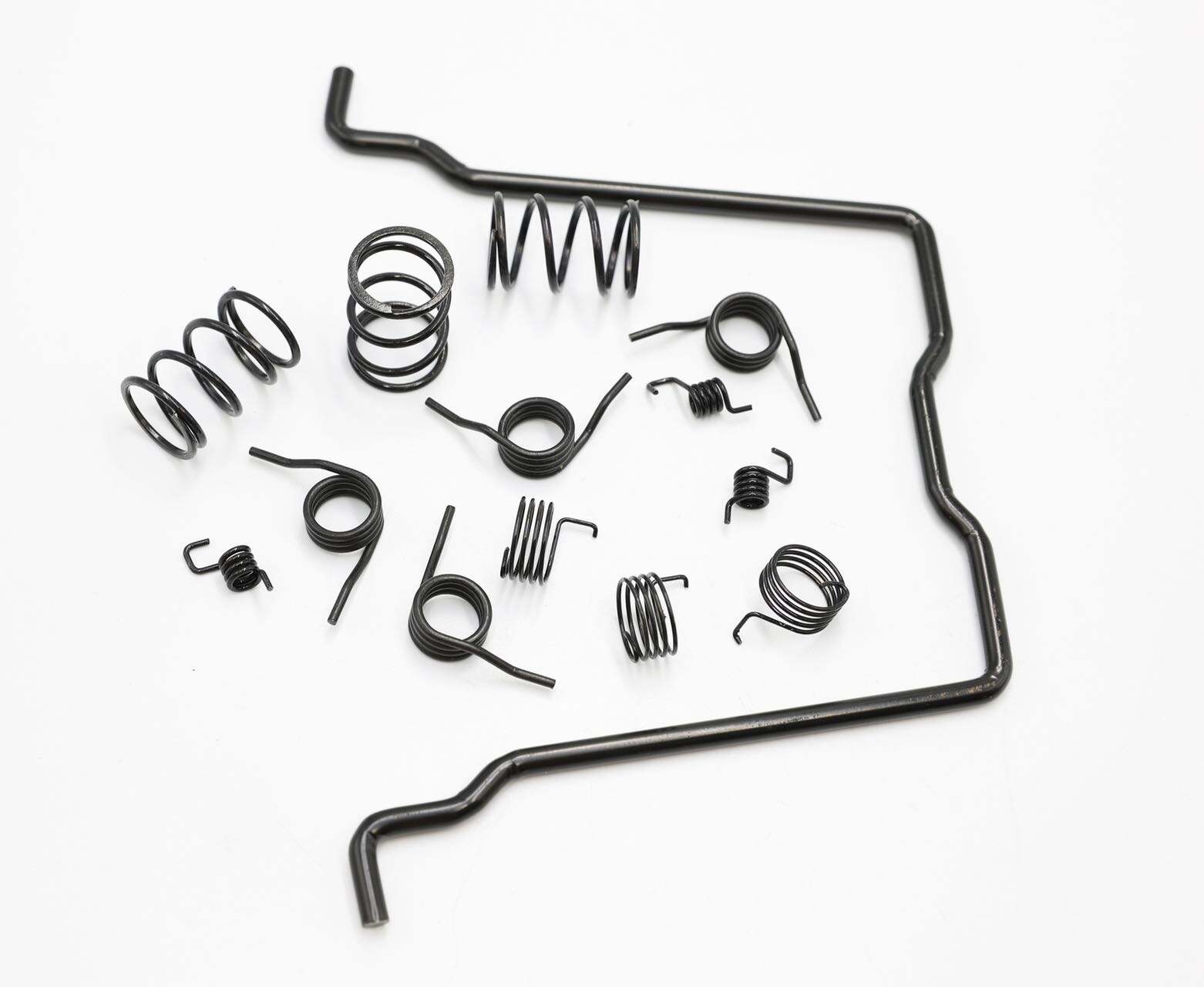
Twist springs represent a fundamental component in modern mechanical engineering, designed to provide rotational force and angular displacement in countless applications. These specialized springs operate by storing and releasing energy through torsional deformation, making them essential for systems requiring controlled rotational movement. Unlike conventional compression or extension springs, twist springs work by applying torque around their central axis, creating a twisting motion that generates consistent force output. The core functionality of twist springs revolves around their ability to resist angular displacement while maintaining precise control over rotational forces. When external torque is applied, the spring coils twist along their longitudinal axis, storing mechanical energy that can be released when the applied force is removed. This unique mechanism makes twist springs invaluable for applications requiring return-to-position functionality, controlled rotation, and consistent torque delivery. Technologically, twist springs feature carefully engineered coil geometries that optimize their performance characteristics. The wire diameter, coil pitch, number of active coils, and material selection all contribute to the spring's torque capacity, angular deflection range, and fatigue resistance. Advanced manufacturing techniques ensure precise dimensional control, enabling twist springs to deliver predictable performance across millions of operational cycles. Modern twist springs incorporate sophisticated metallurgical properties, utilizing high-grade steel alloys, stainless steel, or specialized materials like beryllium copper for enhanced corrosion resistance and temperature stability. Applications for twist springs span numerous industries, from automotive systems where they control throttle mechanisms and valve operations, to consumer electronics providing tactile feedback in switches and controls. Medical devices rely on twist springs for precise instrument positioning, while aerospace applications utilize them in control surfaces and actuator systems. Industrial machinery incorporates twist springs in clutch mechanisms, door closures, and automated equipment, demonstrating their versatility and reliability in demanding operational environments.
New Product Releases

Twist springs deliver exceptional reliability that stems from their robust construction and proven engineering principles. These components consistently perform under demanding conditions, maintaining their specified torque characteristics throughout extended operational periods without degradation. The inherent durability of twist springs results from their uniform stress distribution during operation, which prevents premature failure points that commonly affect other spring types. This reliability translates directly into reduced maintenance costs and minimal downtime for equipment incorporating these springs. Cost-effectiveness represents another significant advantage of twist springs, as their simple yet efficient design minimizes manufacturing complexity while maximizing performance value. The straightforward production process keeps initial costs reasonable, while their extended service life reduces replacement frequency and associated labor expenses. Companies benefit from lower total ownership costs when selecting twist springs for their applications, as these components typically outlast alternative solutions while requiring minimal maintenance interventions. Versatility stands out as a key strength of twist springs, enabling their use across diverse applications and industries. Engineers can customize these springs to meet specific torque requirements, angular displacement needs, and environmental conditions through careful selection of materials, dimensions, and coil configurations. This adaptability allows twist springs to function effectively in everything from delicate electronic devices to heavy industrial machinery, providing consistent performance regardless of the application scale. The compact design of twist springs offers substantial space-saving benefits compared to alternative rotational force solutions. Their efficient packaging allows engineers to integrate them into tight spaces where other mechanisms would not fit, enabling more compact product designs without compromising functionality. This space efficiency proves particularly valuable in modern applications where miniaturization and weight reduction are critical design objectives. Precise control capabilities make twist springs ideal for applications requiring accurate force delivery and predictable angular displacement. The linear relationship between applied torque and angular deflection provides engineers with reliable performance parameters for designing control systems and mechanical interfaces. This precision enables fine-tuned adjustments and consistent user experiences in products ranging from automotive controls to medical instruments. Environmental resistance properties of modern twist springs ensure reliable operation across wide temperature ranges and challenging conditions. Advanced material treatments and protective coatings enable these springs to withstand corrosion, temperature extremes, and chemical exposure while maintaining their performance characteristics. This environmental stability reduces the need for additional protective measures and extends operational life in harsh operating conditions.

Tips And Tricks

How To Determine The Chemical Stability Of Materials

10

Mar

How To Determine The Chemical Stability Of Materials

View More

Get a Free Quote

Our representative will contact you soon.
Email
Mobile/WhatsApp
Name
Company Name
Message
0/1000

twist springs

Superior Torque Control and Angular Precision

Superior Torque Control and Angular Precision

Twist springs excel in delivering precise torque control and angular positioning, making them indispensable for applications requiring accurate rotational force management. The fundamental design of twist springs enables them to provide consistent torque output across their entire operational range, ensuring predictable performance that engineers can rely upon for critical system functions. This precision stems from the linear relationship between applied torque and angular deflection, which follows well-established mathematical principles that allow for accurate performance calculations and system design optimization. The torque control capabilities of twist springs surpass many alternative solutions because of their inherent mechanical properties and carefully engineered specifications. When a twist spring is deflected angularly, the stored energy increases proportionally, creating a predictable force curve that remains consistent throughout the spring's operational life. This characteristic enables designers to create systems with precise feedback mechanisms, controlled resistance, and repeatable positioning accuracy. Applications in automotive throttle controls demonstrate this precision, where twist springs provide the exact force characteristics needed for smooth, responsive pedal operation while maintaining consistent feel across temperature variations and extended use periods. Medical device applications particularly benefit from the angular precision of twist springs, where surgical instruments and diagnostic equipment require exact positioning control. The ability to specify precise torque values and angular deflection limits allows medical device manufacturers to create instruments with tactile feedback that surgeons can rely upon for delicate procedures. Electronic applications leverage the precision of twist springs in rotary switches, potentiometers, and control interfaces where consistent force curves enhance user experience and provide reliable operation over millions of cycles. The manufacturing precision achievable with modern twist springs ensures that each component meets strict tolerance requirements, enabling consistent performance across large production quantities. Advanced quality control processes verify that every twist spring delivers the specified torque characteristics within narrow tolerance bands, providing engineers with confidence in their design calculations and performance expectations.
Exceptional Durability and Longevity

Exceptional Durability and Longevity

The exceptional durability of twist springs stems from their fundamental design principles and advanced manufacturing techniques that optimize stress distribution and material utilization. Unlike other spring types that may experience concentrated stress points leading to premature failure, twist springs distribute applied forces evenly throughout their coil structure, minimizing wear patterns and extending operational life significantly. This uniform stress distribution prevents the formation of fatigue crack initiation points that commonly affect springs subjected to repeated loading cycles, making twist springs ideal for high-cycle applications where reliability is paramount. Material selection plays a crucial role in the durability of twist springs, with manufacturers utilizing high-grade spring steels and specialized alloys that provide superior fatigue resistance and environmental stability. Heat treatment processes optimize the molecular structure of these materials, creating springs that maintain their mechanical properties across millions of operational cycles while resisting permanent deformation under normal operating conditions. Stainless steel variants offer enhanced corrosion resistance for applications in harsh environments, while specialized alloys provide temperature stability for extreme operating conditions. The manufacturing process for twist springs incorporates precision techniques that ensure consistent material properties and dimensional accuracy throughout the entire spring geometry. Computer-controlled coiling equipment creates uniform coil spacing and wire tension, while specialized forming processes establish the precise end configurations required for optimal performance. Post-manufacturing treatments including stress relieving and surface finishing further enhance durability by eliminating residual stresses and providing protective barriers against environmental degradation. Testing protocols verify the durability of twist springs through accelerated life cycle testing that simulates years of normal operation in compressed timeframes. These tests confirm that properly manufactured twist springs consistently exceed their specified operational life while maintaining performance characteristics within acceptable tolerance ranges. Quality assurance procedures ensure that each spring meets stringent durability standards before shipment, providing customers with confidence in long-term reliability. The economic benefits of twist spring durability extend beyond initial cost savings to include reduced maintenance requirements, lower replacement frequencies, and improved system reliability that minimizes unexpected downtime and associated costs.
Compact Design and Easy Integration

Compact Design and Easy Integration

The compact design characteristics of twist springs provide significant advantages for modern engineering applications where space constraints and integration flexibility are critical design considerations. Unlike bulky rotational mechanisms such as gear systems, hydraulic actuators, or complex linkages, twist springs deliver equivalent functionality within minimal space envelopes, enabling engineers to create more compact and efficient product designs. This space efficiency becomes particularly valuable in applications such as portable electronics, automotive systems, and medical devices where every millimeter of available space must be utilized effectively to achieve desired functionality and performance objectives. Integration flexibility represents a major strength of twist springs, as their simple cylindrical geometry and standardized mounting configurations allow for straightforward incorporation into existing designs or new product development projects. The mounting requirements for twist springs are typically minimal, often requiring only basic anchoring points for the spring ends and adequate clearance for angular deflection. This simplicity eliminates the need for complex mounting brackets, precision alignment procedures, or specialized installation tools that other rotational force solutions often require. Engineers can easily modify existing designs to incorporate twist springs or design new systems around their proven performance characteristics without significant design complications. The lightweight nature of twist springs contributes to overall system efficiency, particularly in applications where weight reduction translates directly into performance improvements or cost savings. Automotive applications benefit from reduced vehicle weight that improves fuel efficiency, while aerospace applications gain from decreased payload requirements and improved performance margins. Portable devices achieve extended battery life when incorporating lightweight twist springs instead of heavier alternative mechanisms, while maintaining the same functional capabilities and user experience quality. Manufacturing integration advantages include simplified assembly processes that reduce production time and labor costs while improving quality consistency. Twist springs typically require minimal handling during installation, reducing the risk of damage or misalignment that can affect performance. Automated assembly equipment can easily handle twist springs due to their regular geometry and predictable handling characteristics, enabling high-volume production with consistent quality results. The standardized nature of twist spring designs also facilitates inventory management and sourcing flexibility, as common sizes and specifications are readily available from multiple suppliers, reducing supply chain risks and enabling competitive procurement strategies that benefit overall project economics.

Get a Free Quote

Our representative will contact you soon.
Email
Mobile/WhatsApp
Name
Company Name
Message
0/1000