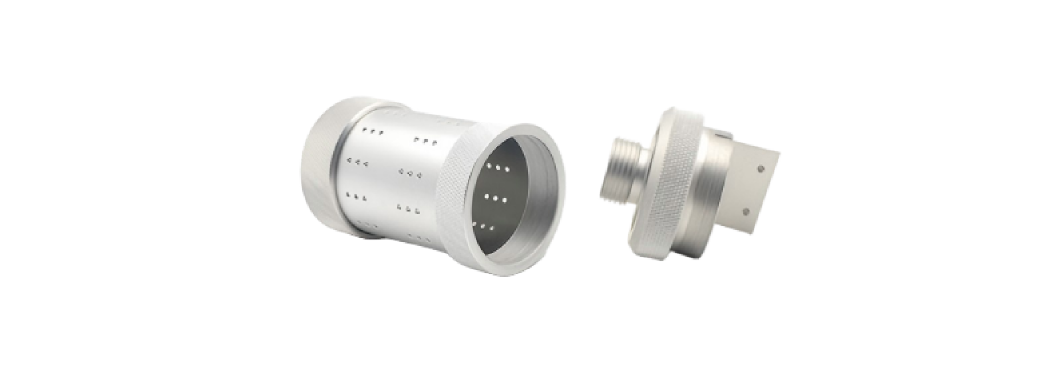
stainless steel torsion spring
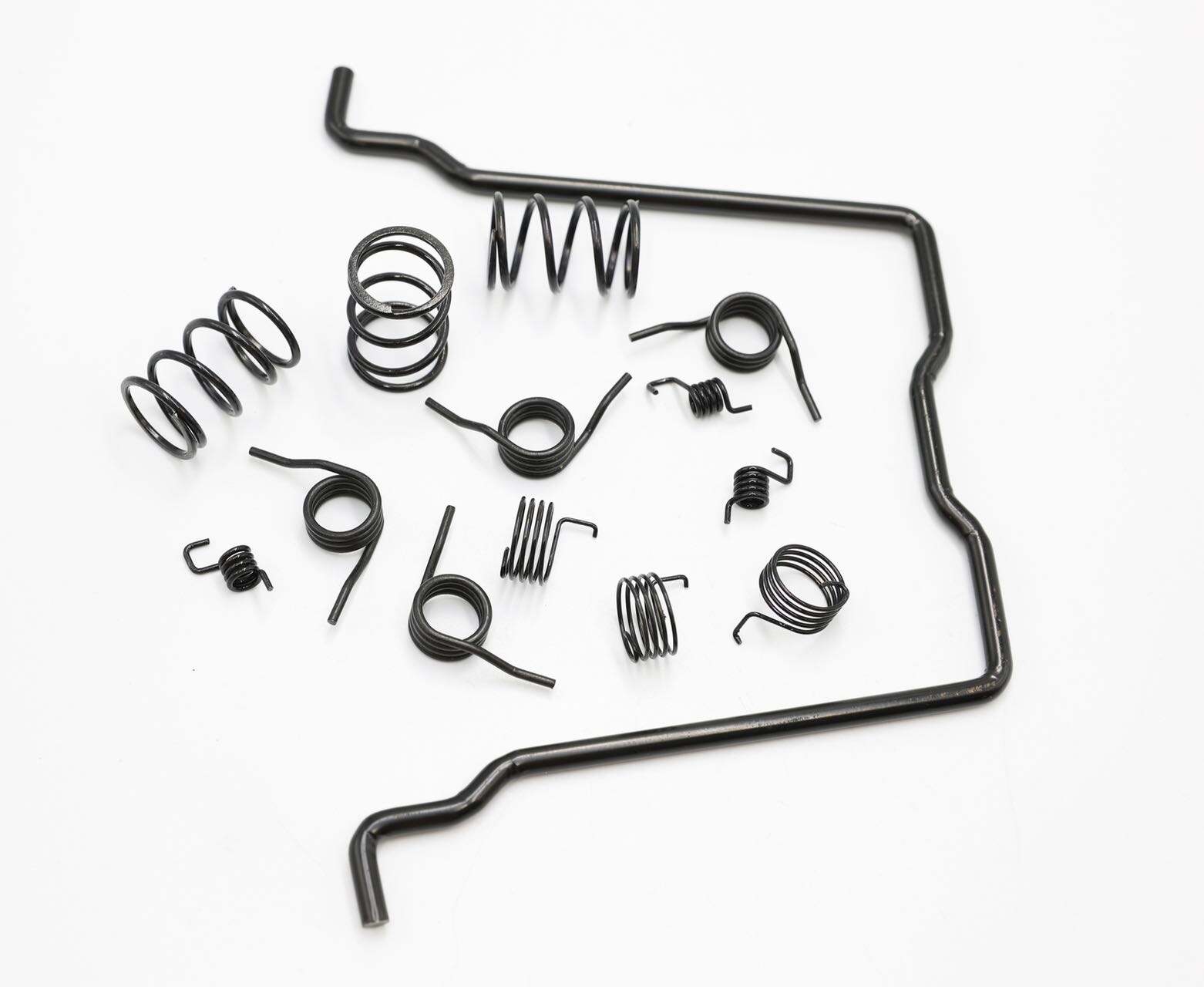
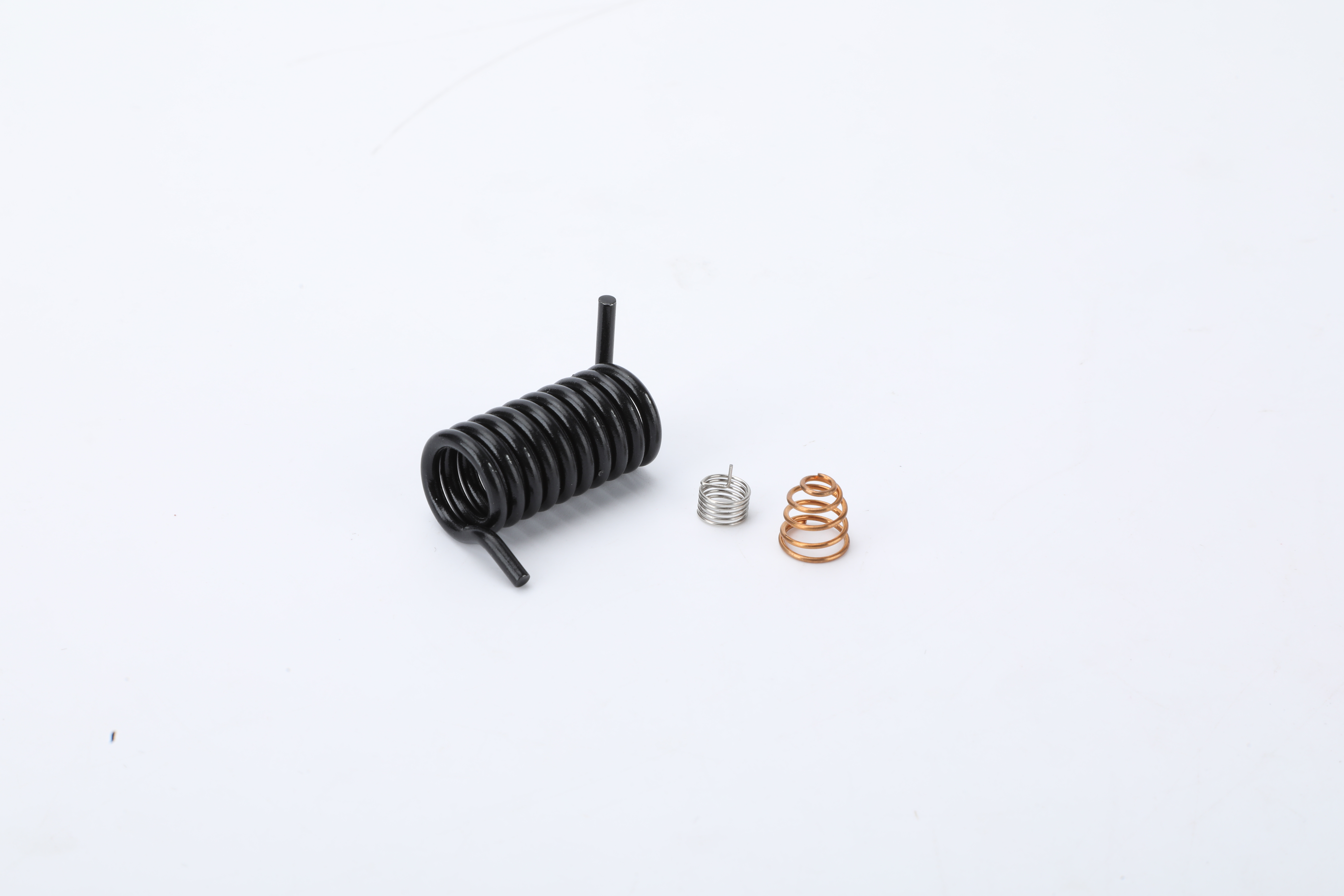
A stainless steel torsion spring represents an essential mechanical component engineered to store and release rotational energy through angular deflection. These precision-manufactured springs operate by twisting along their axis when subjected to torque, generating a proportional restoring force that returns the component to its original position. The fundamental design consists of tightly wound coils that create resistance against rotational movement, making them indispensable for countless mechanical applications across diverse industries. The stainless steel construction provides exceptional durability and performance characteristics that surpass conventional spring materials. Unlike carbon steel alternatives, stainless steel torsion springs maintain their mechanical properties even when exposed to harsh environmental conditions, moisture, chemicals, and temperature fluctuations. This material composition ensures consistent spring rates and reliable operation over extended service periods. The manufacturing process involves precision winding techniques that create uniform coil spacing and optimal stress distribution throughout the spring body. Advanced heat treatment procedures enhance the material's fatigue resistance and dimensional stability, resulting in superior performance under cyclic loading conditions. These springs find widespread application in automotive systems, aerospace components, electronic devices, medical equipment, and industrial machinery. In automotive applications, stainless steel torsion springs serve critical functions in suspension systems, door mechanisms, and trunk lid assemblies. The aerospace industry relies on their reliability for control surface actuation, landing gear systems, and instrument panel mechanisms. Electronic devices utilize miniature versions for battery compartments, connector assemblies, and switch mechanisms. Medical equipment applications include surgical instruments, diagnostic devices, and prosthetic components where biocompatibility and corrosion resistance are paramount. Industrial machinery incorporates these springs in conveyor systems, valve actuators, and positioning mechanisms where precise torque control is essential for operational efficiency.

 EN
EN