Exceptional Corrosion Resistance and Environmental Durability
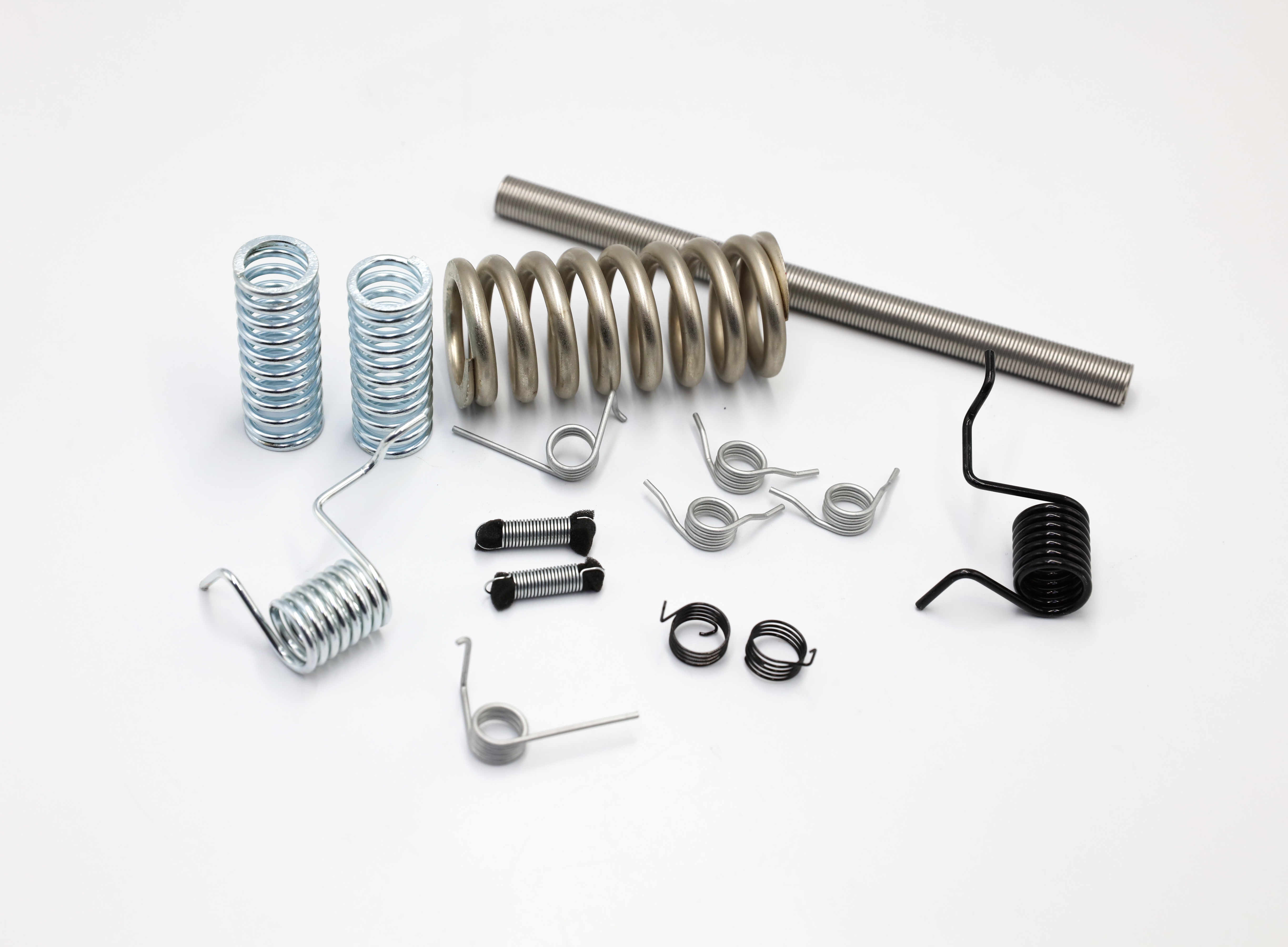
Rubber torsion springs demonstrate unparalleled resistance to corrosive environments and harsh operating conditions that would rapidly degrade metal alternatives, making them indispensable components for applications in challenging industrial settings. The inherent chemical stability of properly formulated rubber compounds provides immunity to rust, oxidation, and chemical attack from acids, bases, salts, and organic solvents that commonly cause failure in metal springs. This extraordinary resistance stems from the non-metallic nature of rubber materials and the ability to incorporate specific additives and stabilizers during the manufacturing process to enhance protection against particular environmental threats. Marine applications showcase the exceptional value of this corrosion resistance, where rubber torsion springs maintain their performance characteristics indefinitely when exposed to saltwater, humidity, and temperature cycling that would destroy metal springs within months. Offshore equipment, boat trailers, dock machinery, and marine vessels rely on these springs to provide consistent operation without the constant maintenance and replacement cycles required for metal components in similar environments. Chemical processing facilities benefit tremendously from rubber springs that continue functioning reliably when exposed to aggressive chemicals, eliminating the risk of spring failure that could compromise safety systems or cause costly production shutdowns. The environmental durability extends beyond chemical resistance to include excellent performance under ultraviolet radiation, ozone exposure, and extreme temperature variations. Outdoor installations such as agricultural equipment, construction machinery, and telecommunications infrastructure utilize rubber torsion springs that maintain their elastic properties and dimensional stability through years of exposure to sun, rain, snow, and temperature extremes. The material's ability to resist cracking, hardening, and degradation under these conditions ensures consistent performance throughout the equipment's operational life. Furthermore, the customization capabilities of rubber compounds allow manufacturers to optimize specific properties for particular environmental challenges, such as enhanced ozone resistance for high-altitude applications or improved low-temperature flexibility for arctic installations, providing tailored solutions that metal springs cannot match.

 EN
EN