Helical Torsion Spring Solutions: Precision Angular Control and Superior Durability

All Categories

Get a Free Quote

Our representative will contact you soon.
Email
Mobile/WhatsApp
Name
Company Name
Message
0/1000

helical torsion spring

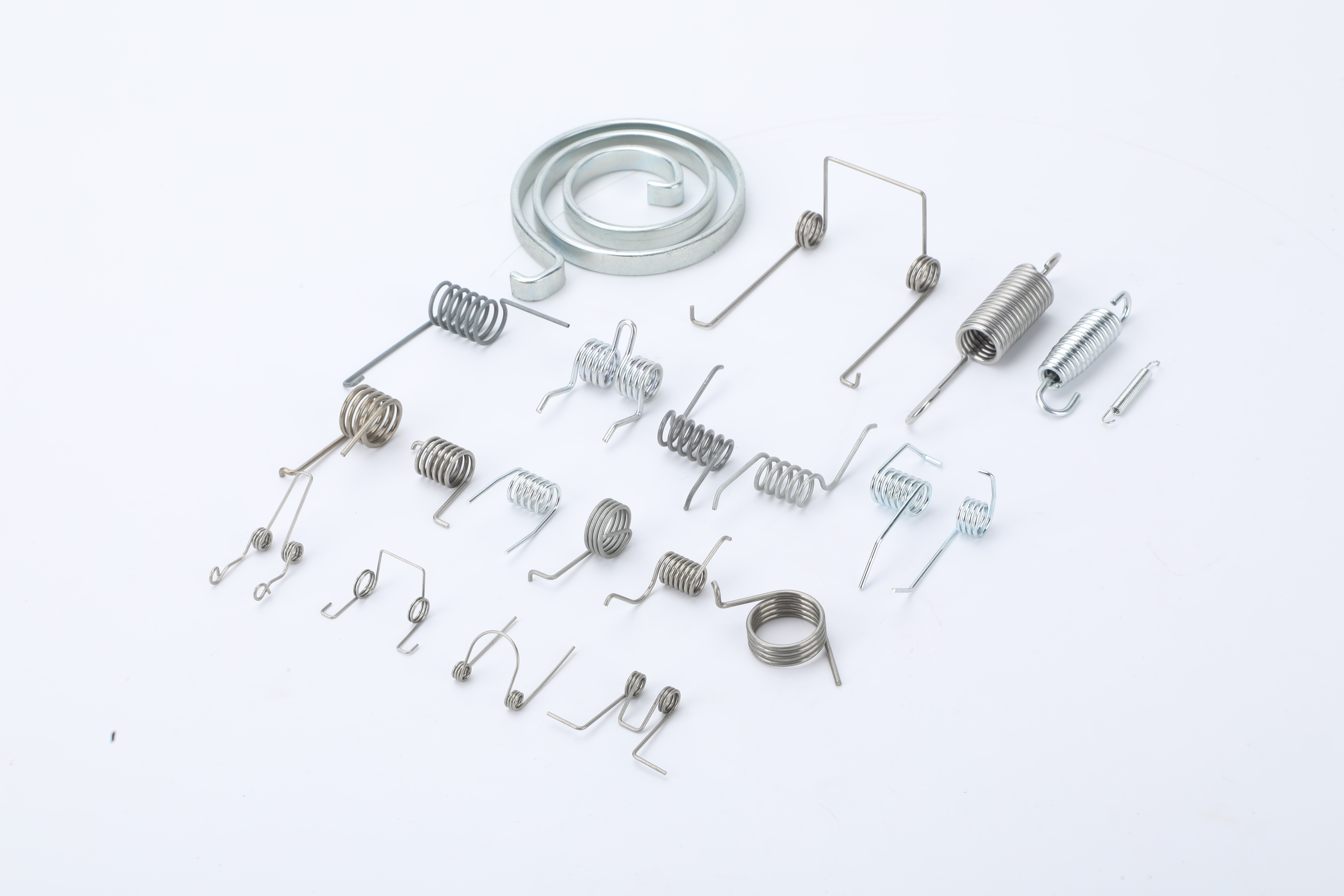
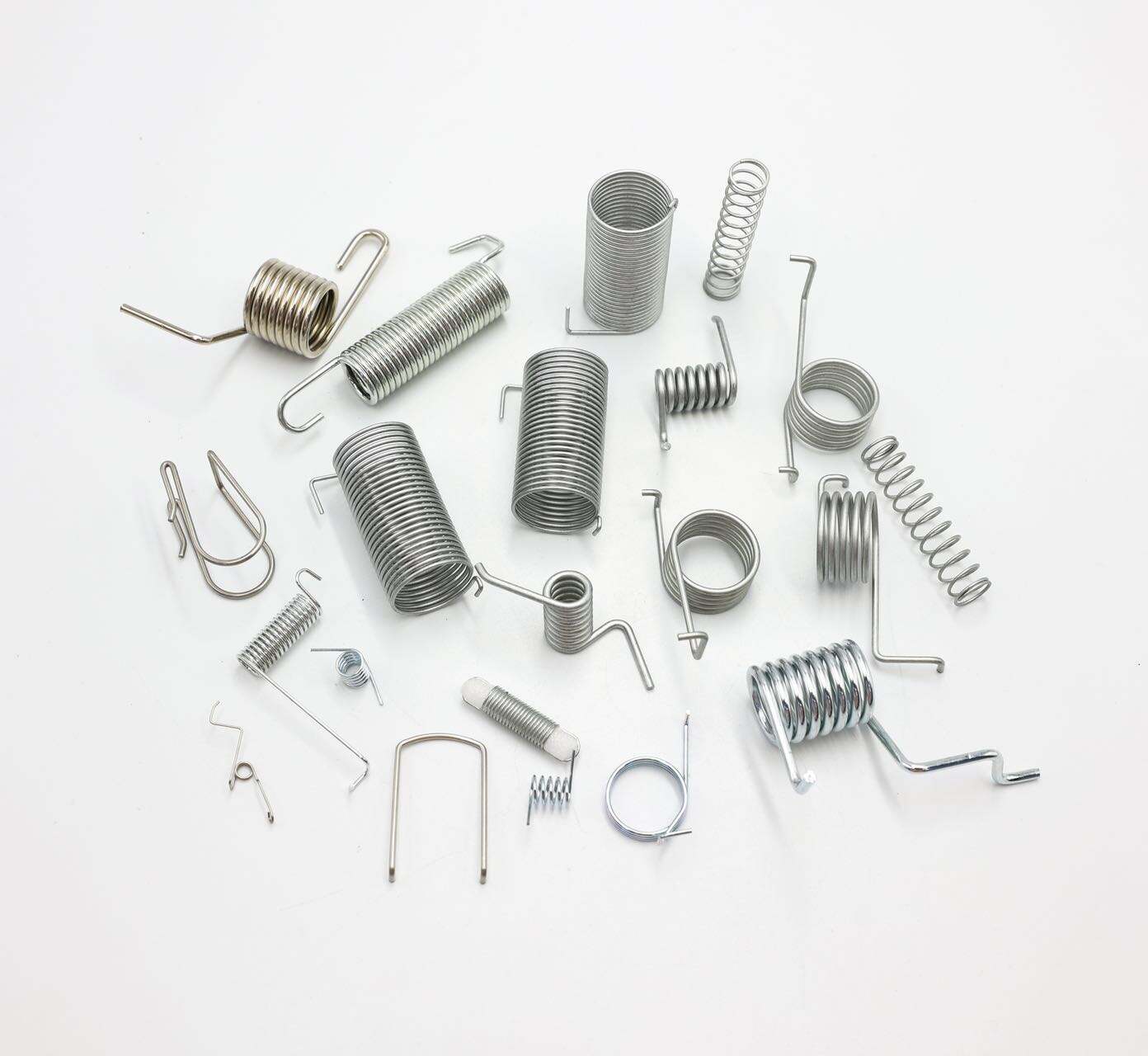
A helical torsion spring represents a sophisticated mechanical component designed to store and release rotational energy through its unique coiled configuration. This specialized spring consists of a wire wound in a helical pattern around a central axis, with arms extending from each end that enable the transmission of torque forces. The fundamental principle behind the helical torsion spring operation involves the resistance to twisting motion, creating a restoring force that attempts to return the spring to its original position when subjected to angular displacement. The main functions of helical torsion spring mechanisms include providing consistent rotational resistance, maintaining predetermined angular positions, and delivering controlled torque output across various applications. These springs excel in situations requiring precise angular control, smooth rotational movement, and reliable energy storage capabilities. The technological features of helical torsion spring designs incorporate carefully calculated wire diameter, coil pitch, and material selection to achieve optimal performance characteristics. Manufacturing processes utilize high-grade steel alloys, stainless steel, or specialized materials depending on environmental requirements and load specifications. The helical configuration allows for efficient stress distribution throughout the spring body, minimizing failure points and extending operational lifespan. Advanced heat treatment processes enhance the spring's fatigue resistance and improve its ability to withstand repeated loading cycles. Applications for helical torsion spring systems span numerous industries, including automotive components such as suspension systems and door mechanisms, industrial machinery requiring rotational control, consumer electronics needing compact angular positioning solutions, and aerospace applications demanding reliable performance under extreme conditions. The versatility of helical torsion spring technology makes it an essential component in countless mechanical systems where controlled rotational motion is required. Quality helical torsion spring manufacturing involves precise tolerance control and comprehensive testing to ensure consistent performance across production runs.

New Products

Helical torsion spring technology delivers exceptional durability that significantly outlasts alternative rotational control mechanisms. These springs withstand millions of operational cycles without degradation, providing long-term reliability that reduces maintenance costs and system downtime. The robust construction of helical torsion spring assemblies ensures consistent performance even under harsh environmental conditions, including temperature extremes, moisture exposure, and corrosive atmospheres. Cost-effectiveness represents another major advantage of helical torsion spring implementation. Manufacturing processes are well-established and efficient, resulting in competitive pricing compared to complex electronic or hydraulic alternatives. The simple mechanical design eliminates the need for external power sources, control systems, or sophisticated maintenance procedures, dramatically reducing total ownership costs. Installation simplicity makes helical torsion spring integration straightforward for engineering teams. These components require minimal mounting hardware and can be easily incorporated into existing designs without extensive modifications. The compact form factor allows for space-efficient installations, particularly valuable in applications where size constraints are critical. Precise torque control capabilities enable helical torsion spring systems to deliver exact angular forces required for specific applications. Engineers can customize spring parameters to achieve precise rotational characteristics, ensuring optimal performance for unique operational requirements. This level of control precision surpasses many alternative technologies while maintaining mechanical simplicity. Maintenance requirements for helical torsion spring mechanisms are minimal, consisting primarily of periodic inspection and occasional lubrication. Unlike complex systems requiring specialized technicians, basic maintenance can be performed by standard maintenance personnel, reducing operational complexity and associated costs. The absence of wear-prone components such as seals, valves, or electronic controls eliminates common failure points found in alternative systems. Environmental sustainability benefits include the recyclable nature of helical torsion spring materials and the absence of hydraulic fluids or electronic components that may pose disposal challenges. Energy efficiency is inherent in the mechanical design, as no external power consumption is required for operation. Customization flexibility allows helical torsion spring manufacturers to adapt designs for specific torque requirements, space limitations, and environmental conditions, providing tailored solutions that optimize performance for individual applications while maintaining cost-effectiveness.

Tips And Tricks

How To Determine The Chemical Stability Of Materials

10

Mar

How To Determine The Chemical Stability Of Materials

View More
Automotive Armrest Slide Rail Production Factory: The Cradle of Quality and Innovation

10

Mar

Automotive Armrest Slide Rail Production Factory: The Cradle of Quality and Innovation

View More

Get a Free Quote

Our representative will contact you soon.
Email
Mobile/WhatsApp
Name
Company Name
Message
0/1000

helical torsion spring

Superior Fatigue Resistance and Longevity

Superior Fatigue Resistance and Longevity

The exceptional fatigue resistance of helical torsion spring technology stems from advanced metallurgical engineering and precision manufacturing processes that create components capable of withstanding extreme operational demands. This superior durability translates directly into reduced replacement costs, minimized system downtime, and enhanced overall equipment reliability for end users. The fatigue resistance characteristics result from carefully controlled material selection, where high-carbon steel alloys undergo specialized heat treatment processes to optimize molecular structure and eliminate stress concentration points. Manufacturing techniques employ precision wire drawing and controlled coiling operations that maintain consistent material properties throughout the helical torsion spring geometry. Surface finishing processes further enhance fatigue life by eliminating microscopic imperfections that could serve as crack initiation sites under cyclic loading conditions. Testing protocols demonstrate that properly manufactured helical torsion spring components routinely exceed ten million operational cycles while maintaining performance specifications within acceptable tolerances. This longevity advantage becomes particularly valuable in applications where component replacement involves significant labor costs or system shutdown requirements. Industries such as automotive manufacturing, where helical torsion spring failures could impact production schedules, benefit enormously from this enhanced reliability. The economic impact of superior fatigue resistance extends beyond direct replacement costs to include reduced inventory requirements, lower maintenance scheduling demands, and improved production efficiency. Quality assurance programs incorporate accelerated life testing that validates helical torsion spring performance under simulated operational conditions, providing customers with confidence in long-term reliability projections. Advanced finite element analysis during the design phase identifies potential stress concentrations and optimizes helical torsion spring geometry to maximize fatigue life while meeting performance requirements. This engineering approach ensures that each component delivers maximum value through extended operational life and consistent performance characteristics.
Precise Angular Control and Torque Consistency

Precise Angular Control and Torque Consistency

Helical torsion spring mechanisms deliver unparalleled precision in angular control applications, providing consistent torque characteristics that enable accurate positioning and smooth rotational movement across diverse operational requirements. This precision capability results from the fundamental physics of helical geometry, where torque output maintains a linear relationship with angular displacement throughout the working range. Engineering calculations can predict helical torsion spring behavior with exceptional accuracy, allowing designers to specify exact performance characteristics for specific applications. The consistent torque delivery eliminates the variability often associated with alternative control systems, ensuring predictable operation that enhances overall system performance and user experience. Manufacturing quality control processes maintain tight tolerances on critical parameters including wire diameter, coil pitch, and heat treatment specifications that directly influence torque consistency. Calibrated testing equipment validates each helical torsion spring against performance specifications, ensuring that delivered components meet exact requirements without variation. This level of precision proves invaluable in applications requiring exact angular positioning, such as automotive throttle controls, industrial valve actuators, and precision instrumentation systems. The linear torque characteristics simplify control system design and eliminate the need for complex compensation algorithms required by non-linear alternatives. Temperature stability represents another aspect of helical torsion spring precision, where material properties remain consistent across operational temperature ranges, maintaining torque specifications without seasonal adjustments or recalibration procedures. Customization capabilities allow engineers to specify precise torque curves that match specific application requirements, optimizing system performance while maintaining the inherent reliability advantages of mechanical spring technology. Quality documentation accompanies each helical torsion spring shipment, providing torque curves and performance data that enable accurate system integration and performance verification. This precision control capability, combined with the inherent reliability of mechanical systems, makes helical torsion spring technology the preferred choice for applications where consistent performance and long-term accuracy are essential requirements.
Versatile Design Adaptability and Space Efficiency

Versatile Design Adaptability and Space Efficiency

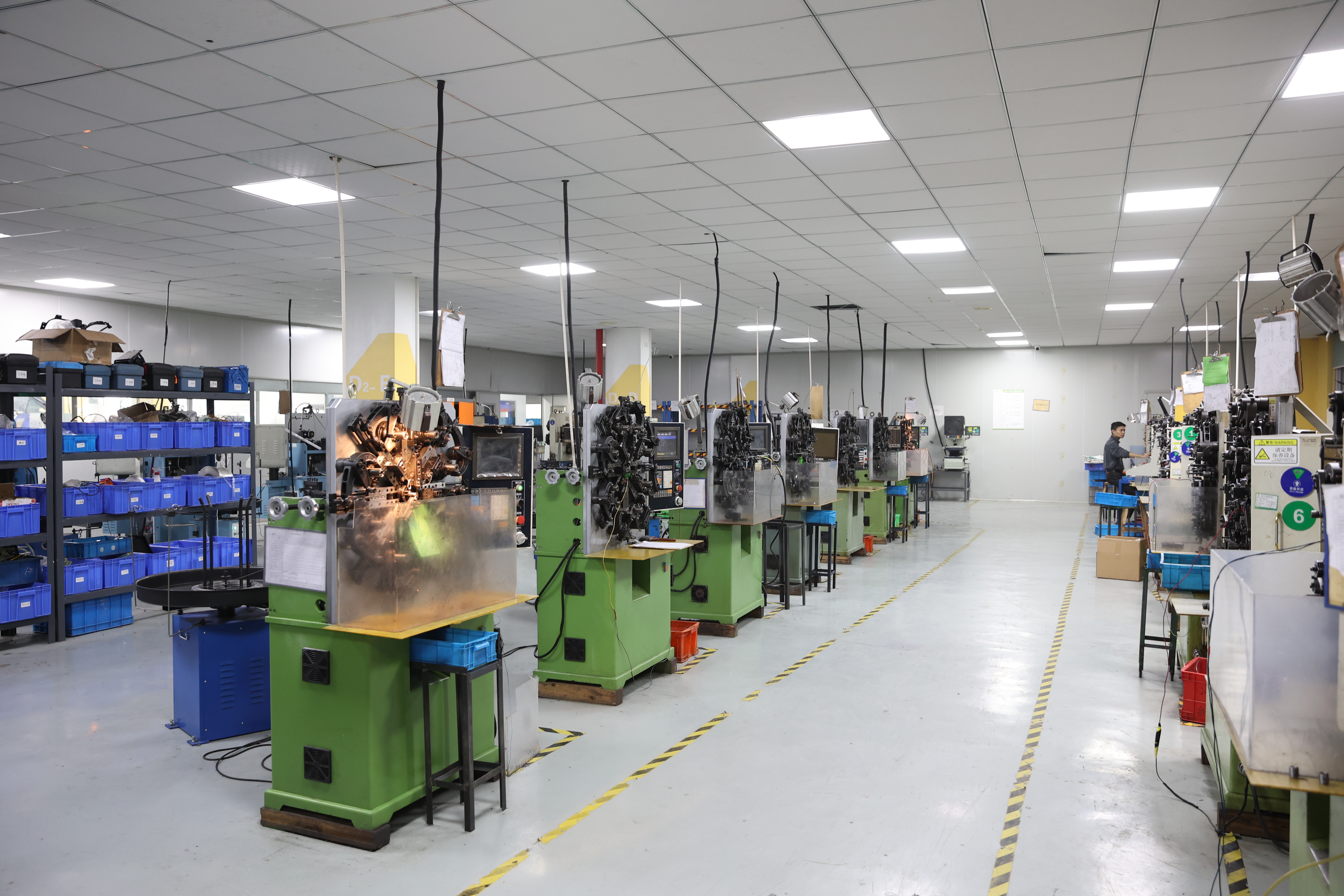
The remarkable design versatility of helical torsion spring technology enables engineers to create custom solutions that precisely match specific application requirements while optimizing space utilization and integration flexibility. This adaptability stems from the fundamental spring geometry, which can be modified through wire diameter selection, coil count adjustment, and arm configuration changes to achieve desired performance characteristics within space constraints. Manufacturing capabilities accommodate both standard configurations and highly specialized designs that address unique operational challenges across diverse industries. Space efficiency represents a critical advantage in modern engineering applications where component miniaturization drives competitive advantage and cost reduction. Helical torsion spring designs maximize torque output relative to occupied volume, providing superior power density compared to alternative rotational control technologies. Compact installations become possible through careful optimization of coil geometry and material selection, enabling integration into applications previously considered impractical for spring-based solutions. The three-dimensional design flexibility allows helical torsion spring configurations to conform to irregular spaces and accommodate complex mounting requirements without compromising performance characteristics. Custom arm geometries enable direct integration with existing mechanical systems, eliminating the need for additional coupling hardware that increases complexity and potential failure points. Material selection options extend design versatility further, with stainless steel variants providing corrosion resistance for harsh environments, high-carbon steel delivering maximum strength for demanding applications, and specialized alloys offering unique properties for extreme conditions. Environmental adaptability includes temperature compensation through material selection and geometry optimization, ensuring consistent performance across operational temperature ranges without external adjustment mechanisms. The scalability of helical torsion spring technology accommodates applications ranging from miniature electronic devices to large industrial machinery, maintaining proportional performance characteristics across size ranges. Installation flexibility includes various mounting options and orientation possibilities that simplify integration into existing designs while maintaining optimal performance characteristics. This comprehensive adaptability, combined with proven reliability and cost-effectiveness, positions helical torsion spring technology as the optimal solution for applications requiring customized rotational control within space-constrained environments while maintaining superior performance standards.

Get a Free Quote

Our representative will contact you soon.
Email
Mobile/WhatsApp
Name
Company Name
Message
0/1000