Custom Metal Stamping Fabrication Services - Precision Manufacturing Solutions

All Categories

Get a Free Quote

Our representative will contact you soon.
Email
Mobile/WhatsApp
Name
Company Name
Message
0/1000

custom metal stamping fabrication

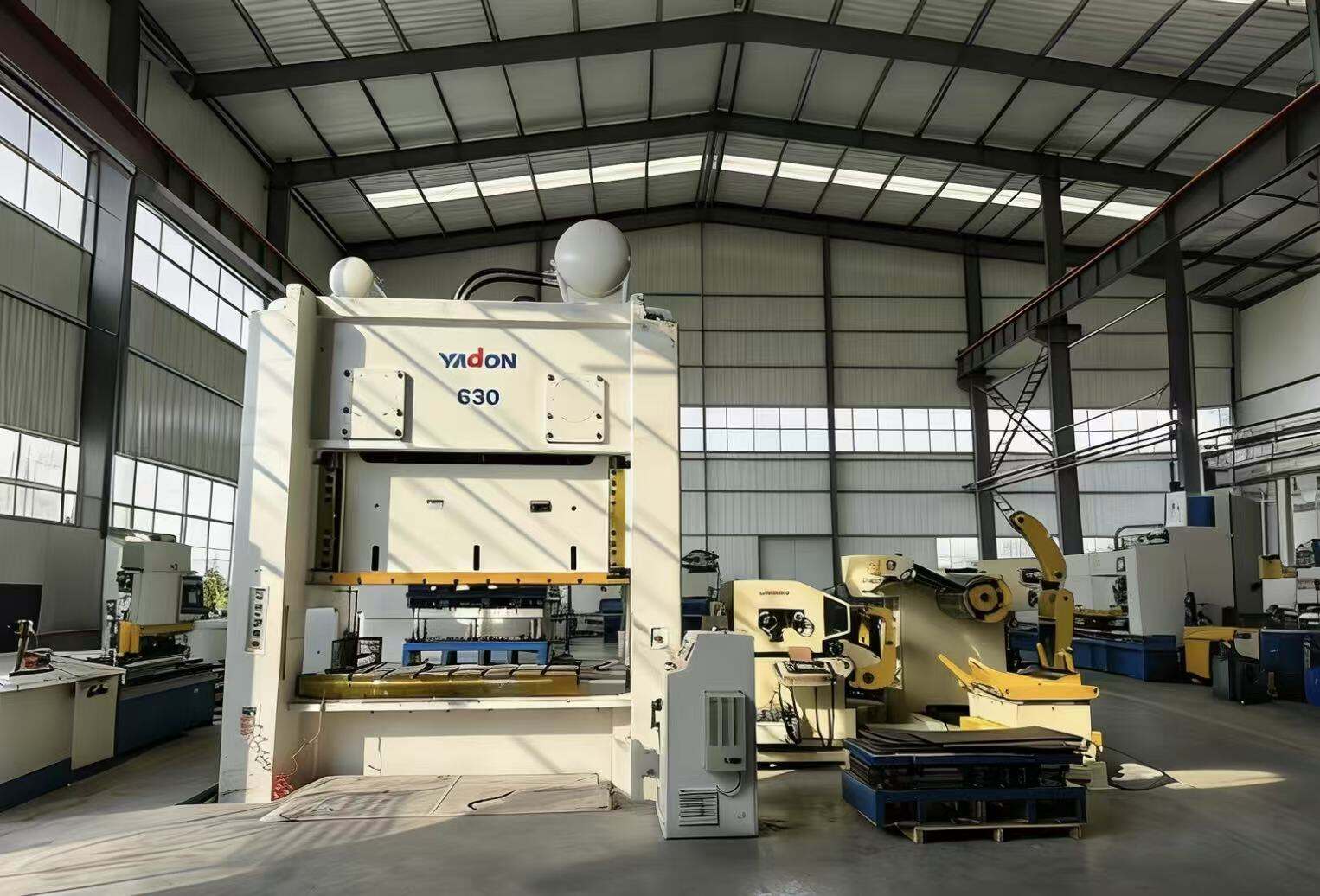
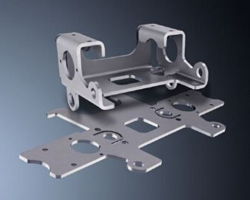
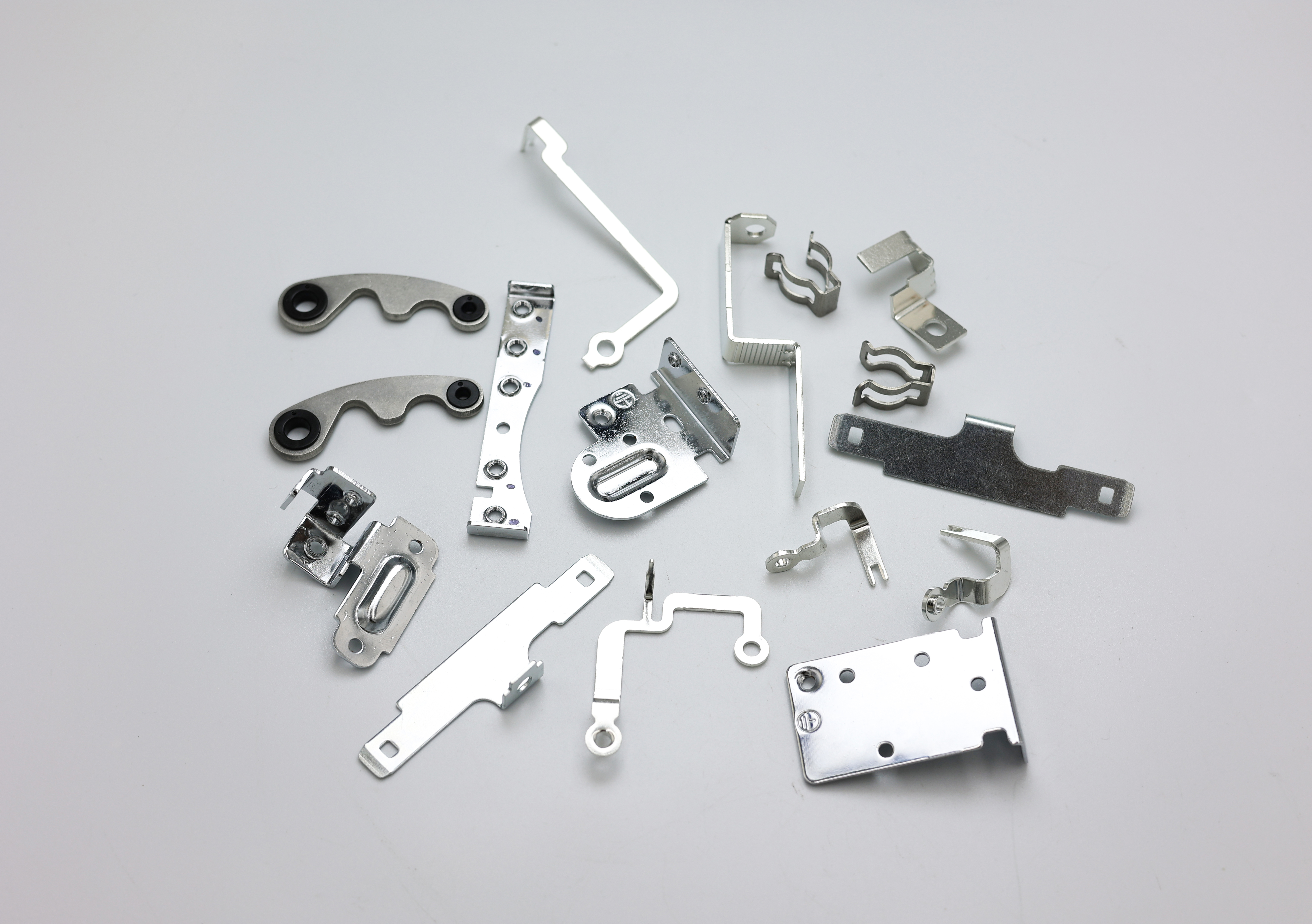
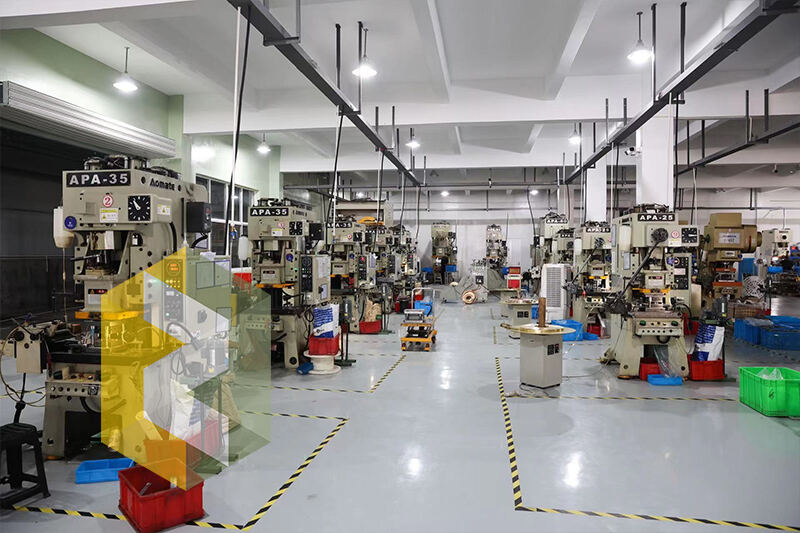
Custom metal stamping fabrication represents a sophisticated manufacturing process that transforms flat metal sheets into precise, three-dimensional components through specialized tooling and machinery. This versatile manufacturing technique employs progressive dies, transfer dies, and single-station presses to create complex geometries with exceptional accuracy and repeatability. The custom metal stamping fabrication process begins with computer-aided design engineering, where skilled technicians develop detailed blueprints and tooling specifications tailored to specific project requirements. Advanced hydraulic and mechanical presses apply controlled pressure to shape various metals including steel, aluminum, brass, copper, and stainless steel into desired configurations. The technological foundation of custom metal stamping fabrication incorporates precision tooling systems that enable manufacturers to produce intricate parts with tight tolerances, often achieving dimensional accuracy within thousandths of an inch. Modern facilities utilize servo-driven presses equipped with programmable controls that optimize force application, timing, and positioning throughout each stamping cycle. Quality control measures integrate coordinate measuring machines, optical inspection systems, and statistical process control protocols to ensure consistent output meeting exact specifications. Custom metal stamping fabrication serves diverse industries including automotive, aerospace, electronics, medical devices, appliances, and telecommunications. Automotive applications encompass body panels, brackets, heat shields, and structural components that require exceptional strength-to-weight ratios. Electronics manufacturers rely on this process for creating precision connectors, heat sinks, and electromagnetic shielding components. The medical device sector utilizes custom metal stamping fabrication for surgical instruments, implantable components, and diagnostic equipment housings that demand biocompatible materials and sterile manufacturing environments. Aerospace applications include lightweight structural elements, mounting brackets, and specialized fasteners that must withstand extreme environmental conditions while maintaining structural integrity.
New Products

Custom metal stamping fabrication delivers exceptional cost-effectiveness for medium to high-volume production runs, significantly reducing per-unit manufacturing costs compared to alternative fabrication methods. Companies achieve substantial savings through efficient material utilization, minimized waste generation, and streamlined production workflows that maximize throughput while maintaining quality standards. The process eliminates secondary operations typically required with machining or welding, reducing labor costs and production time substantially. Quality consistency represents another major advantage of custom metal stamping fabrication, as precision tooling ensures identical dimensional characteristics across thousands or millions of manufactured parts. This reliability eliminates costly quality issues, reduces inspection requirements, and provides confidence in supply chain consistency for critical applications. Speed advantages become apparent in production environments where custom metal stamping fabrication can produce hundreds or thousands of components per hour, depending on part complexity and press capabilities. Rapid changeover procedures enable manufacturers to switch between different part configurations efficiently, supporting flexible production scheduling and quick response to changing market demands. Material versatility allows custom metal stamping fabrication to work with diverse metal alloys, thicknesses, and surface treatments, accommodating specific performance requirements for strength, corrosion resistance, or aesthetic appeal. Design flexibility enables engineers to incorporate complex features such as embossed details, louvers, mounting tabs, and integrated fastening systems directly into stamped components, eliminating assembly steps and reducing overall product complexity. Environmental benefits emerge through efficient material usage, recyclable metal waste streams, and energy-efficient production processes that minimize environmental impact compared to alternative manufacturing approaches. Custom metal stamping fabrication supports lean manufacturing principles by reducing inventory requirements, shortening lead times, and enabling just-in-time delivery schedules that optimize working capital utilization. The process accommodates rapid prototyping needs through soft tooling options that allow design validation and testing before committing to production tooling investments. Scalability advantages enable manufacturers to adjust production volumes efficiently as market demands change, providing flexibility for business growth or seasonal fluctuations without significant capital investment adjustments.

Tips And Tricks

How To Determine The Chemical Stability Of Materials

10

Mar

How To Determine The Chemical Stability Of Materials

View More
Automotive Armrest Slide Rail Production Factory: The Cradle of Quality and Innovation

10

Mar

Automotive Armrest Slide Rail Production Factory: The Cradle of Quality and Innovation

View More
Testing Standards For Corrosion Resistance Of Automotive Parts

10

Mar

Testing Standards For Corrosion Resistance Of Automotive Parts

View More

Get a Free Quote

Our representative will contact you soon.
Email
Mobile/WhatsApp
Name
Company Name
Message
0/1000

custom metal stamping fabrication

Precision Engineering Excellence

Precision Engineering Excellence

Custom metal stamping fabrication achieves remarkable precision engineering standards that exceed traditional manufacturing capabilities through advanced tooling technologies and sophisticated process controls. Modern stamping operations utilize computer-numerical-control systems that monitor and adjust press parameters in real-time, ensuring consistent dimensional accuracy throughout extended production runs. The precision engineering foundation relies on progressive die systems designed with multiple stations that perform sequential forming operations, each carefully calculated to achieve final part geometry within extremely tight tolerances. Tool and die makers employ precision grinding equipment, electrical discharge machining, and coordinate measuring systems to create tooling components with surface finishes and dimensional accuracy measured in micrometers. These precision engineering standards enable custom metal stamping fabrication to produce components with hole locations accurate to within plus-or-minus 0.001 inches, bend angles consistent within one degree, and surface finishes suitable for decorative applications without additional processing. Quality assurance protocols integrate statistical process control methodologies that continuously monitor key dimensional characteristics, automatically adjusting process parameters when measurements approach specification limits. Precision engineering excellence extends to material handling systems that position blanks with repeatable accuracy, ensuring consistent forming conditions for every stamped component. Advanced press controls incorporate load monitoring, position feedback, and speed regulation that optimize forming forces while preventing tool damage or part defects. The precision engineering approach encompasses comprehensive tool maintenance programs that preserve dimensional accuracy through scheduled inspections, preventive maintenance procedures, and precision rework operations when required. Custom metal stamping fabrication facilities invest extensively in environmental controls that maintain consistent temperature and humidity levels, preventing thermal expansion effects that could compromise dimensional precision. Measurement and inspection capabilities include optical comparators, coordinate measuring machines, and laser scanning systems that verify part conformance to engineering specifications with exceptional accuracy and speed.
Rapid Production Scalability

Rapid Production Scalability

Custom metal stamping fabrication provides unparalleled rapid production scalability that enables manufacturers to adjust output volumes efficiently while maintaining cost-effectiveness and quality standards across varying demand scenarios. The inherent scalability advantages stem from automated press systems capable of operating continuously with minimal human intervention, allowing production rates to increase substantially through extended operating schedules rather than additional equipment investments. Progressive die systems designed for custom metal stamping fabrication can accommodate production volumes ranging from thousands to millions of parts annually, with cycle times measured in seconds per component for simple geometries and minutes for complex multi-stage forming operations. Rapid production scalability becomes particularly valuable during market fluctuations where demand variability requires flexible manufacturing responses without compromising delivery commitments or profitability margins. Modern stamping facilities employ quick-change tooling systems that minimize setup times between different part configurations, enabling efficient production of multiple components within single shifts while maximizing equipment utilization rates. The scalability framework incorporates automated material handling systems that feed blanks continuously into press systems, removing bottlenecks associated with manual loading operations and ensuring consistent production flow rates. Custom metal stamping fabrication supports lean manufacturing principles through cellular production arrangements that optimize workflow efficiency and reduce work-in-process inventory levels regardless of production volume requirements. Advanced production planning software integrates with press control systems to optimize job scheduling, tool changes, and material deliveries that support scalable production objectives while minimizing operational costs. Quality control scalability ensures inspection procedures remain effective across different production volumes through automated measurement systems, statistical sampling protocols, and real-time process monitoring that maintains quality standards without proportional increases in inspection labor. The rapid production scalability extends to supply chain integration where custom metal stamping fabrication facilities coordinate with material suppliers, secondary processors, and logistics providers to support volume fluctuations seamlessly. Workforce scalability strategies include cross-trained operators capable of managing multiple press systems and flexible scheduling arrangements that adjust labor resources to match production requirements efficiently.
Cost-Effective Manufacturing Solutions

Cost-Effective Manufacturing Solutions

Custom metal stamping fabrication delivers exceptional cost-effective manufacturing solutions that significantly reduce total production costs while maintaining superior quality standards through optimized processes, efficient material utilization, and streamlined operational workflows. The cost-effectiveness foundation begins with material optimization strategies where nesting software maximizes the number of parts produced from each metal blank, minimizing waste generation and reducing raw material costs per manufactured component. Advanced blank development techniques create material layouts that achieve utilization rates exceeding ninety percent, substantially lowering material expenses compared to alternative fabrication methods that generate higher waste percentages. Labor cost advantages emerge through automated press systems that require minimal operator intervention, allowing single personnel to manage multiple stamping operations simultaneously while maintaining consistent production output and quality standards. Custom metal stamping fabrication eliminates numerous secondary operations typically required with machining processes, including drilling, milling, deburring, and finishing procedures that add significant labor and equipment costs to manufactured components. Tooling investments amortize efficiently across high production volumes, with die costs distributing over hundreds of thousands or millions of stamped parts, resulting in negligible per-unit tooling expenses for volume production applications. Energy efficiency advantages reduce operational overhead costs through optimized press cycles, efficient hydraulic systems, and power management controls that minimize electricity consumption per manufactured component compared to energy-intensive machining operations. Quality-related cost savings accumulate through consistent dimensional accuracy that eliminates rework, scrap losses, and warranty claims associated with dimensional variations common in alternative manufacturing processes. Inventory cost reductions result from shortened lead times and flexible production scheduling capabilities that support just-in-time delivery requirements, minimizing working capital requirements and storage expenses. Custom metal stamping fabrication enables design optimization opportunities that consolidate multiple machined components into single stamped parts, reducing assembly labor, fastener costs, and potential failure points while improving overall product reliability. Maintenance cost advantages stem from robust press systems designed for continuous operation with predictable maintenance requirements and readily available replacement components that minimize unexpected downtime expenses. The cost-effective manufacturing approach extends to logistics optimization where efficient packaging, reduced shipping weights, and standardized handling procedures lower transportation and distribution costs throughout the supply chain.

Get a Free Quote

Our representative will contact you soon.
Email
Mobile/WhatsApp
Name
Company Name
Message
0/1000