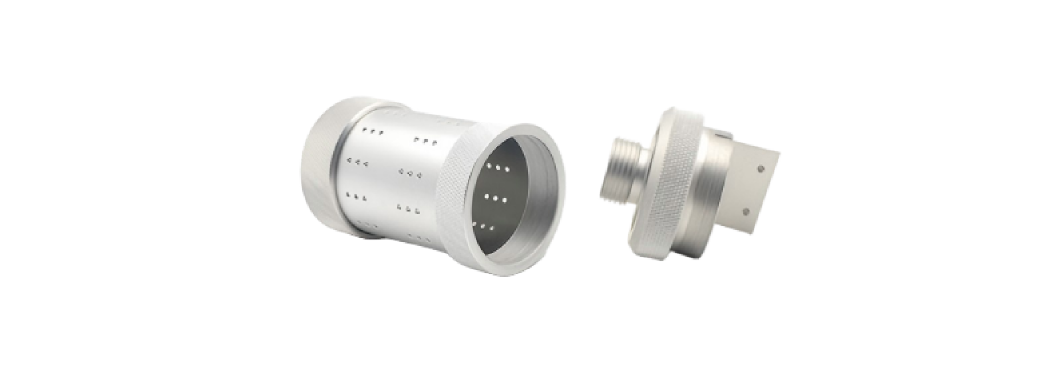
custom metal stamping dies
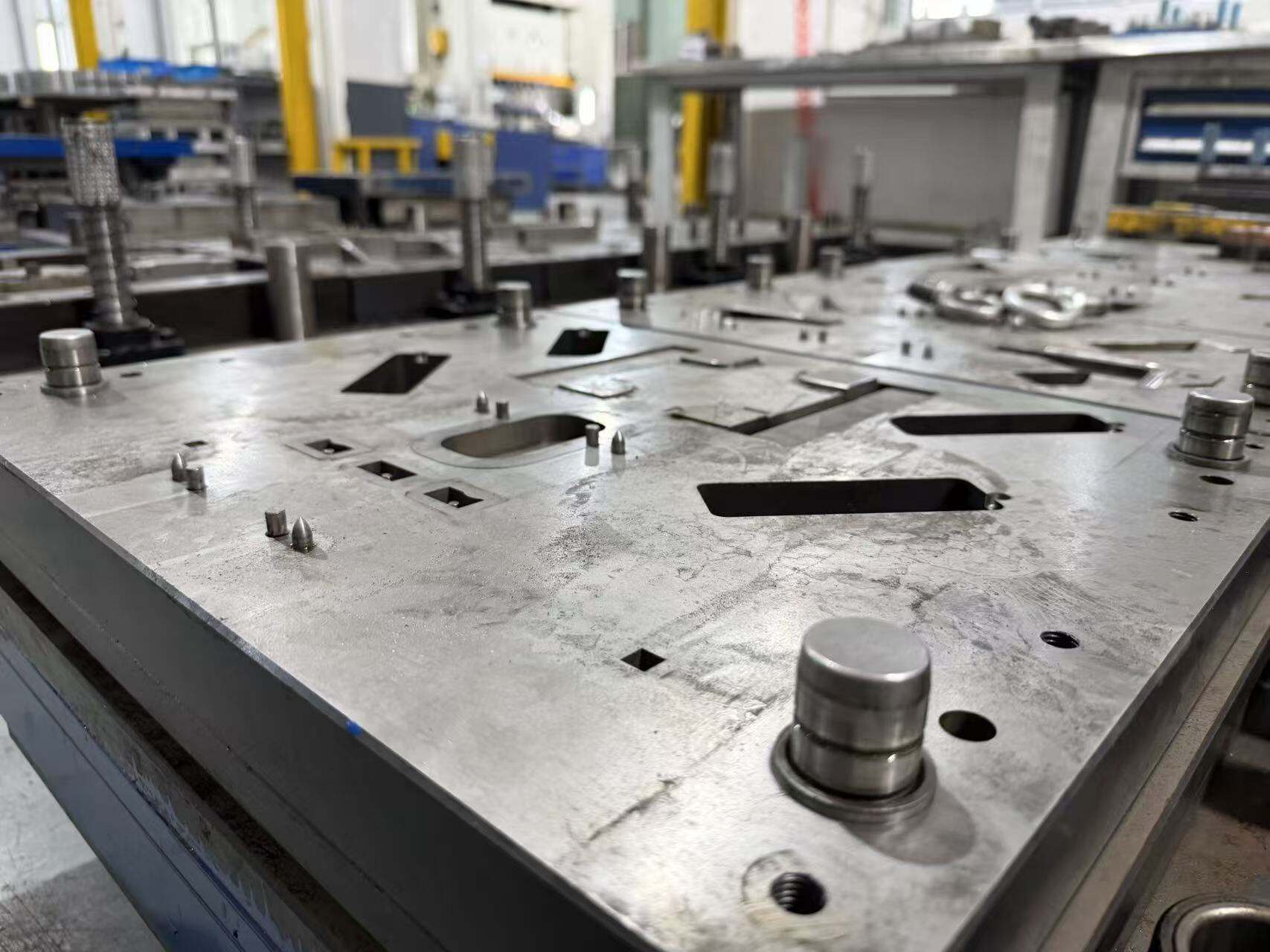
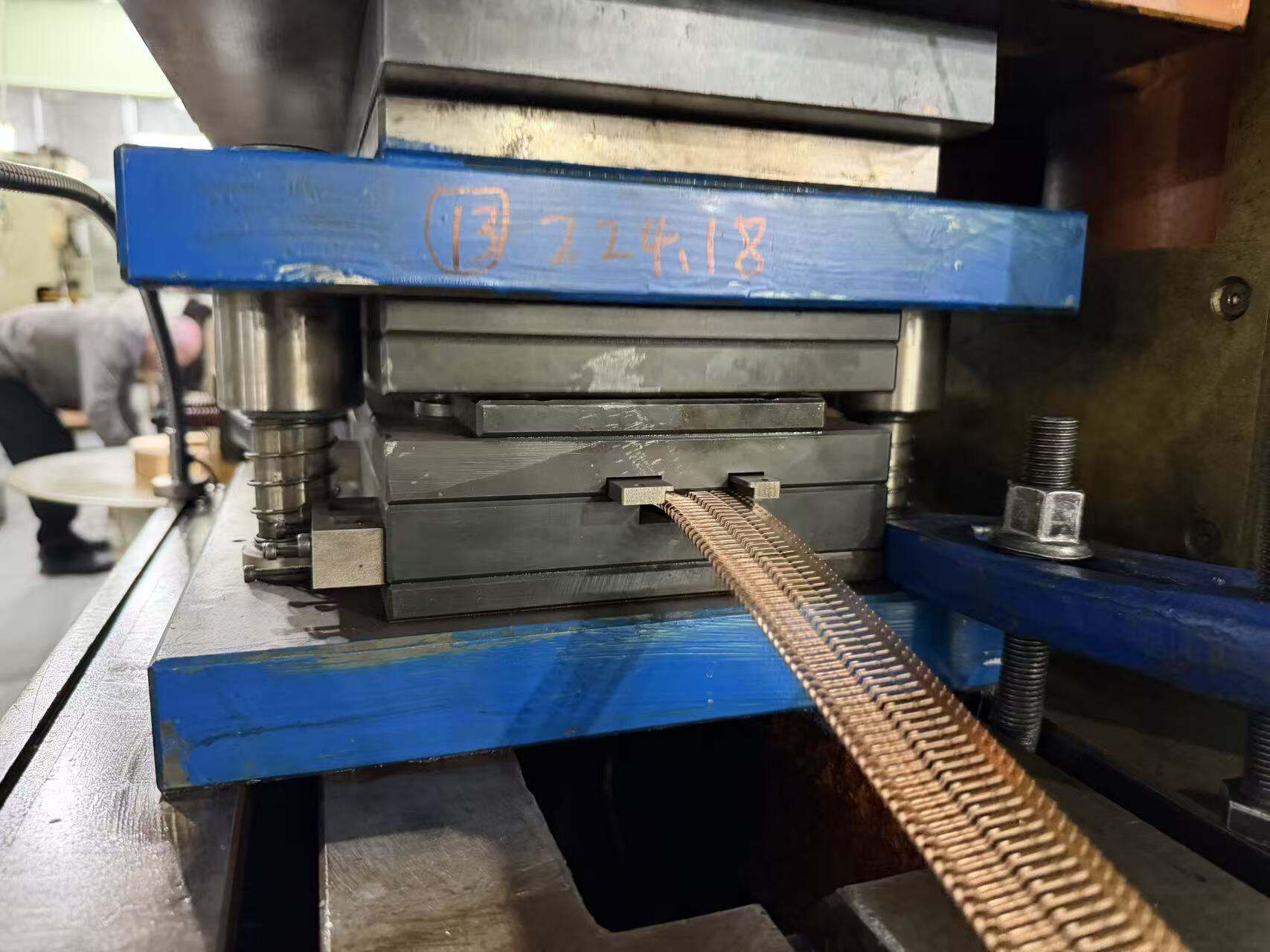
Custom metal stamping dies represent sophisticated manufacturing tools engineered to transform raw metal sheets into precise, complex components through controlled deformation processes. These specialized dies function as the cornerstone of high-volume metal fabrication, enabling manufacturers to produce consistent, accurate parts with remarkable efficiency. The fundamental operation involves positioning metal blanks between upper and lower die sections, where tremendous hydraulic or mechanical pressure shapes the material into predetermined configurations. Custom metal stamping dies incorporate intricate cavity designs, cutting edges, and forming surfaces that collectively determine the final product's geometry, dimensional accuracy, and surface quality. The technological features of these dies include hardened tool steel construction, precision-ground surfaces, and sophisticated ejection systems that ensure smooth part removal. Advanced custom metal stamping dies often integrate progressive stages, allowing multiple operations within a single press cycle, significantly reducing production time and labor costs. The tooling design process requires extensive engineering analysis, including material flow calculations, stress distribution modeling, and wear pattern predictions to optimize die longevity. Modern custom metal stamping dies utilize computer-aided design software and finite element analysis to refine forming sequences and minimize material waste. Applications span numerous industries, from automotive body panels and engine components to electronic housings and aerospace structural elements. The versatility of custom metal stamping dies enables production of parts ranging from simple brackets to complex multi-formed assemblies with tight tolerances. These tools accommodate various materials including steel, aluminum, brass, copper, and specialized alloys, each requiring specific die treatments and forming parameters. Quality control mechanisms built into custom metal stamping dies ensure dimensional consistency across millions of production cycles, making them indispensable for mass manufacturing operations.

 EN
EN