Custom Metal Stamping Parts: Precision Manufacturing Solutions for Industrial Applications

All Categories

Get a Free Quote

Our representative will contact you soon.
Email
Mobile/WhatsApp
Name
Company Name
Message
0/1000

custom metal stamping parts

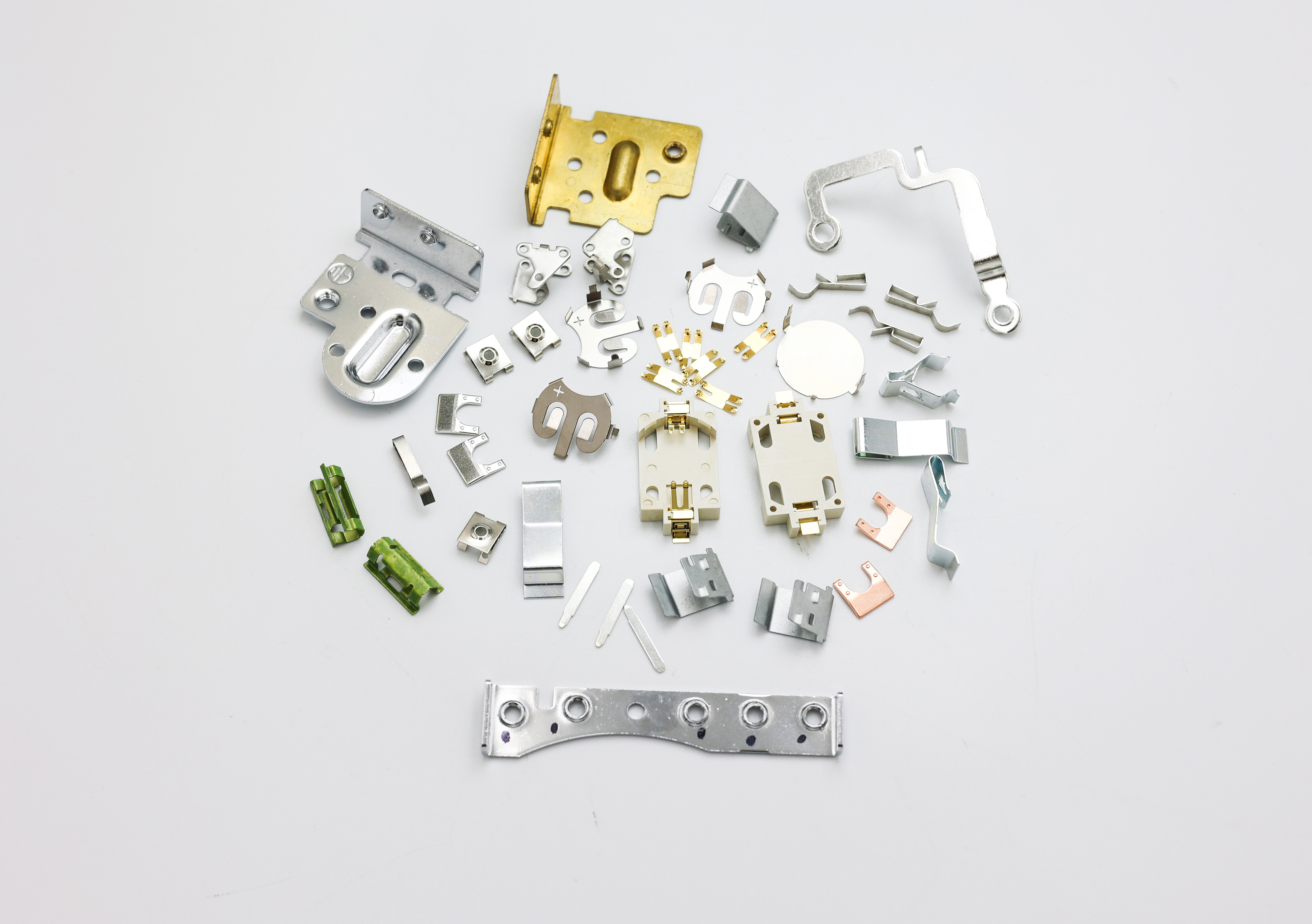
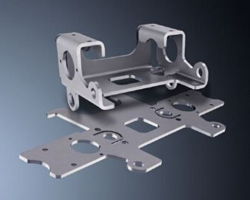
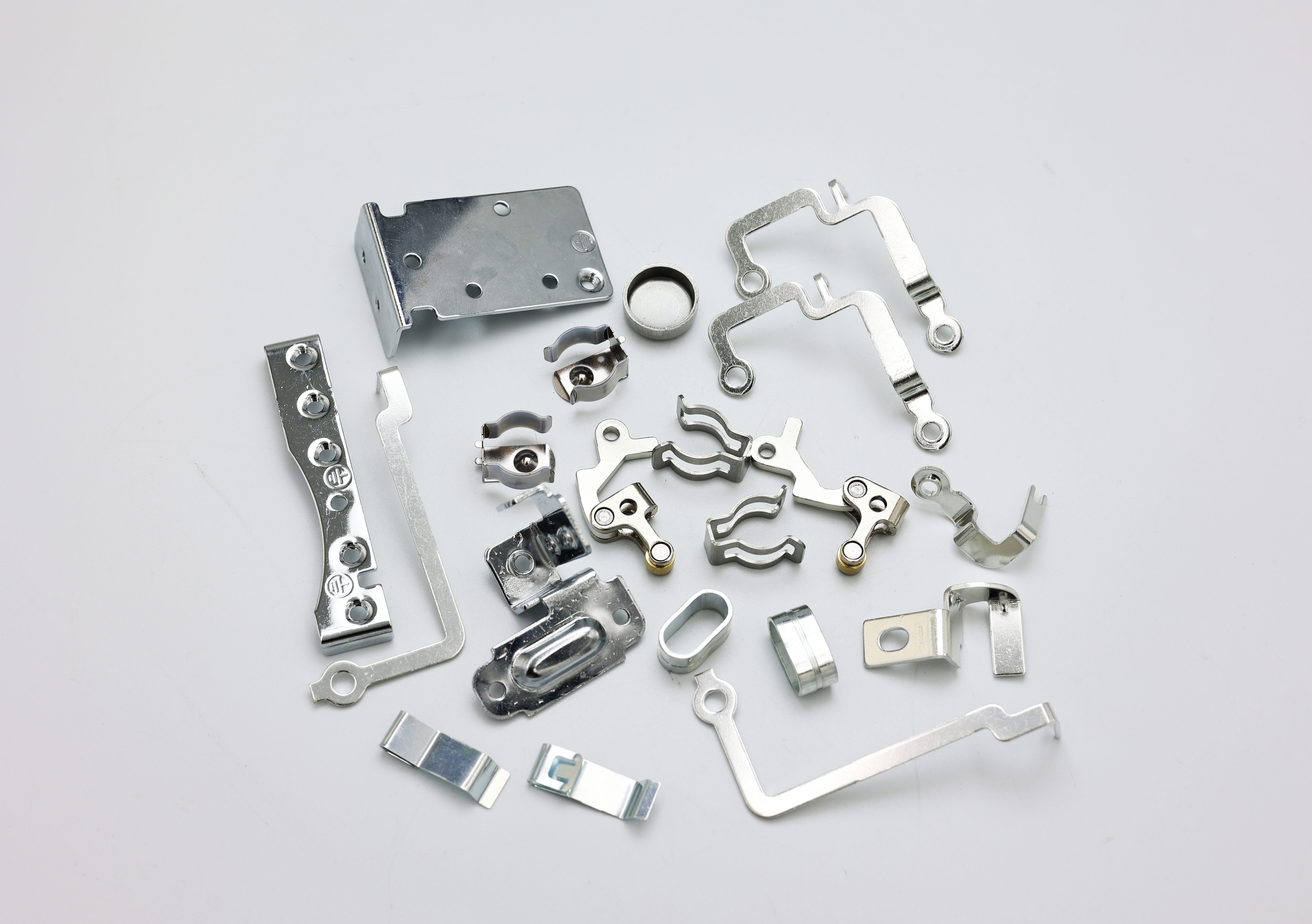
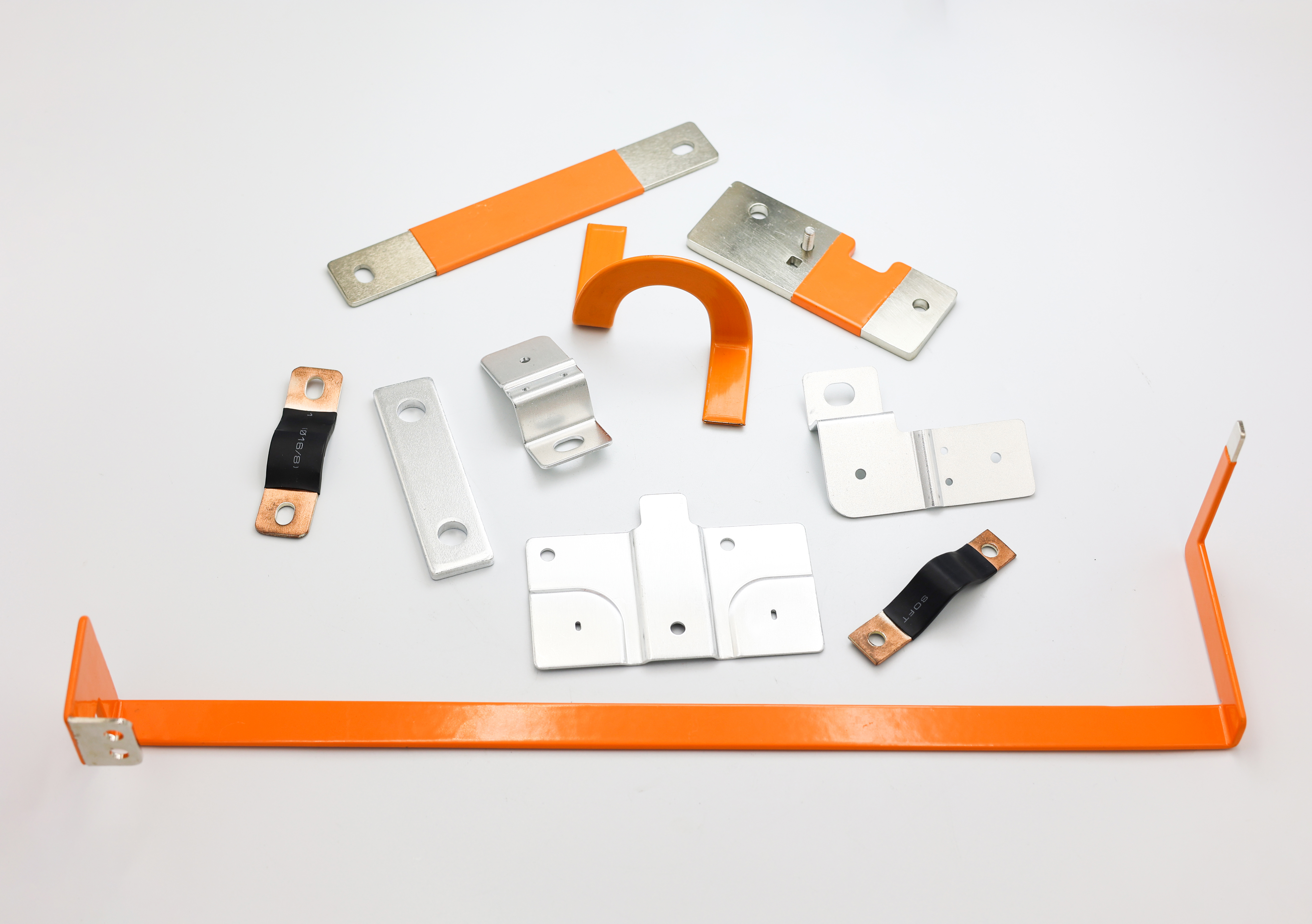
Custom metal stamping parts represent a sophisticated manufacturing solution that transforms flat metal sheets into complex three-dimensional components through precise pressing, cutting, and forming operations. This manufacturing process utilizes specialized dies and high-pressure equipment to create parts with exceptional accuracy and consistency. The fundamental principle involves placing metal sheets between custom-designed dies, where controlled pressure shapes the material into desired configurations without compromising structural integrity. Custom metal stamping parts serve multiple functions across diverse industries, primarily providing structural support, electrical conductivity, mechanical fastening, and aesthetic enhancement. These components excel in applications requiring high-volume production with tight tolerances, making them indispensable for automotive assemblies, electronic enclosures, appliance manufacturing, and aerospace applications. The technological features of custom metal stamping parts include progressive die capabilities, which enable multiple operations in a single press stroke, significantly reducing production time and costs. Advanced computer-aided design systems ensure precise tooling development, while modern press equipment delivers consistent force distribution for uniform part quality. Material versatility stands as another key feature, accommodating various metals including steel, aluminum, copper, brass, and specialty alloys. Surface finishing options range from basic deburring to complex coatings, plating, or powder coating applications. Quality control systems integrate dimensional inspection, material testing, and statistical process control to maintain rigorous standards. Applications for custom metal stamping parts span numerous sectors, including automotive brackets, electronic housings, medical device components, construction hardware, and consumer appliance parts. The aerospace industry relies heavily on these components for lightweight yet durable solutions, while the electronics sector demands precise tolerances for connector pins, heat sinks, and shielding components. Manufacturing flexibility allows for rapid prototyping and design modifications, enabling companies to respond quickly to market demands while maintaining cost-effective production methods.
New Products

Custom metal stamping parts deliver exceptional cost-effectiveness through high-volume manufacturing capabilities that significantly reduce per-unit costs compared to alternative production methods. This economic advantage becomes particularly pronounced when producing thousands or millions of identical components, as the initial tooling investment distributes across the entire production run. The speed of production represents another major benefit, with modern stamping presses capable of producing hundreds of parts per minute while maintaining consistent quality standards. This rapid production capability enables manufacturers to meet tight delivery schedules and respond quickly to market fluctuations. Precision and repeatability stand as cornerstone advantages of custom metal stamping parts, with modern equipment achieving tolerances within thousandths of an inch consistently across entire production runs. This reliability eliminates the variation typically associated with manual manufacturing processes, ensuring every component meets exact specifications. Material efficiency maximizes resource utilization, as advanced nesting software optimizes sheet layouts to minimize waste, contributing to both cost savings and environmental sustainability. The strength-to-weight ratio of stamped parts often exceeds that of machined or cast alternatives, as the stamping process work-hardens the material, increasing its mechanical properties without adding weight. Versatility in design accommodates complex geometries, including bends, holes, embossed features, and intricate patterns that would be difficult or impossible to achieve through other manufacturing methods. Quality assurance benefits from integrated inspection systems that monitor dimensional accuracy, surface finish, and material properties throughout the production process. Lead time advantages emerge from streamlined production workflows, where established tooling and proven processes enable rapid order fulfillment compared to custom machining or casting operations. Scalability allows production volumes to adjust efficiently based on demand, from prototype quantities to millions of parts annually. Surface finish options provide enhanced functionality and appearance, including protective coatings, decorative plating, and specialized treatments for specific environmental conditions. Supply chain integration simplifies procurement processes, as established stamping facilities typically offer comprehensive services including material sourcing, secondary operations, and quality certification, reducing the complexity of managing multiple suppliers while ensuring consistent delivery performance.

Practical Tips

How To Determine The Chemical Stability Of Materials

10

Mar

How To Determine The Chemical Stability Of Materials

View More
Automotive Armrest Slide Rail Production Factory: The Cradle of Quality and Innovation

10

Mar

Automotive Armrest Slide Rail Production Factory: The Cradle of Quality and Innovation

View More
Testing Standards For Corrosion Resistance Of Automotive Parts

10

Mar

Testing Standards For Corrosion Resistance Of Automotive Parts

View More

Get a Free Quote

Our representative will contact you soon.
Email
Mobile/WhatsApp
Name
Company Name
Message
0/1000

custom metal stamping parts

Exceptional Precision and Consistency Through Advanced Tooling Technology

Exceptional Precision and Consistency Through Advanced Tooling Technology

Custom metal stamping parts achieve unparalleled precision through sophisticated tooling technology that ensures every component meets exact specifications with remarkable consistency. Modern progressive dies incorporate multiple forming stations within a single tool, enabling complex geometries to develop gradually as the material advances through each stage. This methodical approach eliminates the cumulative errors often associated with multi-step manufacturing processes, resulting in dimensional accuracy that consistently achieves tolerances within ±0.001 inches or better. Computer numerical control systems guide the entire process, monitoring force application, material feed rates, and positioning with microscopic precision. The value this brings to customers extends far beyond mere dimensional accuracy, encompassing reduced assembly time, improved product performance, and enhanced reliability in final applications. Automotive manufacturers particularly benefit from this precision when producing critical safety components where dimensional variations could compromise performance or regulatory compliance. Electronic device manufacturers rely on this consistency for components requiring precise fits within compact assemblies, where even minor variations could prevent proper assembly or affect functionality. The advanced tooling technology also incorporates real-time monitoring systems that detect wear patterns and automatically adjust parameters to maintain consistent output quality throughout extended production runs. Progressive die designs enable the simultaneous execution of multiple operations including blanking, piercing, forming, and trimming within a single press stroke, dramatically improving efficiency while maintaining tight tolerances. Quality control integration throughout the stamping process ensures that dimensional verification occurs at critical stages, preventing the production of non-conforming parts and minimizing waste. This precision capability extends to complex features such as threaded holes, precise bend radii, and intricate embossed patterns that would challenge other manufacturing methods. The consistency achieved through advanced tooling technology translates directly into reduced downstream costs for customers, as precise parts require minimal secondary operations and assembly adjustments, ultimately improving overall manufacturing efficiency and product quality.
Superior Material Utilization and Environmental Sustainability

Superior Material Utilization and Environmental Sustainability

Custom metal stamping parts excel in material utilization efficiency, achieving waste reduction levels that significantly surpass alternative manufacturing methods while contributing to environmental sustainability goals. Advanced nesting software optimizes material layouts by analyzing part geometries and arranging components to maximize sheet utilization, often achieving material efficiency rates exceeding ninety percent. This optimization process considers factors such as grain direction, part orientation, and scrap bridge requirements to ensure both material conservation and part quality. The environmental benefits extend beyond waste reduction, as the cold forming process eliminates the energy-intensive heating requirements associated with casting or forging operations. Recycling capabilities allow scrap material generated during production to be immediately reclaimed and reprocessed, creating a closed-loop system that minimizes environmental impact. Customers benefit economically from this material efficiency through reduced raw material costs, particularly important when working with expensive alloys or specialty materials. The stamping process work-hardens materials during forming, increasing strength properties without requiring additional heat treatment or alloying elements, providing superior mechanical characteristics while conserving resources. Progressive die designs enable the production of multiple part types from a single sheet, further optimizing material usage when manufacturing component families or assemblies. Lean manufacturing principles integrate seamlessly with stamping operations, as the process generates predictable scrap patterns that facilitate accurate material planning and inventory management. Quality material utilization extends to secondary operations, where precise blanks reduce machining waste and finishing material requirements. The environmental sustainability aspect resonates strongly with companies pursuing green manufacturing initiatives, as reduced material waste directly correlates with lower carbon footprints and resource consumption. Material traceability systems track usage efficiency throughout production runs, providing data for continuous improvement initiatives and sustainability reporting. Suppliers often offer material buy-back programs for production scrap, creating additional economic value while supporting circular economy principles. This superior material utilization capability positions custom metal stamping parts as an environmentally responsible manufacturing choice that delivers both economic and ecological benefits.
Rapid Production Scalability with Flexible Manufacturing Capabilities

Rapid Production Scalability with Flexible Manufacturing Capabilities

Custom metal stamping parts provide unmatched production scalability that enables manufacturers to efficiently adjust output volumes from prototype quantities to millions of units annually while maintaining consistent quality and cost-effectiveness. This scalability stems from the inherent flexibility of stamping equipment and tooling systems that accommodate varying production demands without requiring extensive setup changes or process modifications. High-speed progressive presses can operate at rates exceeding 1,000 strokes per minute for simple parts, while complex components requiring multiple forming operations maintain efficient production speeds that far exceed alternative manufacturing methods. The value proposition for customers includes the ability to launch products with modest initial volumes while retaining the capability to scale rapidly as market demand increases. Prototype and short-run tooling options enable cost-effective initial production using simplified dies that can later be upgraded to full production tooling without design changes. Flexible manufacturing systems accommodate multiple part families within single production campaigns, optimizing equipment utilization and reducing changeover times. Quick-change tooling systems enable rapid transitions between different part configurations, minimizing downtime and maximizing productive capacity. Multi-slide stamping capabilities expand design possibilities by enabling complex three-dimensional forms that incorporate multiple bends, angles, and features in a single operation. Secondary operation integration allows stamping facilities to provide comprehensive manufacturing services including tapping, welding, assembly, and finishing within unified production workflows. Quality systems scale proportionally with production volumes, maintaining rigorous inspection standards whether producing hundreds or millions of components. Lead time predictability improves with established processes and proven tooling, enabling accurate delivery commitments even for high-volume orders. Capacity planning tools help customers forecast production requirements and schedule deliveries to support just-in-time manufacturing strategies. Automation integration enhances scalability by reducing labor dependencies and enabling continuous operation capabilities for high-volume applications. The combination of rapid production capabilities and flexible manufacturing systems positions custom metal stamping parts as an ideal solution for companies requiring responsive manufacturing partners capable of supporting growth while maintaining competitive pricing and delivery performance throughout various production phases.

Get a Free Quote

Our representative will contact you soon.
Email
Mobile/WhatsApp
Name
Company Name
Message
0/1000