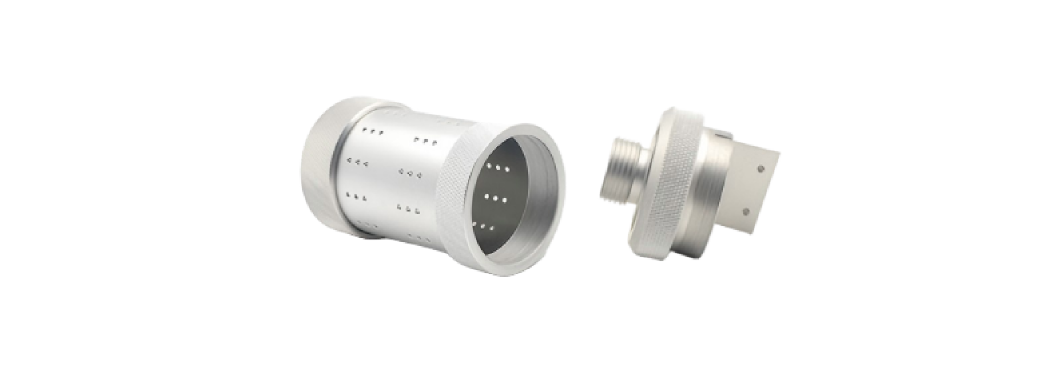
custom metal stamping components
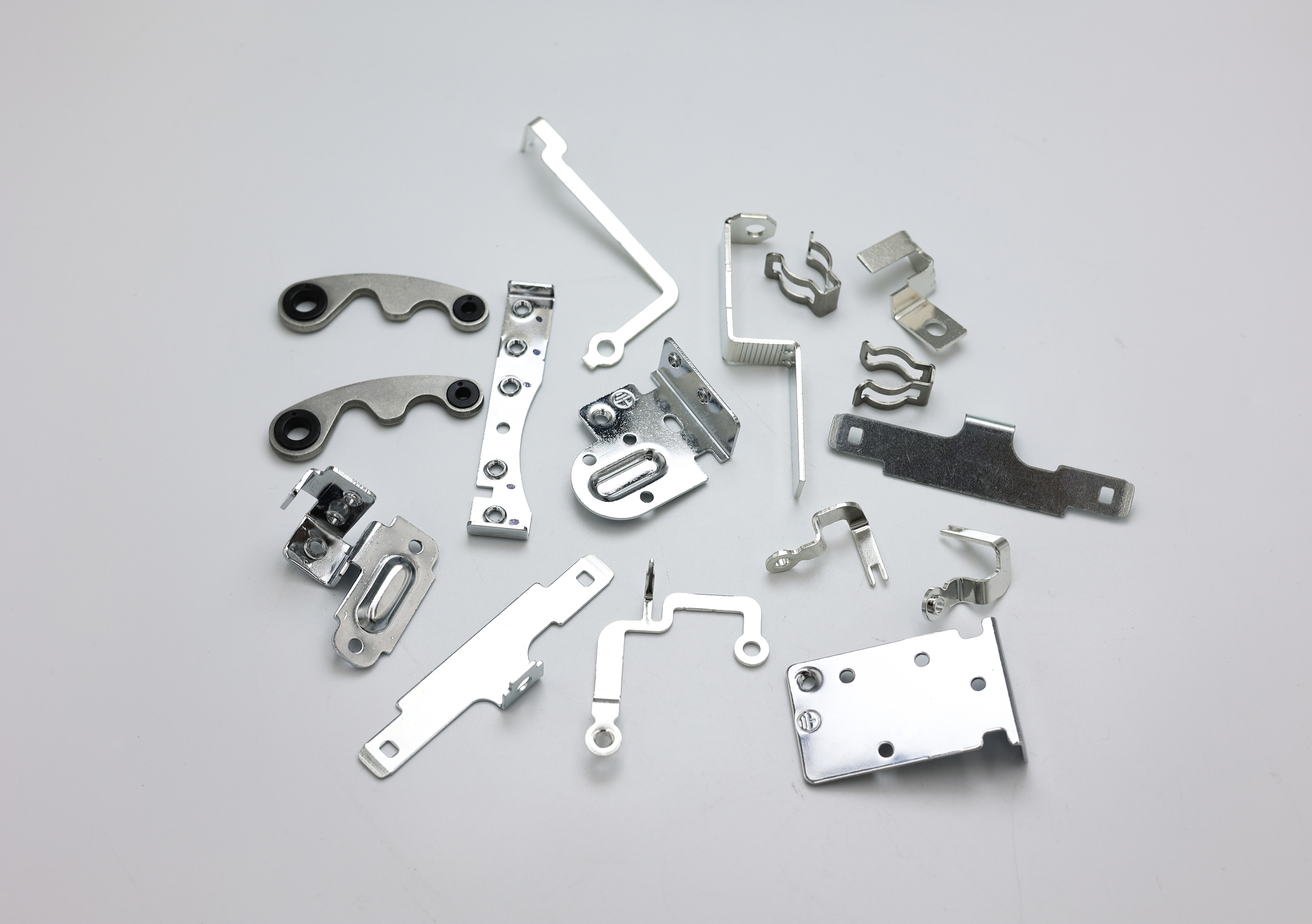
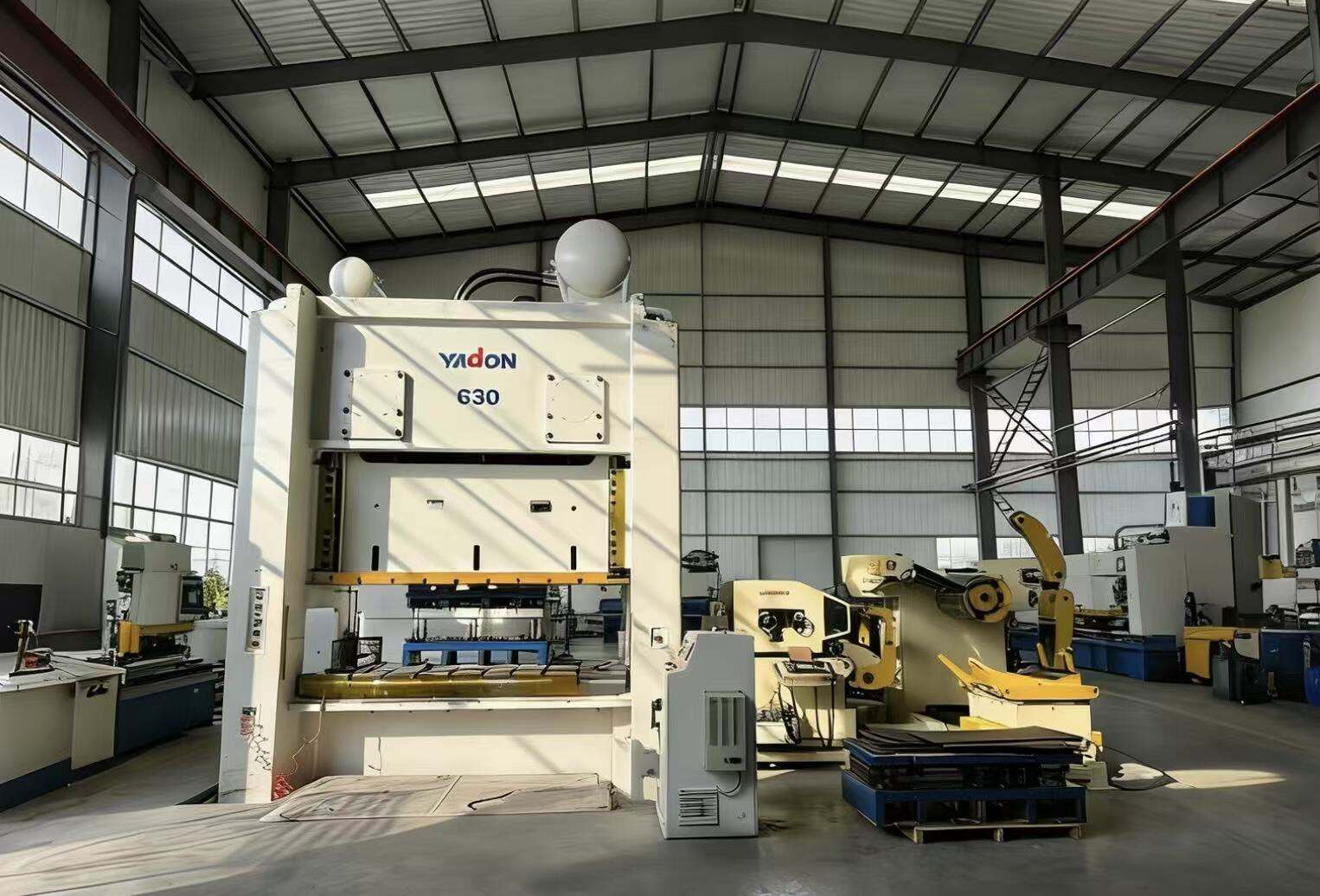
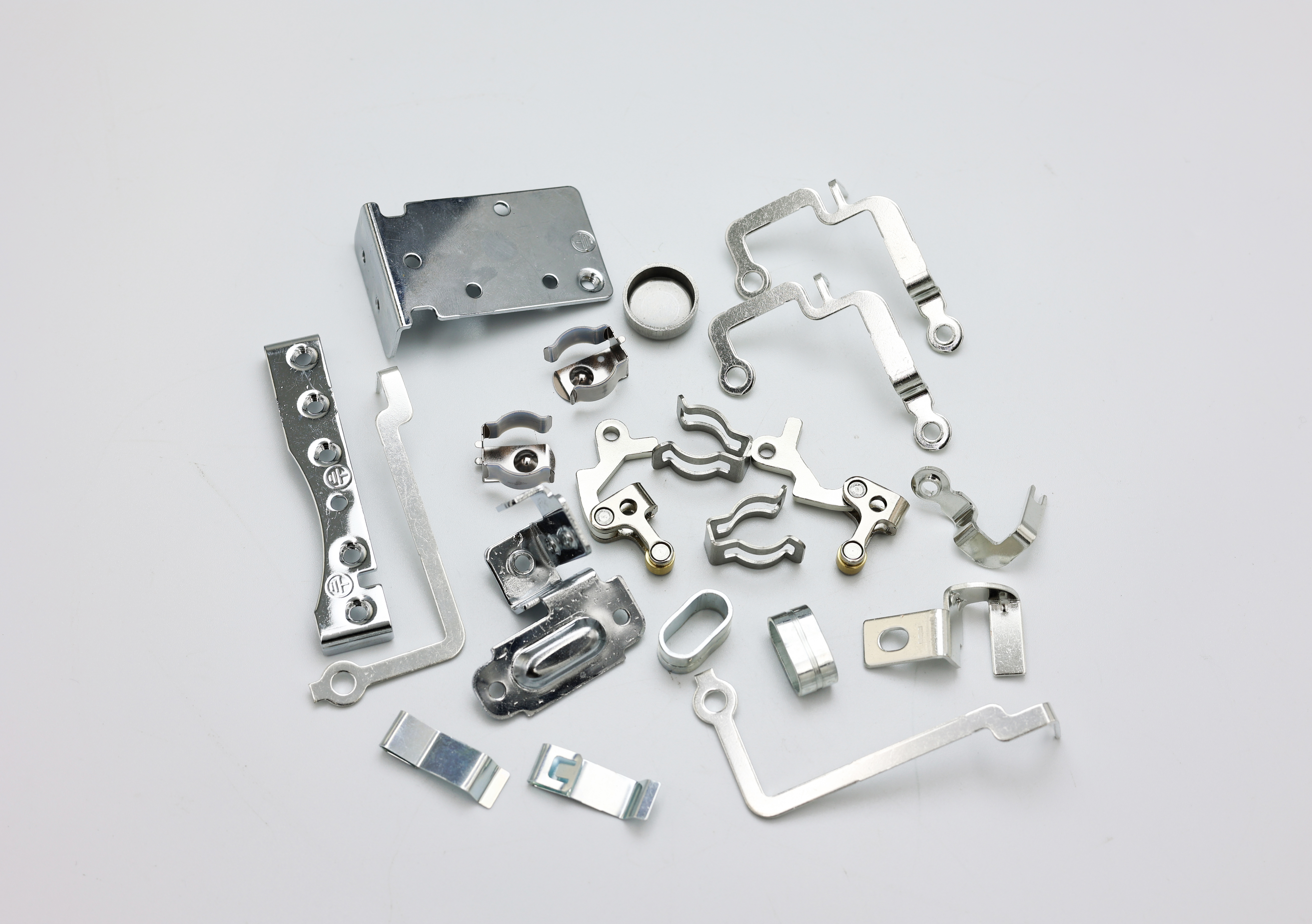
Custom metal stamping components represent a sophisticated manufacturing process that transforms flat metal sheets into precisely shaped, three-dimensional parts through the application of specialized dies and presses. This advanced fabrication technique involves feeding metal blanks through progressive stamping stations where each stage performs specific operations such as cutting, bending, forming, piercing, and embossing. The process utilizes high-tonnage mechanical or hydraulic presses equipped with custom-designed tooling to create components that meet exact specifications and tolerances. Custom metal stamping components serve multiple critical functions across diverse industries, primarily providing structural support, electrical connectivity, mechanical fastening, and aesthetic enhancement in finished products. The technology behind these components incorporates computer-aided design software, precision machining capabilities, and automated quality control systems to ensure consistent dimensional accuracy and surface finish quality. Modern stamping operations can handle various metal materials including steel, aluminum, brass, copper, and specialized alloys, with thickness ranges from ultra-thin foils to heavy-gauge plates. The versatility of custom metal stamping components makes them indispensable in automotive manufacturing, where they form body panels, brackets, and interior hardware. Electronics industries rely on these components for circuit board shields, connector housings, and heat sinks. Appliance manufacturers integrate stamped parts into washing machines, refrigerators, and heating systems. Medical device companies utilize precision-stamped components for surgical instruments, diagnostic equipment, and implantable devices. Aerospace applications demand high-performance custom metal stamping components for aircraft structures, engine components, and avionics housings. The construction industry incorporates these parts into building hardware, HVAC systems, and architectural elements. Agricultural equipment relies on durable stamped components for machinery frames, implements, and protective covers.

 EN
EN