High Volume Custom Metal Stamping Services - Precision Manufacturing Solutions

All Categories

Get a Free Quote

Our representative will contact you soon.
Email
Mobile/WhatsApp
Name
Company Name
Message
0/1000

high volume custom metal stamping

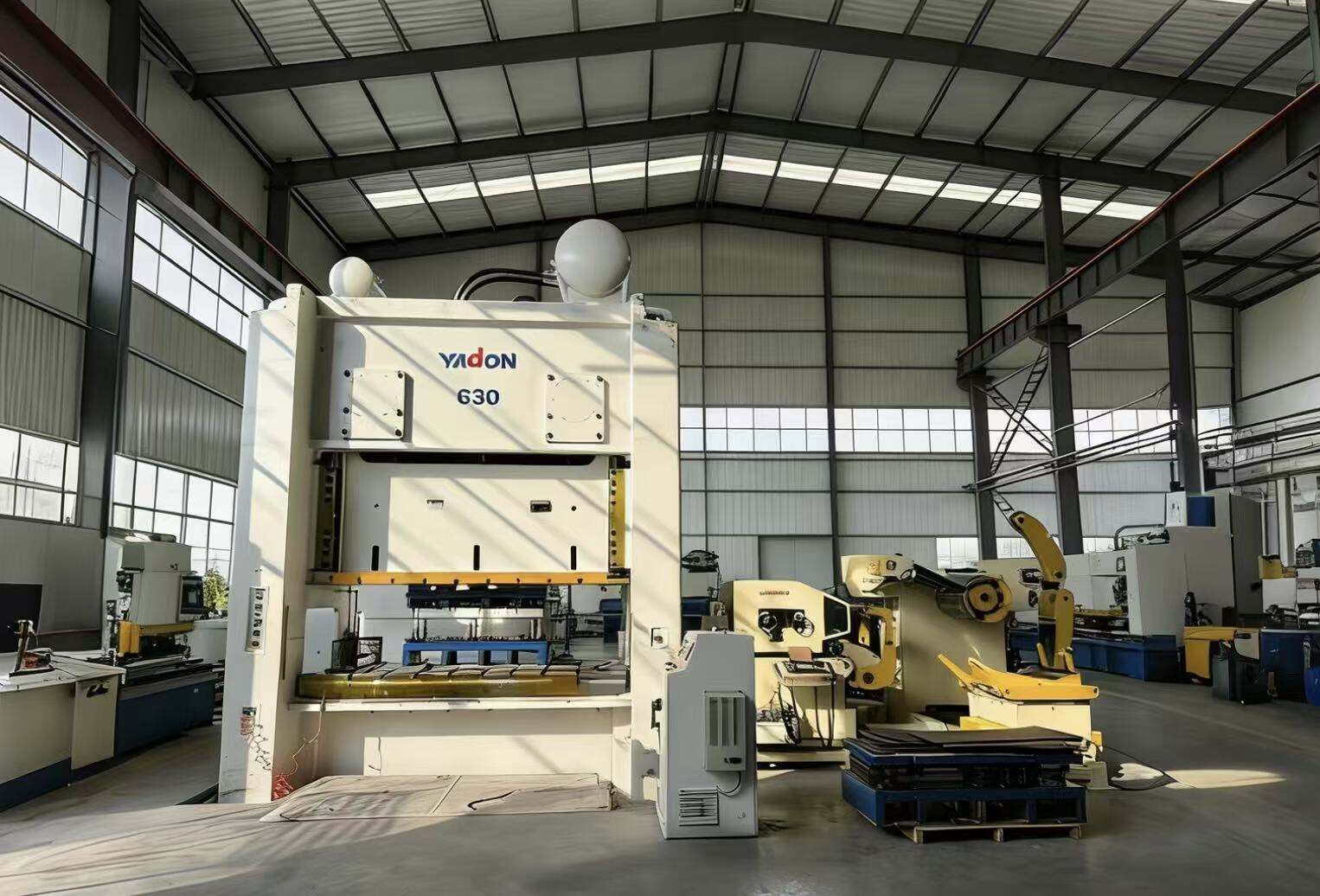
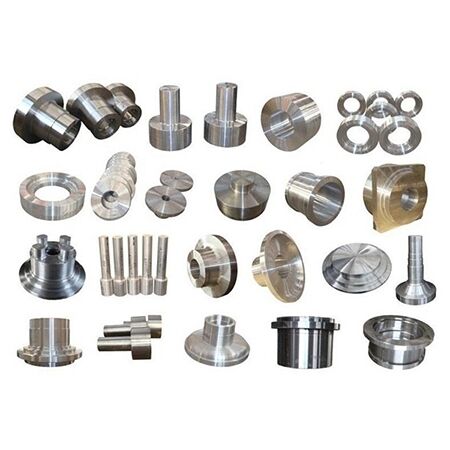
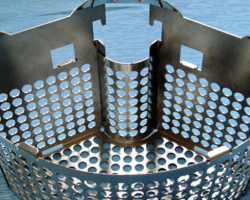
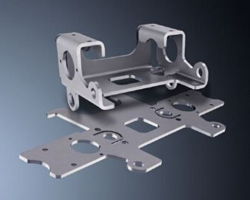
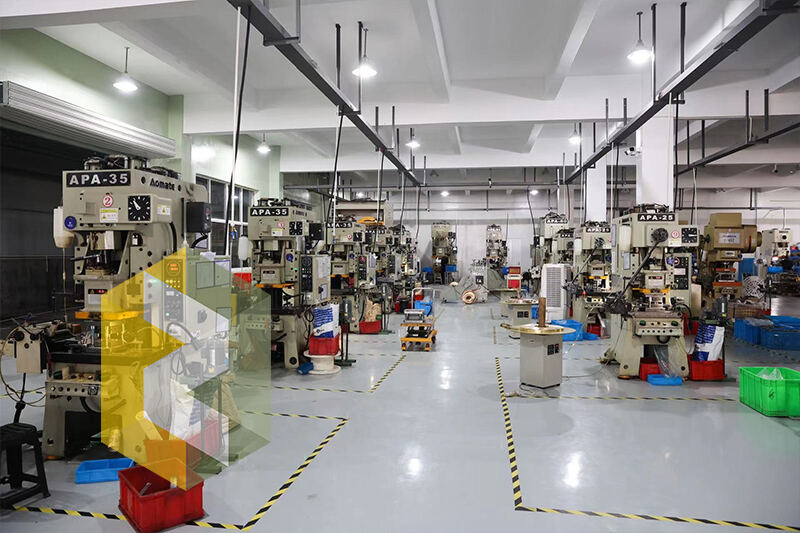
High volume custom metal stamping represents a sophisticated manufacturing process that transforms flat metal sheets into precisely shaped components through the application of controlled force and specialized tooling. This industrial technique utilizes powerful hydraulic or mechanical presses equipped with custom-designed dies to create identical parts at remarkable speeds and volumes. The process begins with careful material selection, where engineers choose appropriate metal alloys based on strength requirements, corrosion resistance, and final application demands. Advanced computer-aided design systems enable the creation of intricate die sets that can produce complex geometries with exceptional dimensional accuracy. The technological foundation of high volume custom metal stamping relies on progressive die systems that perform multiple operations in a single press stroke, including blanking, piercing, forming, and trimming. Modern stamping facilities employ servo-driven presses that provide precise control over ram speed, position, and force application throughout the forming cycle. Quality control systems integrate real-time monitoring sensors that detect variations in material thickness, die alignment, and finished part dimensions. Secondary operations such as deburring, surface treatment, and assembly can be incorporated directly into the production line to deliver finished components ready for immediate use. The versatility of high volume custom metal stamping extends across numerous material types, including carbon steel, stainless steel, aluminum, brass, copper, and specialized alloys. Part complexity ranges from simple brackets and washers to intricate automotive components featuring multiple bends, holes, and formed features. Production capabilities typically handle material thicknesses from 0.010 inches to several inches, with part sizes ranging from miniature electronic components to large structural elements. The process accommodates both short-run prototyping and massive production volumes exceeding millions of parts annually, making it an ideal solution for diverse manufacturing requirements across multiple industries.
New Products

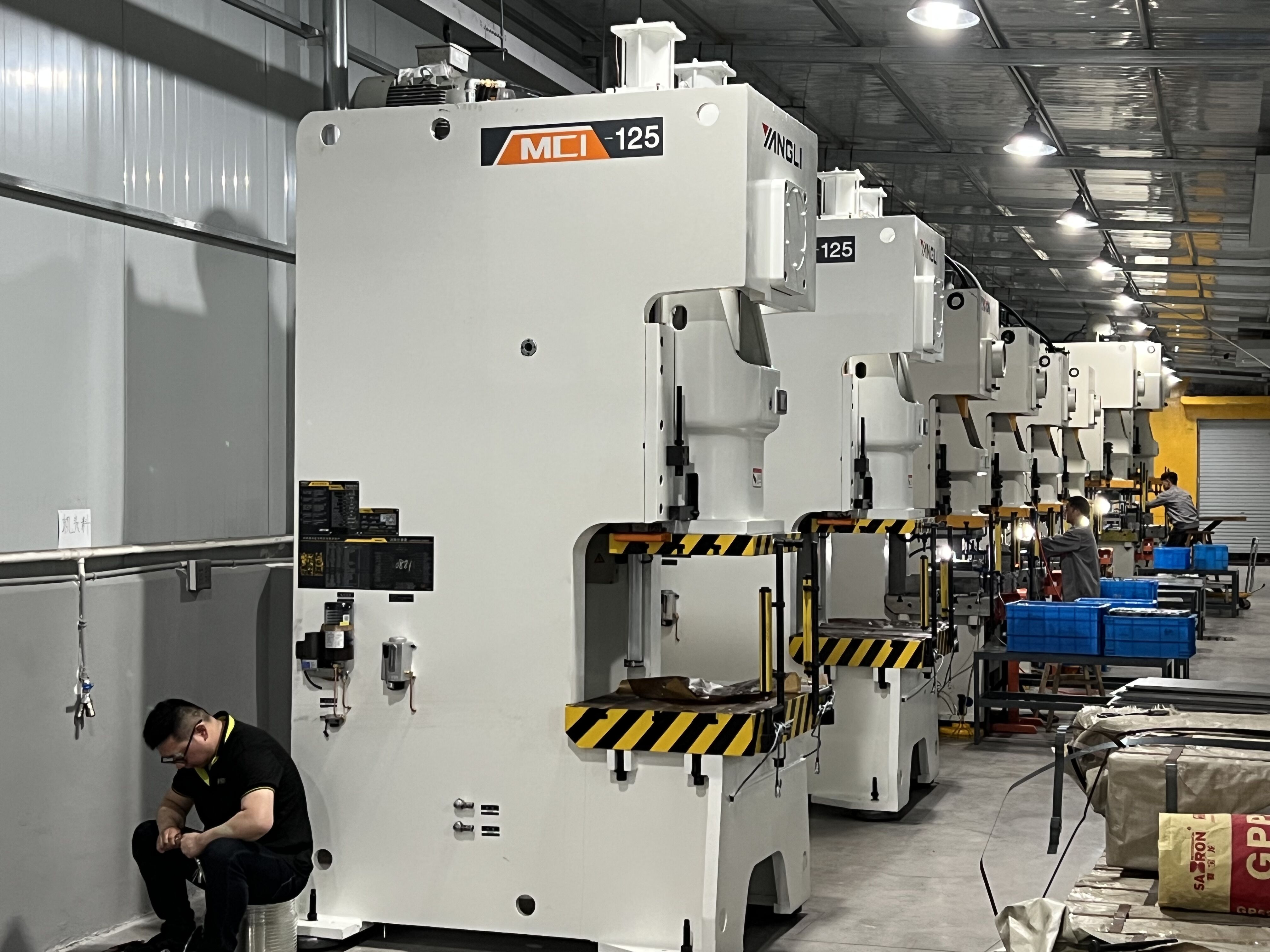
High volume custom metal stamping delivers exceptional cost-effectiveness by distributing tooling investments across large production quantities, resulting in dramatically reduced per-unit costs compared to alternative manufacturing methods. The economies of scale achieved through this process make it particularly attractive for companies requiring substantial quantities of identical components. Production efficiency reaches impressive levels through automated material handling systems and progressive die configurations that complete multiple forming operations simultaneously, eliminating the need for separate machining steps and reducing overall manufacturing time. The remarkable speed of modern stamping presses enables the production of hundreds or thousands of parts per hour, ensuring rapid fulfillment of large orders while maintaining consistent delivery schedules. Quality consistency stands as a fundamental advantage, with each stamped part exhibiting identical dimensions, surface finish, and mechanical properties throughout the entire production run. Advanced die design and precision tooling eliminate the variability associated with manual manufacturing processes, resulting in parts that meet strict tolerance requirements without extensive secondary operations. Material efficiency represents another significant benefit, as the stamping process optimizes material usage through strategic nesting patterns and minimal waste generation. The ability to work with pre-coated materials eliminates additional finishing steps, reducing both processing time and environmental impact. Flexibility in design modifications allows manufacturers to implement engineering changes through die adjustments rather than complete tooling replacement, enabling cost-effective product improvements and customization options. The structural integrity of stamped parts often exceeds that of machined or welded alternatives due to the cold-working effects that strengthen the metal grain structure during the forming process. This enhanced strength-to-weight ratio makes high volume custom metal stamping ideal for applications requiring lightweight yet durable components. The process readily accommodates complex geometries that would be difficult or impossible to achieve through traditional machining, including deep draws, intricate cutouts, and multiple bend angles in a single operation. Integration capabilities with automated assembly lines streamline production workflows and reduce handling costs, while the consistent part dimensions ensure reliable fit-up during subsequent assembly operations.

Tips And Tricks

Automotive Armrest Slide Rail Production Factory: The Cradle of Quality and Innovation

10

Mar

Automotive Armrest Slide Rail Production Factory: The Cradle of Quality and Innovation

View More
How To Choose Appropriate Automotive Parts According To Testing Standards

10

Mar

How To Choose Appropriate Automotive Parts According To Testing Standards

View More
Testing Standards For Corrosion Resistance Of Automotive Parts

10

Mar

Testing Standards For Corrosion Resistance Of Automotive Parts

View More

Get a Free Quote

Our representative will contact you soon.
Email
Mobile/WhatsApp
Name
Company Name
Message
0/1000

high volume custom metal stamping

Unmatched Production Scalability and Speed

Unmatched Production Scalability and Speed

High volume custom metal stamping excels in delivering unprecedented production scalability that adapts seamlessly to varying demand levels while maintaining exceptional manufacturing speed throughout the entire process. The core strength of this manufacturing approach lies in its ability to transition from prototype quantities to millions of parts without compromising quality standards or significantly increasing per-unit costs. Advanced stamping facilities utilize multi-station progressive dies that perform complete part formation in a single press stroke, enabling production rates that can exceed 1,000 parts per minute depending on part complexity and material specifications. This remarkable throughput capability stems from the integration of high-speed servo presses with sophisticated material feeding systems that maintain consistent strip advancement and precise part positioning throughout extended production runs. The scalability advantage becomes particularly evident when comparing setup times and changeover procedures, as high volume custom metal stamping requires minimal adjustments between production batches once the initial tooling is established. Automated material handling systems eliminate bottlenecks associated with manual loading and unloading, while integrated quality inspection systems provide real-time feedback without interrupting the production flow. The economic benefits compound exponentially as production volumes increase, with tooling amortization costs becoming negligible across large quantities while maintaining the same precision and quality standards achieved in smaller batches. This scalability extends beyond simple volume increases to encompass rapid response capabilities for urgent orders, seasonal demand fluctuations, and market expansion requirements. Manufacturers can confidently commit to aggressive delivery schedules knowing that the stamping process can accommodate sudden volume increases without compromising part quality or dimensional accuracy. The speed advantages translate directly into reduced inventory carrying costs, shortened lead times, and improved customer satisfaction through reliable on-time deliveries.
Superior Dimensional Accuracy and Consistency

Superior Dimensional Accuracy and Consistency

The dimensional accuracy and consistency achieved through high volume custom metal stamping surpasses virtually all alternative manufacturing methods, delivering parts that maintain precise specifications across millions of production cycles without degradation in quality standards. This exceptional accuracy stems from the fundamental nature of the stamping process, where parts are formed through controlled metal displacement rather than material removal, eliminating the cumulative errors associated with cutting operations. Advanced die design incorporates sophisticated spring-back compensation calculations that account for material properties and forming stresses, ensuring that finished parts achieve target dimensions regardless of minor variations in incoming material thickness or hardness. Modern stamping facilities employ coordinate measuring machines and statistical process control systems that continuously monitor critical dimensions throughout production runs, automatically adjusting process parameters to maintain specifications within extremely tight tolerance bands. The consistency advantage extends beyond dimensional accuracy to encompass surface finish uniformity, edge quality, and mechanical properties that remain constant throughout the entire production quantity. This reliability eliminates the need for extensive incoming inspection procedures and reduces downstream assembly complications caused by part-to-part variations. The precision capabilities of high volume custom metal stamping enable the production of components with tolerances as tight as ±0.002 inches across multiple features, while maintaining form and position accuracies that support direct assembly without additional fitting operations. Complex geometries featuring multiple bends, holes, and formed features are produced with consistent relationships between all elements, ensuring proper functionality in final assemblies. The accuracy benefits compound when considering multi-part assemblies, as the consistent dimensions enable automated assembly processes and reduce quality control requirements during final product manufacturing. Additionally, the superior edge quality achieved through precision stamping eliminates secondary operations such as deburring and edge finishing, reducing overall production costs while maintaining cosmetic appearance standards required for visible applications.
Exceptional Material Utilization and Environmental Sustainability

Exceptional Material Utilization and Environmental Sustainability

High volume custom metal stamping demonstrates exceptional material utilization efficiency that significantly reduces raw material consumption while supporting comprehensive environmental sustainability initiatives throughout the manufacturing process. The inherent efficiency of the stamping process stems from advanced nesting algorithms that optimize part placement within metal strips, achieving material utilization rates often exceeding 85 percent compared to machining processes that typically waste 60 percent or more of the original material. This efficiency translates directly into cost savings through reduced material purchases and lower waste disposal expenses, while simultaneously minimizing the environmental impact associated with metal production and processing. Progressive die systems enable the creation of multiple parts from a single strip pass, eliminating the material waste associated with individual part setup and positioning requirements found in alternative manufacturing methods. The precision cutting capabilities inherent in stamping operations produce clean, square edges that require minimal secondary finishing, further reducing material waste and processing energy consumption. Scrap material generated during the stamping process maintains high recyclability value due to its clean, uncontaminated nature, creating additional revenue streams while supporting circular economy principles. Modern stamping facilities implement closed-loop material management systems that collect, sort, and recycle all scrap materials back into the production stream, achieving near-zero waste objectives that exceed traditional manufacturing sustainability standards. Energy efficiency represents another crucial environmental advantage, as the rapid cycle times and minimal secondary operations required in high volume custom metal stamping consume significantly less energy per part compared to machining or fabrication alternatives. The cold-forming nature of the stamping process eliminates the energy-intensive heating requirements associated with forging or casting operations, while the elimination of coolants and cutting fluids reduces both environmental impact and disposal costs. Additionally, the durability and longevity of stamped parts contribute to overall sustainability by extending product lifecycles and reducing replacement frequency, ultimately decreasing the total environmental footprint associated with component manufacturing and disposal.

Get a Free Quote

Our representative will contact you soon.
Email
Mobile/WhatsApp
Name
Company Name
Message
0/1000