Custom Sheet Metal Stamping Services - Precision Manufacturing Solutions

All Categories

Get a Free Quote

Our representative will contact you soon.
Email
Mobile/WhatsApp
Name
Company Name
Message
0/1000

custom sheet metal stamping

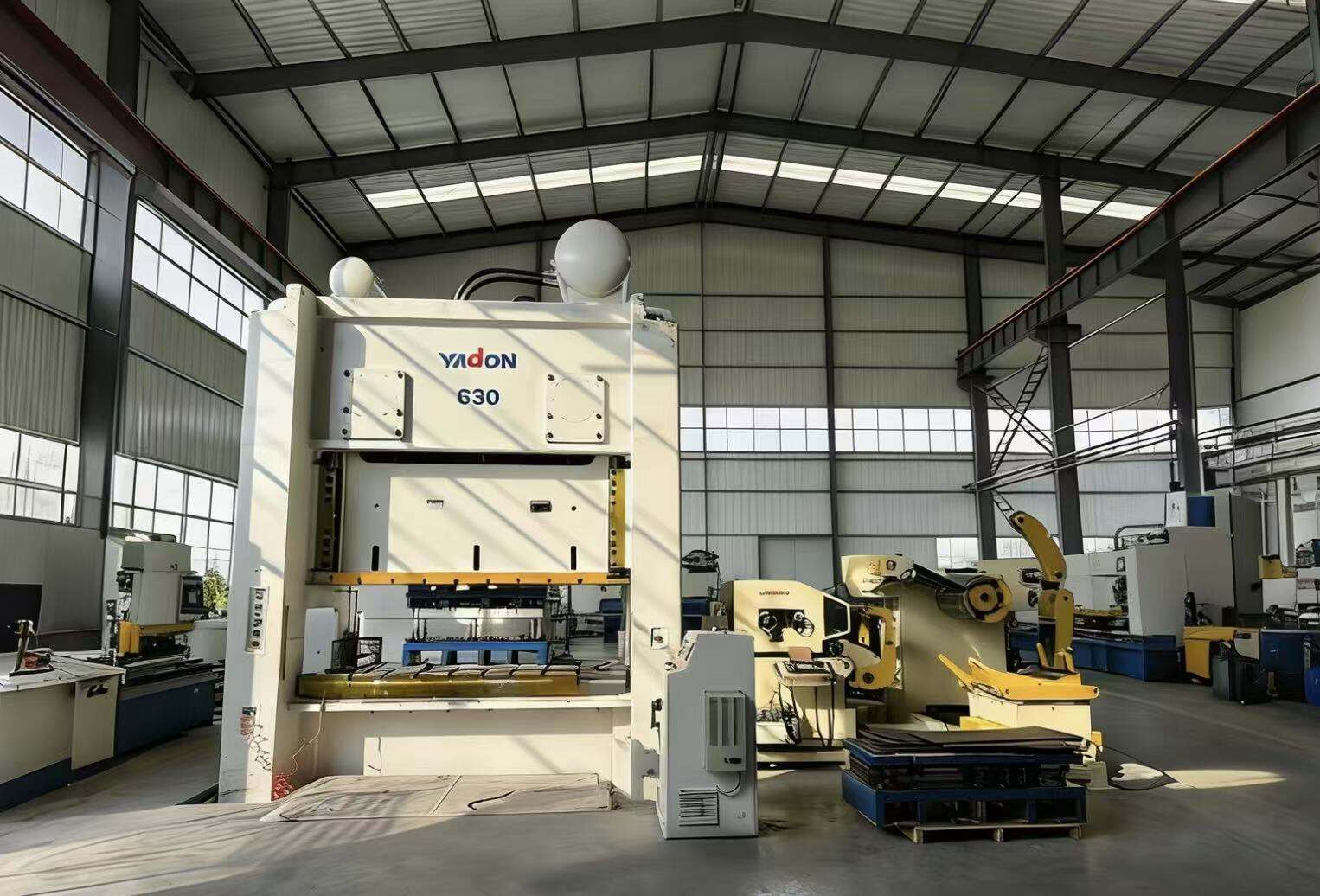
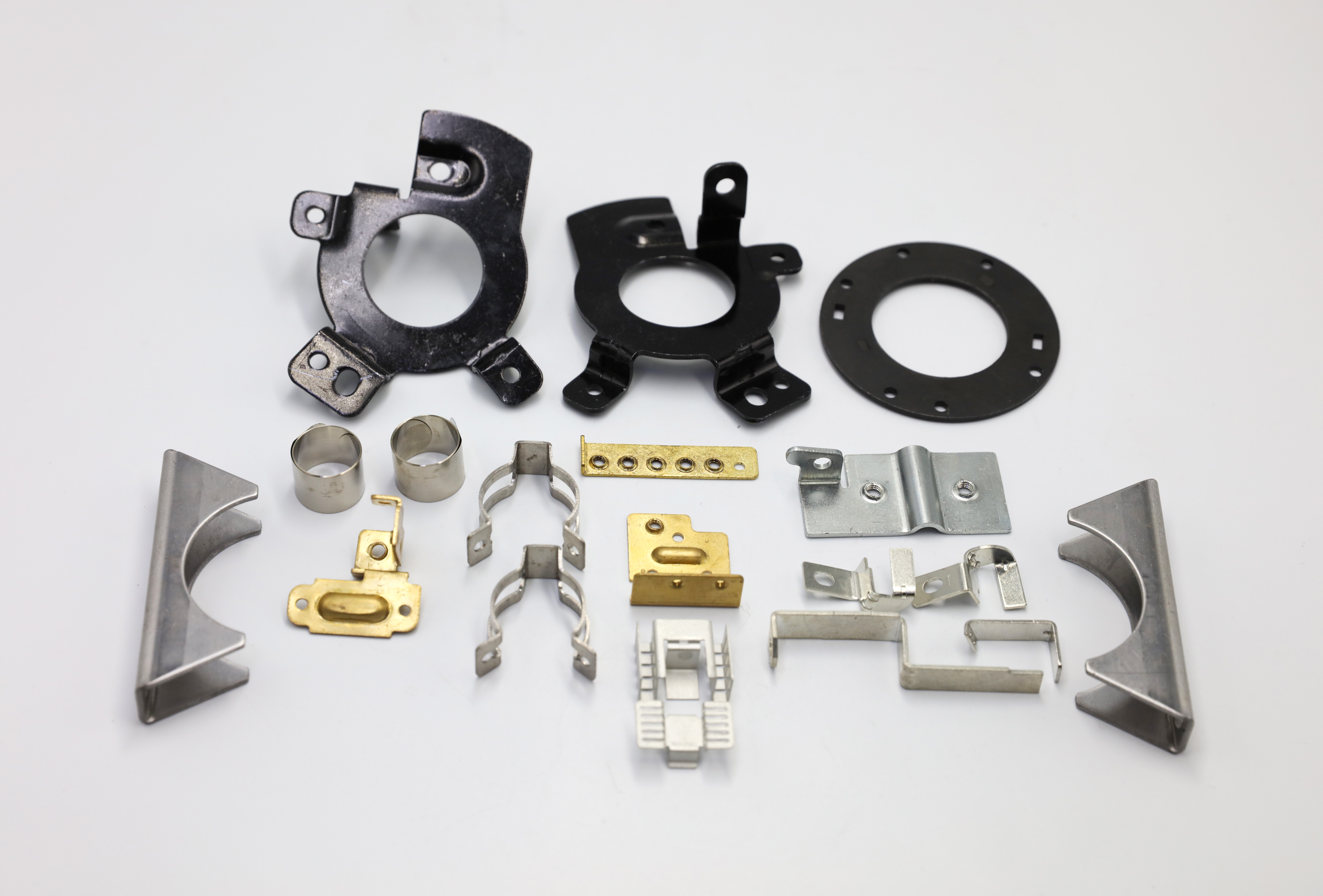
Custom sheet metal stamping represents a sophisticated manufacturing process that transforms flat metal sheets into precisely shaped components through the application of controlled pressure and specialized tooling. This versatile fabrication method serves as the backbone of modern industrial production, enabling manufacturers to create complex three-dimensional parts from various metal materials including steel, aluminum, brass, copper, and stainless steel. The process involves placing sheet metal between carefully designed dies within a stamping press, where tremendous force shapes the material into desired configurations with exceptional accuracy and consistency. Custom sheet metal stamping encompasses multiple forming techniques such as blanking, piercing, bending, drawing, and embossing, each contributing to the creation of intricate components that meet specific dimensional requirements. The technological framework of custom sheet metal stamping relies on computer-aided design systems that ensure precise tooling development and optimal material utilization. Progressive dies, compound dies, and transfer dies represent the primary tooling categories, each offering distinct advantages for different production scenarios. Modern stamping operations integrate advanced automation systems, quality control measures, and real-time monitoring capabilities to maintain consistent output quality while maximizing production efficiency. Applications for custom sheet metal stamping span virtually every industry, from automotive and aerospace to electronics and appliance manufacturing. The automotive sector heavily depends on stamped components for body panels, brackets, housings, and structural elements. Electronics manufacturers utilize precision stamping for connector pins, heat sinks, and enclosure components. The aerospace industry relies on custom sheet metal stamping for lightweight yet durable components that meet stringent safety and performance standards. Medical device manufacturers employ this technology for surgical instruments, implant components, and diagnostic equipment housings. The versatility of custom sheet metal stamping makes it an indispensable manufacturing solution for companies requiring high-volume production of consistent, reliable metal components.
New Product Releases

Custom sheet metal stamping delivers remarkable cost efficiency that makes it an attractive manufacturing choice for businesses across diverse industries. Companies benefit from significantly reduced per-unit costs when producing medium to high-volume quantities, as the initial tooling investment distributes across thousands or millions of parts. This economic advantage becomes particularly pronounced compared to alternative manufacturing methods like machining or casting, where material waste and processing time drive costs substantially higher. The precision capabilities of custom sheet metal stamping ensure consistent dimensional accuracy across entire production runs, eliminating the variability often associated with manual fabrication processes. Modern stamping equipment maintains tolerances as tight as plus or minus 0.001 inches, providing manufacturers with the confidence that every component meets exact specifications. This reliability reduces quality control requirements and minimizes costly rework or rejection rates that can plague other manufacturing approaches. Speed represents another compelling advantage of custom sheet metal stamping, with modern presses capable of producing hundreds or thousands of parts per hour depending on complexity. This rapid production rate enables manufacturers to meet tight delivery schedules and respond quickly to market demands without compromising quality standards. The automated nature of stamping operations reduces labor requirements while maintaining consistent output, freeing skilled workers for higher-value activities throughout the production facility. Material efficiency stands as a significant benefit of custom sheet metal stamping, as sophisticated nesting software optimizes sheet layouts to minimize waste. Progressive dies can achieve material utilization rates exceeding 85 percent, substantially reducing raw material costs and supporting environmental sustainability goals. The ability to work with thin materials while maintaining structural integrity allows designers to create lightweight components without sacrificing strength or durability. Custom sheet metal stamping accommodates an extensive range of materials, from common carbon steels to exotic alloys, providing design engineers with flexibility to select optimal materials for specific applications. Surface finishing options integrate seamlessly with stamping operations, enabling manufacturers to achieve desired aesthetic and functional characteristics without secondary processing steps. The scalability of custom sheet metal stamping allows companies to adjust production volumes efficiently, accommodating everything from prototype quantities to millions of parts annually without fundamental process changes.

Latest News

How To Choose Appropriate Automotive Parts According To Testing Standards

10

Mar

How To Choose Appropriate Automotive Parts According To Testing Standards

View More

Get a Free Quote

Our representative will contact you soon.
Email
Mobile/WhatsApp
Name
Company Name
Message
0/1000

custom sheet metal stamping

Unmatched Precision and Repeatability Through Advanced Tooling Systems

Unmatched Precision and Repeatability Through Advanced Tooling Systems

The precision achieved through custom sheet metal stamping represents one of its most valuable characteristics, delivering dimensional accuracy that consistently meets the most demanding engineering specifications. Modern stamping operations utilize sophisticated computer-controlled equipment that maintains tolerances within fractions of millimeters, ensuring every component produced matches exact design requirements without deviation. This exceptional precision stems from the rigid tooling systems employed in custom sheet metal stamping, where hardened steel dies create identical forming conditions for each part throughout extended production runs. The tooling design process incorporates advanced finite element analysis to predict material flow and optimize die geometry, eliminating potential defects before production begins. Progressive dies enable multiple forming operations within a single press stroke, maintaining precise positional relationships between features while minimizing handling-related variations. The repeatability of custom sheet metal stamping surpasses virtually all other manufacturing methods, as the mechanical nature of the process eliminates human variability that can affect manual operations. Quality control systems integrated into modern stamping lines monitor critical dimensions in real-time, automatically adjusting process parameters to maintain target specifications. This combination of precise tooling and continuous monitoring ensures that custom sheet metal stamping produces components with statistical process control capabilities, reducing variation to levels that support lean manufacturing initiatives. The geometric complexity achievable through custom sheet metal stamping continues expanding as tooling technology advances, enabling manufacturers to create intricate three-dimensional shapes that previously required multiple assembly operations. Features such as flanges, ribs, bosses, and complex contours can be formed simultaneously, eliminating assembly steps while maintaining precise dimensional relationships. This precision extends to surface quality, where custom sheet metal stamping produces consistently smooth finishes that often eliminate secondary machining requirements. The ability to maintain tight tolerances across large production volumes provides manufacturers with the confidence to specify custom sheet metal stamping for critical applications where dimensional accuracy directly impacts product performance and safety.
Exceptional Material Versatility and Strength Optimization

Exceptional Material Versatility and Strength Optimization

Custom sheet metal stamping demonstrates remarkable versatility in accommodating diverse material types and thicknesses, enabling manufacturers to select optimal materials for specific application requirements without process limitations. This adaptability extends across the complete spectrum of metallic materials, from cost-effective carbon steels to high-performance titanium alloys, each processed with techniques specifically optimized for material characteristics. The forming capabilities of custom sheet metal stamping work effectively with materials ranging from 0.005 inches to several inches thick, providing design engineers with unprecedented flexibility in component specification. Advanced material handling systems ensure consistent feed rates and positioning accuracy regardless of material properties, maintaining process stability across different alloy compositions and surface treatments. The strength enhancement achieved through custom sheet metal stamping represents a significant advantage over alternative fabrication methods, as the cold-working process inherently improves material properties through work hardening. This phenomenon increases yield strength and tensile strength while maintaining ductility, creating components that exceed the mechanical properties of the original sheet material. Grain structure refinement during stamping operations contributes to improved fatigue resistance, making custom sheet metal stamping ideal for components subjected to cyclic loading conditions. The ability to create complex geometries while preserving material integrity allows designers to optimize strength-to-weight ratios through strategic placement of reinforcing features such as beads, ribs, and formed edges. Custom sheet metal stamping accommodates materials with specialized coatings or surface treatments, preserving protective layers throughout the forming process when proper tooling design and lubrication systems are employed. Pre-plated materials, anodized surfaces, and polymer coatings can be successfully formed without damage, eliminating costly secondary finishing operations. The thermal properties of different materials receive consideration during custom sheet metal stamping process development, with temperature control systems maintaining optimal forming conditions for temperature-sensitive alloys. This comprehensive approach to material compatibility ensures that custom sheet metal stamping delivers consistent results regardless of material selection, providing manufacturers with confidence in process reliability across diverse applications and enabling innovative product designs that leverage the unique properties of advanced materials.
Superior Production Efficiency and Cost-Effectiveness for Volume Manufacturing

Superior Production Efficiency and Cost-Effectiveness for Volume Manufacturing

The production efficiency achieved through custom sheet metal stamping establishes it as the preferred manufacturing method for medium to high-volume applications, delivering unmatched throughput rates while maintaining consistent quality standards throughout extended production runs. Modern stamping operations integrate sophisticated automation systems that minimize cycle times and maximize equipment utilization, enabling manufacturers to produce thousands of components per hour with minimal operator intervention. This exceptional productivity stems from the simultaneous execution of multiple forming operations within single press strokes, eliminating the sequential processing requirements associated with alternative manufacturing methods. Progressive tooling systems advance material through multiple stations automatically, performing cutting, forming, and finishing operations in continuous motion that reduces handling time and maintains precise part-to-part consistency. The economic benefits of custom sheet metal stamping become increasingly pronounced as production volumes increase, with amortized tooling costs decreasing substantially across larger quantities while per-unit processing costs remain consistently low. Initial tooling investments, though significant, distribute across thousands or millions of parts, creating compelling cost advantages that traditional machining or fabrication methods cannot match at comparable volumes. Labor efficiency represents another critical advantage of custom sheet metal stamping, as automated feeding systems and robotic part handling reduce direct labor requirements while enabling operators to oversee multiple production lines simultaneously. This optimization of human resources allows manufacturers to maintain competitive labor costs while achieving higher overall productivity rates. Energy consumption per part remains remarkably low in custom sheet metal stamping operations, as the mechanical efficiency of modern presses converts electrical energy directly into useful forming work without the thermal losses associated with heat-based processes. Material utilization efficiency reaches exceptional levels through optimized nesting algorithms and progressive die designs that minimize scrap generation, further reducing overall production costs while supporting environmental sustainability objectives. The scalability of custom sheet metal stamping allows manufacturers to adjust production rates efficiently based on demand fluctuations, with changeover times between different parts minimized through standardized tooling systems and quick-change capabilities. Setup reduction techniques enable custom sheet metal stamping operations to accommodate smaller lot sizes economically, extending the cost benefits to medium-volume applications that previously required less efficient manufacturing methods.

Get a Free Quote

Our representative will contact you soon.
Email
Mobile/WhatsApp
Name
Company Name
Message
0/1000